
Train Smarter
Training programmes, exercise guides, strength, cardio, conditioning and recovery — practical, evidence-led fitness content.
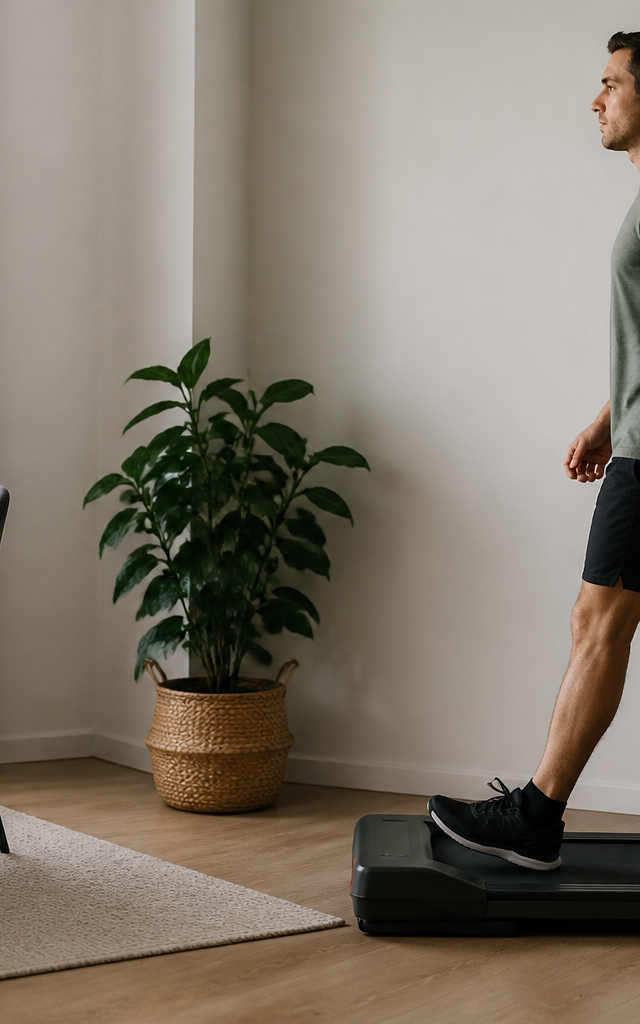
Walking Pad vs Foldable Treadmill: UK Home Exercise Buying Guide
Walking pad vs foldable treadmill uk: Compare compact exercise equipment for home use, focusing on specifications, safety, and buyer value for UK and international users.
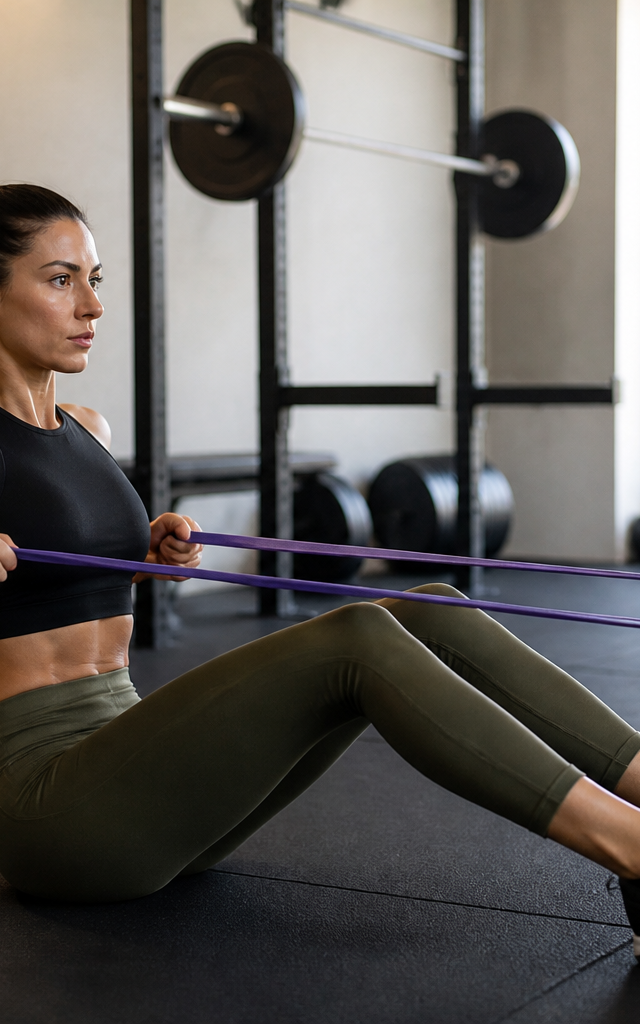
Resistance Bands vs Dumbbells for Strength Training: Buying Guide
Resistance bands vs dumbbells for strength training: evidence-based comparison of features, safety, specs, and a practical buying checklist. Choose the right tool for your fitness goals, guided by NHS and WHO advice.
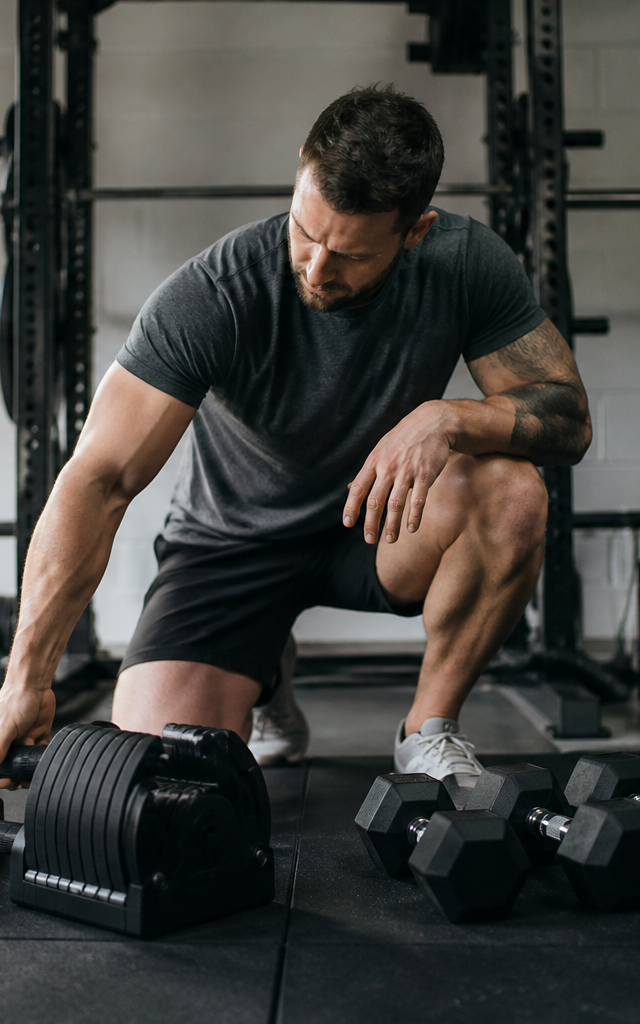
Adjustable Dumbbells vs Fixed Dumbbells: UK Home Gym Buying Comparison
A detailed, evidence-led comparison of adjustable dumbbells vs fixed dumbbells UK: features, safety, usability, and buying tips for home gym users.

Walking Workouts for Beginners: Building a Consistent Weekly Routine
Discover how to start and sustain a walking workout plan for beginners, supported by NHS and WHO guidance, with stepwise strategies and practical safety tips.
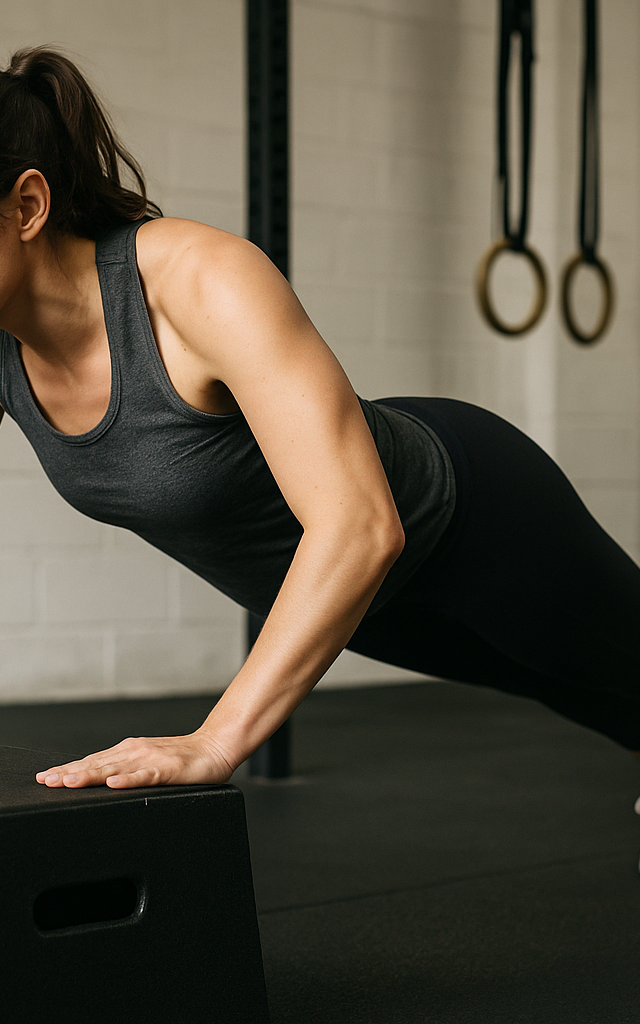
How to Progress Bodyweight Exercises Safely
Learn the science and methods behind bodyweight exercise progression. Safely increase strength and muscle at home with practical, evidence-based strategies.
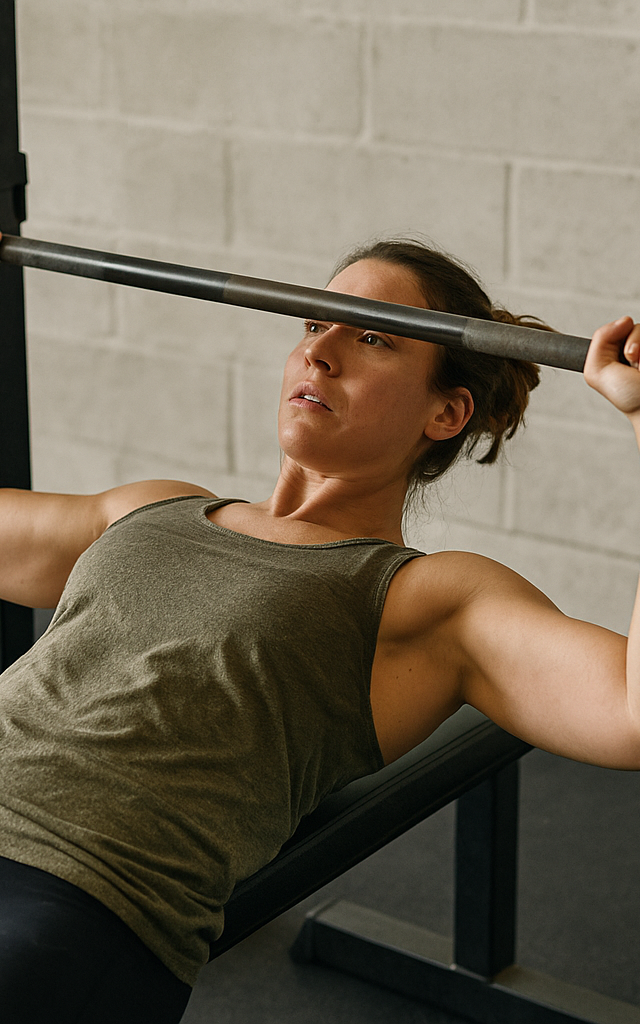
Strength Training Volume: Sets Per Muscle Group Explained
Learn the fundamentals of strength training volume, including how sets per muscle group affect muscle growth and strength, and how to safely progress your workouts.
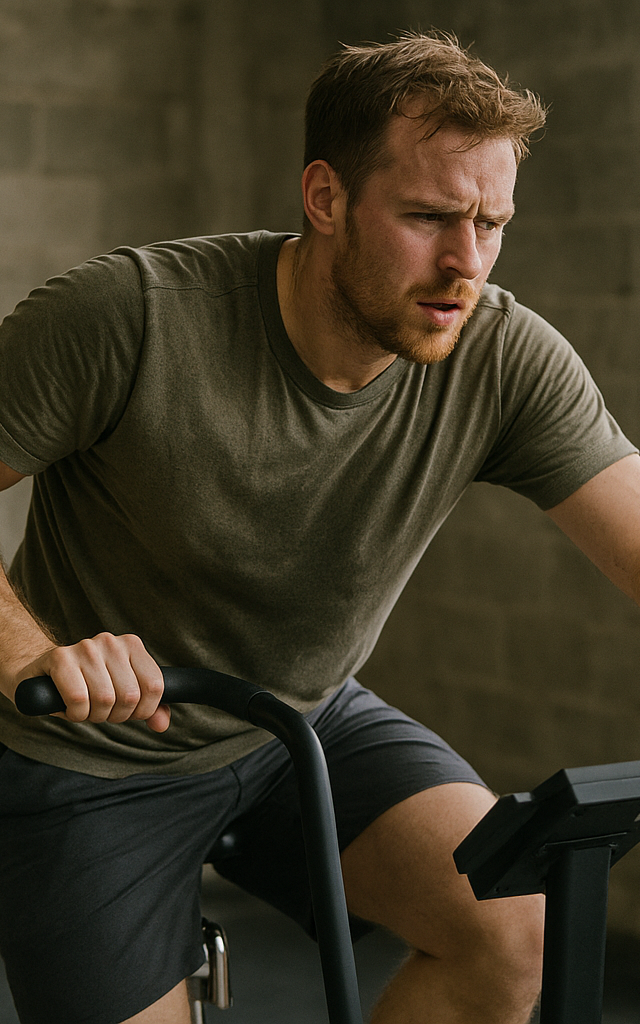
Zone 2 Cardio Explained: Intensity and Practical Limitations
Get zone 2 cardio explained: discover what it is, how to find your ideal intensity, its benefits, limitations, and how to safely incorporate it into your fitness routine.
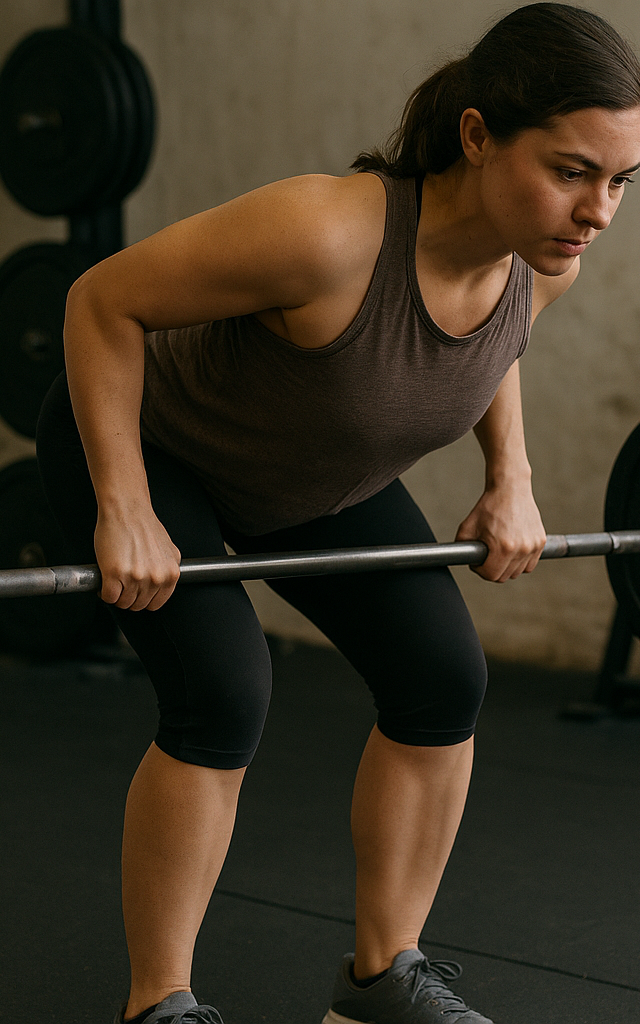
How to Track Strength Progress Without One-Rep Max Testing
Learn evidence-informed strategies for tracking strength progress without risky 1RM tests. Use practical, safe, and consistent methods to monitor gains.

Resistance Bands for Strength Training: Practical Uses and Limits
Resistance bands for strength training build muscle, support joint health and boost function—especially for adults, rehab or older users. See practical uses and evidence-based limits.
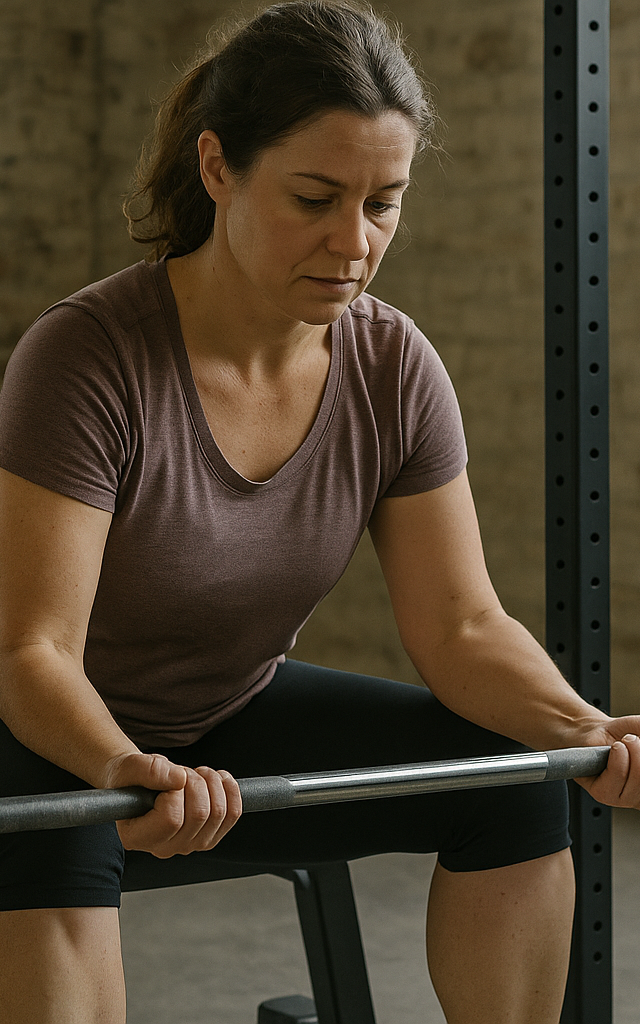
Strength Training After a Break: Returning Gradually
Returning to strength training after a break is safest and most effective with gradual volume, focus on technique, and attentive recovery. Progress steadily as your body adapts.
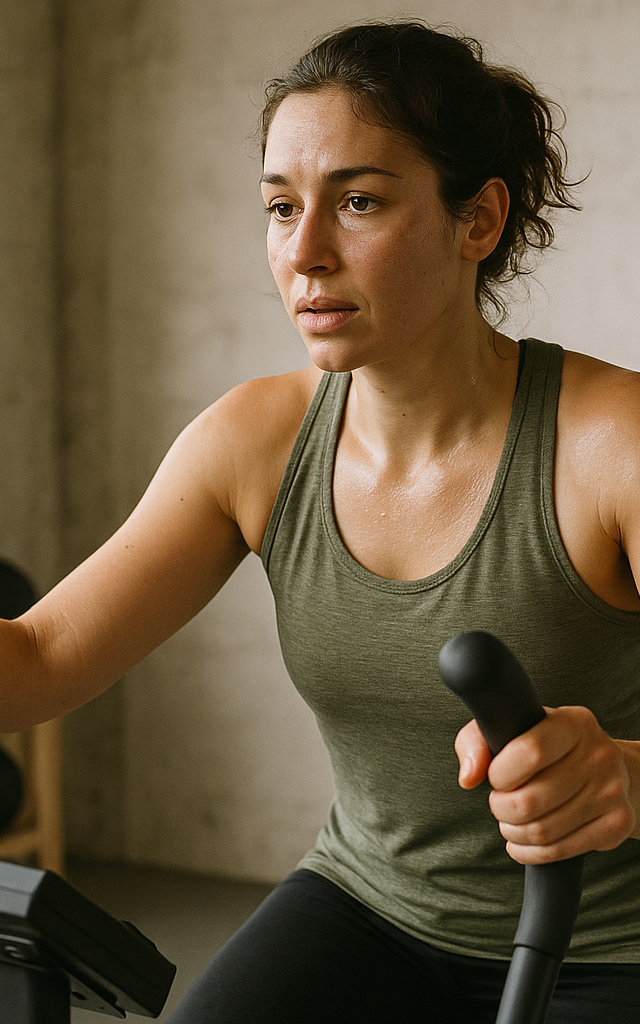
Low-Impact Cardio Options: Choosing a Sustainable Routine
Explore practical low impact cardio options, including walking, cycling, swimming, and elliptical training. Learn how to adjust intensity, build a safe routine, and promote long-term fitness with minimal joint stress.
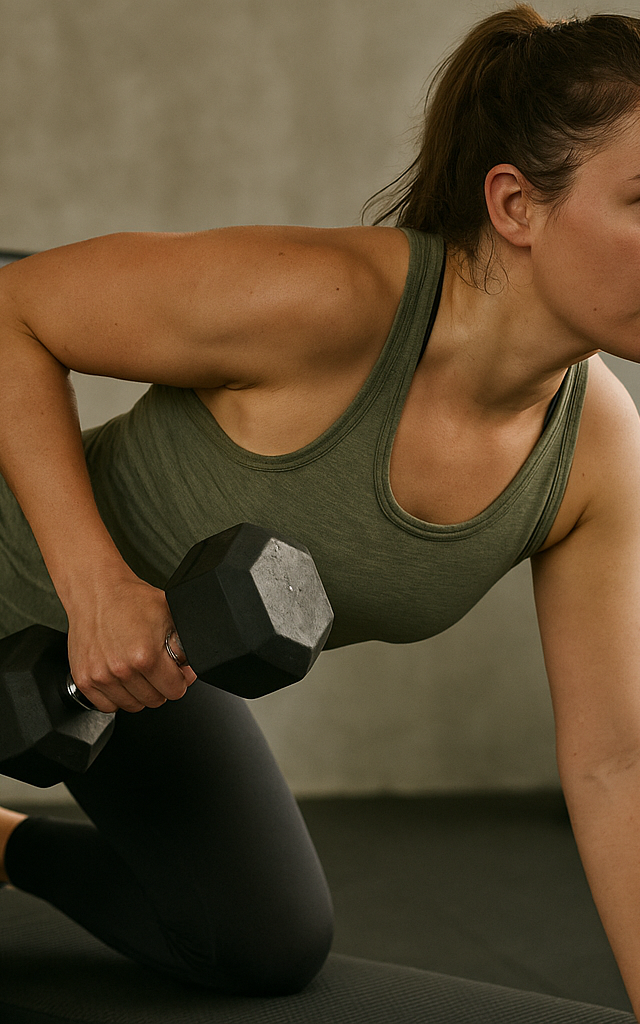
Beginner Resistance Training Frequency: Planning Your Week
Beginner resistance training frequency should be 2-3 sessions per week, targeting all major muscle groups. Evidence supports this schedule for strength and muscle gains, while allowing for recovery.
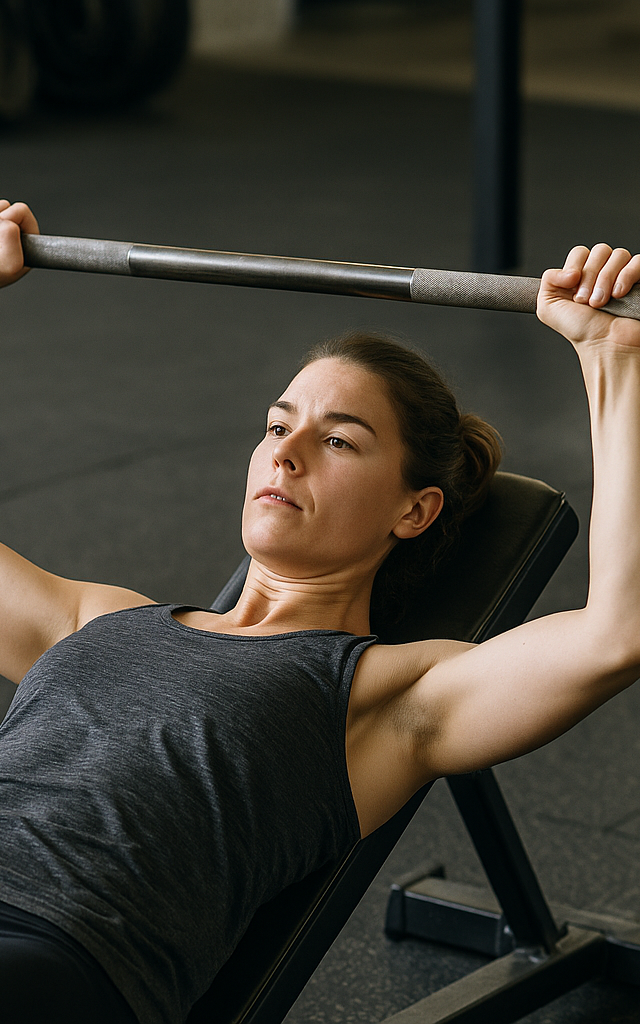
Eccentric Training Explained: Benefits and Trade-Offs
Eccentric strength training prioritizes controlled muscle lengthening (negative reps) to support greater strength and muscle gains versus conventional routines. This guide details its benefits, limitations, and best practices.
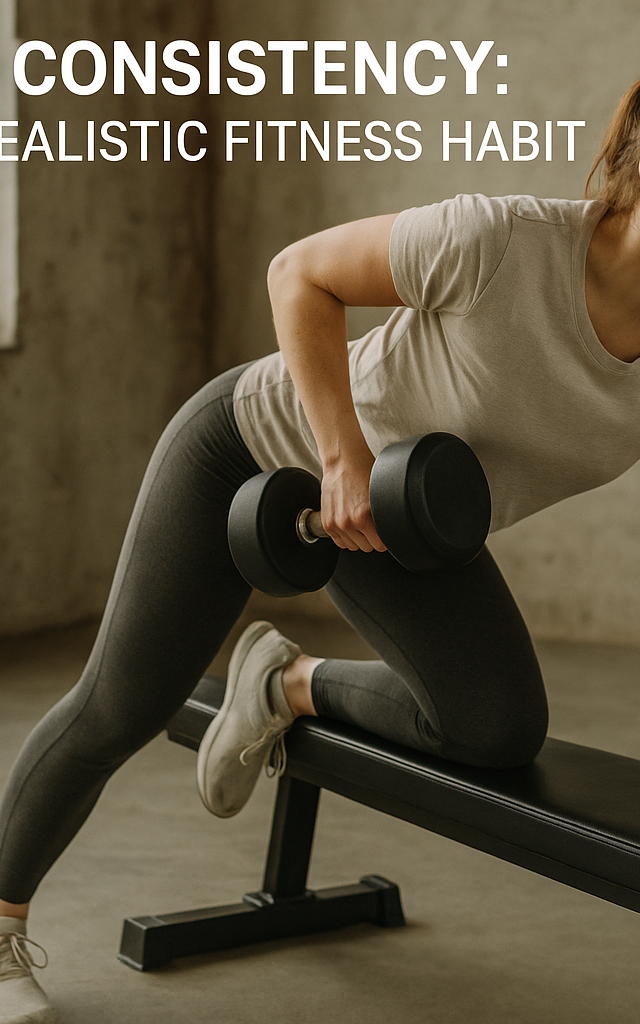
Exercise Consistency: Building a Realistic Fitness Habit
Building exercise consistency is key for sustainable fitness and health. This guide explains science-backed strategies to create and maintain a practical workout routine.

Recovery Between Workouts: Practical Signs and Planning
Learn how to optimize recovery between workouts with evidence-based strategies for sleep, nutrition, soreness, rest days, and training adjustments.

Cardio and Strength Training in the Same Week
Combine cardio and strength training in your weekly routine for better health, strength, and endurance. See evidence-based scheduling, safety, and sample plans.

Rest Between Strength Training Sets: Choosing Recovery Time
How long you rest between strength training sets shapes strength, size, and recovery. Learn evidence-based timing for your fitness goals in this practical guide.
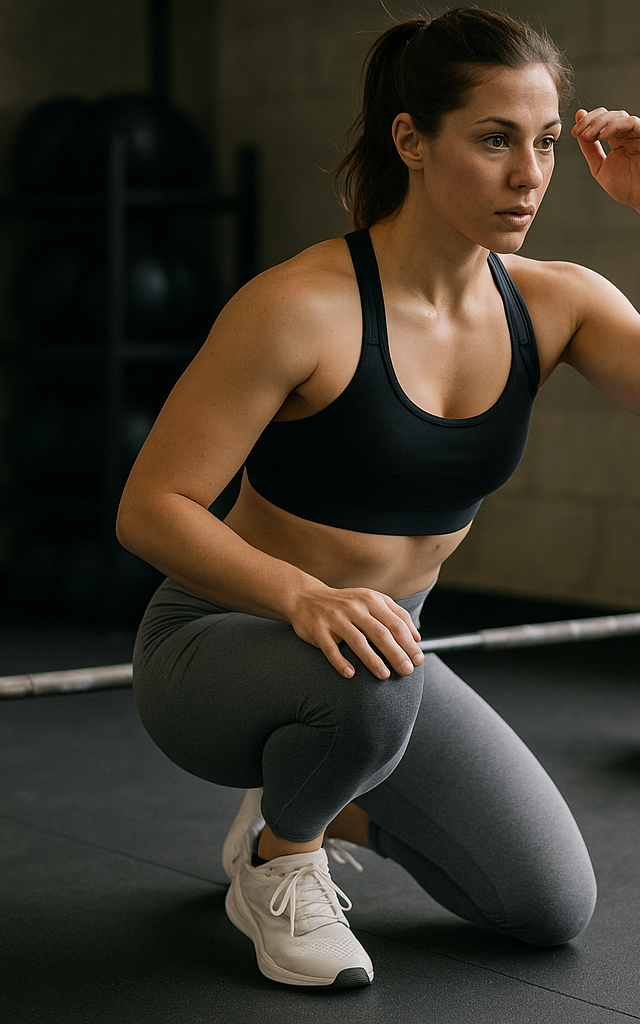
Warm-Up Before Strength Training: Practical Routine and Evidence
Understanding the purpose and best practices for a warm-up before strength training improves safety and workout effectiveness. Evidence-backed guidelines inside.

Mobility Training for Beginners: A Practical Weekly Plan
A practical guide to mobility training for beginners, distinguishing it from flexibility, with practical routines backed by research for adults of all ages.
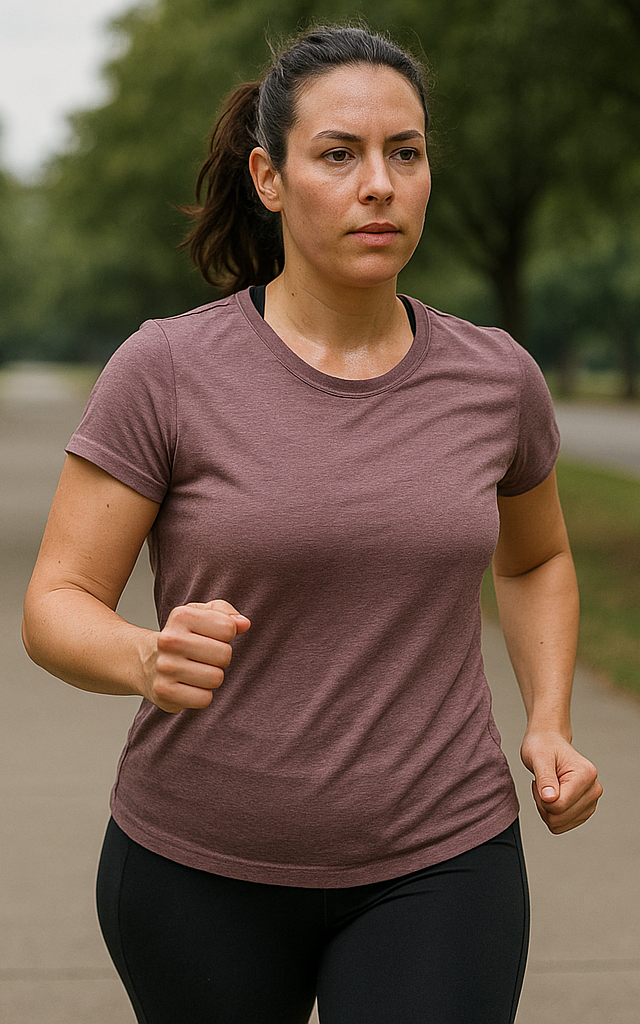
Walking for Fitness: Building a Sustainable Weekly Routine
Walking for fitness is a simple, evidence-backed way to boost health. Learn how to start, progress, and build a sustainable weekly walking routine safely and effectively.

Deload Weeks: When and How to Reduce Training Load
Deload weeks are planned reductions in training load to manage fatigue. Learn evidence-based strategies, options for structuring a deload, and what current research supports.
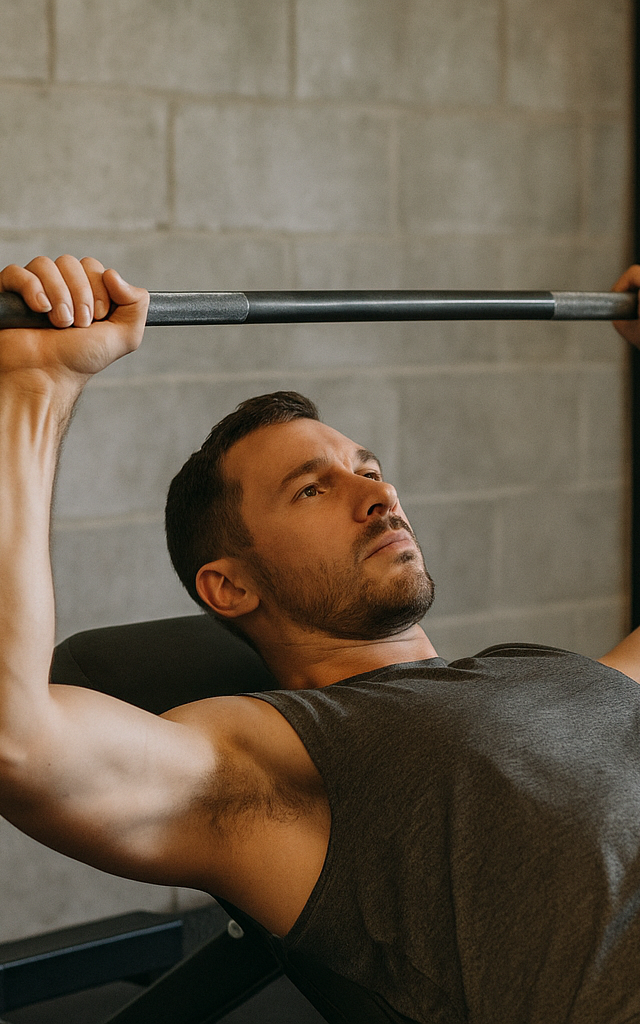
RPE vs RIR: How to Gauge Strength Training Effort
Explore how RPE and RIR help lifters manage training effort, including scientific evidence, practical uses, strengths, and safety notes.
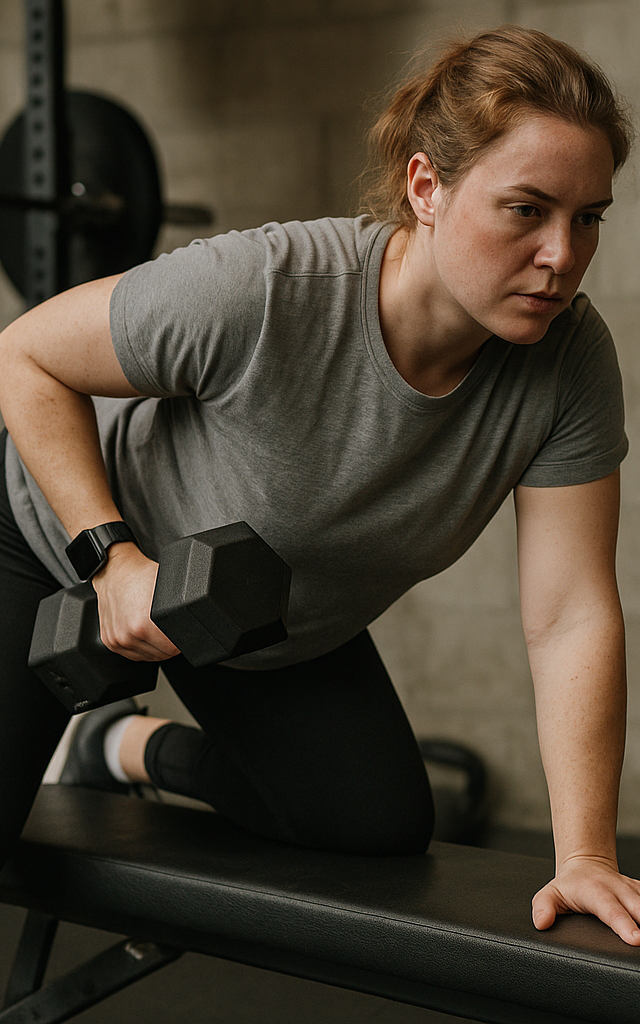
Training with Irregular Shifts: Exercise and Recovery Planning
Active shift workers face unique health challenges when maintaining exercise routines. Evidence-based guidance on training, sleep, and recovery optimizes well-being.
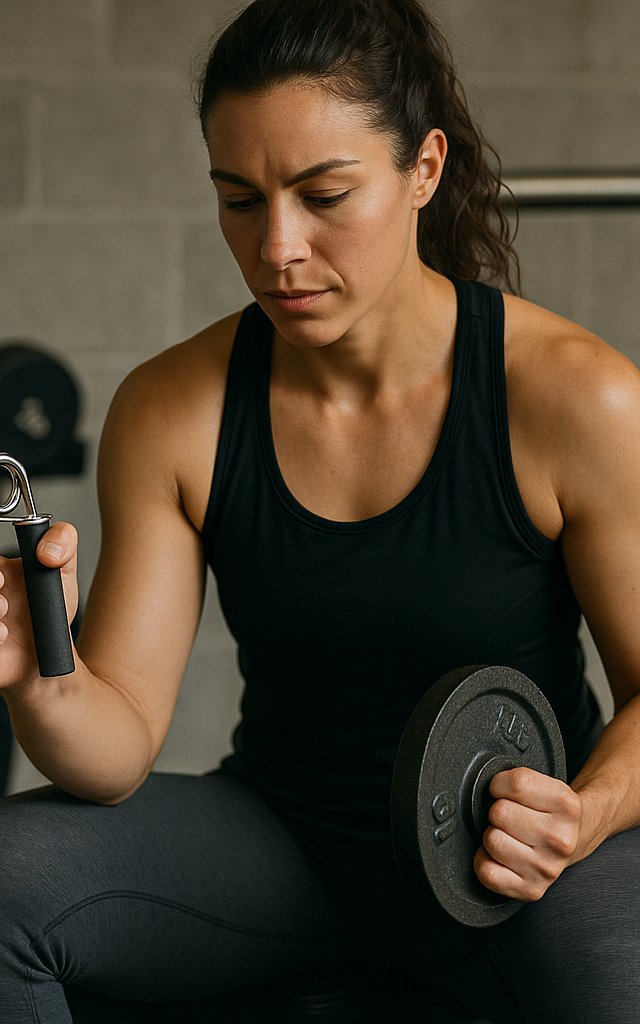
Grip Strength Training: Exercises, Progression and Recovery
Learn how to improve grip strength with evidence-based exercises and training strategies, including types of grips, effective routines, and injury prevention tips.
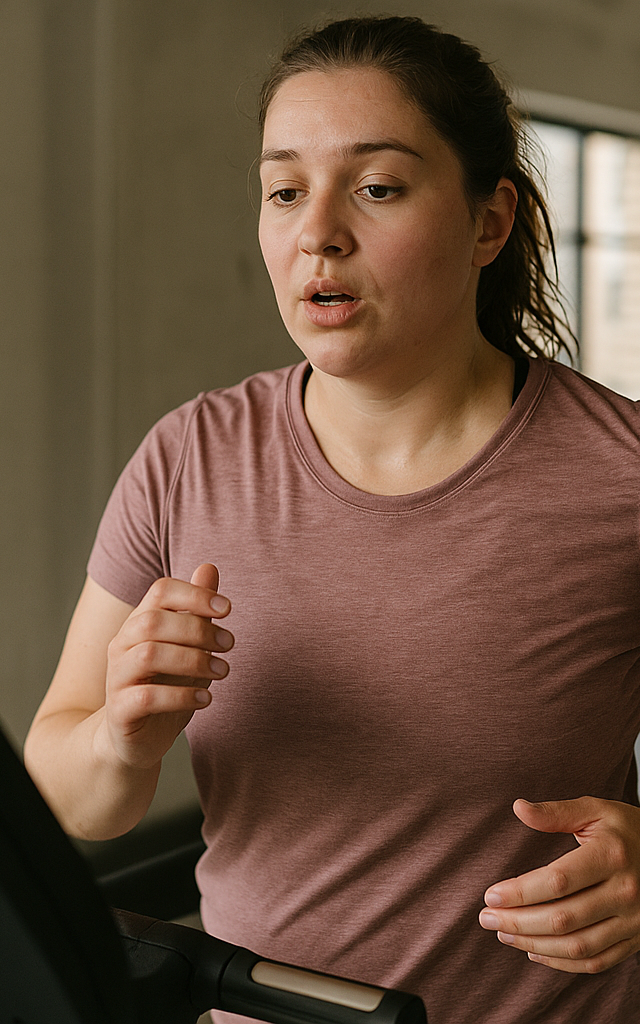
The Talk Test for Cardio: Finding a Sustainable Intensity
The talk test cardio intensity method offers a practical, evidence-based way for adults of all levels to gauge and manage their workout effort.

Warm-Up Sets Before Strength Training: A Practical Guide
Warming up with structured sets before strength training boosts performance and reduces injury risk. Learn evidence-based protocols for different lifts.

Cardio vs Strength Training
This guide clarifies the distinctions between cardio and strength training, offering practical steps for incorporating both into your fitness routine.

How to Track Workout Progress
Tracking workout progress is essential for monitoring fitness improvements and making informed adjustments to your routine.

Hip Mobility Exercises for Training and Daily Movement
The hip can flex, extend, rotate and move sideways. “Hip mobility” therefore is not one quality and one drill cannot improve every direction. Choose exercises according to the movement you want to perform more comfortabl
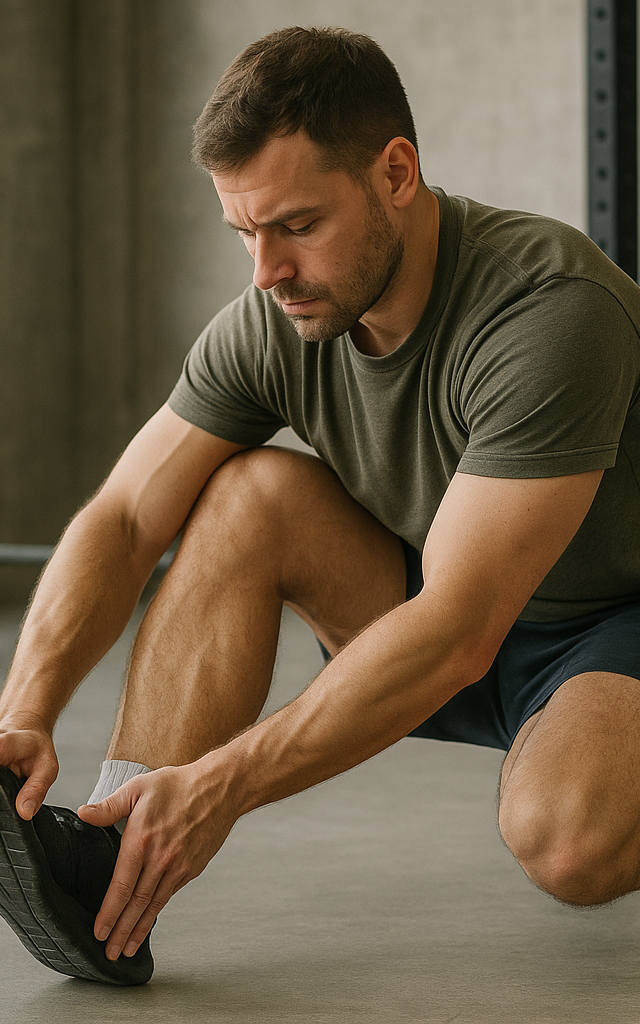
Ankle Mobility for Squats and Training
Ankle dorsiflexion—the ability to bring the shin forward relative to the foot—can influence squat mechanics, but it is only one factor. Hip structure, stance, footwear, technique and limb proportions also affect how a sq
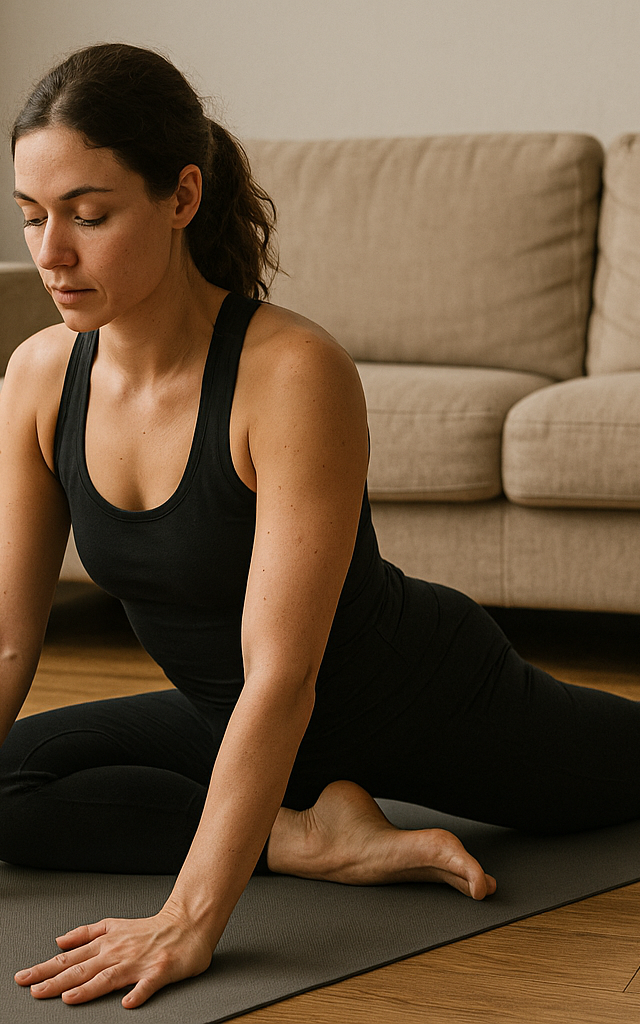
Mobility Training for Beginners: A Complete Guide
Mobility is the ability to move through useful ranges of motion with control. It is influenced by flexibility, strength, coordination, joint structure and the demands of the task. Beginners do not need an hour of stretch
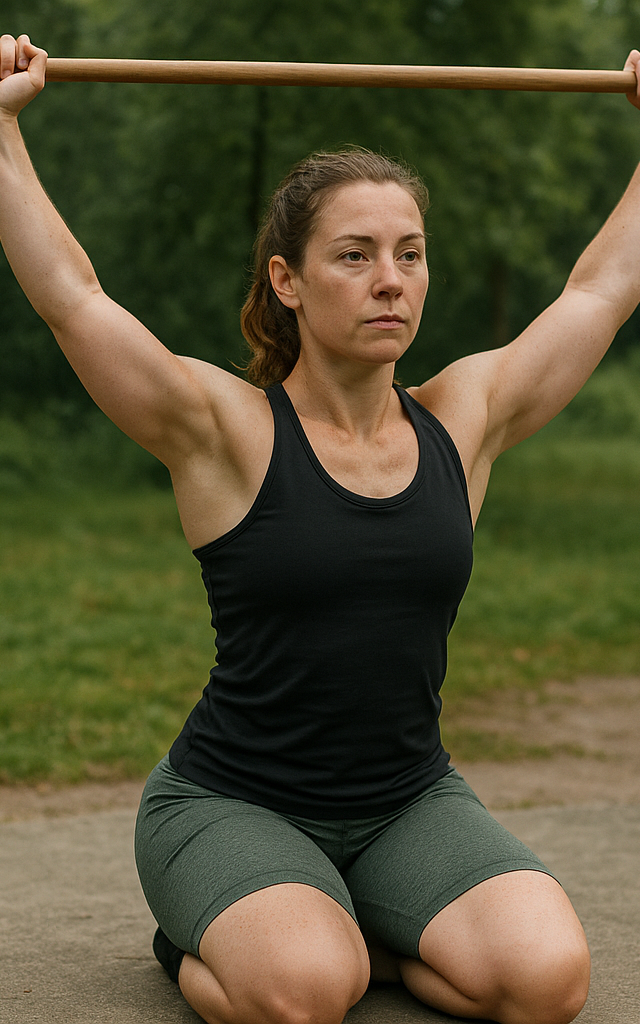
Shoulder Mobility: Practical Exercises for Overhead Movement
Overhead movement involves more than the ball-and-socket shoulder joint. The shoulder blade, upper back, ribcage and muscular control all contribute. A useful mobility routine therefore focuses on the movement task rathe
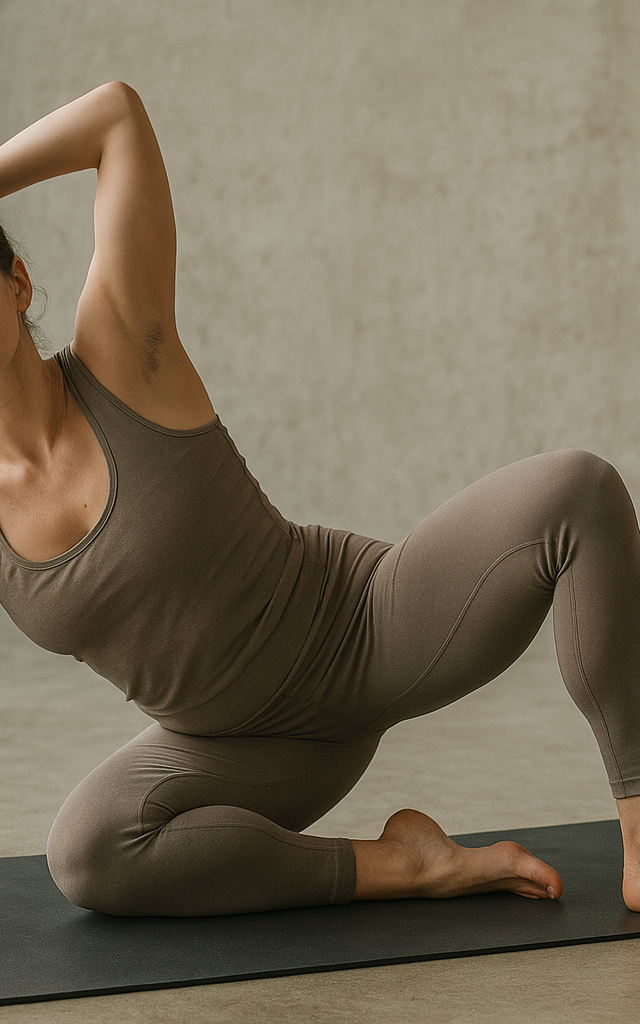
Mobility vs Flexibility: What Is the Difference?
Flexibility and mobility overlap, but they are not identical ideas. Flexibility describes available range of motion; mobility usually refers to how effectively you can access and control useful movement. Neither is autom

10-Minute Full-Body Mobility Routine
A short mobility routine works best when it is simple enough to repeat. This 10-minute sequence moves the spine, hips, ankles and shoulders without promising to “fix” posture, prevent every injury or correct problems tha
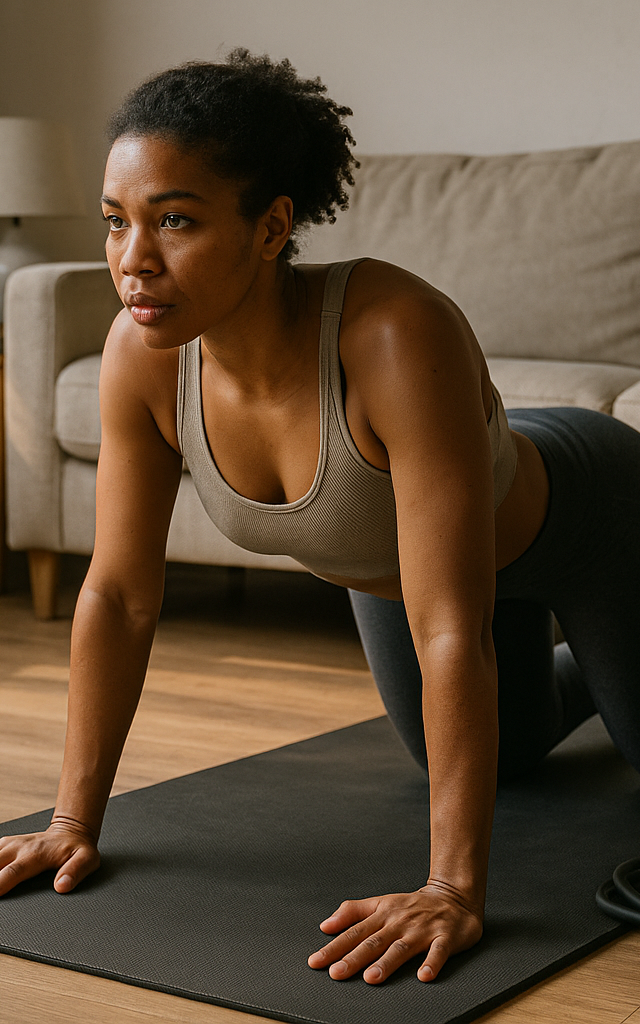
Home Workouts for Beginners: A Complete Training Guide
You can build strength and fitness at home without recreating a commercial gym. The essentials are the same: train the major movement patterns, use exercises that are challenging enough, repeat them consistently and make
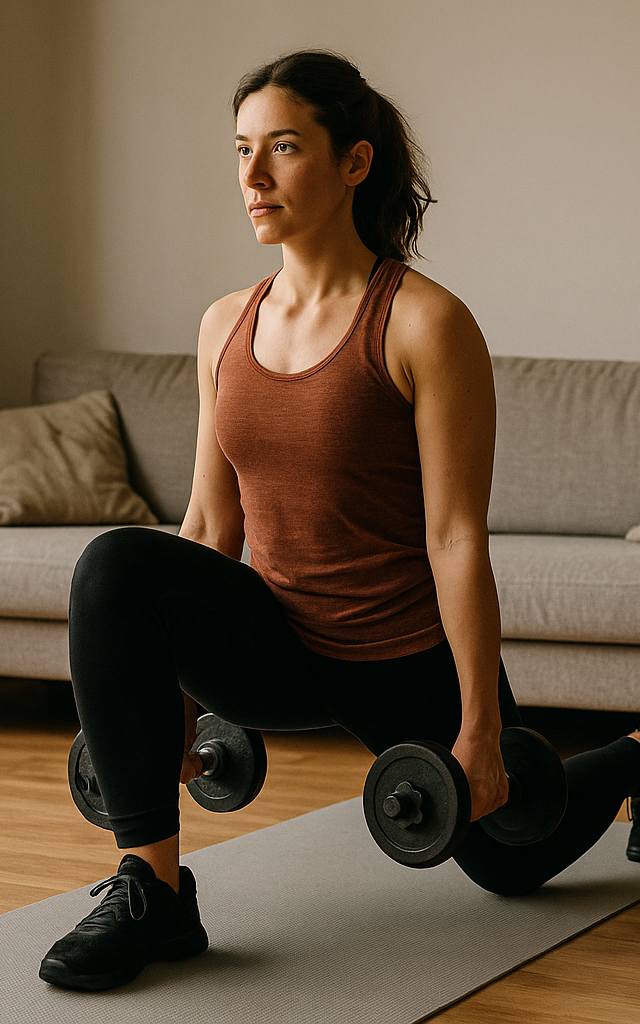
Dumbbell Home Workout: Full-Body Programme
A pair of dumbbells can cover most major movement patterns at home. The key is not owning dozens of weights; it is selecting movements you can repeat and progressing them despite limited load.Workout AExerciseSets × reps
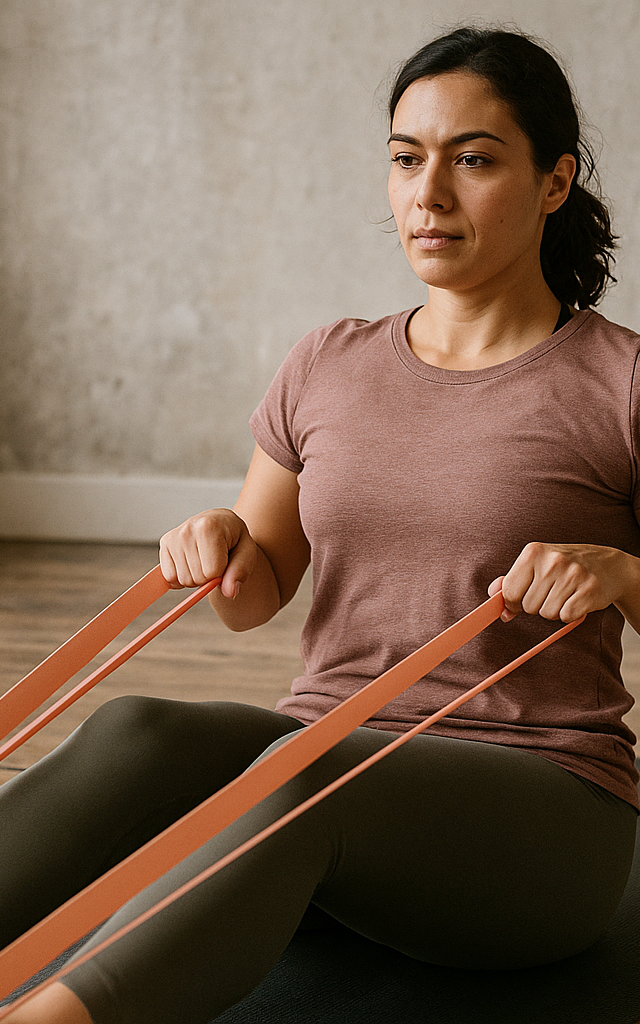
Resistance Band Workout for Beginners
Resistance bands are portable and can load most major movement patterns at home. Unlike free weights, band tension generally increases as the band stretches, so the resistance changes through the range of motion.Beginner
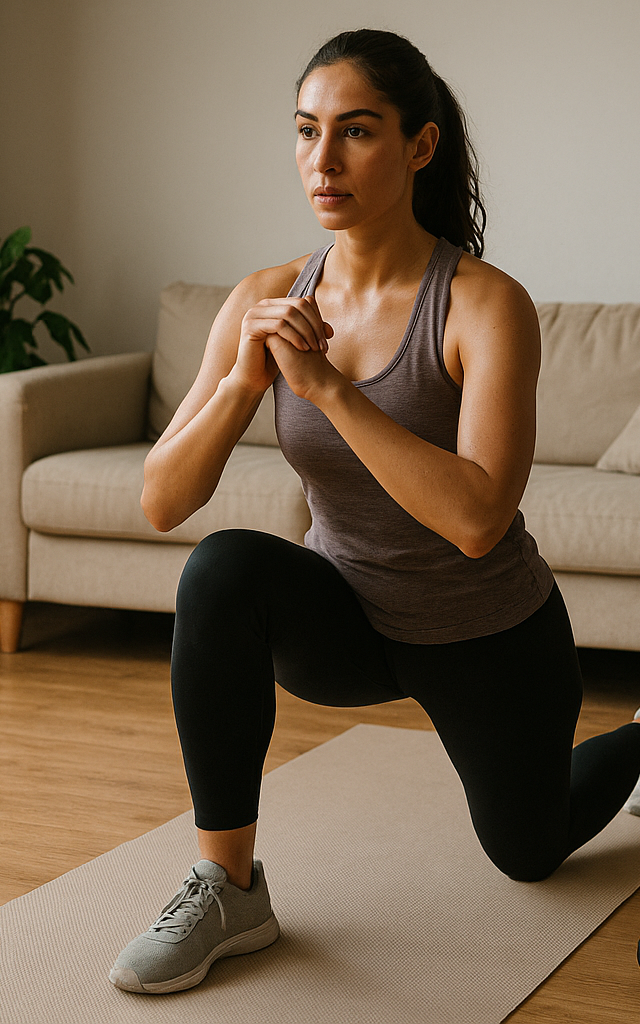
30-Minute Home Workout: A Simple Full-Body Routine
Thirty minutes is enough time for a focused full-body resistance session. The key is choosing a small number of useful movements and resting enough to perform them well rather than rushing through dozens of exercises.The
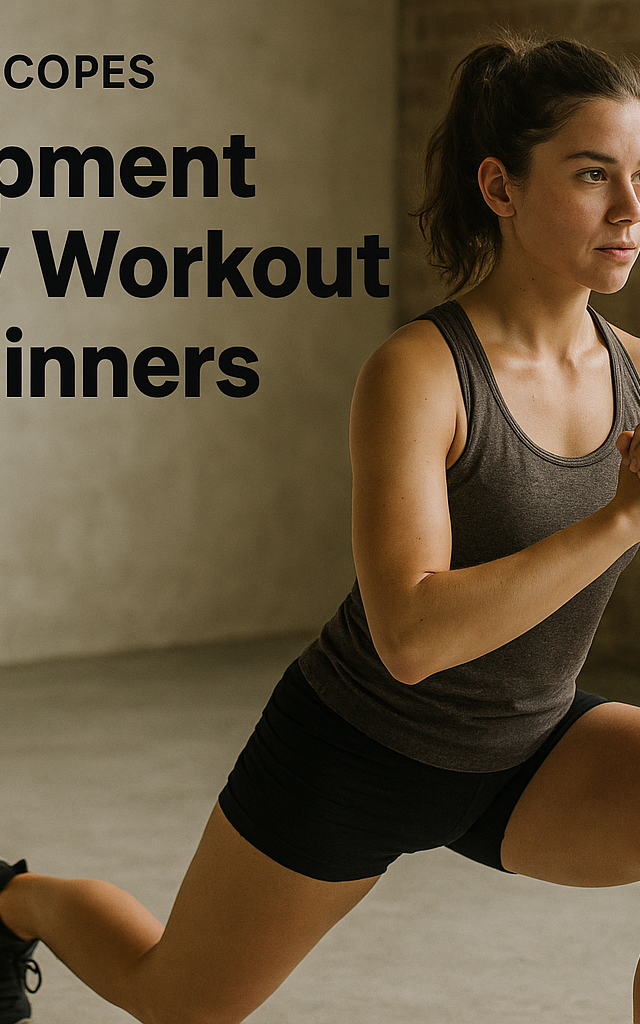
No-Equipment Full-Body Workout for Beginners
A no-equipment workout can provide a useful starting resistance stimulus using bodyweight, leverage and range of motion. The limitation is not that bodyweight “doesn't work”; it is that some movement patterns—especially
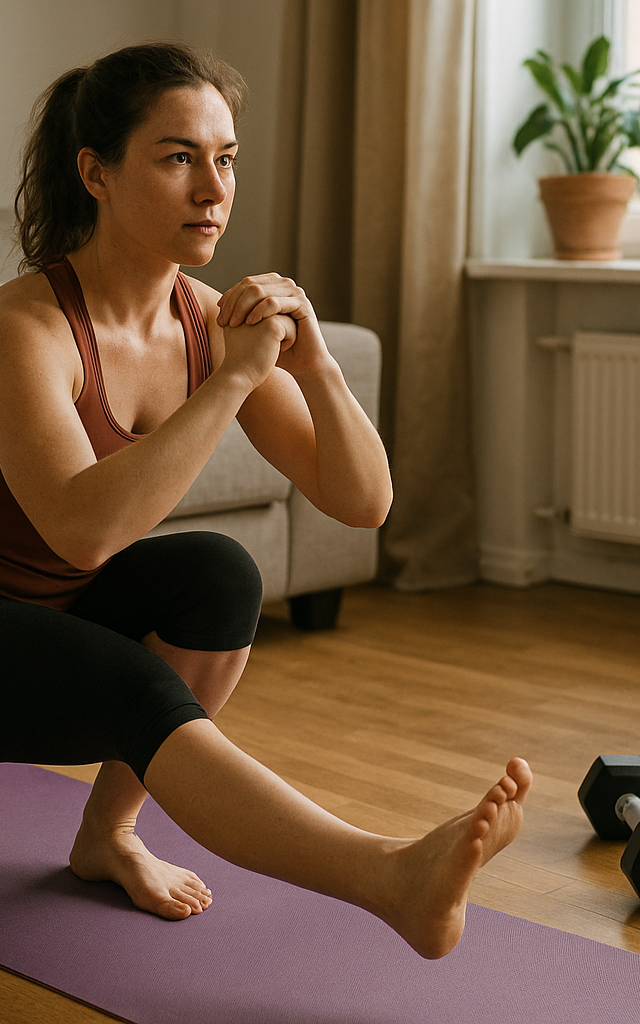
How to Progress Home Workouts Without Heavier Weights
Progressive overload means increasing the training challenge over time. Adding weight is one method, but it is not the only one—especially when you train at home with limited equipment.1. Add repetitionsIf you performed

Tempo Training Explained: Pace, Effort and Threshold Work
Tempo Training Explained: Pace, Effort and Threshold Work — evidence-led practical guidance for recreational endurance training.

Endurance Recovery: How to Balance Training and Rest
Endurance Recovery: How to Balance Training and Rest — evidence-led practical guidance for recreational endurance training.

Endurance Training for Beginners: How to Build Aerobic Fitness
A practical beginner endurance guide covering aerobic base training, weekly structure, progression, strength and recovery.

How to Build Stamina Without Doing Too Much Too Soon
How to Build Stamina Without Doing Too Much Too Soon — evidence-led practical guidance for recreational endurance training.

Long Slow Distance Training Explained
Long Slow Distance Training Explained — evidence-led practical guidance for recreational endurance training.

Strength Training for Endurance Athletes
Strength Training for Endurance Athletes — evidence-led practical guidance for recreational endurance training.

Cardio Heart Rate Zones Explained
Heart-rate zones explained: how five-zone models work, why maximum-heart-rate formulas are estimates, and how to combine heart rate with RPE and the talk test.

Treadmill Workout for Beginners: Walking to Running Plan
A beginner treadmill workout with walking, incline and walk-jog progressions, practical intensity guidance and a six-week route toward continuous running.

Cardio and Strength Training: How to Combine Both
Learn how to combine cardio and strength training, including exercise order, same-day sessions, concurrent-training interference, weekly schedules and fatigue management.

How Much Cardio Should You Do Each Week?
How much cardio should you do each week? Understand public-health targets, moderate vs vigorous activity, beginner progression and how cardio fits with strength training.

HIIT vs Steady-State Cardio: What Is the Difference?
Compare HIIT and steady-state cardio for aerobic fitness, time efficiency, fatigue, fat loss and combining both in a practical weekly programme.

Walking vs Running: Which Is Better for Fitness?
Walking and running both improve aerobic fitness. Compare intensity, time efficiency, impact, calorie expenditure, progression and how to choose between them.

Zone 2 Cardio Explained: Benefits, Intensity and How to Do It
Zone 2 cardio explained without the hype: what it means, how to estimate the intensity, how heart-rate zones differ and how to use steady aerobic training in practice.

Cardio for Beginners: How to Start and Build Fitness
A practical beginner cardio guide covering intensity, duration, weekly progression, walking, cycling, running, recovery and how to combine cardio with strength training.
Muscle Recovery Explained
A practical guide to muscle recovery covering soreness, sleep, protein, carbohydrates, hydration, rest days and common recovery methods without the usual myths.

Beginner Full-Body Training Guide
A complete beginner full-body training guide with two- and three-day workout templates, exercises, sets, reps, rest periods and a simple progression system.

Rest Between Sets Explained
Learn how long to rest between sets for strength, muscle growth and isolation work, why short rests can reduce performance, and how to adjust rest intelligently.

How Often Should You Strength Train?
How many days should you strength train? Learn how two-, three- and four-day schedules compare, how frequency interacts with weekly volume, and when to add another training day.

Compound vs Isolation Exercises
Compound and isolation exercises are different tools. Learn how they compare for muscle growth, strength, efficiency and programme design, with practical examples.

Sets and Reps Explained
Understand sets, reps, rep ranges, working sets, reps in reserve and progression—and how to choose practical set and rep schemes for strength, muscle and endurance.

How Muscle Growth Works
How does muscle actually grow? Learn how resistance training, mechanical tension, volume, protein, recovery and progressive overload contribute to hypertrophy.

Progressive Overload Explained
Progressive overload is more than adding weight. Learn how to progress reps, load, sets, technique and exercise difficulty without forcing progress every workout.

How to Build a Sustainable Workout Routine
Build a workout routine you can actually sustain, with practical guidance on training days, strength, cardio, progression, recovery and staying consistent.

Strength Training for Beginners
A practical beginner strength-training guide covering exercise selection, sets and reps, progression, technique, recovery and a simple two-day full-body routine.