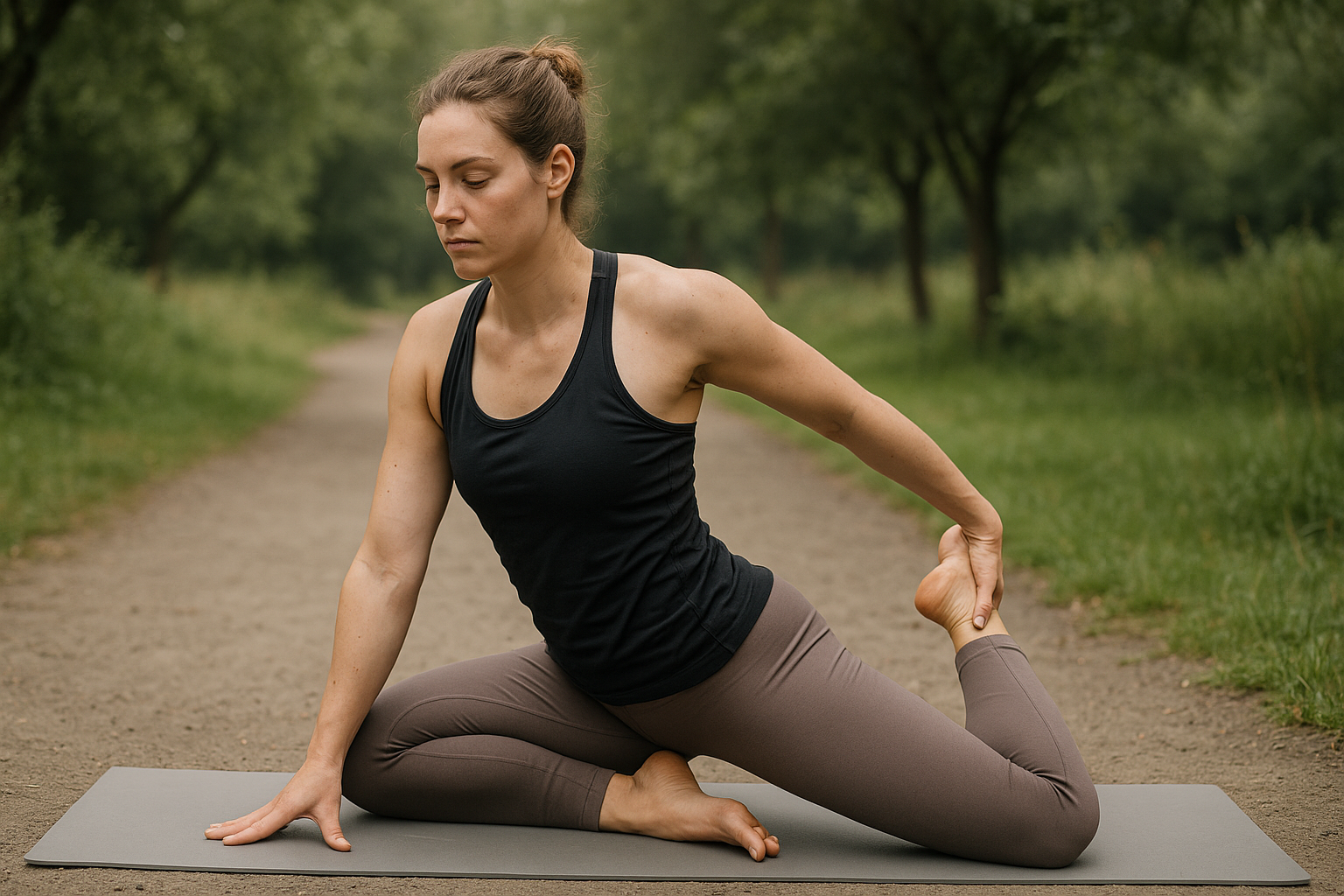
Mobility training for beginners is becoming increasingly popular as more adults recognize the importance of moving well, not just more. Unlike traditional stretching routines that primarily focus on elongating muscles, mobility exercises emphasize improving the body’s ability to move with control, strength, and efficiency through a joint’s full, functional range of motion. For adults seeking safe, practical guidance, a structured mobility routine is crucial for daily function, exercise performance, and long-term health.
What Mobility Training Means
Mobility training refers to purposeful exercises that target how well your joints and muscles work together during movement. Rather than isolating single muscle stretches, mobility drills blend movement, flexibility, and strength. Practically, this could be moving your hip through circles, combining a squat with a reach, or performing gentle balance work. The evidence, including findings from multi-component programs like the Safer Cycling in Older Age (SiFAr) study, shows that such targeted, progressive training helps adults improve real-world movement skills, which translates to fewer errors in daily activities and potentially reduced injury risk (SiFAr Trial).
Mobility Versus Flexibility
While flexibility is the ability of a muscle or muscle group to lengthen passively through a range, mobility is about your body’s ability to move actively through that range. For example, you may be able to touch your toes while seated (flexibility), but mobility is demonstrated by being able to bend over and pick something up using your hips, knees, and core in a controlled motion. Evidence from group-based programs for older adults suggests that incorporating both dynamic mobility and flexibility moves supports better function than static stretching alone (Healthy Mind, Healthy Mobility Trial).
Assessing Your Starting Point
Before beginning a mobility program, evaluate your baseline. For beginners, a few simple checks include:
- Can you squat to a chair without losing balance?
- Are your shoulders able to reach overhead comfortably?
- Do you notice stiffness performing daily tasks (e.g., tying shoes, reaching behind)?
Practical Exercises
Mobility routines should address all major joints and movement patterns. For beginners, a blend of dynamic and static movements is best:
- Cat-Cow (spine mobility): Move between arching and rounding your back on hands and knees.
- Hip Circles: Stand and make slow, controlled circles with each knee raised.
- Ankle Rocks: In a half-kneeling position, gently drive the knee forward over the toes, then back.
- Shoulder Rolls and Reaches: Roll the shoulders forward and backward; then reach both arms overhead while standing tall.
- World’s Greatest Stretch: Step into a deep lunge, rotate your torso toward the front knee, raising the same-side arm overhead.
Sample Weekly Plan
Mobility training for beginners works best with short, frequent sessions—most evidence-based trials use 2–3 days per week but working up to daily practice can provide benefits without overwhelming joints. Here’s a practical example for a beginner:
| Day | Focus | Example Movements |
|---|---|---|
| Monday | Full-Body Mobility | Cat-Cow, Hip Circles, Ankle Rocks, Shoulder Reaches |
| Wednesday | Lower Body Mobility & Balance | Hip Openers, Deep Squat Holds, Heel-to-Toe Walking |
| Friday | Upper Body Mobility & Rotation | Shoulder Rolls, Torso Rotations, Arm Cross-Body Swings |
| Weekend | Active Recovery | Gentle walk, yoga, or light stretching |
Progression and Consistency
Consistent mobility training yields the best results. Evidence from steps-based and group mobility interventions in older adults demonstrates that participants who practiced regularly saw continued improvement not just in mobility, but also in related skills such as balance, coordination, and even cognitive function (Healthy Mind, Healthy Mobility Trial). As you progress:
- Increase range of motion gently, avoiding pain
- Add light resistance (such as bands) to some moves
- Combine movements: for instance, a squat with an overhead reach
- Challenge control: try balancing on one foot while moving your arms
Safety and Considerations
Mobility training is generally safe for healthy adults, with a low risk of injury compared to more intense exercise. However, consider:
- Move slowly—avoid bouncing or forcing a joint past its current comfort
- If you have a history of joint replacement or significant orthopedic issues, consult a healthcare provider before starting
- Cease the exercise if you experience sharp pain, swelling, or instability
- Progression should be gradual, respecting individual limits
FAQs
What is mobility training?
Mobility training consists of exercises that improve how well your joints and muscles move together through their full, practical range, supporting better function and reduced risk of injury.
How is it different from stretching?
Stretching usually focuses on lengthening muscles, while mobility training integrates movement, strength, and joint control for enhanced real-life movement abilities.
How can beginners progress?
Start with gentle, simple movements for all major joints, then gradually increase difficulty, range, or coordination demands as your comfort and control grow.
References
- The Healthy Mind, Healthy Mobility Trial: A Novel Exercise Program for Older Adults.
- Safer cycling in older age (SiFAr): effects of a multi-component cycle training. a randomized controlled trial.
Affiliate disclosure
This article does not contain affiliate links. FitnessScopes articles are independently researched and referenced for reader transparency.