What Is How to Track Workout Progress?
Understanding how to track workout progress involves systematically monitoring various aspects of your fitness journey. This can include measuring changes in strength, endurance, flexibility, and overall physical performance. By keeping detailed records, individuals can identify trends, make informed adjustments to their routines, and stay motivated.
Why It Matters
Tracking fitness progress is essential for several reasons. It provides tangible evidence of improvement, which can enhance motivation and adherence to a workout regimen. Additionally, it allows for the identification of effective strategies and areas that may require modification. Research suggests that individuals who monitor their progress may experience greater success in achieving their fitness goals.
Key Principles
Effective tracking of workout progress is guided by several key principles:
- Consistency: Regularly recording data ensures that you have a comprehensive view of your progress over time.
- Specificity: Focus on specific metrics that align with your fitness goals, such as weight lifted, distance run, or time spent on a particular exercise.
- Realism: Set achievable goals and be mindful that progress may not always be linear; individual results vary.
Practical Considerations
When considering how to track workout progress, various methods can be employed. Here are some practical approaches:
- Workout Logs: Keeping a journal or digital log of your workouts can help track exercises, sets, reps, and weights.
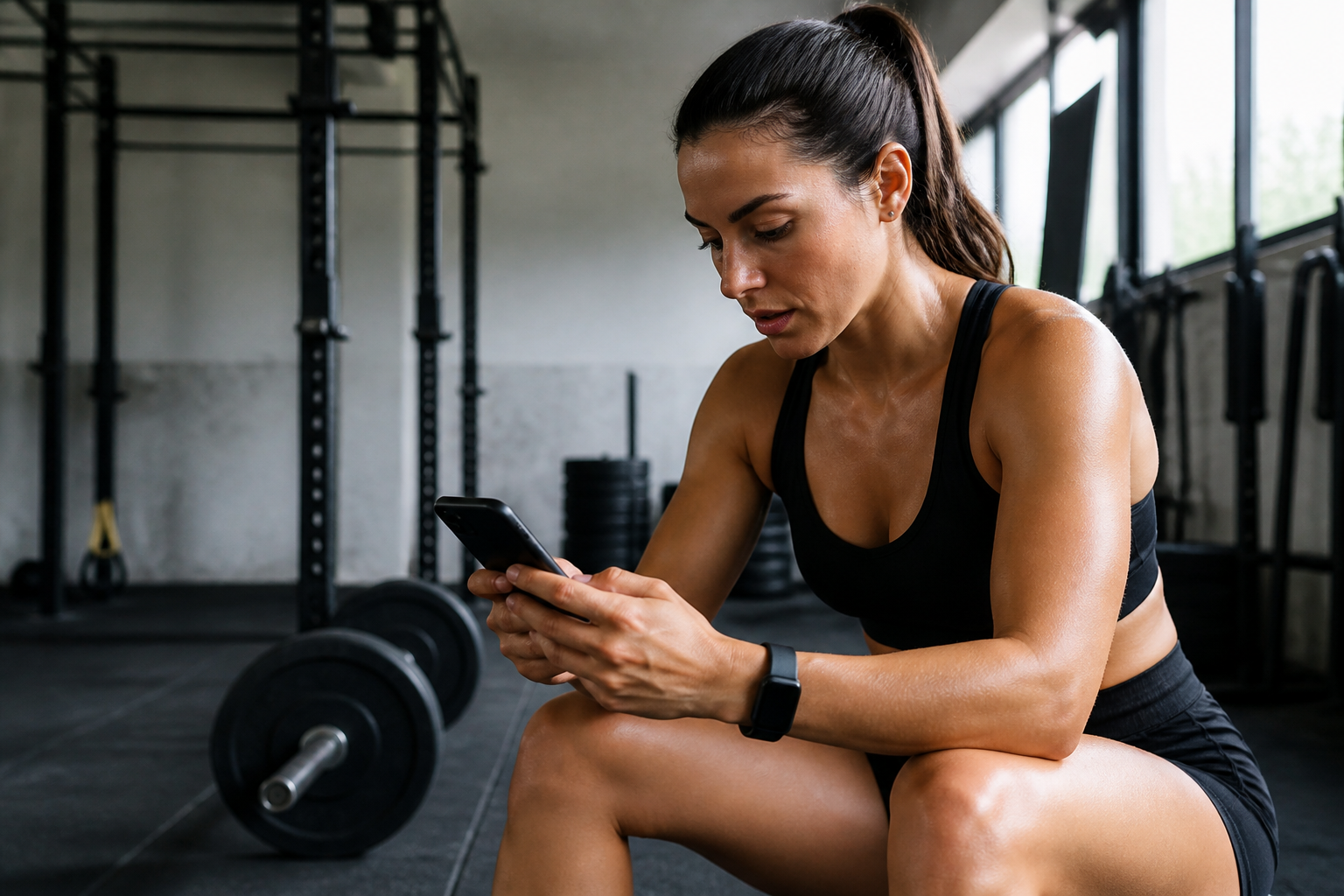
- Performance Metrics: Use fitness apps or devices to monitor metrics such as heart rate, calories burned, and workout duration.
- Body Measurements: Regularly measuring body circumference (e.g., waist, hips) and taking progress photos can provide visual evidence of changes.
- Fitness Tests: Periodically performing standardized fitness tests (e.g., 1-mile run, push-up test) can help assess improvements in strength and endurance.
Frequently Asked Questions
What should be tracked during workouts?
During workouts, it may be beneficial to track various elements such as the type of exercise performed, the duration of the workout, the intensity level, the number of sets and repetitions, and any personal notes regarding how you felt during the session. This comprehensive approach can provide insights into your performance and recovery.
How can progress be measured beyond body weight?
Progress can be measured in several ways beyond body weight. Metrics such as strength gains (amount of weight lifted), endurance improvements (time taken to complete a distance), flexibility (range of motion in stretches), and overall fitness levels (performance in fitness assessments) can provide a broader view of your fitness journey.
How often should progress be reviewed?
Reviewing progress should ideally occur on a regular basis, such as every 4 to 6 weeks. This timeframe allows for sufficient data collection to identify trends while also providing the opportunity to make necessary adjustments to your workout routine. However, personal preferences and specific goals may influence how frequently one chooses to review their progress.