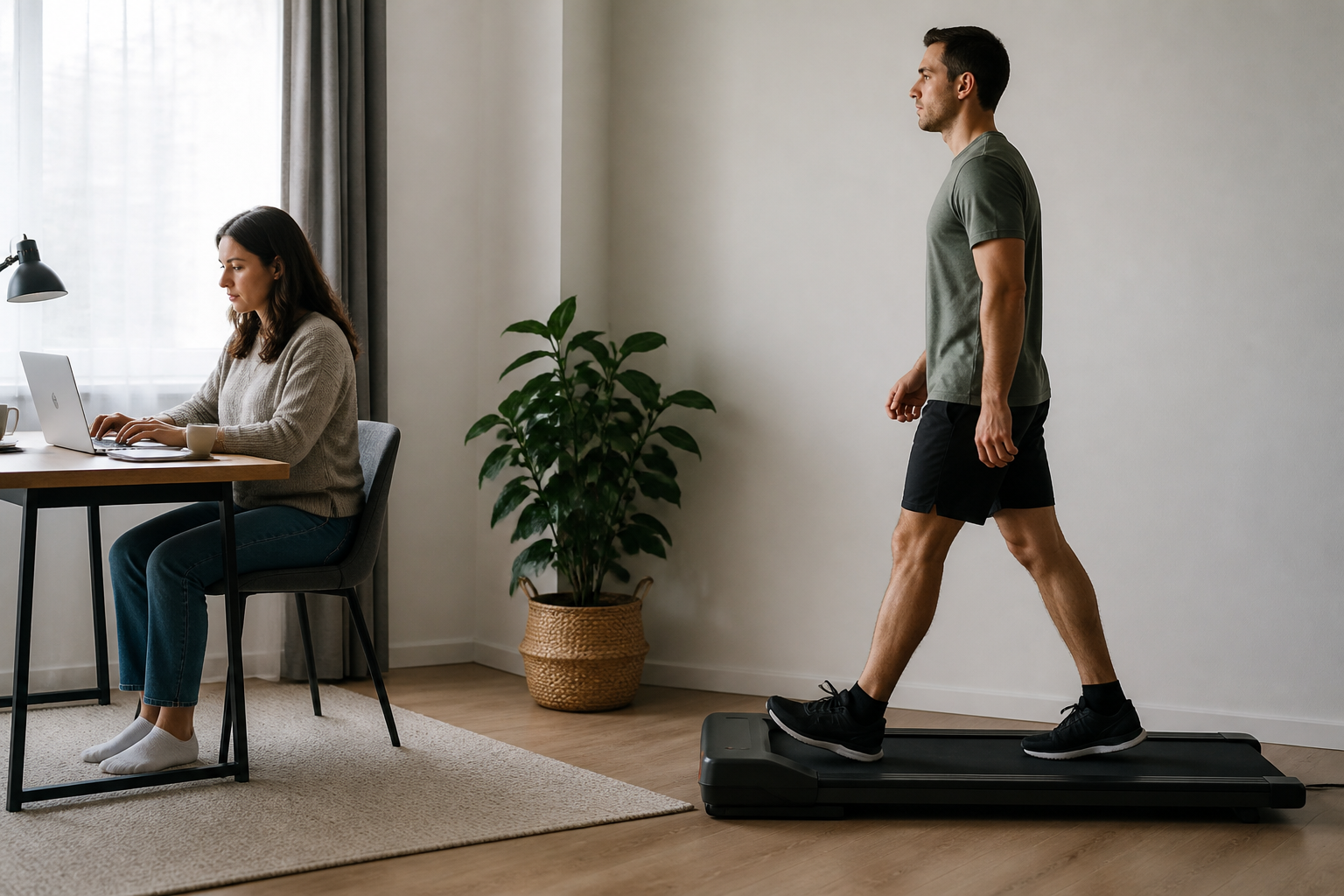
Comparing exercise equipment for the home can be daunting, especially when faced with newer options like walking pads and more traditional foldable treadmills. The query walking pad vs foldable treadmill uk reflects growing interest in compact, versatile machines suited to limited space and modern lifestyles. Here, we explore the essential differences, key specifications, safety considerations, purchasing advice, and limitations based on available official evidence and consumer needs. Whether you are seeking to meet physical activity guidelines or optimise your investment, this guide helps UK-based and broader English-speaking buyers make informed, responsible choices.
Product category overview
Both walking pads and foldable treadmills are compact indoor exercise solutions designed for convenience and versatility. A walking pad is an ultra-slim, typically motorised treadmill, generally lacking an upright frame and intended mainly for slow to moderate-paced walking. Units are typically lightweight, portable, and can slip under furniture, catering to users who value easy storage or plan to pair their walking with activities like working at a standing desk.
Foldable treadmills—while also space-friendly—feature a more substantial running deck, support structures (like handrails or consoles), and can accommodate faster walking or running. When not in use, they fold upright or flat to save space. UK buyers will find models targeting urban apartments, family homes, and those wishing for a gym-like experience at home without permanent equipment installation.
Physical activity on either type helps combat sedentary behaviour, with benefits documented by national bodies like the NHS and international authorities such as the WHO, who emphasise that any movement is better than none and encourage adults to exceed 150 minutes of moderate activity per week (NHS) (WHO).
Evidence and specification comparison
When analysing walking pad vs foldable treadmill uk options, buyers should start with verifiable specifications relevant to their exercise routines:
- Speed range: Walking pads typically offer maximum speeds of 6-7 km/h (3.5-4.5 mph), suitable for brisk walks but not jogging. Foldable treadmills can range from 1 km/h up to 16 km/h (10 mph), accommodating light running.
- Deck length and width: Walking pads are shorter (often under 120 cm/47 in long), best for walking strides. Foldable treadmills offer longer, wider decks (up to 140-150 cm, 55-59 in), needed for safe running and taller users.
- Weight limit: Both machines list maximum user weights (commonly 100-120 kg, 220-265 lbs), but check the manufacturer’s label for your specific needs.
- Motor power: Walking pads may use compact, quieter motors (about 1.0-1.5 HP continuous duty), whereas foldable treadmills tend to offer more powerful motors to support higher speeds and inclines.
- Incline: Many walking pads provide no incline; foldable treadmills often offer manual or electronic incline options (up to 10% or more for intense workouts).
- Console and tracking: Entry-level walking pads may offer only a simple display or basic remote; foldable treadmills often feature more sophisticated screens and connectivity for fitness tracking.
- Noise: Walking pads are quieter due to lower speed and smaller motors, suitable for shared flats or night use.
Labelling accuracy, conformity with UKCA or CE certification, and a reliable warranty are key for consumer confidence. Specifications must be verified by the retailer or manufacturer, never assumed from indirect online listings.
Safety and suitability
Safety should be a priority in any home exercise machine purchase, especially in homes with children, pets, or older adults. Foldable treadmills and walking pads differ here:
- Stability: Walking pads, though low to the ground, may lack grab handles or support rails, posing greater fall risk for less steady users. Foldable treadmills often come with handrails and emergency stop clips.
- Automatic stop: Foldable treadmills often include safety keys and quick-stop functions; walking pads may rely solely on manual power-off or remote control, so consider accessibility in an emergency.
- Noise and Vibration: Walking pads produce less noise but may transfer more vibration to thin floors, impacting multi-storey flats. Foldable treadmills—with additional shock absorption—generally provide more comfort and less vibration.
Compatibility with the user’s fitness level is crucial. Walking pads suit those who need to meet daily step or light activity goals, including during work-from-home hours. However, running or higher-intensity training requires a foldable treadmill. International guidelines from the WHO and the NHS stress progressive increases in intensity and regularity for maximum health benefit, for example, aiming for moderate aerobic activity several times a week alongside strength training (WHO).
Buyer checklist
- Purpose: Is your main goal steady walking, brisk walking, or running? Choose speed and deck length accordingly.
- Space: Measure available floor and storage areas. Does the device fit beneath furniture or in a cupboard when not in use?
- User needs: Consider mobility, balance, weight, and height. Look for support rails and verified maximum user specifications as required.
- Specifications: Review motor size, speed range, incline capability, console functions, and warranty. Confirm these details via official manufacturer documentation, not only online descriptions.
- Safety features: Prioritise models with reliable emergency stop mechanisms, non-slip decks, and, if needed, child locks.
- Certifications: Ensure UKCA mark (Europe/UK) or other relevant CE/UL certifications for electronics and safety.
- Warranty and aftersales: Verify warranty conditions and the availability of local support or parts in your region.
Factor in warranty length, parts availability, and manufacturer reputation when calculating long-term value—not just initial cost. Many suppliers provide 12-24 month warranties; check the fine print for what is covered and restrictions on domestic versus professional use.
Limitations and caveats
Neither walking pads nor foldable treadmills are universally superior; the best choice depends on user profile, home setup, and fitness goals. Walking pads excel in portability and ease of storage but may not meet the needs of all users (especially runners or heavier individuals). Foldable treadmills allow more versatile workouts but require more setup, space, and can be heavier and costlier.
It’s important to consider physical limitations or balance issues, as some users may need additional stability. Noise, floor vibration, and assembly requirements also vary by model. Always read instructions carefully, register warranties, and follow advice on duration for safe use—official guidance for healthy adults is not a guarantee of medical suitability for all. Consult a health professional before starting any new exercise regime, especially if you have underlying health conditions.
Regular exercise remains a key public health goal; equipment choice should be seen as a means to achieving the recommended 150+ minutes of moderate physical activity weekly, not as an end in itself (NHS).
FAQs
Which verifiable specifications matter most in the UK?
Key specifications include maximum speed, deck size, user weight limit, motor power, incline options, safety features, noise level, and valid UKCA or CE certification. Always check manufacturers’ documentation and warranty conditions.
What are the main safety and compatibility limitations?
Walking pads lack handrails and are less suited for those with balance or mobility issues. Foldable treadmills are heavier and take more space, but usually provide better safety features. Both need to match user weight and intended intensity.
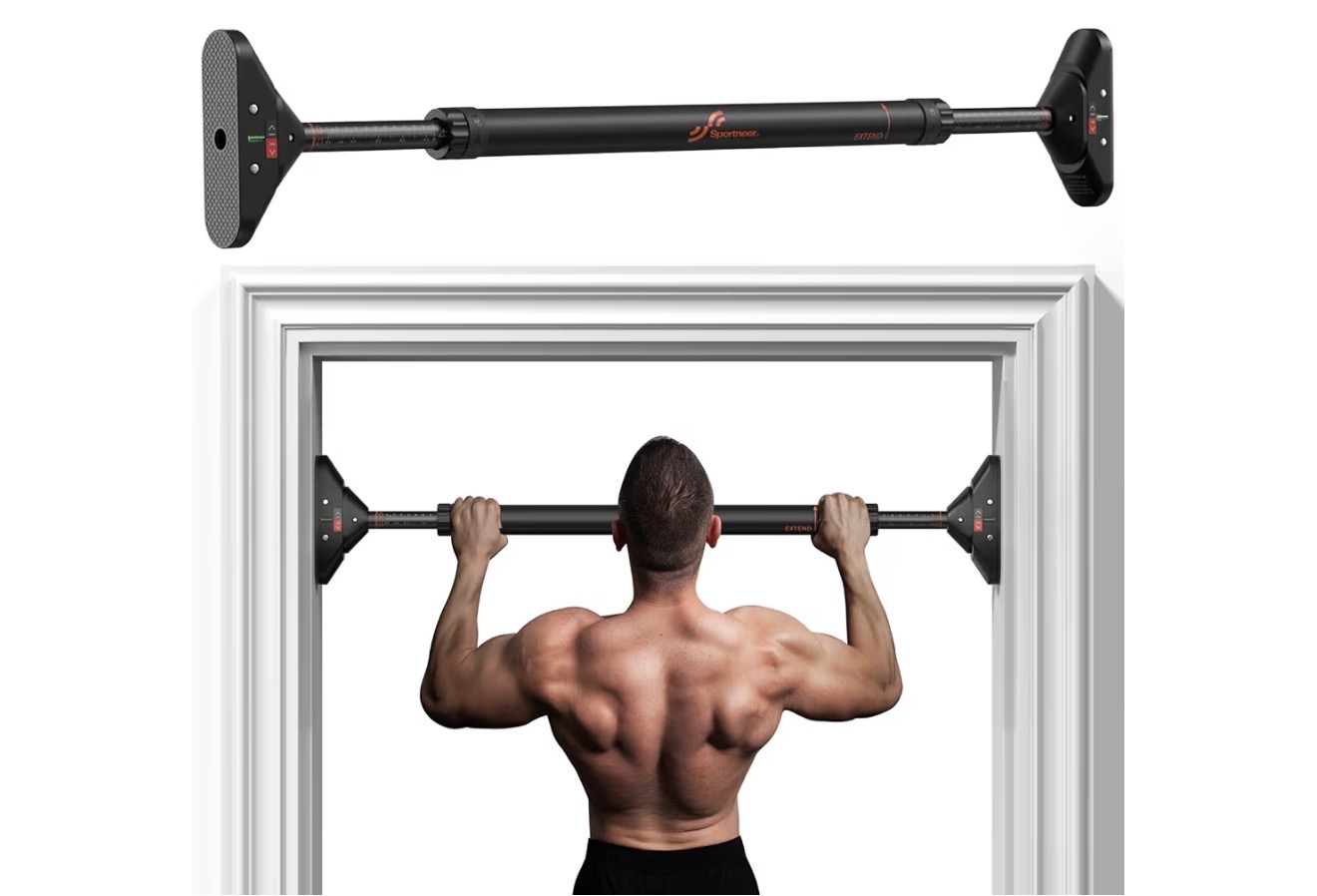
Doorway pull-up bar
A doorway pull-up bar for upper-body training. Check doorway compatibility, installation instructions and maximum supported load before use.
Check price on Amazon
See the current price and availability on Amazon before ordering.
Affiliate link. We may earn a commission at no extra cost to you.
How can buyers compare warranties and value?
Compare warranty duration, service coverage, and manufacturer support in your location. Value comes from matching features, user needs, certification, and aftersales reliability—not just cheapest upfront price.
What features should different users prioritise?
Casual walkers or those with limited space benefit from lightweight, storable walking pads. Runners, taller, or heavier individuals require a foldable treadmill with higher speeds, longer decks, and robust safety rails.
References
Affiliate disclosure: This page contains informational content only and does not promote or link to any specific product for purchase.
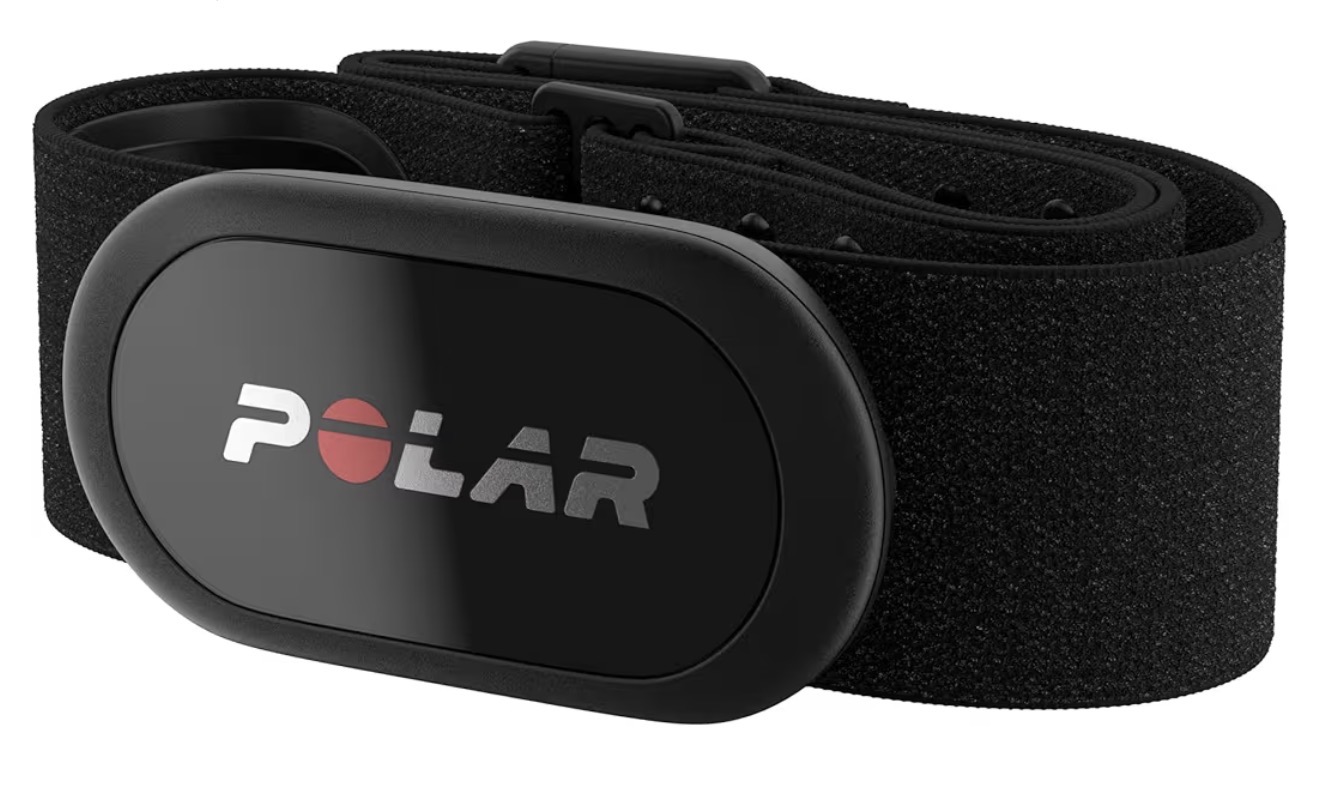
Heart-rate chest strap
Chest-strap heart-rate monitors track heart rate during exercise using a strap-mounted sensor. Compatibility with a watch or app depends on Bluetooth or ANT+ support.
Check price on Amazon
See the current price and availability on Amazon before ordering.
Affiliate link. We may earn a commission at no extra cost to you.
Explore related equipment on Amazon
These are shopping options relevant to the equipment categories discussed, not independently tested or ranked recommendations. Check the exact model, features, delivery region and seller before purchasing.
Affiliate disclosure: As an Amazon Associate I earn from qualifying purchases. FitnessScopes may earn a commission if you buy through these links, at no additional cost to you.
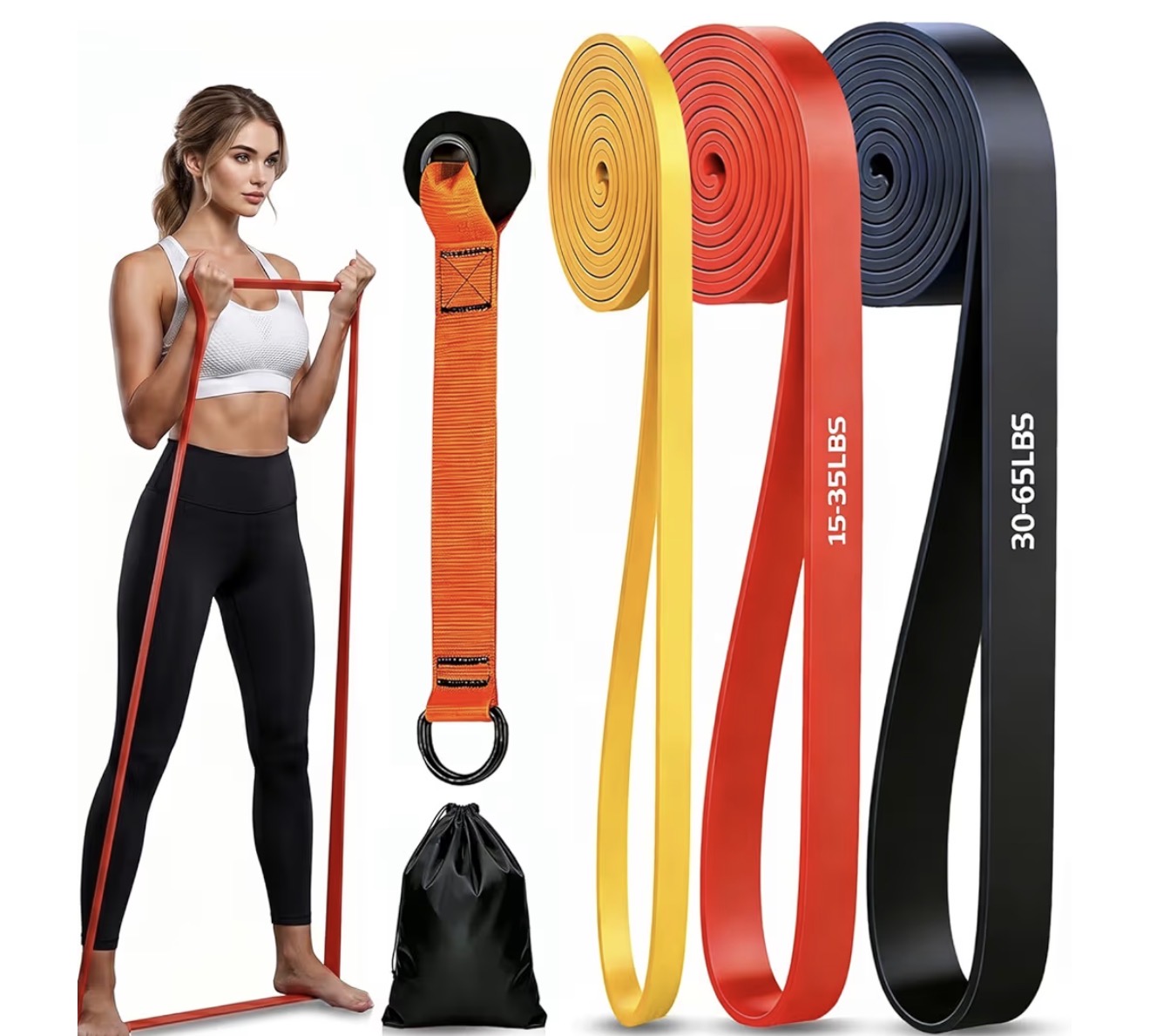
Resistance bands with door anchor
Door-anchor resistance-band kits enable pulling and pressing exercises by attaching elastic bands to a securely closed door. Attachment safety depends on correct anchoring.
Check price on Amazon
See the current price and availability on Amazon before ordering.
Affiliate link. We may earn a commission at no extra cost to you.