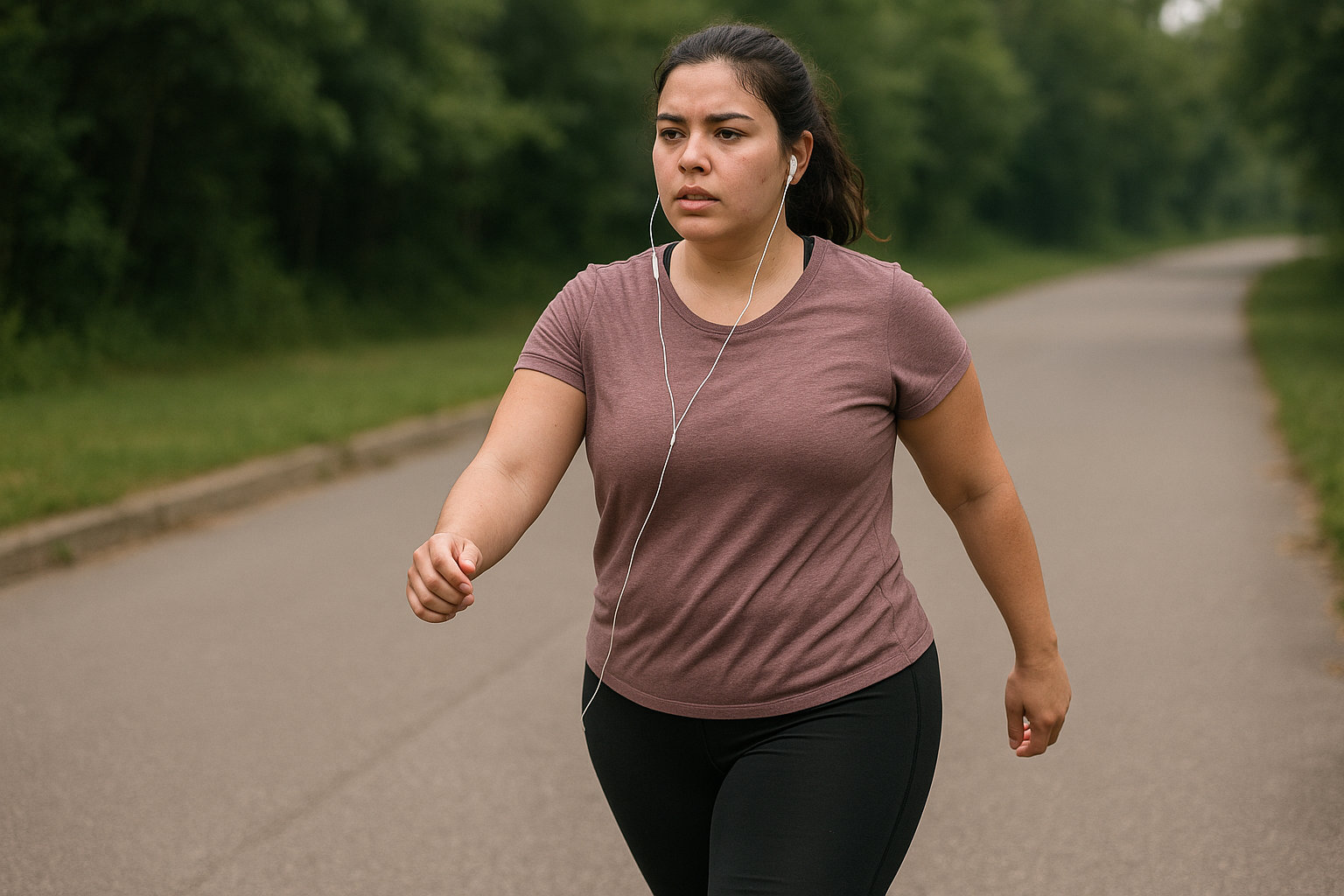
Starting a walking workout plan for beginners is one of the most accessible and sustainable ways to boost overall health and fitness. Walking requires no special equipment other than comfortable shoes and can fit into most lifestyles. Evidence shows that walking delivers meaningful physical and mental health benefits for adults of all ages, including improved cardiovascular health, reduced risk of chronic disease, and enhanced mood. With the right approach, beginners can safely build a consistent walking habit, avoid common pitfalls, and adjust the routine to suit personal ability and goals.
Overview
Walking stands out as a simple and effective introduction to physical activity. Both the World Health Organization (WHO) and the UK National Health Service (NHS) promote brisk walking as a key component of recommended weekly exercise for adults (NHS Walking for Health) (WHO Physical Activity Factsheet). Beyond physical fitness, walking regularly can support weight management, ease stress, and foster social connections. Unlike high-impact workouts, walking causes minimal joint strain, making it suitable for those just starting or returning to exercise after a break.
Who this is for
This guide is designed for adults in the United States, United Kingdom, and similar settings who are new to structured exercise or have struggled to maintain a regular activity routine. It’s especially appropriate for those with sedentary lifestyles, individuals managing chronic conditions (with healthcare provider approval), or anyone seeking a gentle, effective introduction to improving their health. Beginners of all ages and physical abilities can benefit, as walking is highly adaptable and can be performed at different paces, distances, and environments to suit individual needs and preferences.
Evidence and practical principles
International guidelines from both the NHS and WHO recommend adults aim for at least 150 minutes of moderate-intensity aerobic activity per week. Brisk walking—described as a pace where you can talk but not sing—meets this criterion. For beginners, the guiding principles include:
- Start low and go slow: If currently inactive, begin with short walks (5–10 minutes) and gradually increase duration.
- Consistency trumps intensity: Regular activity, even at lower intensities, provides significant health benefits.
- Progress over time: As fitness improves, increase the duration, frequency, or pace to continue making gains.
- Incorporate activity into daily life: Walking can be part of commutes, errands, or social routines to make it more sustainable (NHS).
- Listen to your body: Minor muscle soreness is typical when starting, but sharp pain or excessive fatigue signal the need to rest or seek advice.
Scientific evidence confirms that physical activity, including walking, reduces the risk of cardiovascular disease, diabetes, certain cancers, and depression (WHO). Even small increases in walking duration yield health benefits, especially for previously inactive adults.
Step-by-step approach
The following example plan provides a safe and manageable way for beginners to build a consistent routine. Modify days, duration, or pace based on your starting fitness level and lifestyle commitments.
| Week | Sessions per week | Walk Duration | Pace |
|---|---|---|---|
| 1–2 | 3–4 | 10–15 mins | Comfortable (conversation possible) |
| 3–4 | 4–5 | 15–20 mins | Steady, aim for brisk (can talk, not sing) |
| 5+ | 5–7 | 20–30 mins or more | Brisk (build up as able) |
Consider adding gentle hills or alternating brisk and easy intervals as confidence grows. The goal is to work towards the recommended 150 minutes per week, for example, 30 minutes most days. Tracking progress—using a smartphone app, pedometer, or calendar—can help maintain motivation. You can break walks into 10-minute segments spread throughout the day if needed (NHS Exercise Guidance).
Limitations and safety
While walking is generally safe and suitable for most adults, it’s important to recognise potential limitations. Beginners should wear supportive shoes, hydrate appropriately, and choose safe walking environments. Those with medical concerns (such as heart conditions, mobility limitations, or recent injury) should consult their healthcare provider before increasing activity. Weather, terrain, and personal safety should guide route selection. Gradual progression helps minimise the risk of sore muscles or overuse injuries.
Limitations of walking alone include lower impact for developing maximal cardiovascular fitness compared to jogging or cycling, and less direct benefit for muscle strength. The WHO recommends adding muscle-strengthening activities on two or more days a week for overall balance (WHO). Stay alert to signs of overexertion, such as severe breathlessness, chest pain, or dizziness, and stop immediately if they occur.
Common questions
How fast should I walk for health benefits?
The NHS suggests brisk walking means you can talk but not sing. There’s no need to push to exhaustion—moderate intensity is effective and sustainable.
Can I break up my daily goal into shorter walks?
Yes. Short walks of at least 10 minutes can be accumulated throughout the day to reach your overall weekly target. Three brisk 10-minute walks a day can be as effective as one 30-minute walk.
What if I miss a day?
Consistency is key, but missing a day is not a setback. Resume your walking plan as soon as possible. Focus on making walking a regular and enjoyable part of your week.
Is walking enough to meet physical activity guidelines?
Brisk walking alone can meet the aerobic portion of guidelines, but combining it with resistance or strength activities is best for overall health, as recommended by both WHO and NHS.