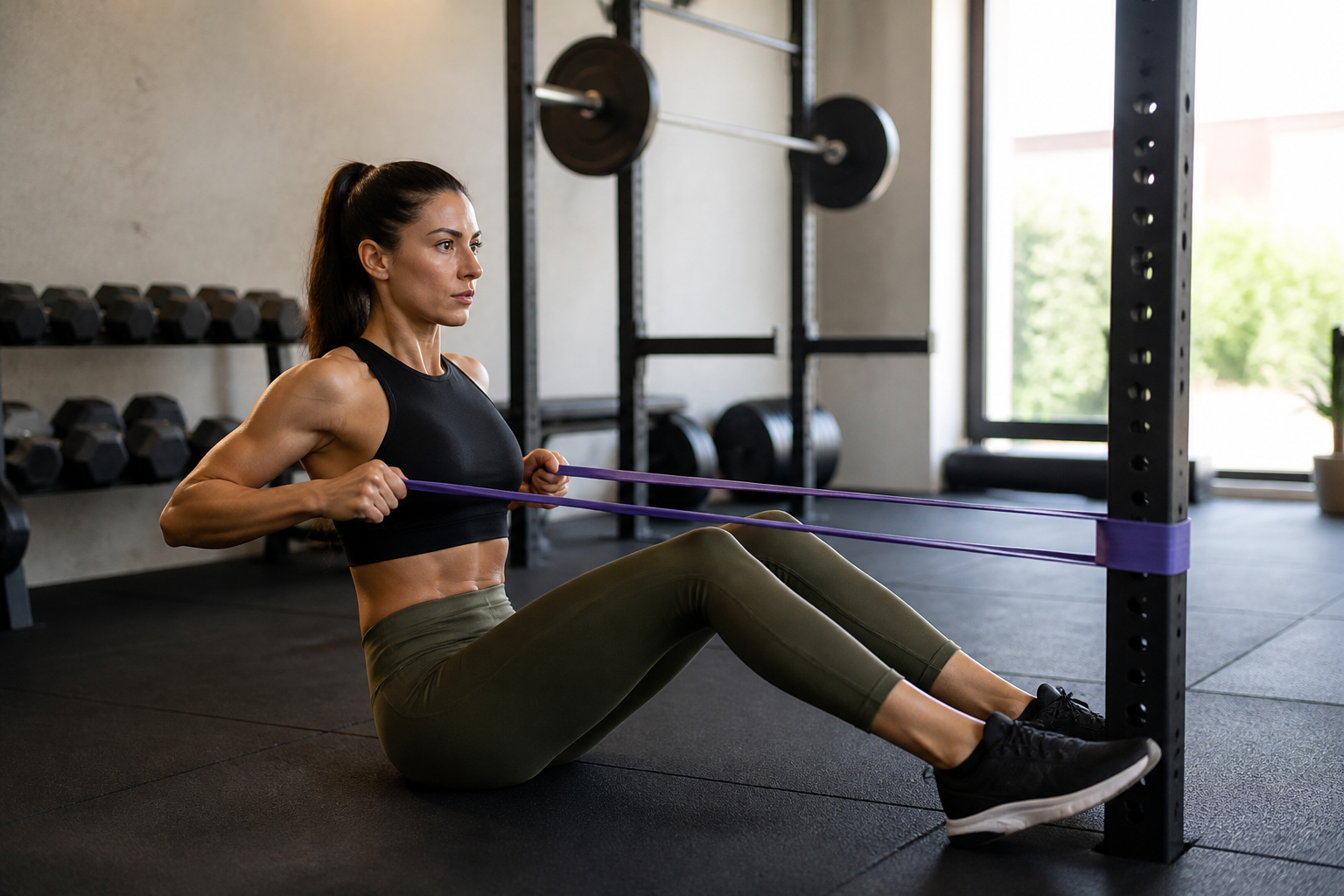
Choosing the right tools for building strength at home or in the gym can be confusing. The debate around resistance bands vs dumbbells for strength training often centres on effectiveness, safety, space, and adaptability to different fitness levels. Both are widely recommended by health authorities and can help adults meet World Health Organization (WHO) and NHS guidelines to perform muscle-strengthening activities at least twice per week (NHS), (WHO). But practical differences matter when it comes to buying the best option for your goals, budget, and space. This article compares resistance bands and dumbbells across key features: evidence-based effectiveness, safety, manufacturer design, and product selection essentials.
Evidence-based feature comparison
Both resistance bands and dumbbells enable effective strength training and contribute to improved muscle health at any age. According to the UK NHS, exercises such as biceps curls, squats, or leg extensions can be performed with either bands or weights. WHO guidelines reinforce that muscle-strengthening activities—including band and weight exercises—benefit overall health and reduce risk of chronic disease (WHO).
Resistance bands are elastic bands that provide tension throughout a range of motion. They enable variable resistance—the tension increases as the band is stretched. Studies not quoted here have found comparable strength improvements in healthy adults using bands when the band tension is set appropriately for the exercise. Bands can adapt to most ability levels and are easy to progress by shortening the band, increasing repetitions, or using a thicker band.
Dumbbells, by contrast, supply fixed resistance governed by their weight (for example: 2kg/4.4lb, 5kg/11lb, etc.). This fixed, externally loaded challenge is familiar in gyms and home setups. Adjusting difficulty requires changing the dumbbell weight.
- Both tools engage muscles through a full range of motion.
- Bands can better mimic functional or sport-specific movements, as resistance varies dynamically.
- Dumbbells offer more stability for traditional lifts and allow precise progressive overload, which is essential in some strength phases.
- Dumbbell-based training may provide more stimulus for maximal strength gains in intermediate and advanced users due to the ability to load heavily (e.g., Olympic lifting, powerbuilding), but for general health, both suffice per public health guidance.
For beginners or those with limited space or joint concerns, resistance bands may offer a lower barrier to entry. Dumbbells are more versatile for free-weight routines and advanced strength work. Neither tool is universally superior; both can meet WHO and NHS recommendations for twice-weekly strength training.
Safety and limitations
Muscle-strengthening activities—including resistance bands and dumbbells—are considered safe for most adults when performed correctly and progressed gradually, per the NHS. The WHO encourages people to find enjoyable ways to meet physical activity targets and notes that muscle strengthening benefits everyone, regardless of age (WHO).
Resistance band safety:
- Risk of the band snapping or slipping if the band is old, damaged, or anchored unsafely.
- Low impact on joints and easy to control force makes them suitable for older adults and rehabilitation settings.
- Users should check bands for signs of wear, anchor securely, and avoid overstretching (most bands are safe to stretch up to twice their length, check manufacturer advice).
Dumbbell safety:
- Risk of dropping the weight on oneself, especially at higher loads or when fatigued.
- Fixed weights require careful progression; too heavy a load can increase injury risk, especially for beginners.
- Grip fatigue and wrist strain may occur if dumbbells are too large or heavy.
For both tools, using correct form, starting with manageable resistance, and progressing steadily are essential. The NHS advises gradually increasing repetitions or resistance and taking care to use controlled motions, highlighting safety and injury prevention as key. If in doubt or recovering from injury, consult a qualified professional before beginning a new routine.
Manufacturer specifications
Understanding manufacturer specifications can maximise safety and satisfaction when buying resistance bands or dumbbells for home use.
Resistance bands:
- Material: Commonly made from latex or latex-free synthetic rubber. Latex bands can cause allergic reactions in some users, so check for hypoallergenic alternatives if sensitive.
- Resistance range is specified (e.g., light, medium, heavy or in kg/lb equivalents for the amount of force offered when stretched to a certain length).
- Design: Flat bands, loop bands, or tube bands with handles. Tube bands may include carabiners, handles, or door anchors.
- Durability: Genuine brands provide tested maximum stretch length or cycles before deterioration. Always follow cleaning and storage guidance.
Dumbbells:
- Material: Typically solid metal (iron, steel, sometimes rubber-coated for floors and noise reduction).
- Weight increments: Fixed-weight or adjustable sets. Fixed dumbbells are more convenient for drop sets, while adjustable ones save space and cost.
- Grip: Knurled (textured) or rubberised for grip security. Small hands may prefer slimmer handles.
- Shape: Round or hexagonal; hex stops rolling on home floors.
Regardless of product, buy only from reputable merchants and review provided specifications for compatibility with your space, use-case, and any allergy concerns.
Product-selection checklist
Choosing between resistance bands and dumbbells for strength training depends on your personal needs, space, goals, and any physical limitations. Use this evidence-based checklist to support your decision:
- Space: Bands require minimal storage space; dumbbells (especially sets) can be bulky. Adjustable dumbbells provide a middle ground.
- Strength level: Complete beginners or those returning from injury may prefer the gentle start and lower load of bands. Advanced lifters needing maximal load may require heavy dumbbells.
- Budget & scalability: Bands usually cost less than a set of dumbbells and are easily transported for travel or multi-room use. Adjustable dumbbells are more expensive initially but versatile.
- Preferred exercise types: Bands enable lateral movements, sport-specific drills, and mobility work. Dumbbells suit traditional free-weight lifts (press, row, curl) and some bodyweight progressions.
- Safety needs: Bands have low impact and low weight, appealing for older adults or joint problems. Dumbbells require more attention to form and grip but offer heavier loads.
- Maintenance: Clean and inspect bands for cracks. Wipe down and store dumbbells in dry conditions to prevent rust.
Both resistance bands and dumbbells are valid for building muscle and strength according to the WHO and NHS. Your best choice aligns with your ability, training needs, and environment.
FAQs
Are resistance bands as effective as dumbbells for strength training?
For general muscle strengthening and meeting public health goals, both resistance bands and dumbbells are effective, provided the resistance is challenging and exercises are performed with proper technique. Specific training goals, such as maximal strength for powerlifting, may require heavier dumbbells, but for health and mobility, bands and weights are interchangeable tools.
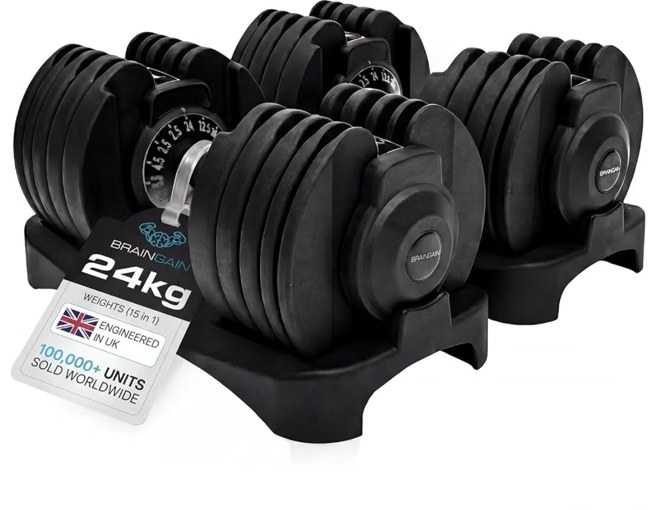
Adjustable dumbbells
Adjustable dumbbells for strength training at home. Check the seller listing for weight range, adjustment mechanism and dimensions before buying.
Check price on Amazon
See the current price and availability on Amazon before ordering.
Affiliate link. We may earn a commission at no extra cost to you.
Which is safer for home use: resistance bands or dumbbells?
Both are safe when used correctly. Resistance bands carry low impact and are less likely to damage floors or cause injury from dropping. Dumbbells, if dropped or used with poor form, can cause more acute injuries. Inspect bands before each use; store dumbbells safely to reduce risk.
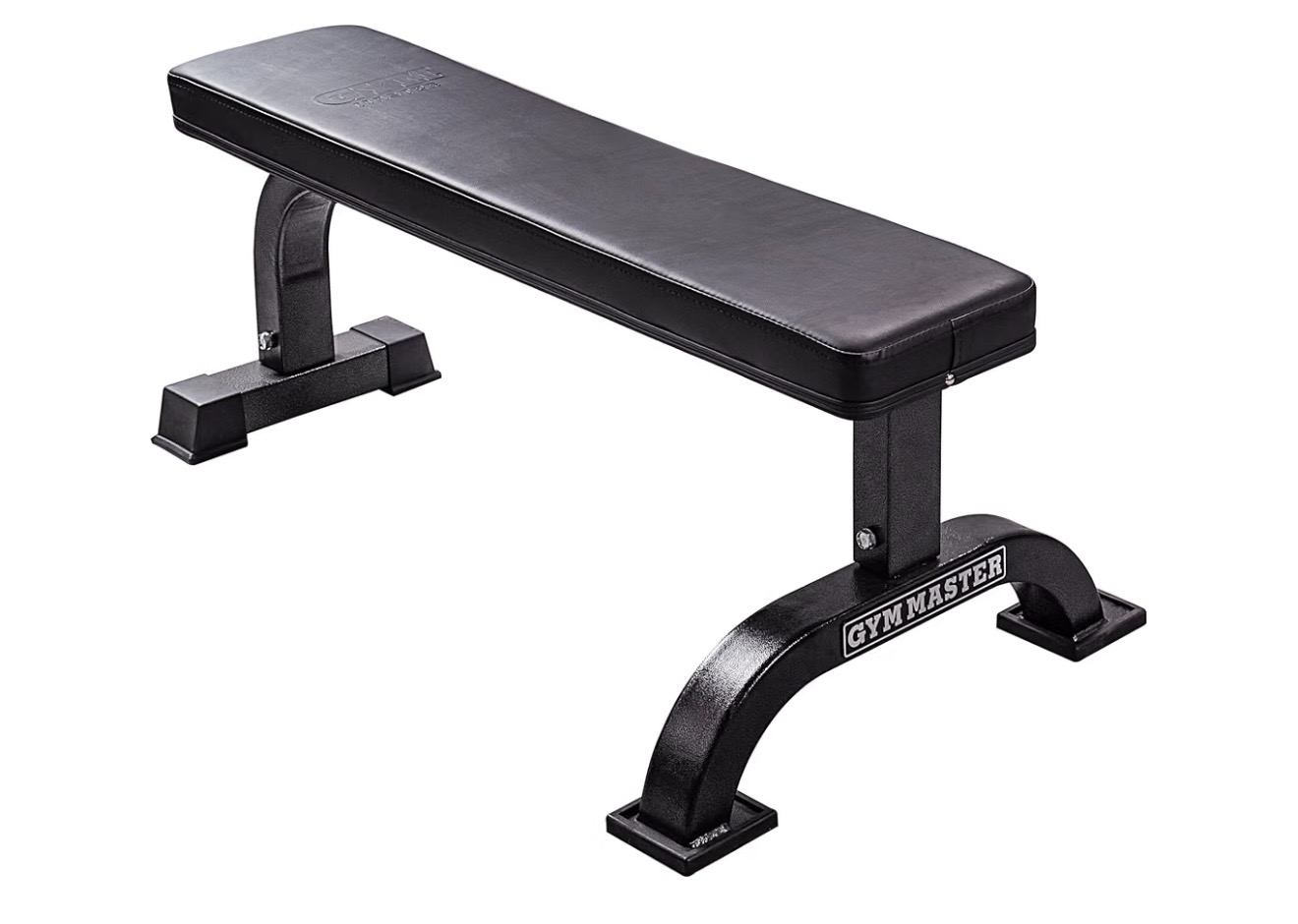
Flat weight bench
A flat exercise bench for home resistance training. Check the seller's maximum load rating, dimensions and assembly requirements.
Check price on Amazon
See the current price and availability on Amazon before ordering.
Affiliate link. We may earn a commission at no extra cost to you.
How do I know what resistance level or weight to buy?
For bands, choose a set that ranges from light to heavy tension to accommodate different exercises. For dumbbells, select pairs that allow 8–12 repetitions of an exercise with good technique. Adjustable dumbbells or a small range of weights offer added flexibility for progression.
References
Equipment suggestions are contextual category links rather than tested product recommendations. Availability may differ by region.
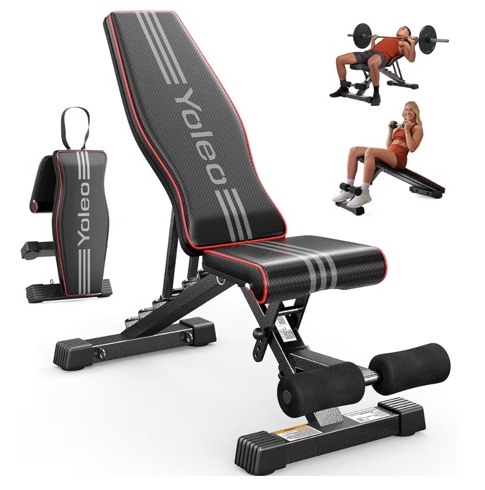
Adjustable weight bench
Adjustable weight benches support seated, flat and inclined resistance exercises depending on the bench positions. Check compatible loads and incline settings.
Check price on Amazon
See the current price and availability on Amazon before ordering.
Affiliate link. We may earn a commission at no extra cost to you.
Explore related equipment on Amazon
These are shopping options relevant to the equipment categories discussed, not independently tested or ranked recommendations. Check the exact model, features, delivery region and seller before purchasing.
Affiliate disclosure: As an Amazon Associate I earn from qualifying purchases. FitnessScopes may earn a commission if you buy through these links, at no additional cost to you.