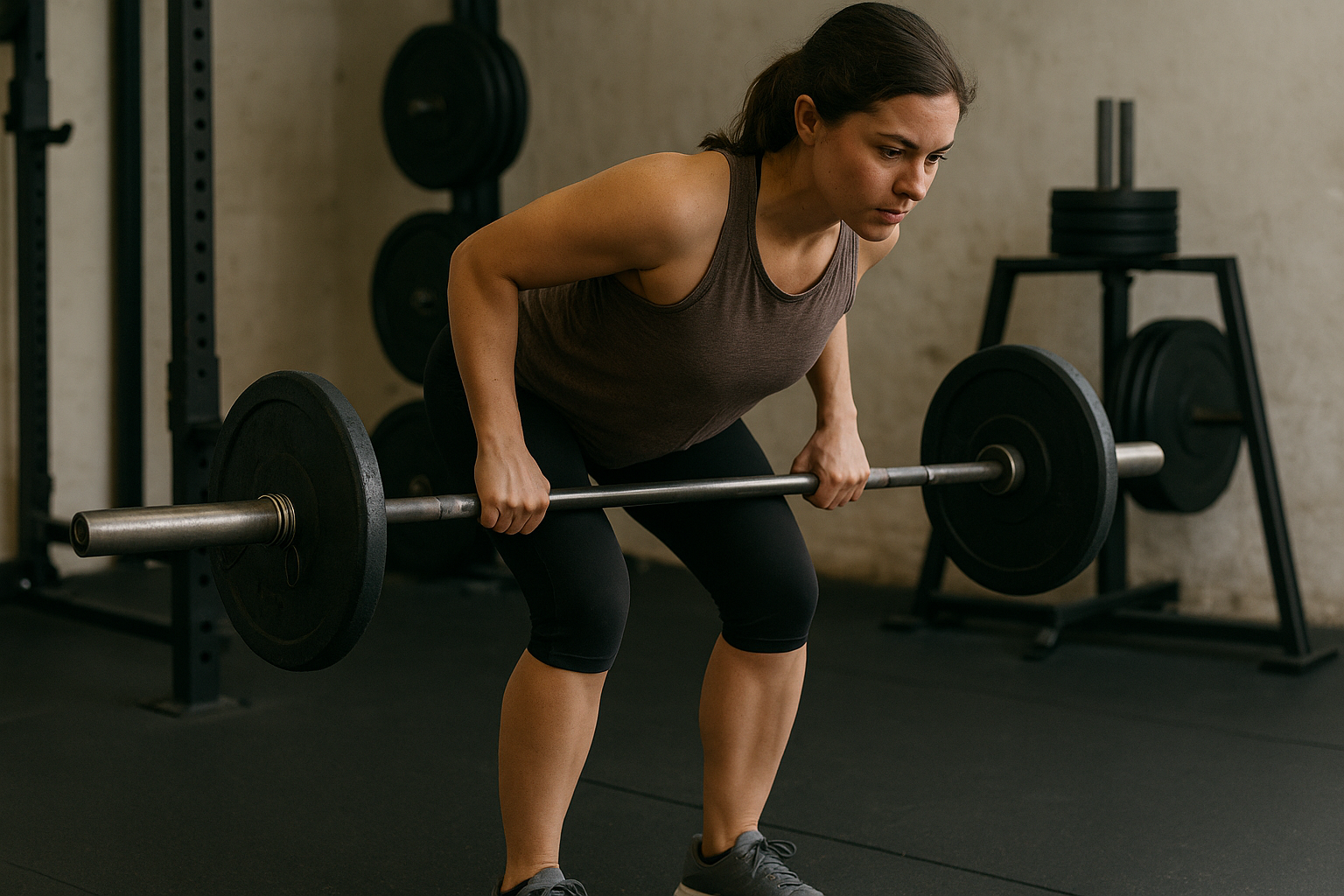
Tracking strength progress is a fundamental element of an evidence-informed fitness routine but is often misunderstood as requiring maximal effort testing, such as one-repetition maximum (1RM) lifts. In reality, there are numerous safe, practical, and informative methods for monitoring your strength development over time. This guide explores accessible strategies that focus on performance, movement quality, and well-being, all grounded in scientific evidence.
Why Track Strength
Consistent strength tracking helps you understand whether your fitness program is effective, supports motivation, and allows timely adjustment of your approach. Measurement is not about ego but about informed, continuous improvement across the lifespan. Research, especially in populations affected by muscle loss (sarcopenia), underscores the value of regular assessment for maintaining function and preventing decline in both everyday activities and athletic performance (Sarcopenia: Clinical evaluation, biological markers and other evaluation tools).
Performance tracking also acts as an early warning for excessive fatigue or poor recovery, which can signal the need for modifications in training volume or nutrition. Tracking can be as simple as recording weights used and repetitions completed or as detailed as using validated strength and function tests. Ultimately, the key is consistency and thoughtful interpretation of trends over time, not single-point measurements.
Repetitions and Load
One of the most direct methods of monitoring strength progress is logging the amount of weight (load) lifted and the number of repetitions performed in each set. Over weeks and months, a gradual increase in either weight or repetitions with good form is solid evidence of strength gain.
- Progression Examples:
- Bench press: If you progress from lifting 50 kg (110 lb) for 8 reps to 50 kg for 12 reps, or from 50 kg to 60 kg (132 lb) for 8 reps, you have become stronger.
- Squats: Noting increases in repetition maximums (e.g., the greatest weight you can comfortably lift for sets of 5 or 8) is a reliable marker.
- Practicality: You should strive to use identical depth and technique across sessions for the comparisons to be valid.
Unlike maximal strength testing (such as 1RM), tracking repetition and load progress can be safely repeated weekly or biweekly without excessive risk (Maximal strength measurement: A critical evaluation of common methods).
Technique and Range of Motion
Strength is only meaningful if it is expressed through safe and controlled movement. Improvements in movement quality—such as deeper squats or controlled lowering in push-ups—signal neurological and muscular adaptation even if the external load does not change.
- Document range of motion: Record how far you can move each joint in a lift, e.g., touching chest to bar in a pull-up or squat depth relative to the thighs.
- Track technical milestones: E.g., maintaining balance in the lunge or minimized compensations (such as back arching in overhead lifts).
Comparisons should always be made with consistent movement standards to prevent inflated progress from superficial technique changes.
Effort and Recovery
Perceived effort—rated using tools like Rate of Perceived Exertion (RPE)—provides context for objective tracking. For example, if you can achieve the same sets and reps with a lower sense of strain, it often indicates improved strength or conditioning. Similarly, faster recovery times between sessions, less muscle soreness, or improved performance of ancillary tasks (like carrying groceries or climbing stairs) reflect meaningful functional progress.
- Monitor subjective fatigue: Document your energy, muscle soreness, or readiness to train before and after sessions.
- Note recovery benchmarks: Reductions in required rest days or improved ability to perform daily tasks can indicate adaptation.
These qualitative observations complement the raw numbers from strength training logs and can provide a more holistic view of progress, particularly for non-athlete populations (Tools in the assessment of sarcopenia).
Tracking Examples
- Training Log: Most commonly, you would use a physical notebook, spreadsheet, or app to consistently record exercise type, sets, repetitions, load, rest periods, and relevant notes (such as "form felt better today" or "fatigued").
- Functional Strength Tests: Periodic assessments, such as max reps in 60 seconds (e.g., push-ups, sit-to-stands), grip strength measurements, or timed chair stand tests can provide repeatable benchmarks (Sarcopenia: Clinical evaluation).
- Self-Assessment Checklists: Simple yes/no checklists for consistency of technique (e.g., “I reached full squat depth on all sets”).
- Photo or Video Records: Visual references to ensure your form and range stay consistent for honest comparisons.
Select a method that fits your context, resources, and training environment. Consistency is the most critical element in any tracking system.
Interpreting Plateaus
Temporary plateaus, when progress in load or reps seems to stall, are common during long-term strength training. These periods require careful interpretation. Not all lack of change is negative; it may signal the need for additional recovery, a change in the training stimulus (different exercises or rep/set schemes), or could reflect outside stressors like inadequate sleep or nutrition.
- Assess Other Forms of Progress: Are you moving with better control? Has your endurance or technique improved?
- Cycle Training Loads: Deliberate reduction (deloading) followed by renewed progression can break plateaus.
- Acknowledge Biological Limits: As people approach genetic or time-available limits, plateaus may become more frequent. Maintenance of progress can be an achievement in itself (Tools in the assessment of sarcopenia).
If a plateau persists for several training cycles despite varied approaches, consider consulting with a fitness professional for a programme review.
Safety and Considerations
Regular maximal strength testing with heavy singles is not required for most people and can carry a higher risk of injury, especially without supervision. Instead, submaximal tracking methods provide robust information with a lower risk profile.
- Always prioritise good form over increased loads, as technique breakdown can both obscure true progress and increase injury risk.
- For those with medical conditions or advanced age, functional tests (e.g., chair stands, grip strength) and qualitative tracking may offer better safety and relevance (Sarcopenia: Clinical evaluation).
- Consultation with health professionals is advised before significant increases in training intensity, particularly for new or returning exercisers.
Remember, progress plateaus or temporary regressions are normal. Patience, methodical tracking, and attention to holistic health (nutrition, sleep, stress management) support sustainable strength improvement.
FAQs
Which performance measures matter?
The most informative measures are those that combine external load (weight lifted), repetitions, movement quality, and functional test results (like chair stands or grip strength). Consistency in how these are measured is crucial for valid comparisons over time.
How often should progress be assessed?
For most adults, review performance every 2–4 weeks. This timeframe allows enough sessions for changes to emerge without being influenced by daily fluctuations. Functional tests and technique benchmarks can be repeated monthly.
Is 1RM testing required to track strength?
No. Reliable progress can be observed through increased reps with the same weight, higher submaximal loads, better technique, or improved performance on functional tests. Maximal testing is optional and carries more risk when unsupervised.
References
- Sarcopenia: Clinical evaluation, biological markers and other evaluation tools - PMC
- Tools in the assessment of sarcopenia - PMC
- Maximal strength measurement: A critical evaluation of common methods-a narrative review.
This article is for informational purposes and does not constitute medical or coaching advice. Always consult a professional for individualised support.