
Micronutrient deficiencies active adults are a genuine concern for people who exercise regularly and strive for good health. Active adults typically focus on training and macronutrient intake but may overlook vital vitamins and minerals. Micronutrient needs can increase with frequent exercise, loss in sweat, or dietary restrictions, creating risks of shortfall even for those eating well. This guide explains why active adults are at risk, outlines common deficiencies, covers signs to watch for, and, most importantly, shows how prioritising a food-first approach can maintain nutritional status. Relevant recommendations from both US and UK authorities are highlighted, with guidance on when supplement use may be justified.
Overview: Why Active Adults May Be at Risk
Physical activity is associated with numerous health benefits but also introduces distinct nutritional demands. While dietary guidelines suggest that a balanced diet typically provides enough micronutrients, several factors can place active adults at higher risk for deficiencies. These include increased metabolic demands, greater micronutrient losses through sweat and urine, and, in some cases, restrictive eating patterns such as vegetarian, vegan, or energy-reduced diets. According to the National Institutes of Health (NIH) Office of Dietary Supplements and the NHS, the majority of people should meet their needs through food, yet surveys reveal notable gaps among people who exercise or train regularly.
Recent research examining dietary recalls from 226 healthy, exercising adults highlighted underconsumption of several vitamins and minerals, with women at even greater risk than men. This suggests that, despite generally health-conscious eating patterns, some micronutrients may not be adequately obtained from the diet of active adults. Unaddressed, such deficiencies can affect energy, recovery, bone health, and immune function.
Most Common Deficiencies (Iron, Vitamin D, Calcium, etc)
Studies assessing micronutrient gaps in active adults consistently show that certain vitamins and minerals are most likely to be lacking. This may be due to increased requirements, dietary exclusions, or habitual dietary patterns that neglect specific nutrient-dense foods.
- Vitamin D: A leading deficiency in both the general and active populations. Since few foods naturally contain vitamin D, and sun exposure varies greatly by season and latitude, exercise does not reliably compensate for low exposure. Median intakes fell below estimated average requirements (EAR) for both men and women studied (Tinsley et al, 2026).
- Iron: Especially a concern for menstruating women and endurance athletes, since iron is lost via sweat, gastrointestinal microbleeds, and—uniquely for women—menstruation. Iron also plays roles in oxygen transport and energy production.
- Calcium: Critical for bone health and muscle contraction. Surveys show over half of physically active women have inadequate dietary intake (Tinsley et al, 2026).
- Folate and Magnesium: Frequently below recommended levels, especially in women. Magnesium is vital for muscle function and energy metabolism, while folate supports red blood cell formation.
- Vitamin C and Vitamin E: Both have antioxidant roles that may be involved in exercise recovery. Dietary shortfalls, especially of vitamin E in women, were reported.
Other potential concerns may include zinc, potassium, selenium and B vitamins for those on restricted diets. Deficiency rates may be higher in older malnourished populations but notable gaps exist even among healthy, exercising adults.
The US and UK have different units for micronutrient requirements (e.g., milligrams [mg], micrograms [μg or mcg], and International Units [IU]), but both emphasise the importance of meeting daily needs from food sources when possible (NHS).

EnduNAD
A multi-ingredient capsule supplement marketed around NAD+ support, containing botanical extracts, niacin and vitamin B6.
Checked 1 Nov 2026 · price may change; confirm shipping & taxes at the retailer.
Affiliate link. We may earn a commission at no extra cost to you.
Food First Strategies
The preferred approach for preventing deficiencies is to prioritise nutrient-rich foods. A varied, whole-food diet is more likely to provide the full spectrum of essential micronutrients, along with beneficial phytonutrients, fibre, and healthy fats. Some practical priorities include:
- Iron: Lean red meat, poultry, fish, lentils, beans, tofu, fortified breakfast cereals. Combine plant sources with vitamin C-rich foods (such as peppers or citrus) to improve absorption.
- Vitamin D: Oily fish (e.g., salmon, mackerel), egg yolks, fortified foods (including some milks, cereals, or spreads). Sunlight remains an important contributor during spring and summer in many regions, though intake from diet alone may be insufficient in winter or at higher latitudes.
- Calcium: Dairy foods (milk, cheese, yoghurt), calcium-fortified plant-based milks, tinned fish with bones, leafy greens (e.g., collard greens, kale—but not spinach, which is high in oxalates that limit absorption).
- Folate: Green leafy vegetables, beans, peas, fortified grains.
- Magnesium: Nuts, seeds, whole grains, leafy greens, some fish (e.g., mackerel, halibut).
- Vitamin C: Citrus fruits, strawberries, kiwi, peppers, broccoli.
- Vitamin E: Nuts, seeds, vegetable oils (such as sunflower, safflower, or wheatgerm oil).
For many active adults, planning meals to include a variety of whole grains, lean proteins, fruit, and vegetables is the surest route to good micronutrient status. Detailed nutrient content and recommended intakes for individual vitamins and minerals can be found from the NIH Office of Dietary Supplements and NHS. If in doubt, seeking tailored dietary advice from a registered dietitian or nutritionist may help identify achievable, food-based solutions.
Supplementation: When Is It Needed?
Although food should remain the first line approach, there are circumstances when supplements become appropriate for active adults:
- Diagnostic Deficiency: Supplements may be medically recommended if a blood test identifies a clinical deficiency (such as iron or vitamin D).
- Limited Sun Exposure: In the US and UK, official guidelines recommend all adults consider a daily vitamin D supplement during winter months, as sunlight may be insufficient for adequate synthesis.
- Dietary Restrictions: Strict vegans, vegetarians, or people with significant food intolerances may require supplemental B12, iron, calcium, or other nutrients depending on intake and blood results.
- High-Risk Individuals: Some athletes with very high energy expenditure, disordered eating, or those in weight-sensitive sports (e.g., dancers, runners) may struggle to meet needs with diet alone.
When considering supplements, it is essential to use evidence-based products, adhere to recommended dosages, and preferably consult with a healthcare professional, especially for nutrients that can be toxic in excess (such as iron and fat-soluble vitamins). Both the NIH and NHS provide guidance on safe upper limits and product quality.
Summary and References
Active adults and recreational athletes face a real—if often overlooked—risk of micronutrient deficiencies. Deficiencies are most often found in vitamin D, iron, calcium, folate, magnesium, vitamin C, and vitamin E. Monitoring for warning signs such as fatigue, poor recovery, frequent illness, or impaired performance is important. For most, a well-planned, varied diet will meet micronutrient needs, but supplements are sometimes necessary, primarily when dietary intake and environmental factors render food sources inadequate. Reliable resources such as the NIH Office of Dietary Supplements and NHS offer clear, up-to-date guidance for making informed choices.
FAQs
Which micronutrient deficiencies are most common in active adults?
Common shortfalls include vitamin D, iron, calcium, magnesium, folate, and antioxidant vitamins such as C and E. Risks are often higher in women, those with dietary restrictions, or individuals with high training loads.
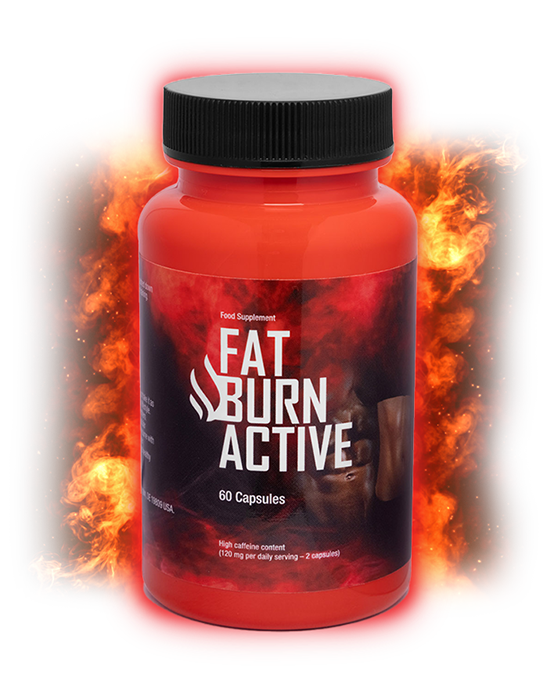
Fat Burn Active
Weight-management capsules containing green tea, guarana, caffeine and bitter orange extracts. Check stimulant content and safety before use.
Checked 1 Nov 2026 · price may change; confirm shipping & taxes at the retailer.
Affiliate link. We may earn a commission at no extra cost to you.
What symptoms or signs might indicate a problem?
Warning signs include persistent fatigue, poor exercise recovery, frequent illness, brittle nails or hair, muscle cramps, or bone pain. However, symptoms are often subtle and may overlap with non-nutritional causes. Diagnosis is confirmed only by appropriate clinical or laboratory assessment.
How can deficiencies best be prevented?
The best prevention is a well-balanced diet rich in whole foods—lean meats or legumes, varied fruit and vegetables, whole grains, dairy (or calcium-fortified alternatives), and adequate healthy fats. Supplements may be necessary for some, especially for vitamin D during winter or where dietary gaps are confirmed.
When could supplements be appropriate?
Supplements may be warranted when blood tests confirm a deficiency, when recommended (e.g., vitamin D in winter months in the US or UK), or if dietary intake is limited due to allergies, vegan diet, or specific medical conditions. Always follow professional advice on supplement use and dosing.

Nutrigo Lab Strength
Pre-workout powder with manufacturer-listed creatine, citrulline malate, RedNite and EnXtra. Manufacturer advertises 18 active ingredients; complete label and amounts need verification.
Checked 1 Nov 2026 · price may change; confirm shipping & taxes at the retailer.
Affiliate link. We may earn a commission at no extra cost to you.
References
Affiliate disclosure: This article may link to commercial providers or products, though no products are endorsed or guaranteed by FitnessScopes. Consult a credentialed specialist before making significant dietary changes or starting supplements.
Explore more Nutrition Guides Explore more Nutrition Guides Explore more Nutrition Guides Explore more Nutrition Guides Explore more Nutrition Guides Explore more Nutrition GuidesRelated FitnessScopes guides
- calories explained: energy intake, maintenance and goals
- carbohydrates explained
- carbohydrates for training: fuel, timing and food sources
- diet approaches explained: choosing a sustainable eating pattern
- dietary fats explained: types, intake and active adults
- glycaemic index explained: what it means for active adults
- how much protein do you need?
- hydration for exercise: a practical guide
- meal planning for active adults: a practical framework
- nutrition after a workout
- nutrition before a workout
- protein explained: intake, food sources and training
- protein intake for muscle growth: how much do you need?
- protein timing explained
- sports nutrition for beginners: fuel training and recovery
- understanding food labels