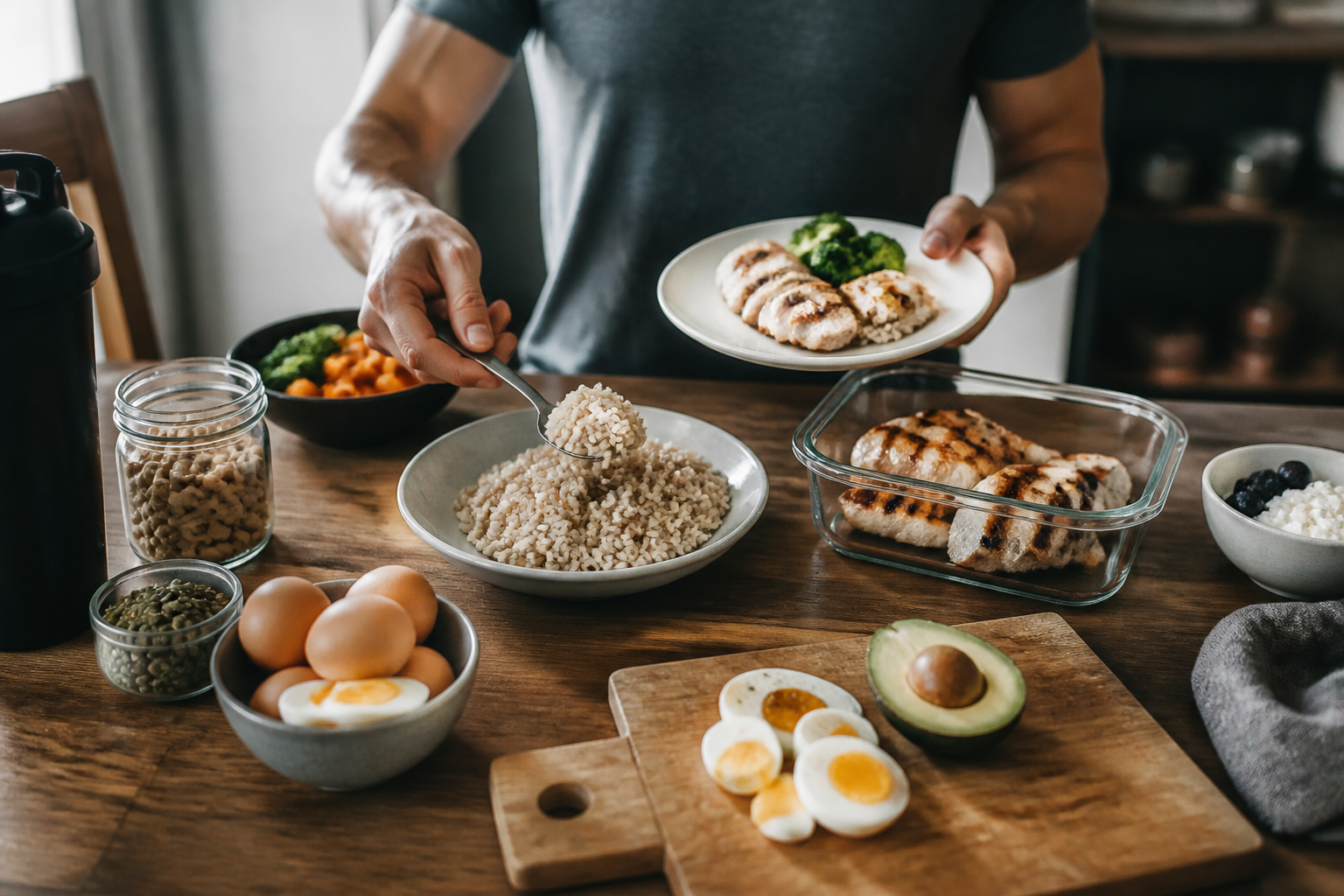
What Is Protein Timing?
Protein timing refers to the strategic distribution of protein intake throughout the day, particularly in relation to exercise. This concept is often discussed in the context of optimizing muscle recovery and growth. The idea is that consuming protein at specific times, especially around workouts, may enhance the body's ability to repair and build muscle tissue.
Why It Matters
Understanding protein timing can be beneficial for active individuals aiming to improve their performance and recovery. Research suggests that the timing of protein consumption may influence muscle protein synthesis, which is the process of building new muscle proteins. While total protein intake is crucial, the timing of that intake may further support muscle health and recovery.
Key Principles
- Post-Workout Protein: Consuming protein after exercise may help stimulate muscle repair and growth. Many experts recommend a protein intake within a few hours post-workout.
- Even Distribution: Distributing protein intake evenly across meals may support sustained muscle protein synthesis throughout the day. This approach may be more beneficial than consuming a large amount of protein in one sitting.
- Pre-Workout Protein: Some studies indicate that consuming protein before exercise can also be advantageous, potentially providing amino acids during the workout.
Practical Considerations
When planning protein intake, consider the following factors:
- Personal Goals: Your specific fitness goals, such as muscle gain or maintenance, can influence how you time your protein consumption.
- Meal Timing: Aim to consume protein-rich foods at regular intervals, ideally every 3-5 hours, to maximize muscle protein synthesis.
- Protein Sources: Choose high-quality protein sources, such as lean meats, dairy, legumes, and plant-based proteins, to meet your needs.
Frequently Asked Questions
Does protein timing matter?
Protein timing may have an impact on muscle recovery and growth, particularly when it comes to post-workout nutrition. However, individual results can vary, and total protein intake throughout the day is also a critical factor.
What matters more: total intake or timing?
While both total protein intake and timing are important, research suggests that total daily protein intake may take precedence. Ensuring that you meet your overall protein needs is essential for muscle health, but strategic timing can further enhance results.
How can protein be distributed?
Protein can be distributed by consuming moderate amounts at each meal or snack throughout the day. For example, aiming for 20-30 grams of protein per meal may support optimal muscle protein synthesis. Adjustments can be made based on individual preferences and energy needs.
Protein Timing in Context
Timing is best viewed as one part of a larger protein strategy rather than a precise countdown after training. The amount of protein consumed across the full day, the quality of the protein sources, total energy intake and the training stimulus all influence adaptation. Eating protein reasonably close to a workout can be convenient, but missing an arbitrary short window does not make a training session ineffective.
Distribution can also be useful because it creates several opportunities to provide amino acids across the day. The appropriate amount at each meal varies with body size, total daily requirements, appetite and dietary pattern, so a single gram target should not be treated as universal. People following vegetarian or vegan diets can still meet protein needs by combining a varied selection of protein-rich foods and paying attention to overall intake.
In practice, start with the daily total and a sustainable meal pattern. Then use workout timing as a refinement: include a protein-containing meal or snack in the hours around training when it fits your schedule, especially if there has been a long gap since the previous protein-containing meal.