
Introduction to how much protein do you need
Understanding your protein needs is essential for optimizing health and performance, especially for active adults. Protein plays a crucial role in muscle repair, immune function, and overall bodily maintenance. Determining how much protein you need can help you meet your fitness goals and support your daily activities.
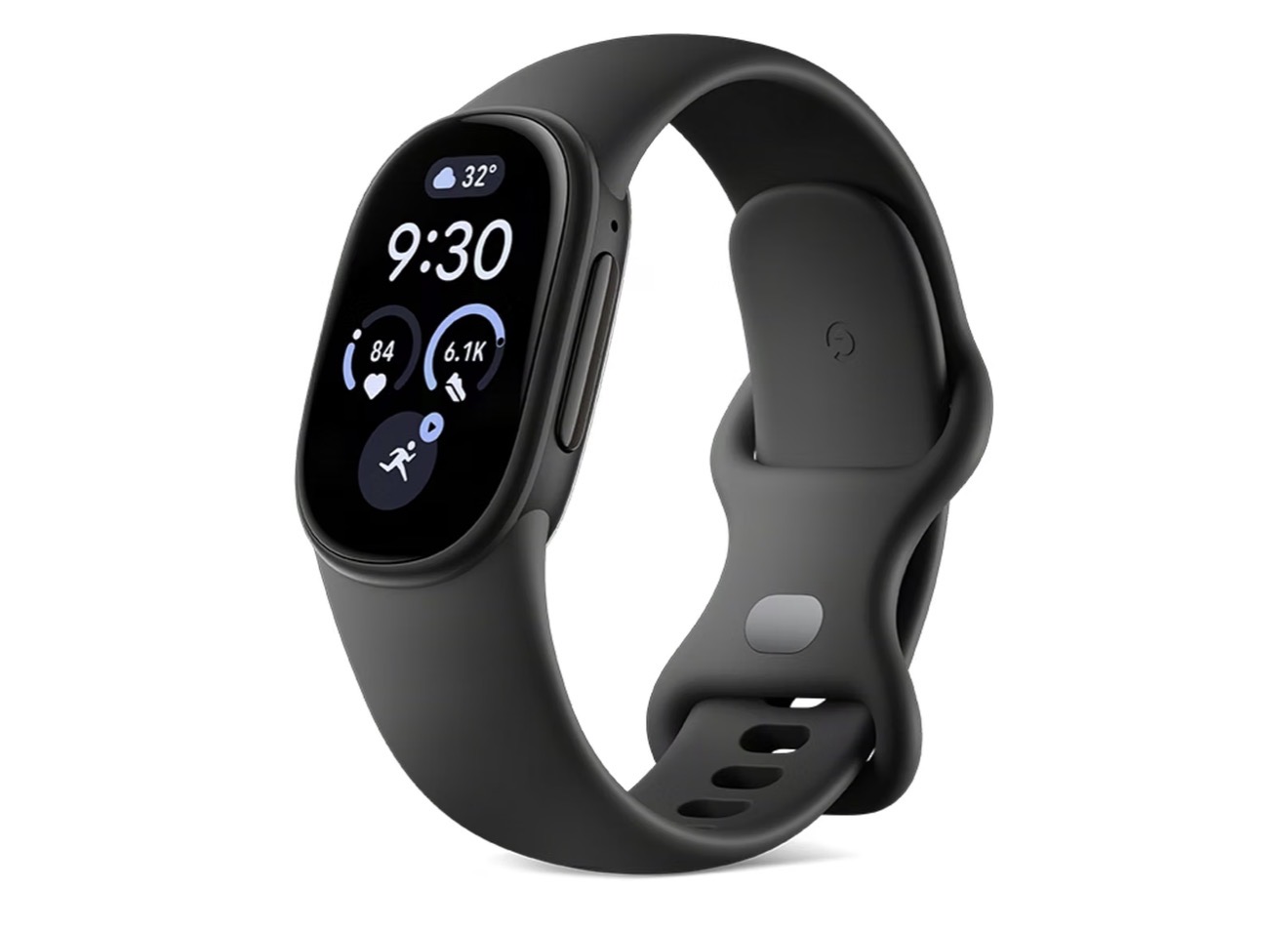
Fitness activity tracker
Activity trackers can log movement, step counts and some heart-rate or sleep estimates, depending on model and sensor. These consumer readings are not medical diagnoses.
Check price on Amazon
See the current price and availability on Amazon before ordering.
Affiliate link. We may earn a commission at no extra cost to you.
Before You Begin
To accurately assess your protein requirements, consider several factors that may influence your needs:
- Age: Protein needs can change as you age.
- Activity Level: More active individuals typically require more protein.
- Body Composition Goals: Goals such as muscle gain or fat loss may alter protein requirements.
- Health Status: Certain health conditions may impact protein needs.

Bulk Extreme
Muscle and male-performance supplement; evaluate the complete formulation and claims before use.
Checked 1 Nov 2026 · price may change; confirm shipping & taxes at the retailer.
Affiliate link. We may earn a commission at no extra cost to you.
Step-by-Step Approach
Calculating your protein needs involves a few straightforward steps:
- Determine Your Body Weight: Weigh yourself in kilograms for easier calculations. If you know your weight in pounds, divide it by 2.2 to convert to kilograms.
- Identify Your Activity Level: Consider whether you are sedentary, moderately active, or highly active. This will help you choose the right protein multiplier.
- Choose a Protein Multiplier: Research suggests the following multipliers based on activity level:
- Sedentary: 0.8 grams of protein per kilogram of body weight
- Moderately Active: 1.2 to 1.6 grams per kilogram
- Highly Active: 1.6 to 2.2 grams per kilogram

Cappuccino MCT
MCT-containing coffee product sold in a 30-serving carton; caffeine content and weight-loss claims need checking.
Checked 1 Nov 2026 · price may change; confirm shipping & taxes at the retailer.
Affiliate link. We may earn a commission at no extra cost to you.
Common Mistakes to Avoid
When assessing your protein needs, it's important to avoid these common pitfalls:
- Overestimating Needs: Many individuals assume they need more protein than necessary, which can lead to excessive calorie intake.
- Neglecting Other Nutrients: Focusing solely on protein may result in an unbalanced diet lacking essential fats and carbohydrates.
- Ignoring Timing: While total daily intake is important, how you distribute protein throughout the day can also affect muscle protein synthesis.
How to Progress Safely
As you adjust your protein intake, consider the following tips to ensure a safe and effective approach:
- Gradual Changes: Increase your protein intake slowly to allow your body to adjust.
- Monitor Your Progress: Keep track of your energy levels, muscle recovery, and overall health as you modify your diet.
- Consult a Professional: If unsure, consider speaking with a registered dietitian or nutritionist for personalized advice.
Frequently Asked Questions
How much protein do adults need?
Research indicates that the average adult needs about 0.8 grams of protein per kilogram of body weight. However, this requirement may increase based on activity levels and specific health goals.
Can requirements vary with activity?
Yes, protein requirements can vary significantly with activity levels. Active individuals, particularly those engaging in strength training or endurance sports, may benefit from higher protein intake to support muscle repair and growth.
How can protein be distributed through the day?
Distributing protein intake evenly throughout the day may support muscle protein synthesis. Aim for balanced meals and snacks that include protein sources, ideally consuming 20-30 grams of protein per meal.
Related FitnessScopes guides
Useful FitnessScopes calculators
Related interactive tools: