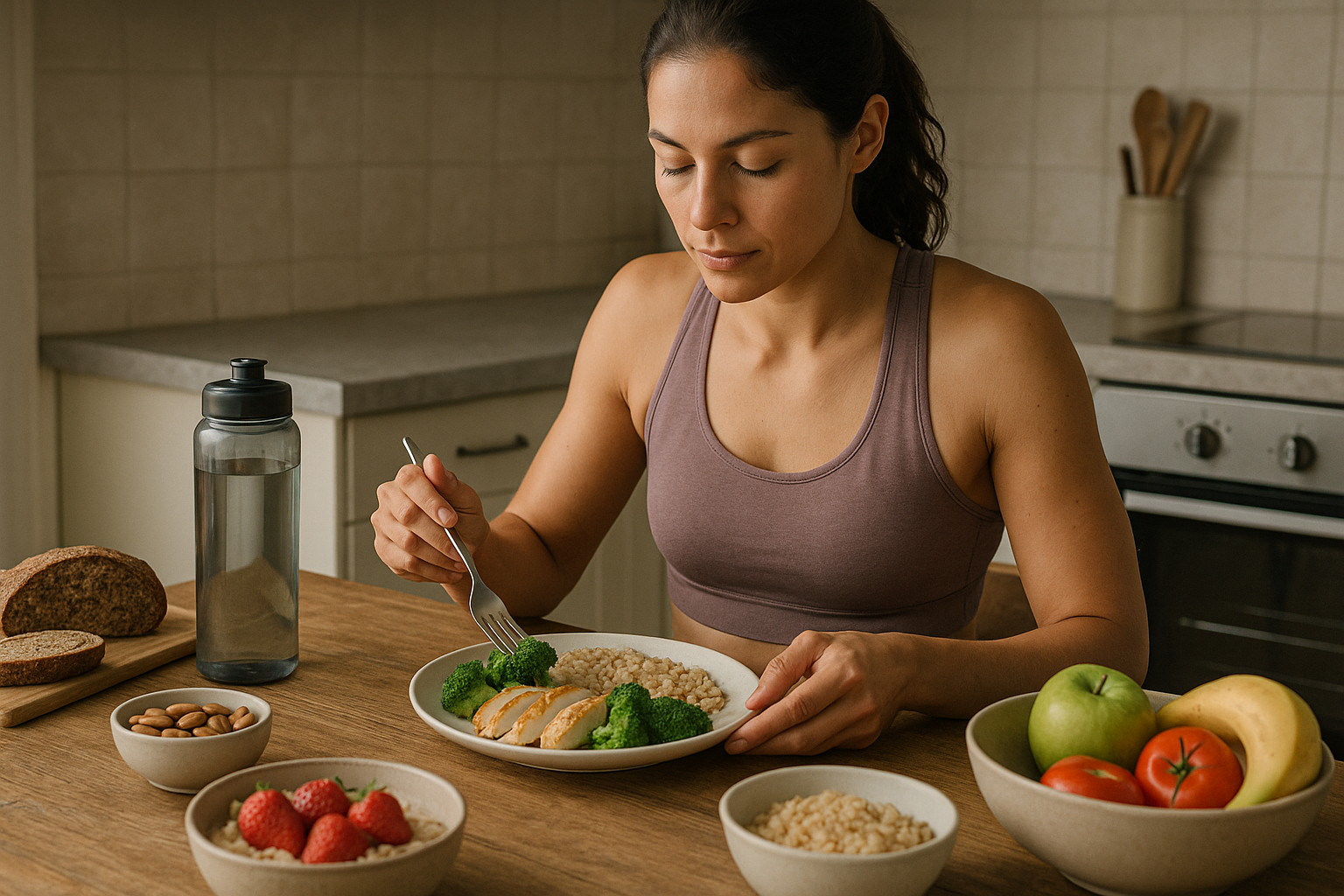
The term glycaemic index explained is increasingly common among athletes and active adults who wish to optimise nutrition for health, energy and exercise performance. But what does the glycaemic index (GI) actually mean, and how can understanding it—and its related concept, glycaemic load—support daily activity and training goals? This guide demystifies GI, clarifies its uses and limitations, and offers practical advice for food choices tailored to active lifestyles.
Introduction to Glycaemic Index
The glycaemic index (GI) is a measure developed in the 1980s to classify carbohydrate-containing foods according to how quickly they raise blood glucose levels after eating, relative to a reference food (either glucose or white bread) taken as 100 (NHS). Foods with a high GI cause a rapid increase in blood sugar, while those with a low GI lead to a more gradual rise. For example, white bread and most sugary cereals are considered high-GI foods, whereas lentils and certain whole grains are low-GI.
Practically, the GI is tested by feeding 50 grams of available carbohydrate from a particular food to healthy volunteers and measuring the effect on their blood sugar over two hours. For reference, 50g carbohydrate could be about 2 slices of bread (in the US, roughly 2 oz or 55g per slice) or 1.5 cups of cooked white rice (around 300g cooked weight). But serving sizes may not always reflect common eating habits, so the GI does not always translate neatly to real-world meals.
Understanding Glycaemic Load
While the GI ranks foods by their immediate effect on blood sugar, it does not account for how much carbohydrate is actually consumed in a typical serving. This is where glycaemic load (GL) comes in. GL multiplies the GI by the amount of available carbohydrate in a serving and divides by 100, providing a more realistic picture of how a normal portion of food will affect blood glucose (NIH/ODS).
A food such as watermelon has a high GI, but because a typical serving contains relatively few carbohydrates, its glycaemic load is quite low. Conversely, a large portion of white rice (high GI and high carbohydrate content) delivers both a high GI and a high GL. For active adults, considering both GI and GL may provide a clearer sense of overall blood sugar impact, especially when building meals for exercise or recovery.
Relevance for Active Adults
The relationship between GI, exercise, and energy levels is nuanced. On the one hand, consuming low-GI carbohydrates 30–60 minutes before exercise may promote steadier blood glucose and sustained energy, which can be beneficial for endurance sports (Walton & Rhodes). Conversely, high-GI foods ingested during or immediately after exercise may speed carbohydrate absorption, supporting rapid energy delivery or muscle glycogen recovery, which is useful in prolonged or repeated efforts.
Yet, evidence for GI’s practical impact on performance is mixed. While some research suggests that meal GI can influence endurance and “substrate utilisation” when meals are consumed pre-exercise, these differences diminish when carbohydrates are also ingested during exercise or over multiple days. A study comparing high and low GI diets across five days found no meaningful difference in running capacity or fat and carbohydrate oxidation among healthy males (Hamzah et al.). The consensus is that total carbohydrate availability—and meeting overall energy needs—matter more than simply whether carbohydrates are high or low GI, especially for most recreationally active adults.
Practical Food Choices
Active adults can use GI and GL as one of several tools for choosing carbohydrates:
- For steady energy before exercise, opt for low-GI foods like oats, lentils, or sweet potatoes. These may help prevent sharp rises and drops in blood sugar and support longer workouts.
- During endurance events, high-GI options such as white bread, sports drinks, or ripe bananas can provide quick energy, especially when exercise exceeds 60 minutes or is particularly intense.
- After exercise, high-GI foods may assist in more rapid replenishment of muscle glycogen, important for those training multiple times a day.
- Day-to-day meals should prioritise minimally processed, fibre-rich carbohydrates—these typically have a lower GI and promote satiety and good nutrition overall. Consider the “whole plate” with protein and fats, not just carb type.
Remember, individual responses can vary. Some people may feel energised by low-GI foods, while others prefer the boost of higher-GI options around training.
Limitations and Myths
GI and GL are valuable concepts but have their limitations. Notably, the GI of a single food may change depending on its preparation (e.g. pasta that is cooked al dente has a lower GI than overcooked pasta), ripeness, or what else is eaten in the meal. Combining carbohydrates with fats or proteins can significantly alter the glycaemic response. Measuring GI relies on consuming a specific amount of carbohydrate, which is not always practical.
Common myths include the belief that low-GI diets automatically enhance athletic performance or guarantee weight loss. In reality, for most people meeting their total nutritional needs and energy intake is far more crucial. The National Health Service (NHS) and US National Institutes of Health (NIH) stress the importance of eating a broad range of carbohydrate sources, focusing on fibre and nutritional balance rather than GI alone (NHS)(NIH/ODS). Furthermore, individuals with diabetes or those sensitive to blood sugar fluctuations may benefit more from GI awareness, but even then, it should be part of a larger dietary strategy rather than a singular focus.
References and Further Reading
- NHS: Carbohydrates - Nutrition
- NIH Office of Dietary Supplements: Carbohydrates – Consumer Fact Sheet
- Glycaemic index, glycaemic load and exercise performance (O'Reilly et al, 2010)
- Glycaemic index and optimal performance (Walton & Rhodes, 1997)
- The effect of glycaemic index of high carbohydrate diets... (Hamzah et al, 2009)
FAQs
What is the glycaemic index (GI)?
The glycaemic index is a scale that ranks foods by how rapidly they raise blood sugar after eating. High-GI foods cause a quick rise, while low-GI foods produce a slower, steadier increase.
How do GI and glycaemic load differ?
GI measures carbohydrate quality, showing how fast a food raises blood sugar. Glycaemic load accounts for both the GI and the amount of carbohydrate in a typical portion, offering a fuller picture of actual impact.

Bulk Extreme
Muscle and male-performance supplement; evaluate the complete formulation and claims before use.
Checked 1 Nov 2026 · price may change; confirm shipping & taxes at the retailer.
Affiliate link. We may earn a commission at no extra cost to you.
Does GI matter for exercise or daily energy?
GI can play a role in fuelling strategies for some athletes, particularly before long endurance efforts. But total carbohydrate intake and a balanced diet are generally more important than GI alone for most active adults.
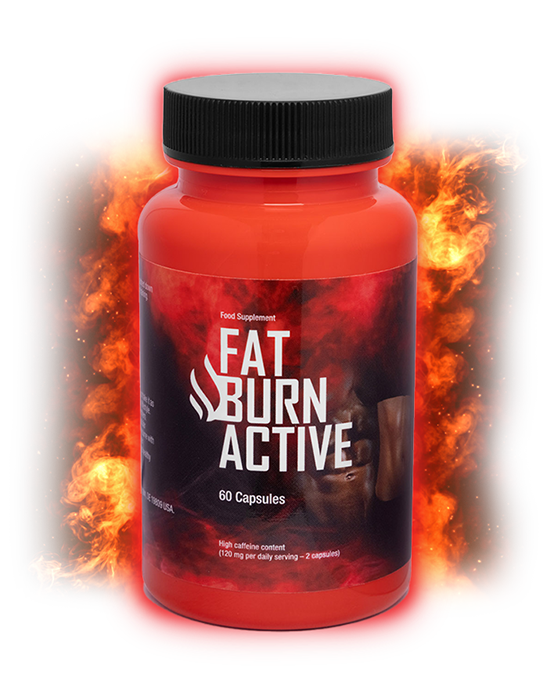
Fat Burn Active
Weight-management capsules containing green tea, guarana, caffeine and bitter orange extracts. Check stimulant content and safety before use.
Checked 1 Nov 2026 · price may change; confirm shipping & taxes at the retailer.
Affiliate link. We may earn a commission at no extra cost to you.
What are practical ways to use GI in food choices?
Use low-GI foods for sustained energy before exercise or in regular meals. High-GI foods are helpful during or straight after intense training. Always combine with protein, fibre, and healthy fats for balance.

Nutrigo Lab Strength
Pre-workout powder with manufacturer-listed creatine, citrulline malate, RedNite and EnXtra. Manufacturer advertises 18 active ingredients; complete label and amounts need verification.
Checked 1 Nov 2026 · price may change; confirm shipping & taxes at the retailer.
Affiliate link. We may earn a commission at no extra cost to you.