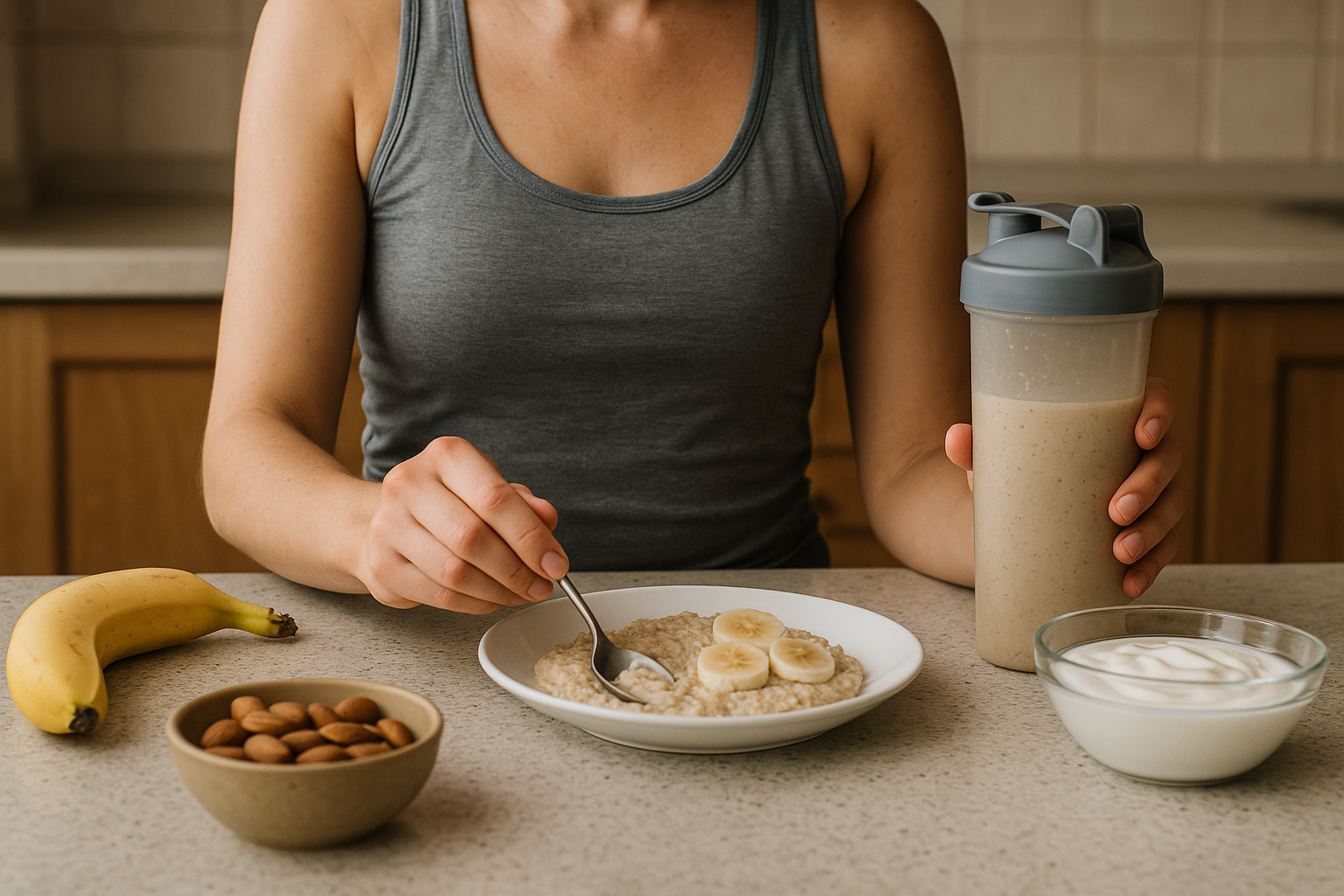
Choosing what to eat before a workout depends on the time available, the session ahead and what your stomach tolerates. A small snack may suit an ordinary gym session, while a long, demanding workout may need more deliberate fuelling. Start with familiar foods and adjust through practice rather than copying another person's menu.
Pre-Workout Nutrition
The useful goal is to begin comfortably fed and hydrated, with enough energy for the work planned. Food eaten earlier in the day also counts. A recent balanced meal may make an extra snack unnecessary, particularly for a short, easy session. Pre-workout nutrition is part of the whole day's eating pattern, not a separate requirement to buy a supplement.
The ISSN nutrient-timing position stand discusses nutrition in relation to exercise volume and recovery demands. A long run, repeated hard intervals and a gentle walk create different demands. Adapt sports recommendations to the actual session rather than treating every workout as an endurance event.
Carbohydrates
Carbohydrate is an important fuel for sustained moderate-to-high-intensity activity. Bread, rice, potatoes, oats and fruit offer familiar choices. If demanding sessions repeatedly feel under-fuelled, consider the amount of food eaten overall and the carbohydrate in earlier meals. A stimulant does not replace food energy.
When the start is close, a smaller portion may feel more comfortable. Plain toast or a banana can be easier for some people to tolerate than a large high-fibre meal. This is about digestive comfort and the available time; fibre-rich foods remain useful parts of an everyday diet.
Protein
Include a preferred protein food in a meal when there is time to digest it: yoghurt, eggs, tofu, beans, fish or chicken are examples. You do not need to force a large protein meal immediately before starting, particularly if you have already eaten or it causes discomfort.
The ISSN protein-and-exercise guidance emphasises sufficient daily intake and protein across the day. Consistent meals are a practical starting point. A protein shake can be convenient when food is difficult to arrange, but it is optional and does not make a poor overall eating pattern adequate.
Hydration
Maintain normal hydration habits through the day and have fluid available during exercise. Heat, duration and sweat loss affect needs. Drinking a large amount immediately before starting may feel uncomfortable. Drinking excessive fluid during prolonged exercise can also be harmful; more is not always better.
The ACSM fluid-replacement position stand supports individualising the plan. Water is a reasonable starting choice for many routine sessions. Electrolyte and carbohydrate drinks can be useful under particular endurance or high-sweat conditions, but they are not automatically necessary for every short workout.
Timing
As a practical experiment, try leaving around two to three hours after a larger meal or thirty to sixty minutes after a small snack. These are starting points, not fixed biological deadlines. Portion size, exercise intensity and your own comfort can change the interval that works.
Close to exercise, avoid unfamiliar foods and very large portions. Some people find a meal high in fat or fibre uncomfortable during vigorous activity. Test changes in ordinary training before a competition. Record the meal, interval and stomach comfort, then change one factor at a time rather than changing the entire routine.
Practical Examples
- Several hours beforehand: rice with tofu or chicken and vegetables, with a portion suited to hunger and the planned session.
- A light snack near the start: toast or a banana when a full meal would feel heavy.
- A later morning session: porridge with yoghurt, or toast and eggs, with time to digest.
- Training after lunch: assess whether lunch already meets your needs before adding another meal.
These combinations illustrate options, not a prescribed menu. Repeated digestive problems, unusually demanding training or a condition affecting food and fluid needs may benefit from individual advice from a qualified clinician or sports dietitian.
FAQs
What can people eat before exercise?
Familiar carbohydrate foods such as fruit, toast, oats or rice can work, with a protein food included when there is time for a meal. Adjust portions to hunger and stomach comfort.
What roles do carbohydrates and protein play?
Carbohydrate helps fuel demanding exercise. Protein supports the overall diet needed for training adaptation and recovery; intake across the day matters more than forcing it immediately before exercise.
How does timing affect food choices?
A larger meal usually needs more digestion time. When exercise starts soon, try a smaller familiar snack and adjust the interval according to training comfort.
References
- ISSN: nutrient timing (2017)
- ISSN: protein and exercise (2017)
- ACSM: exercise and fluid replacement (2007)
This article provides general education, not an individual medical or nutrition prescription.