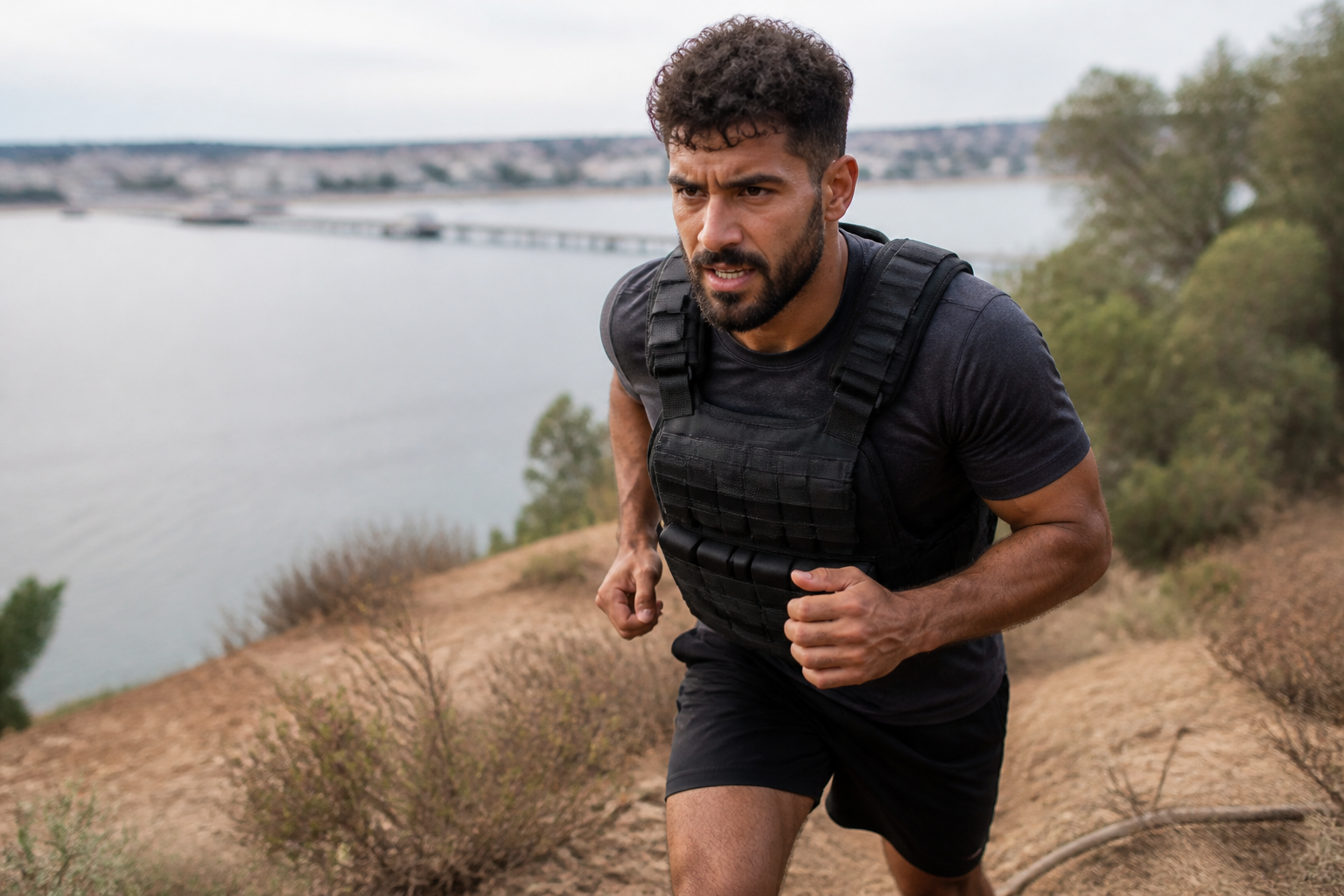
Considering a weighted vest for your fitness regime? This weighted vest comparison explores key features, primary uses and what research shows about benefits and safety. Whether you want to enhance bodyweight training vest exercises, make walks more challenging, or find the best weighted vest for workouts, understanding practical distinctions is crucial. Getting the right vest isn’t just about picking the heaviest product—it’s about matching design and features to your training style, body type, and safety needs.
Common Weighted Vest Uses (Cardio, Strength, Walking)
Weighted vests are popular tools for athletes, fitness enthusiasts, and those aiming to increase training intensity. Common uses include:
- Cardio Training: Adding a vest during brisk walking, hiking, running or aerobic routines increases overall load, which can boost calorie expenditure and challenge cardiovascular endurance.
- Strength and Bodyweight Workouts: Vests intensify movements like push-ups, pull-ups and squats, promoting muscle adaptation. Research in parkour novices demonstrated that a vest equal to 10% of body mass elevated subjective fatigue and perceived exertion, yet preserved core muscle power and improved drop-jump performance, suggesting potential for neuromuscular enhancement (Grosprêtre et al.).
- Walking/Lifestyle: Weighted vests are often used to enhance the benefits of walking, especially for active adults aiming to improve bone and muscle health. Clinical trials in older women found that adding a vest (around 7% of body mass) to aerobic dance significantly increased lower body strength, without short-term injuries (Sukjit et al.).
In each case, the weighted vest benefits may include intensified resistance, enhanced calorie burn, and potential gains in strength and bone health. However, the optimal approach depends on your training goals, experience, and current physical condition.
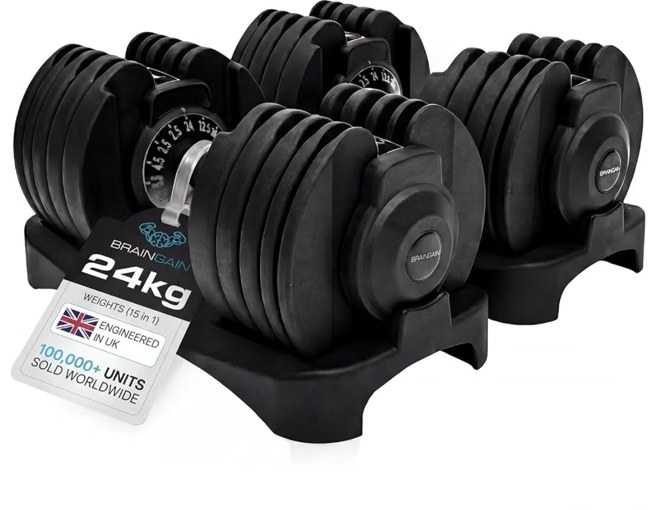
Adjustable dumbbells
Adjustable dumbbells for strength training at home. Check the seller listing for weight range, adjustment mechanism and dimensions before buying.
Check price on Amazon
See the current price and availability on Amazon before ordering.
Affiliate link. We may earn a commission at no extra cost to you.
Adjustability and Sizing: What to Check
Proper fit and adjustability are essential for safety, comfort, and training results. Here’s what to examine in a bodyweight training vest:
- Weight Range: Most vests offer removable weights, allowing users to tailor resistance—from approximately 2.5 kg (5.5 lbs) up to 30 kg (66 lbs) or more. Beginners or older adults may benefit from starting at 5–10% of body weight and progressing as needed.
- Strap Systems and Closure: Look for adjustable shoulder and side straps, Velcro, or buckle closures that allow a snug but not restrictive fit. Too tight and breathing is impaired; too loose and the vest may chafe or bounce during movement.
- Body Shape and Sizing: Some vests are unisex; others have torso length or chest circumference options. Check the manufacturer’s sizing chart, as brands may use UK, US, or metric sizing conventions. For example, a ‘medium’ in UK sizing may differ from a US ‘medium’.
Adjustability in load and fit lets you use the same vest across a variety of exercises and for multiple users at home.
Materials, Care and Durability
Weighted vests encounter sweat, friction, and frequent handling, so material quality and care requirements differ substantially:
- Fabric: Heavy-duty nylon and polyester blends are common, sometimes reinforced at stress points. Look for moisture-wicking linings and breathable mesh to aid comfort if you plan outdoor or summer use.
- Weight Fill: Typical vests use removable steel, iron, or sand-filled weights. Steel tends to be more compact for the same weight, but sand weights conform better to the body’s shape.
- Care and Cleaning: Check if the vest or its components are machine-washable. Many require spot cleaning and air drying to preserve fasteners and avoid rusting of metal parts.
- Durability: Seams should be double-stitched. Inspect for reinforced closures and abrasion-resistant panels if you’ll use the vest outdoors or with high-movement activities like plyometrics.
Choosing a vest with robust construction reduces risk of premature wear or failure, especially under heavy use conditions.
Safety, Injury and Contraindications (with Evidence)
Safety concerns are central to any weighted vest comparison. The American College of Sports Medicine notes that while vests can efficiently increase exercise intensity, there are precautions (ACSM blog):
- Start Light: Excessive loading can impair motor control and selectively reduce performance in coordination-heavy tasks, as observed in parkour research. Gradually increased load is advised for safe adaptation.
- Joint Stress: Vests add compressive force to joints, especially hips, knees and spine. Those with pre-existing musculoskeletal problems should consult a physician or qualified trainer first.
- Avoid in Certain Conditions: Vests may not suit individuals with osteoporosis, severe arthritis, heart conditions, or balance problems without medical clearance (NHS Exercise Guidance).
- Monitor Fatigue: Weighted vests increase perceived exertion and muscle soreness in the hours and days following intense use, based on published studies. Active adults should allow for recovery and increase resistance only as tolerated.
- No Short-Term Structural Injuries Observed: In senior aerobic dance trial, no acute injuries were recorded, suggesting safe use at modest weights for healthy older adults over several weeks. However, this may not generalise to high-impact activities or all populations.
Careful progression and self-monitoring are key to maximising weighted vest benefits while minimising risk.
Product Warranties and Returns (US/UK Differences)
Return and warranty policies often differ between regions and brands. Here’s what to check:
- In the US: Consumer protection laws entitle you to basic product warranties but specific details (return window, coverage) vary. Many US fitness equipment retailers offer 30-day returns, but restocking fees or return shipping costs may apply.
- In the UK: Under the Consumer Rights Act, UK buyers can return faulty goods within 30 days for a full refund, and later for repair or replacement. For online purchases, distance selling regulations may add a 14-day ‘cooling-off’ period for returns, even if the item is not faulty—but this may be void if the vest shows use beyond trying for size.
- Sizing Variation: Due to regional differences in sizing standards, always check the seller’s measurement tables and returns process in case you need a size swap.
- Warranty Claims: Some brands include extended warranty for seams or fasteners—read the small print and contact the retailer before modifying your vest or attempting repairs, which can void coverage.
Documentation and original packaging may be needed for hassle-free returns or warranty service. Save your receipt and check terms before use.
Checklist for Choosing
- What primary activities (walking, running, calisthenics, sports training) will you use the vest for?
- Is load easily adjustable to match your training plan or to accommodate other household users?
- Does the vest offer a secure fit that does not restrict breathing or movement?
- Are materials durable, breathable, and easy to care for?
- Have you checked your measurements against the supplier’s size chart (not just S/M/L)?
- Does the product have clear safety guidance, especially if you have underlying health concerns?
- Are warranty and returns terms agreeable, with recourse in case of faulty product or sizing issues?
Prioritise fit, adjustability, ease of cleaning and reputable retailer policies alongside price when comparing the best weighted vest for workouts in the US or UK.
FAQs
What training modalities suit weighted vests?
Weighted vests are well-suited for activities like brisk walking, jogging, hiking, aerobic dance, and bodyweight resistance training. They may also be used in sports-specific drills or plyometrics, but loads and intensity should be matched to experience and fitness level to minimise injury risk.
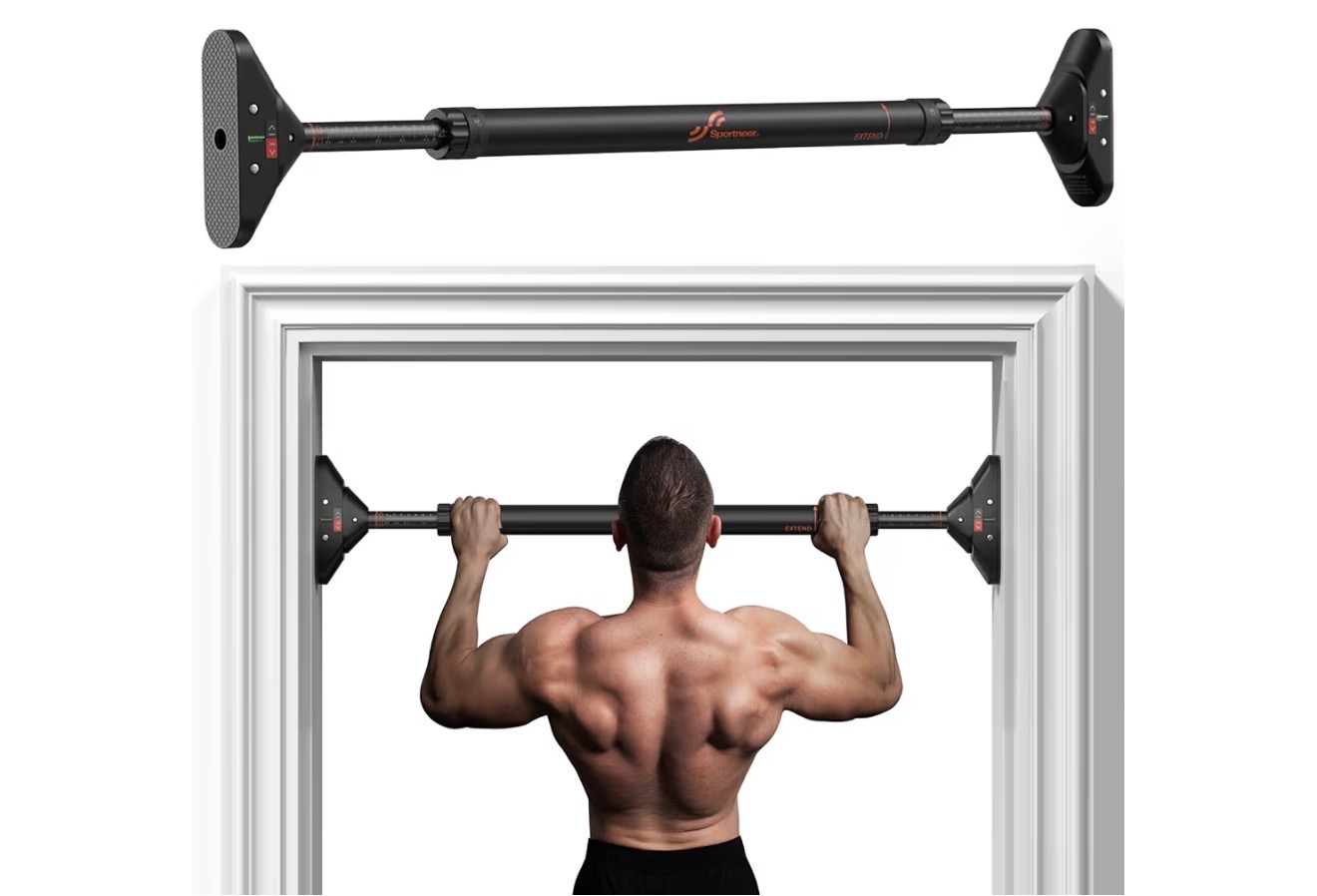
Doorway pull-up bar
A doorway pull-up bar for upper-body training. Check doorway compatibility, installation instructions and maximum supported load before use.
Check price on Amazon
See the current price and availability on Amazon before ordering.
Affiliate link. We may earn a commission at no extra cost to you.
How to compare fit, comfort, safety and cleaning?
Check for adjustable closures and sizing, moisture-wicking or breathable fabric linings, and padding on straps. The vest should fit snugly without restricting movement or breathing. Review care instructions—many vests are spot clean only, while some have removable components for easy washing.
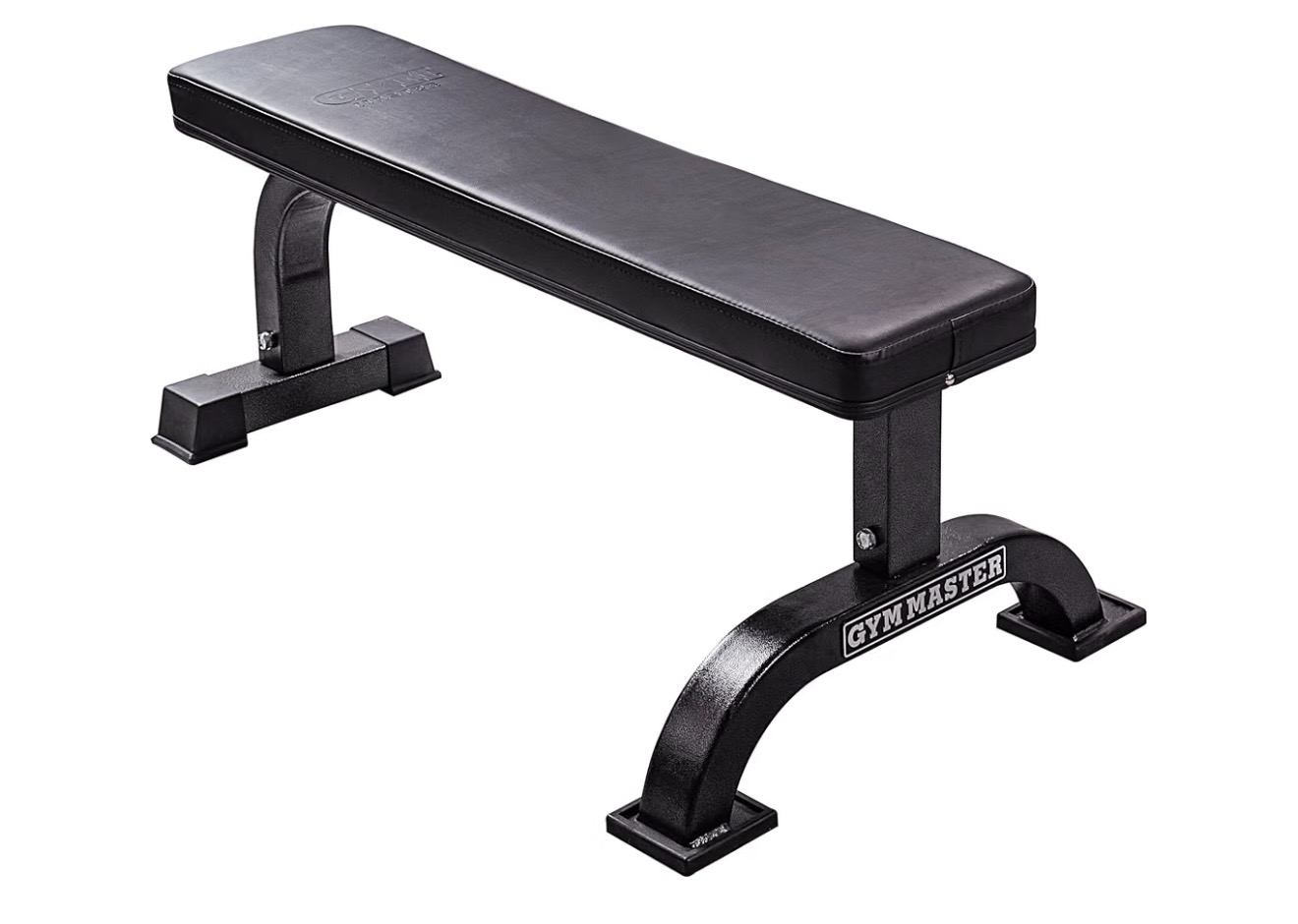
Flat weight bench
A flat exercise bench for home resistance training. Check the seller's maximum load rating, dimensions and assembly requirements.
Check price on Amazon
See the current price and availability on Amazon before ordering.
Affiliate link. We may earn a commission at no extra cost to you.
Are there US/UK differences in sizing or returns policies?
Yes. US and UK brands may use different sizing conventions—always consult the manufacturer’s chart. UK buyers benefit from consumer rights laws allowing easier returns, especially for online purchases, while US return policies vary more widely by retailer.
References
Affiliate disclosure: This article may contain affiliate links. If you purchase through them, FitnessScopes may earn a commission, supporting our evidence-based health and fitness content.