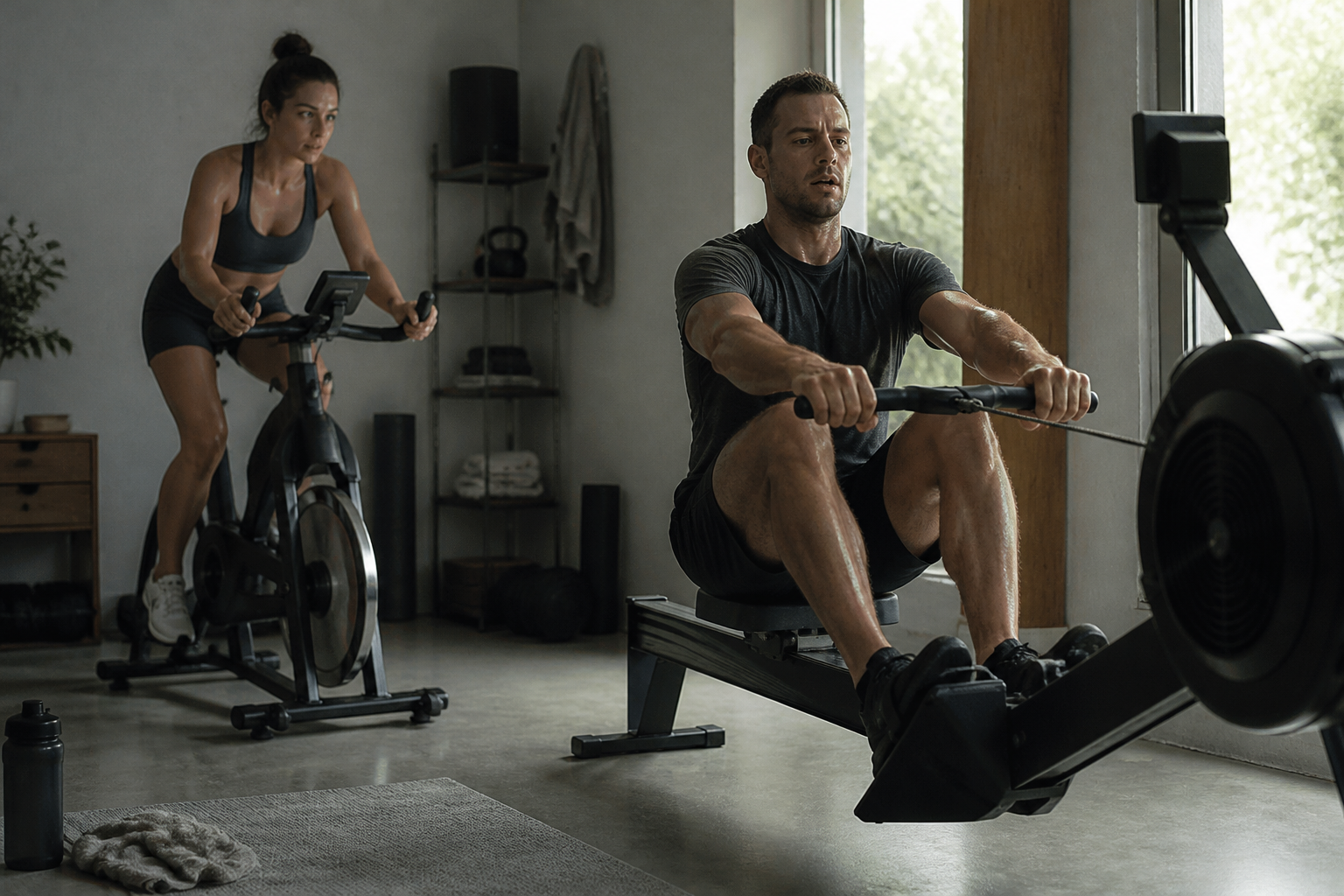
Choosing between an exercise bike and a rowing machine for home cardio involves analysing which type of equipment meets your activity preferences, available space, safety needs, and long-term value. The exercise bike vs rowing machine home cardio debate reflects considerations of intensity, joint impact, whole-body engagement, product specification and individual suitability. Both options can help adults achieve recommended levels of aerobic exercise at home, as highlighted by guidelines from the NHS and WHO. Below, we systematically compare these popular home cardio options using verified specifications and evidence to help buyers make an informed choice.
Product category overview
Exercise bikes (also known as stationary bikes) provide a seated cycling workout, generally with adjustable resistance, suited to users seeking low-impact aerobic activity. Designs include upright, recumbent, and indoor cycling (spin) models, each with distinct ergonomics. Their small footprint and varied formats make them a mainstay in home fitness.
Rowing machines (ergometers or ergs) simulate the rowing motion, involving coordinated pulls with both arms and legs. Rowers offer a full-body workout—strengthening legs, back, arms and core—with variable resistance produced by air, water, magnetic or hydraulic mechanisms. They typically require a bit more space than compact exercise bikes.
Both categories are widely available, with products ranging from basic manual units to models offering digital tracking, preset workouts, and connectivity. Their intended use is aerobic training, aligning with international guidelines that recommend at least 150 minutes of moderate-intensity physical activity weekly for adults (WHO).
Evidence and specification comparison
- Muscle groups: Rowing machines engage more upper and lower body muscles simultaneously, including back, arms, and core, whereas exercise bikes primarily target the lower body (thighs, calves, glutes).
- Cardio intensity: Both can deliver vigorous workouts, but perceived exertion may be higher on rowers at similar effort levels due to full-body activation.
- Joint impact: Exercise bikes put minimal load on knees and hips thanks to smooth circular motion. Rowing involves dynamic knee and back movement, which may pose a challenge for some people with pre-existing conditions, though it also encourages flexibility and coordination.
- Footprint: Upright bikes often require less space and are easier to move. Rowing machines are usually longer, sometimes foldable but generally bulkier.
- Monitor features: Many current models offer digital screens providing workout data. Compare wattage output (a marker of workout intensity), heart rate integration and app compatibility.
Bearing in mind the WHO and NHS recommendations, ensure your chosen category and model enable sessions of sufficient intensity and duration, with feedback for motivation and adherence.
Safety and suitability
Safety and suitability differ between bikes and rowers. The NHS highlights that cycling is low-impact and usually well-tolerated even by people with joint pain or limited mobility (NHS). Recumbent bikes, in particular, support the back and may suit older adults or those in rehabilitation. Nevertheless, incorrect seat height or resistance settings can still cause discomfort or repetitive strain over time.
By contrast, rowing machines demand proper technique to prevent lower back strain or knee overload, which can occur if form deteriorates under fatigue or heavy resistance. Those with pre-existing back problems or limited flexibility should be particularly cautious. On the upside, correct rowing enhances core stability and offers whole-body conditioning.
Both machines should have sturdy, non-slip foot supports and clear adjustment mechanisms. Maximum user weight limits, resistance range, pedal or footplate sizing, and ergonomic grips are important verifiable specifications. For households with children or varying fitness levels, ensure security features (e.g., lockout modes, covered flywheels) and ease of adjustment.
Buyer checklist
- Space and portability: Measure available floor space and check product dimensions in use and storage. Rowers often need 2.0–2.5 metres (approx. 6.5–8 ft) in length; compact upright bikes may need under 1.2 metres (4 ft).
- Resistance type and range: Magnetic bikes and rowers are typically quieter—an important factor in apartments. Air and water rowers or spin bikes offer more dynamic resistance but often make more noise.
- Display, programming and connectivity: Seek intuitive displays showing time, distance, pace, and calories. Warranty length and parts coverage are especially important for home use, as are after-sales support and ease of maintenance.
- Label clarity and compliance: Product labels should clearly state maximum user weight (often 100–150 kg or 220–330 lbs), intended use, relevant certifications (such as CE marking in Europe), and safety advice.
- Suitability for users: Recumbent exercise bikes offer greater comfort for those with limited mobility, while rowers may better serve those seeking total body challenge. If multiple household members plan to use the device, prioritize adjustability for seat, monitor and resistance.
Limitations and caveats
No single home cardio machine suits every user. Evidence for health and fitness improvements relies on consistent, moderate-to-vigorous use (at least 150 minutes per week), regardless of machine. However, preferences, injury risk and motivation vary. For people with certain health considerations—such as lower back, hip or knee pain—rowers and upright bikes each pose distinct challenges and benefits. Poor technique undermines benefits and increases risk for both categories; familiarise yourself with proper set-up and movement patterns.
Product quality, included features, and support vary widely by brand and price. Whole-product evidence (such as customer outcomes or independent testing) is less common in the public domain; most research focuses on the exercise modality itself. Specified warranty terms, label clarity, and published safety ratings should help guide choices, but always check compatibility with your own needs. Neither machine guarantees weight loss or health gains in the absence of regular, progressive activity aligned with official physical activity guidelines (WHO).
References
FAQs
Which verifiable specifications matter most for home cardio equipment?
Key specifications include resistance type and range, maximum user weight, product dimensions, stability, noise level, and warranty terms. Monitors should clearly display time, distance, and other essential workout data. Certified compliance with safety standards may also be listed on reliable product labels.
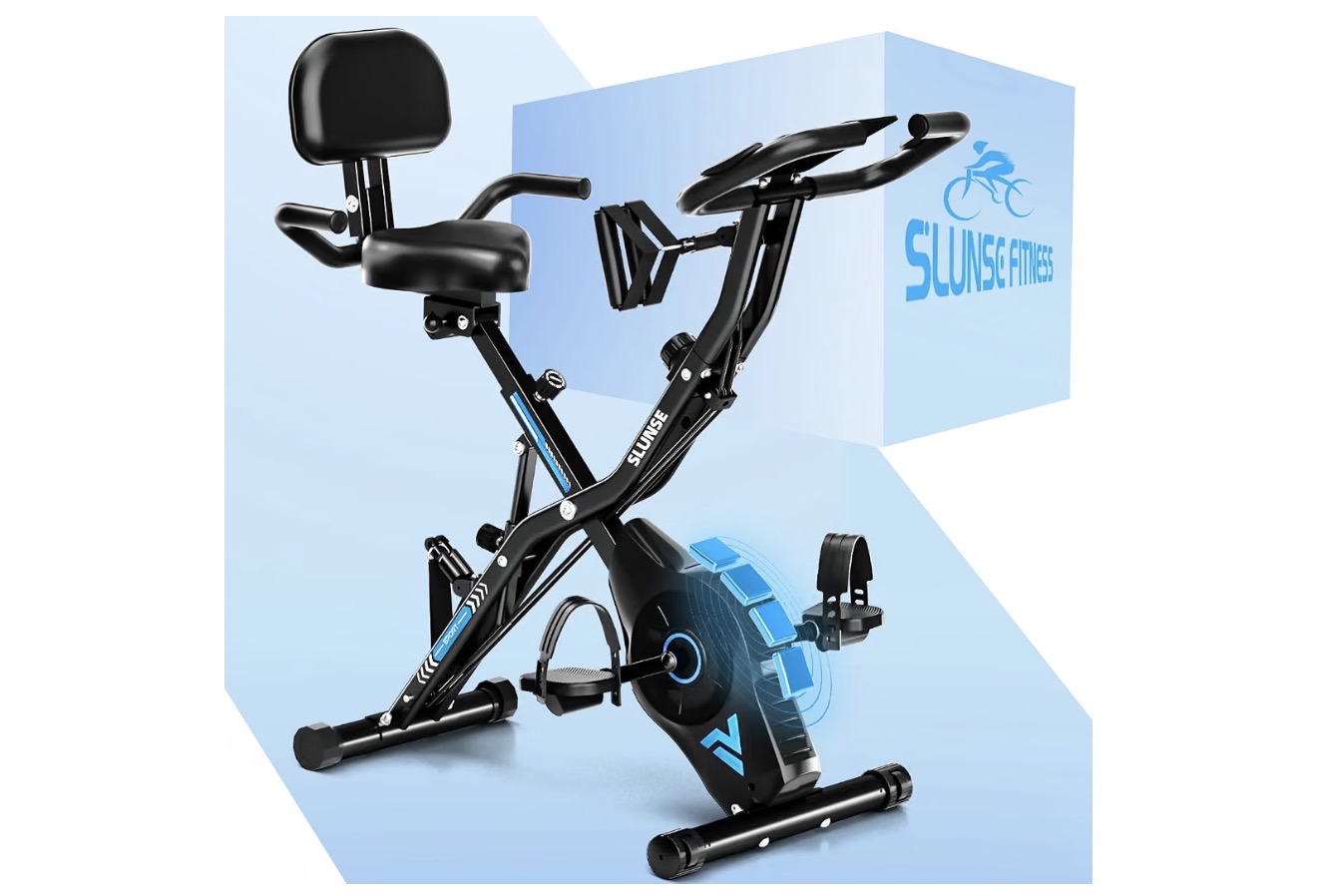
Foldable exercise bike
Folding exercise bikes provide low-impact stationary cycling at home and can be folded for storage. Resistance levels, seating position and load limits depend on the model.
Check price on Amazon
See the current price and availability on Amazon before ordering.
Affiliate link. We may earn a commission at no extra cost to you.
Are there notable safety or compatibility limitations with bikes or rowers?
Yes. For users with existing joint or back issues, bikes—especially recumbent ones—usually pose less risk. Rowing machines require precise technique to avoid lower back injury. Check equipment stability, secure foot placement, and manufacturer safety guidance, especially if multiple users or children are present.
How should buyers compare labels, warranty and value?
Look for labels detailing max user weight, intended use (home or professional), and certifications such as CE mark. Longer, more comprehensive warranty terms add value, as do reputable after-sales support options. Compare both upfront cost and likely durability over intended usage period.
Which features should different users prioritise in their choice?
Those seeking low joint impact or rehabilitation may benefit from exercise bikes with step-through frames and back support. For users wanting total body workouts or intensity variation, rowing machines may be preferable. In multi-person households, prioritize adjustability and broad resistance range so all users can exercise safely and effectively.
Explore related equipment on Amazon
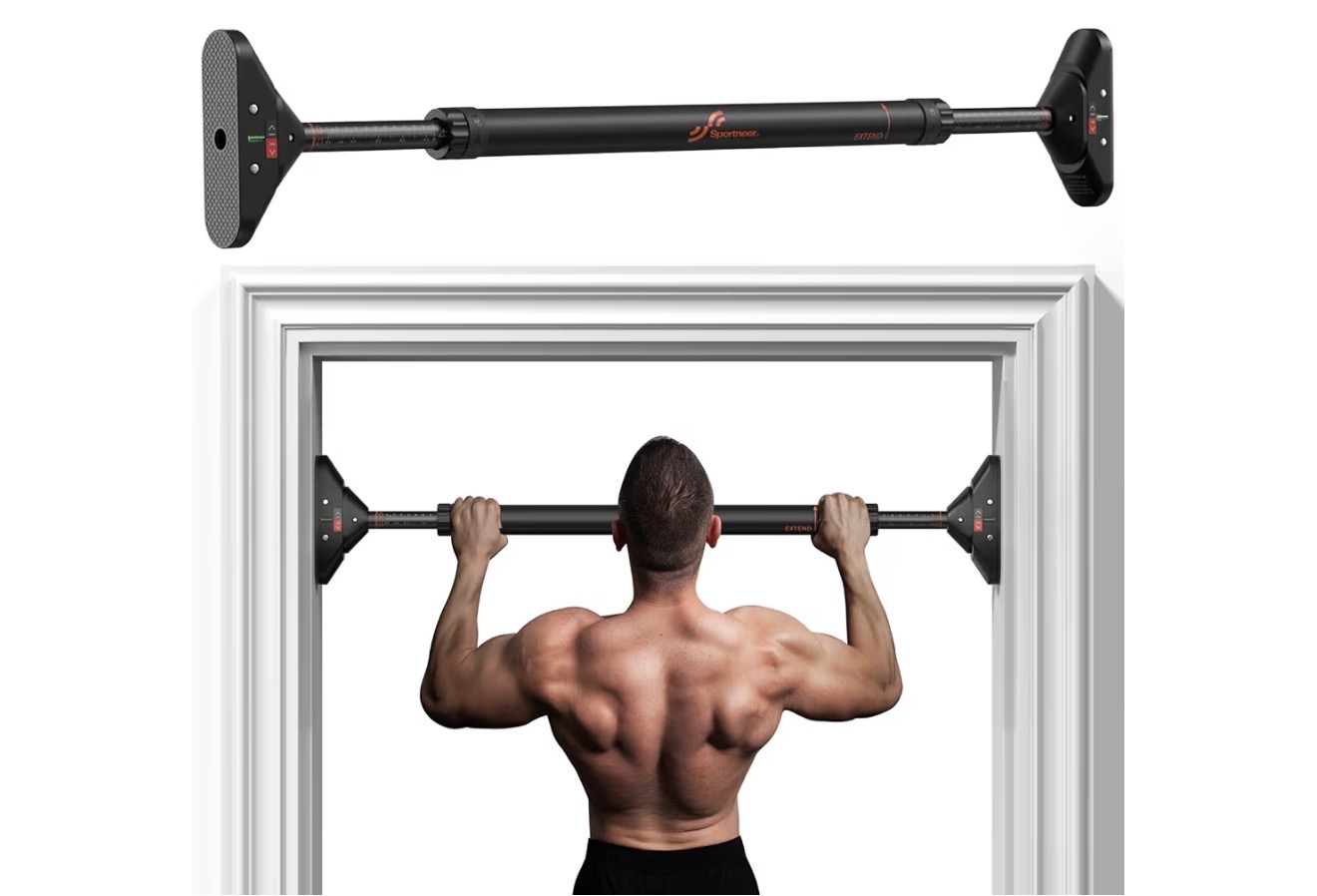
Doorway pull-up bar
A doorway pull-up bar for upper-body training. Check doorway compatibility, installation instructions and maximum supported load before use.
Check price on Amazon
See the current price and availability on Amazon before ordering.
Affiliate link. We may earn a commission at no extra cost to you.
These are shopping options relevant to the equipment categories discussed, not independently tested or ranked recommendations. Check the exact model, features, delivery region and seller before purchasing.
Affiliate disclosure: As an Amazon Associate I earn from qualifying purchases. FitnessScopes may earn a commission if you buy through these links, at no additional cost to you.
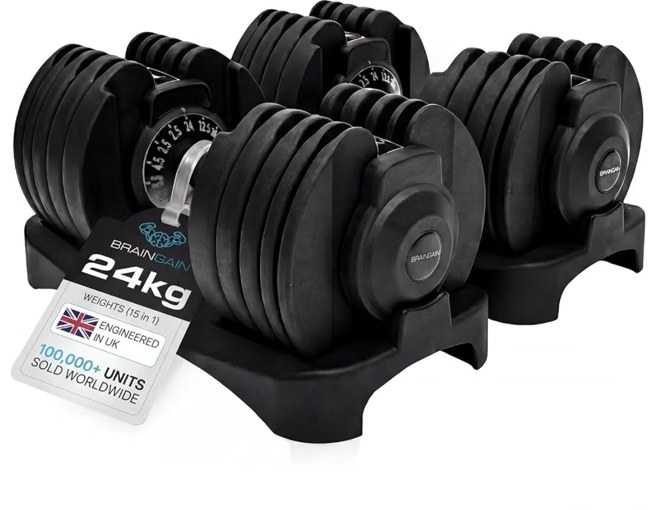
Adjustable dumbbells
Adjustable dumbbells for strength training at home. Check the seller listing for weight range, adjustment mechanism and dimensions before buying.
Check price on Amazon
See the current price and availability on Amazon before ordering.
Affiliate link. We may earn a commission at no extra cost to you.