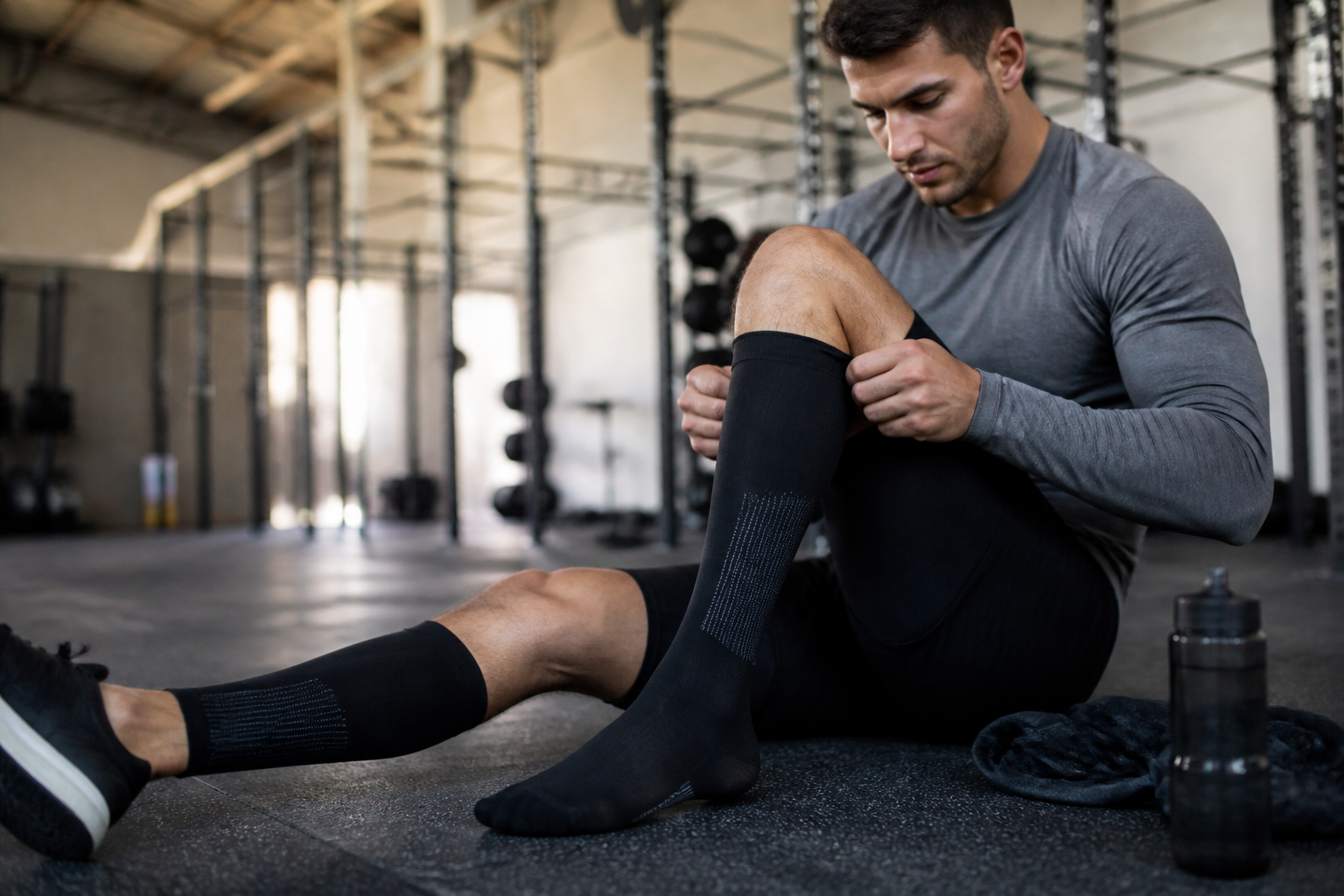
Compression gear has become a staple for athletes, runners, and recreational exercisers in both the US and UK. A well-informed compression gear buying guide is crucial for those aiming to support recovery, enhance performance, or simply find day-long comfort during physical activities. However, with varied claims and a range of models—from socks to tights—choosing the right product demands careful attention to the available evidence, fit, and international sizing and standards.
What Is Compression Gear? Evidence Overview
Compression gear refers to snug-fitting garments, typically made from elastic materials designed to apply pressure to a specific body region. The primary aims are to improve blood flow, reduce swelling, and expedite post-exercise recovery. Scientific evidence summarised in a 2017 meta-analysis suggests that, for most healthy adults, compression garments offer modest but meaningful benefits for recovery after strenuous exercise—particularly for strength recovery within 24 hours after resistance training or running (Compression Garments and Recovery from Exercise: A Meta-Analysis). This benefit, while sometimes small, is most pronounced for strength restoration and perceived muscle soreness, with weaker evidence for direct performance improvements.
Studies investigating underlying mechanisms propose enhanced venous return, reduced tissue oscillation, and possible psychological comfort as contributors. However, optimal pressure, garment type, and fit remain less settled in the research (Compression Garments for Recovery from Muscle Damage: Evidence and Implications of Dose Responses), highlighting the importance of careful product selection to achieve the intended benefit.

Testomore
Men’s dietary supplement marketed for testosterone and vitality support; assess the current ingredient label and evidence before buying.
Checked 1 Nov 2026 · price may change; confirm shipping & taxes at the retailer.
Affiliate link. We may earn a commission at no extra cost to you.
Types of Compression Products: Socks, Sleeves, Tights and More
Compression gear choices include:
- Compression socks: Cover feet and calves, commonly used for running, stand-up work, or long flights.
- Compression sleeves: Cover specific limbs (e.g., calves, forearms) leaving hands/feet free; easier for mid-session changes.
- Compression tights (leggings): Hip-to-ankle coverage; popular for lower limb recovery and multi-sport use.
- Compression tops (shirts, sleeves, vests): Target the upper body; evidence for recovery tends to focus more on lower limbs.
Choosing between compression socks vs sleeves often depends on your main activity. Socks are more practical for full lower-leg support and circulatory benefit, but sleeves can be useful if you want independent foot comfort or targeted muscle support. Tights provide more comprehensive pressure but require careful sizing to avoid restriction at the waist. There is little high-quality evidence to suggest absolute superiority of one design; your personal needs and comfort are key.
Key Features: Graded Compression, Material, Label Information
The most important aspects to compare when evaluating compression clothing for exercise are:
- Graded compression: Ideally, pressure should be greater at the extremities (ankle/wrist) and reduce toward the trunk, which encourages venous blood flow. Graded (or graduated) compression is essential for effective socks and tights.
- Material composition: Most compression products use blends of nylon, polyester, and elastane. High elastane/Spandex content generally increases stretch and pressure but may affect breathability.
- Label information: Look for actual pressure ratings (usually in mmHg); values from 15–30 mmHg are typical for sports gear. Avoid products that do not specify compression levels or claim unrealistic effects.
Some garments categorise compression as ‘light’, ‘moderate’, or ‘firm’, but these are not internationally standardised and should be interpreted with caution. For medical use, higher and precisely defined values are used, especially in the management of venous or lymphatic disorders.
How to Size and Fit (International Sizing, Returns)
Fit is critical for safety and efficacy. Compression gear that is too loose will not work; too tight can be uncomfortable or restrict circulation. Here’s how to fit compression garments:
- Measure the limb circumference at multiple points—ankle, calf, thigh—where relevant. Some products specify lengths, so inseam or height may also be required.
- Check manufacturer size charts carefully, noting whether sizing is based on body dimensions or garment measurements. US and UK sizing may differ; always prioritise body measurements in centimetres (cm) or inches (in), whichever you are more familiar with.
- International sizing can vary, and labelled sizes (S, M, L) are not consistent across brands or regions. When ordering online, check the returns policy to ensure you can exchange the product if the fit is wrong.
If possible, try compression gear on at the end of the day when limbs may be slightly swollen, simulating post-exercise conditions. The garment should be snug but not painful, should not roll or bunch, and you should be able to insert a finger between your skin and the fabric comfortably.
Medical vs Sports Compression Standards (Label Interpretation)
Medical-grade compression gear is regulated differently from sports-grade items. In the US and UK, medical compression stockings are typically classified by pressure:
| Grade | Pressure (mmHg) | Typical Use |
|---|---|---|
| Class 1 | 15–20 | Mild swelling, prevention |
| Class 2 | 20–30 | Moderate swelling, varicose veins |
| Class 3+ | 30–40+ | Severe cases, prescribed use |
Products marketed for sports recovery often target lower pressures, falling within the Class 1 range or below. These are generally available without prescription but should state the pressure range clearly. Sports-grade products typically do not guarantee the medical benefits associated with higher-grade devices. In the UK, regulated medical compression gear will have a CE or UKCA mark, while the US market may list FDA indications or disclaimers. Always consult a healthcare provider before using medical-grade compression if you have circulatory conditions (NHS: Compression Stockings).
Checklist for Choosing Compression Gear
- Define your use: Recovery, performance support, travel, or all-day wear?
- Choose type: Socks for foot/ankle, sleeves for targeted muscles, tights for comprehensive lower-limb support.
- Confirm graduated/graded compression: Especially for lower extremities.
- Check pressure levels: Aim for 15–30 mmHg range for sports recovery; avoid ‘one-size-fits-all’ without pressure details.
- Use accurate measurements: Measure your limbs in the morning and evening to assess potential changes.
- Check material blend: Consider both compression and breathability.
- Assess fit: The garment should be tight but not painful, with no pinching, rolling, or numbness.
- Review care and returns policies: International sizing discrepancies are common—ensure you can return or exchange.
- Medical consultation: Required for use beyond general exercise (e.g., blood clot risk, lymphedema).
FAQs
What evidence supports compression gear for exercise recovery?
Meta-analyses and individual trials show modest but consistent benefits for strength recovery and perceived muscle soreness in the first 24 hours post-exercise, especially after resistance or intense running workouts (see meta-analysis). Psychological benefits, such as a sense of support, are also commonly reported. However, direct performance enhancements are less consistently demonstrated.
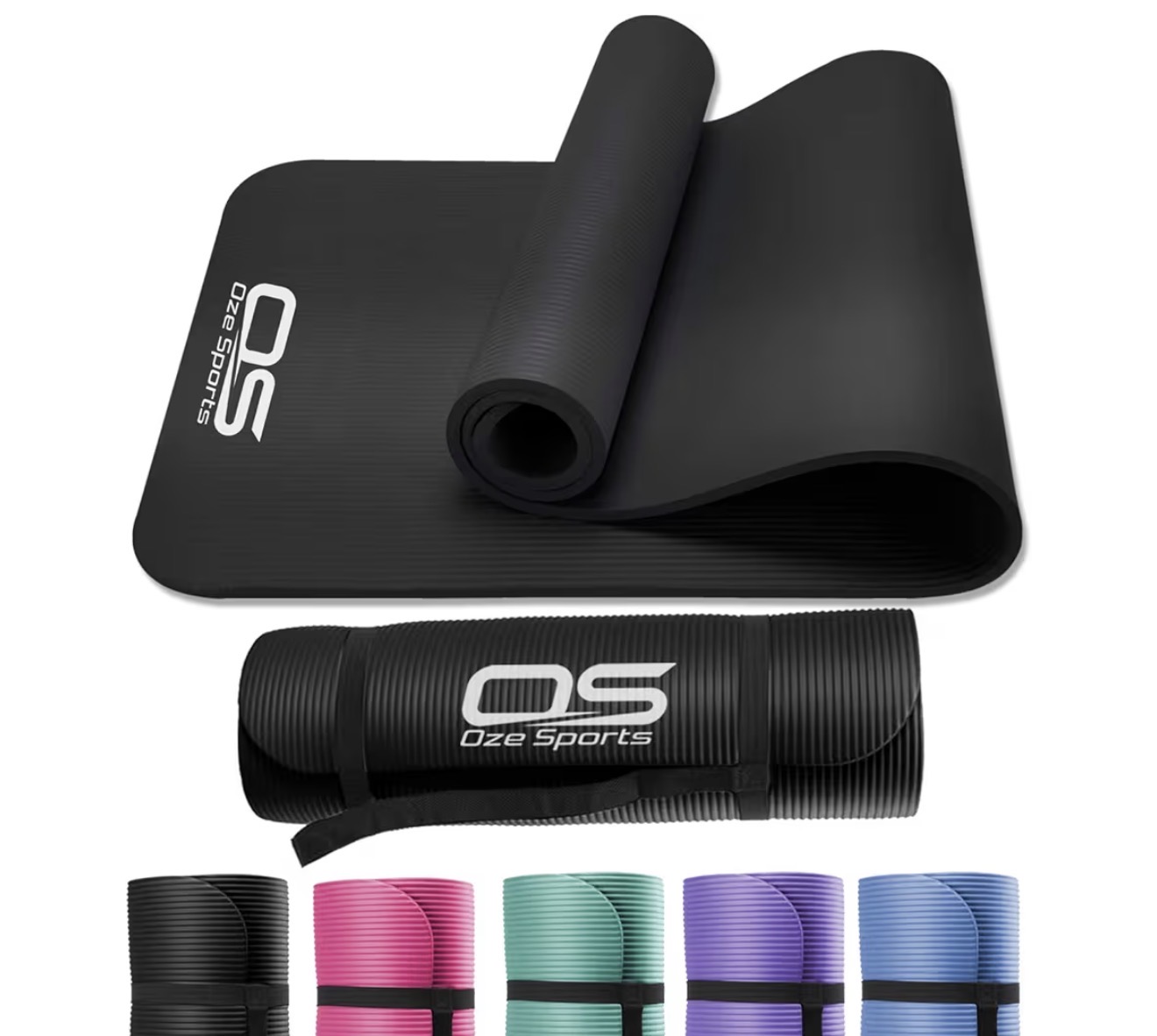
Exercise mat
Exercise mats cushion floor-based movements such as stretching, yoga and core exercises. Material, thickness and grip affect comfort and stability.
Check price on Amazon
See the current price and availability on Amazon before ordering.
Affiliate link. We may earn a commission at no extra cost to you.
How do you choose the right size and type of compression gear?
Select based on your primary activity and affected area; socks for the lower leg, sleeves for flexibility, tights for overall coverage. Measure your limb circumference at multiple points and consult specific brand sizing charts. Prioritise graduated compression designs and comfortable, non-restrictive fit.
How can I tell if a product is medical grade or just sports compression?
Medical-grade compression products display precise pressure (mmHg) ratings, regulatory marks (like UKCA, CE in the UK, or FDA in the US) and are typically used for managing health conditions. Sports gear often gives general compression levels and may lack detailed regulatory labelling.

African Mango
Nutrina supplement based on African mango (Irvingia gabonensis) seed extract; weight-loss evidence remains limited.
Checked 1 Nov 2026 · price may change; confirm shipping & taxes at the retailer.
Affiliate link. We may earn a commission at no extra cost to you.
Are there regional differences in standards or fit?
Yes, sizing conventions, pressure grading, and whether a product lists medical indications vary between regions and brands. Always check pressure numbers and sizing details relevant to your country and review the manufacturer’s exchange or return policy before buying online.
References
FitnessScopes may earn a commission through affiliate links. This supports our evidence-based guides with no added cost to you.