
Choosing the right heart rate monitor can improve your training, help you track cardiovascular progress, and enhance your understanding of your body’s response to exercise. This heart rate monitor buying guide draws on official sources and evidence to help both recreational and serious athletes make informed, practical choices that go beyond marketing claims. Whether you train for endurance, fitness, or sport, knowing what to expect regarding accuracy, features, and compatibility can save money and frustration over time.
Types of Heart Rate Monitors: Pros and Cons
The two main heart rate monitor types are chest strap ECG sensors and optical (wrist or armband) devices. Chest strap monitors, which detect electrical signals from your heart, have long been the standard for athletic accuracy. Optical heart rate monitors, often integrated into fitness watches, use LEDs and light sensors to measure blood flow in your wrist.
- Chest strap monitors: Generally more accurate, especially during high-intensity or interval exercise, because they measure the actual heart signal. They can be less comfortable and usually require syncing with a watch or smartphone but are preferred by athletes and in clinical studies for precise data.
Example: In one study, the Polar H7 (chest strap) achieved near-perfect correlation with ECG, making it the reference for accuracy in both healthy athletes and cardiac rehabilitation contexts (Pasadyn et al., 2019; Etiwy et al., 2019). - Optical monitors (wrist/armband/fitness watches): Provide convenience, comfort, and can offer 24/7 tracking for general wellness. However, optical accuracy may degrade with arm movement, skin tone, or sweat, and performance varies significantly between devices and exercise modalities. Some watches, like the Apple Watch, have performed quite well relative to others, but rarely reach chest strap-level reliability across all conditions.
Example: Apple Watch performed better than several other wrist-worn devices, but still showed notable variation by activity (Etiwy et al., 2019).
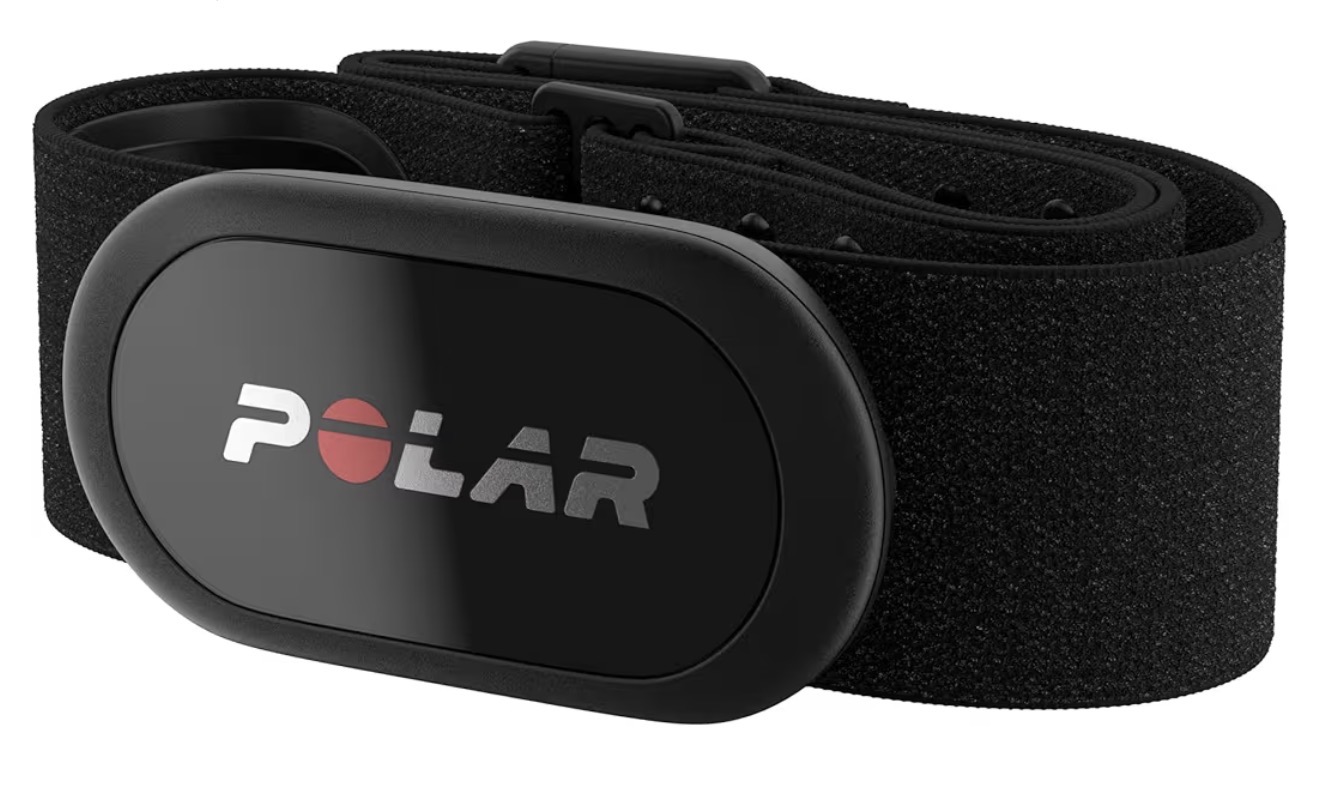
Heart-rate chest strap
Chest-strap heart-rate monitors track heart rate during exercise using a strap-mounted sensor. Compatibility with a watch or app depends on Bluetooth or ANT+ support.
Check price on Amazon
See the current price and availability on Amazon before ordering.
Affiliate link. We may earn a commission at no extra cost to you.
Accuracy: Clinical Evidence vs Claims
Although all heart rate monitors claim accuracy, independent research underlines important differences under real-world conditions. Chest straps consistently achieve the highest agreement with electrocardiogram (ECG) measurements, particularly during vigorous activities.
- Chest straps match ECG accuracy closely in both healthy and clinical populations (correlation coefficients nearing 0.98-0.99) (Pasadyn et al., 2019; Etiwy et al., 2019).
- Optical wrist monitors' accuracy varies depending on brand, device generation, skin type, and physical activity. The best-performing optical watches had strong correlation in some tests (up to 0.89) but tended to lag chest straps—especially during high-intensity movement (Pasadyn et al., 2019).
- Device error remains small for heart rate (often within 1–9%), but can be large for secondary measures like calorie burn, which should be interpreted with caution (Wallen et al., 2016).
Bottom line: If training intensity zones or clinical accuracy are crucial, a chest strap remains the strongest evidence-based recommendation for most users.
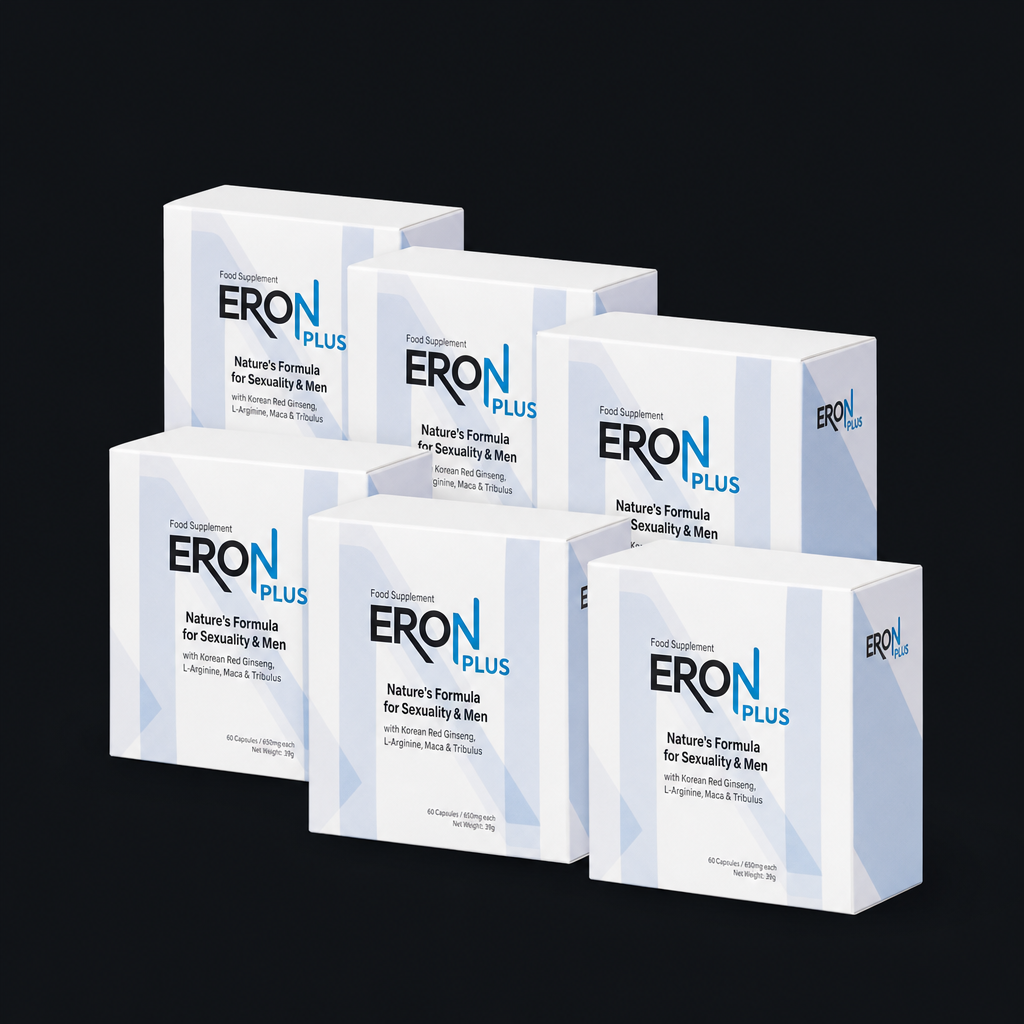
Eron Plus
Two-part men’s supplement system featuring L-arginine, maca, tribulus, ginseng and fenugreek; evidence for performance claims is limited.
View current price at retailer
Prices and availability change — confirm the current price at the retailer.
Affiliate link. We may earn a commission at no extra cost to you.
Practical Features: What Actually Matters?
Modern heart rate monitors and GPS trackers offer many features, but only some truly matter for most training needs:
- Data Export/Sync: The ability to export data (to platforms like Strava, Apple Health, Garmin Connect) is critical if you want to track trends, share with coaches, or use results in multiple apps.
- Battery Life: Chest straps may have replaceable coin cells lasting months, while wrist monitors (especially those with GPS or color screens) require weekly or even daily charging.
- Water Resistance: If you swim or sweat heavily, waterproofing matters. Confirm IP or ATM ratings in official product information.
- Comfort & Fit: Straps or watch fit can influence comfort and data reliability. Check adjustment range (inches/cm) and materials.
- Display and Controls: Consider screen legibility in sunlight, touch vs. button interfaces, and alert customisation for heart rate zones.
While additional features like GPS route tracking or smartphone notifications can be helpful, stick to devices that excel in core functionality for your needs (Which?).
Device Compatibility and Smartwatch Integration
Compatibility with smartphones (iOS/Android), cycling computers, gym treadmills, and third-party apps is crucial for a seamless experience. Many heart rate monitors use either Bluetooth Low Energy (BLE), ANT+, or both to communicate. Before buying:
- Check device and app compatibility – Not all monitors work with all phones or apps. Dual-antenna (ANT+ and BLE) devices offer the most flexibility, but device limitations are possible.
- Smartwatches vs. dedicated devices – Smartwatches offer general connectivity and 24/7 tracking but may compromise accuracy, especially during dynamic exercise. Dedicated sports watches or chest strap receivers are often the choice for performance-focused athletes due to reliability and battery life differences.
Verify that your intended training platform supports your desired device and data-sharing features before buying (Which?).
Privacy, Certification and App Data (US/UK Differences)
When using a heart rate monitor, your health data may be stored by both the device itself and its companion app(s). Privacy regulation and data processing differ between the US and UK. In the US, HIPAA applies mainly to clinical healthcare settings, so most fitness app data is managed by corporate privacy statements. Major brands may comply with GDPR when selling to the UK/EU, offering options to control, export, or delete your data. Always review terms of service and look for evidence of privacy certifications or statements on data processing for your region.
- US/UK Certification: There is no separate national device certification for general consumer heart rate monitors. Clinical-grade monitors may require FDA or UKCA/CE approvals if marketed for medical use, but most sports/training models are considered wellness devices and fall outside formal healthcare regulation.
- Cloud Storage and Third-Party Sharing: Review where your data is stored (US/EU servers) and how it is shared with partners or used for analytics.
- Device Return/Support Policies: These may vary based on place of purchase and local consumer law. Ensure return, warranty, and support provisions are clear, especially for imported or online orders.
For UK buyers, GDPR affords additional protections concerning access and deletion of your data. US buyers should carefully read privacy policies and consider only trusted providers (Which?).
Returns/Support Checklist & Summary Table
Before making your final choice, use this checklist and review table as part of your heart rate monitor buying guide:

Moringa Actives
Moringa-leaf-based weight-management supplement in a 60-capsule pack; marketed claims need evidence review.
Checked 1 Nov 2026 · price may change; confirm shipping & taxes at the retailer.
Affiliate link. We may earn a commission at no extra cost to you.
- Are device accuracy and activity requirements suitable for your training goals?
- Is your preferred app/device/ecosystem supported?
- What are warranty and return provisions (especially for online/third-party purchases)?
- Does the brand publish clear privacy and data-sharing policies relevant to your country?
- Are essential features (battery, waterproofing, comfort) robust enough for your use?
| Feature | Chest Strap ECG | Optical Wrist Device |
|---|---|---|
| Accuracy | Highest (matches ECG) | Good, varies by device & exercise |
| Comfort | Less (strap required) | More (wrist/armband fit) |
| Battery Life | Months (coin cell) | 1–7 days (rechargeable) |
| Waterproofing | Usually yes | Check model-specific |
| App & Device Compatibility | ANT+ / BLE, some watch support | Bluetooth, smartwatch integration |
| Data Privacy | App/brand dependent | App/brand dependent |
| Best For | Performance & clinical use | Everyday/wellness tracking |
Affiliate Disclosure: This article provides impartial information only and does not include affiliate recommendations or links.
Explore more Performance & Recovery GuidesRelated FitnessScopes guides
- endurance performance: how to improve aerobic fitness
- exercise bike vs rowing machine for home cardio: buyer comparison
- exercise rest days: how to plan recovery across a week
- how to judge workout intensity without a fitness tracker
- rest days: why they matter
- warm-up routines before exercise: a practical guide by activity