
Sports watch vs fitness tracker—this is a decision many people face when looking to monitor their everyday activity, health, or athletic training. With consumer interest in digital health tools rising, both device categories offer overlapping features but differ in design focus, application, and the type of users they serve best. This guide provides a practical comparison, grounded in the latest research, to help you select the right device for your goals and everyday life.
Introduction: Tracking Activity and Health
Wearable technologies, including sports watches and fitness trackers, have become central tools for individuals aiming to monitor physical activity, achieve health goals, or support sport-specific training. They provide data on metrics such as step count, heart rate, distance, and sleep, integrating seamlessly into daily routines. Rigorous evidence indicates these devices can support behaviour change and improve engagement with physical activity, especially when paired with clear health guidelines (see the US CDC’s Physical Activity Guidelines and the UK NHS’s guidance for adults). However, device choice impacts the kind of feedback and motivation users receive, and determines compatibility with specific health or training goals.
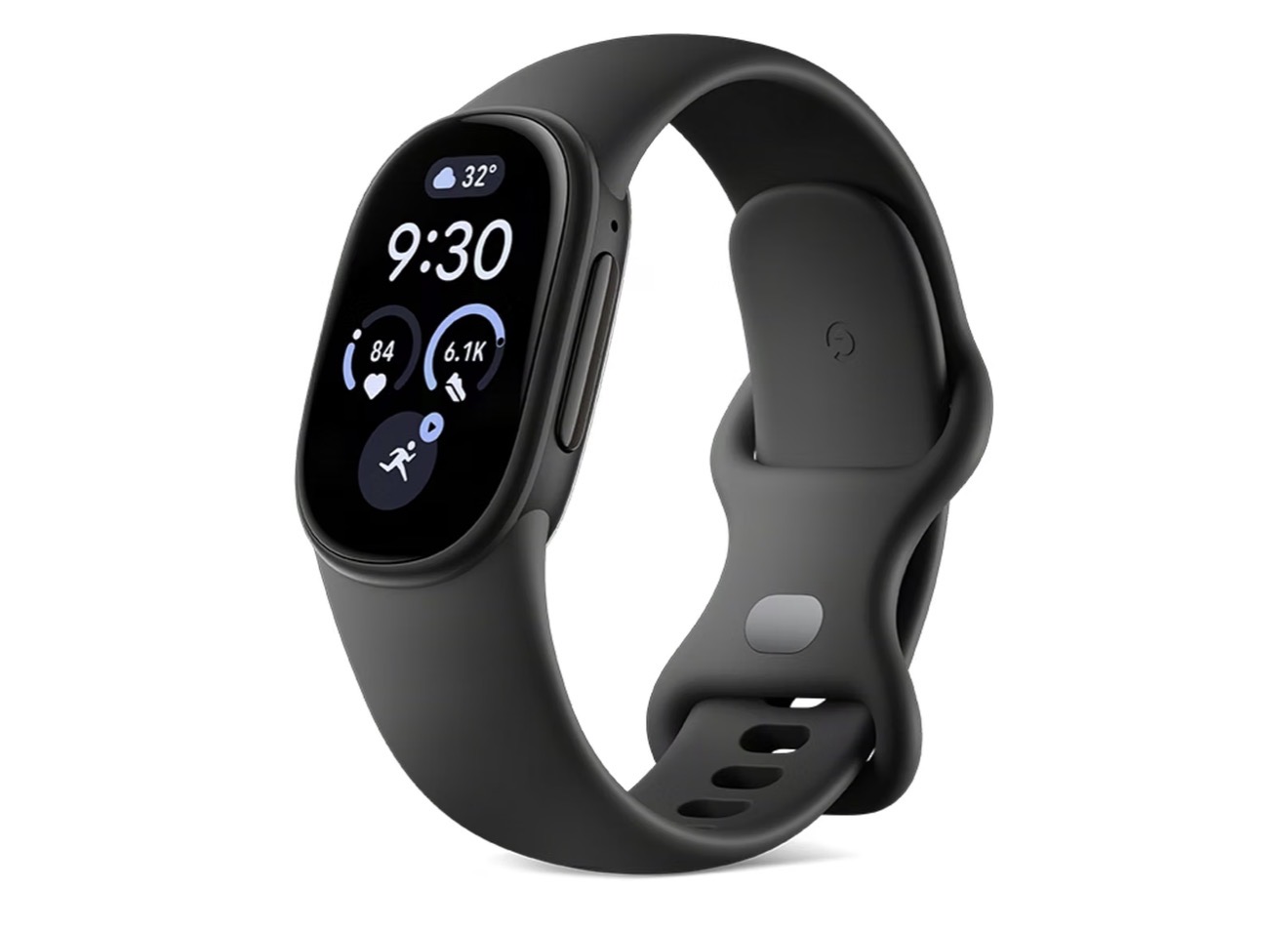
Fitness activity tracker
Activity trackers can log movement, step counts and some heart-rate or sleep estimates, depending on model and sensor. These consumer readings are not medical diagnoses.
Check price on Amazon
See the current price and availability on Amazon before ordering.
Affiliate link. We may earn a commission at no extra cost to you.
Key Features of Sports Watches (GPS, durability, sport modes)
Sports watches are purpose-built for training and athletic performance. Their core features typically include robust onboard GPS for tracking outdoor activities such as running, cycling, or hiking. Many also offer durable, water-resistant or shockproof builds suitable for demanding environments. Sports watches often come with diverse sport-specific modes, allowing users to record detailed metrics for various activities (e.g., interval running, swimming, triathlon). Advanced models may support heart rate variability analysis, advanced mapping, altitude measurement, and in-depth pacing analytics for serious athletes. Practical advantages include direct access to data, large screens optimised for outdoor visibility, and extended battery life during GPS use compared to general-purpose trackers. For users prioritising performance improvement or outdoor adventure, sports watches offer tailored suitability and resilience.
Key Features of Fitness Trackers (step count, sleep, integration)
Fitness trackers are designed around everyday health and general activity monitoring. Their main functions include step counting, all-day heart rate tracking, and sleep monitoring—areas where users can benefit from consistent feedback and gradual improvement. Most fitness trackers have streamlined, lightweight designs and longer battery life in day-to-day use since they rarely support full-scale GPS. Trackers typically focus on user-friendly app integrations for goal-setting, reminders, and achievement badges to encourage habits. Ease of integration with third-party health, smartphone, or wellness apps is common. Their discreet style suits all-day wear in diverse settings, from office to gym. Trackers excel for users whose goals involve staying active, building better health habits, or monitoring progress toward public health guidelines rather than peak athletic performance.

Testomore
Men’s dietary supplement marketed for testosterone and vitality support; assess the current ingredient label and evidence before buying.
Checked 1 Nov 2026 · price may change; confirm shipping & taxes at the retailer.
Affiliate link. We may earn a commission at no extra cost to you.
Accuracy and Evidence on Monitoring
Both sports watches and fitness trackers use consumer-grade sensors to estimate physiological and activity metrics. Evidence summarised in recent reviews highlights that step count and heart rate are generally reliable in both categories, though accuracy may drop during certain activities, high-intensity exercise, or for individuals with unique health profiles (see Zhu et al., "Device... Digital Health Studies" 2026). GPS-enabled sports watches generally offer greater precision for distance and pace compared to trackers without integrated GPS. When measuring advanced metrics—such as heart rate variability (HRV) or sleep stages—device differences, variations in sensor locations, and proprietary algorithms can result in inconsistencies, as outlined in the review by de Jager et al. (2026). For everyday health tracking, fitness trackers suffice, but for specialized training or location data, sports watches provide an edge.
Device Limitations and Buying Considerations
Every device, whether a sports watch or a fitness tracker, has practical limitations. Sports watches, while powerful, are pricier and may be bulkier and less stylish for 24/7 wear. Fitness trackers, though sleek and cost-effective, may not accurately capture data during sport-specific or outdoor activities without dedicated GPS, and often depend heavily on smartphone integration. Both device types require user engagement, regular syncing, and occasional firmware updates. Technical unreliability—such as app bugs or inconsistent syncing—can impact user satisfaction, leading some to discontinue use (Niu et al., 2026). Further, the proprietary algorithms for metrics beyond basics (like recovery or readiness scores) limit transparency and independent verification. Consider your device’s battery life, comfort, app compatibility, and data privacy statements, as well as your preferences for display size and physical durability.
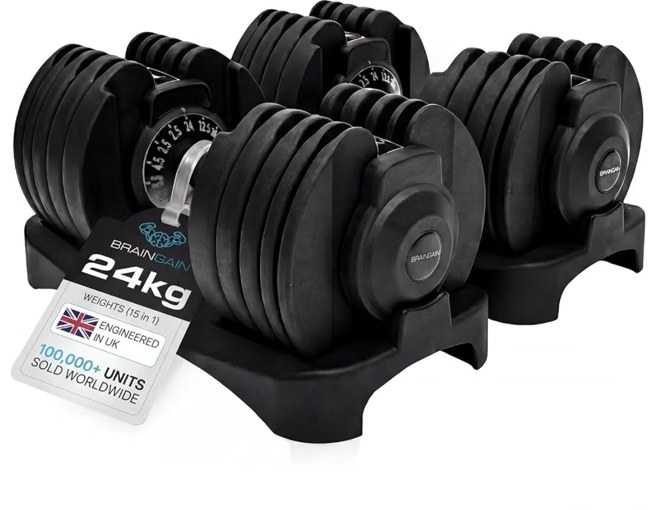
Adjustable dumbbells
Adjustable dumbbells for strength training at home. Check the seller listing for weight range, adjustment mechanism and dimensions before buying.
Check price on Amazon
See the current price and availability on Amazon before ordering.
Affiliate link. We may earn a commission at no extra cost to you.
User-Type Fit: Who Should Choose Which?
Choosing between a sports watch and a fitness tracker hinges on your goals, activity style, and budget. Sports watches are most suitable for committed athletes, outdoor enthusiasts, or individuals seeking highly accurate training metrics and robust hardware. These users benefit from extended battery life during GPS use, in-depth activity profiles, and easy access to complex metrics without reliance on a smartphone. Fitness trackers are the better fit for everyday users aiming to increase general activity, improve wellness habits, or monitor basic health metrics. They are affordable, convenient, and often better integrated with consumer wellness platforms for diet, sleep, and behaviour change support. If you are primarily looking for motivation to meet public health recommendations—such as those outlined by the CDC or NHS—fitness trackers provide all essential tools. Think carefully about whether your needs revolve around athletic performance or lifestyle enhancement.
Label, App, and Integration Country Differences
Consumers in the US and UK should be aware that certain device features, data storage practices, or app functionalities may differ by region. For example, some sports watches and fitness trackers lock specific health metrics or integration capabilities—such as ECG (electrocardiogram), localised emergency services, or mobile payment—by country due to regulatory approval, app store availability, or local partnerships. Leading research indicates the landscape of available mobile health apps and wearable features varies when searching Google Play or Apple’s App Store across different regions (de Jager et al., 2026). Furthermore, privacy statements and data-sharing disclosures should be reviewed carefully, as regulations on health data can differ widely between the US, UK, and other markets. When comparing devices, check manufacturer support pages and app store listings for disclosures on regional capabilities and ensure your smartphone and preferred apps are compatible with your intended use country.
FAQs
What are the main differences between sports watches and fitness trackers?
Sports watches focus on advanced training metrics, GPS accuracy, and rugged build for sport-specific use. Fitness trackers excel in all-day health monitoring, step tracking, sleep, and integration with lifestyle apps, with a design optimised for daily wear.
How do accuracy, features, and battery life compare?
Sports watches typically offer greater accuracy for outdoor distance, pace, and advanced performance analytics. Fitness trackers reliably measure everyday steps and heart rate but may lack precision without GPS. Battery life is typically longer in trackers during standard use, but GPS use drains sports watch batteries faster.
Who benefits from each device?
Committed athletes, outdoor enthusiasts, or serious trainers benefit from sports watches. Fitness trackers work best for those aiming to increase daily movement, set health goals, and monitor general wellness habits. Choice should reflect user goals and environment.
Are there country-specific features or app compatibilities?
Yes, some device features or apps may be restricted to specific countries due to regulatory, privacy, or app store considerations. Always check regional availability and compatibility for your device and preferred health apps.
References
- Physical Activity Basics - CDC
- Physical Activity Guidelines for Adults - NHS
- Device and Data Access Considerations for Digital Health Studies Using Consumer-Grade Wearables: An Experience-Based Tutorial.
- Mobile Apps for Heart Rate Variability: App Store Search and Content Analysis.
- How do digital technologies improve the physical health of higher education students? A systematic scoping review.
Affiliate disclosure: Some links may generate commissions for qualifying purchases, supporting our editorial work at no additional cost to you.