
Agility ladder vs cone drills comparison is an essential consideration for coaches, athletes, and exercisers looking to maximise the benefits of agility training equipment. Both ladders and cones are widely used to develop foot speed, coordination, and change of direction skills, but their specific applications, practical strengths, and supporting evidence differ. This article examines the research, practical considerations, and product selection criteria, helping you make informed choices whether planning for home workouts, school sessions, or team environments.
Agility ladder: Evidence, uses and best-fit scenarios
Agility ladders offer adjustable, repeatable patterns on the ground to develop quick footwork, rhythm, and coordination. Ladder drills typically involve moving through rungs with rapid, precise foot placements. Research highlights that ladder training, as a subset of integrated neuromuscular training, primarily enhances lower limb speed and coordination skills. For example, in a comparative basketball study, rope ladder training significantly improved players’ foot speed, though it showed less effect on reactive agility or sport-specific skills compared to more cognitively engaging drills (Zhang et al., 2026).
Similarly, structured ladder routines have supported improvements in balance and certain jump-landing mechanics, with positive short-term adaptations in multi-sport populations (Purushothaman et al., 2026). However, gains tend to be most pronounced in pre-planned drills, with limited transfer to chaotic, reactive game situations. Ladder drills suit settings focused on technical footwork (e.g., physical education, return-to-play protocols, or personal training that emphasises rhythm and basic movement skills).
- Strengths: Portable; easy storage; multiple footwork drills; effective for beginners.
- Limitations: Less effective at developing reactive agility, perception, or off-centre movement; may be less engaging for advanced athletes.
Cone drills: Evidence, setup and training versatility
Cone drills for agility emphasise multi-directional speed, acceleration, deceleration, and rapid changes of direction. Cones can be arranged freely to mimic sport-specific movement patterns or to challenge reactive decision-making. Unlike ladders, which anchor athletes within a linear or grid-shaped path, cones allow drill creators to design courses that reflect open-skill environments, closely resembling the demands of many team sports.
Evidence from agility training studies suggests that cone drills, particularly those involving unplanned movement cues, are better at enhancing change of direction (COD) ability and reactive agility (Diao et al., 2026). Improvements in dynamic balance, quick acceleration, and controlled stopping have all been observed, especially among athletes training with external visual or auditory stimuli. Additionally, cones’ adaptability supports both entry-level and highly advanced drills, and they are easily scaled for individual, group, or field settings.
- Strengths: Maximum flexibility (shapes, distances, angles); suits both reaction and pre-planned drills; robust for outdoor use.
- Limitations: Requires more setup time; can be scattered/displaced on impact; some cone types less visible on certain surfaces.
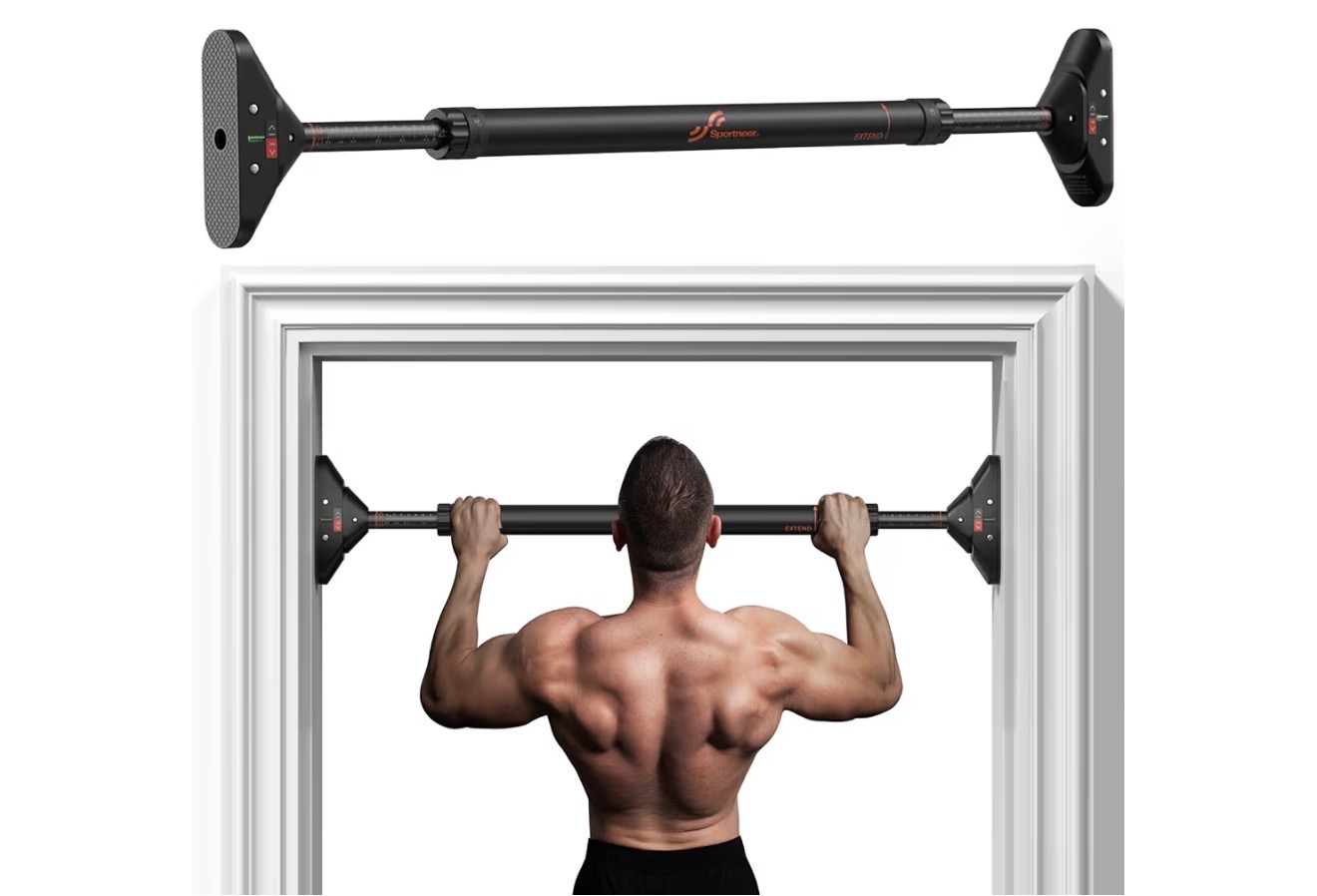
Doorway pull-up bar
A doorway pull-up bar for upper-body training. Check doorway compatibility, installation instructions and maximum supported load before use.
Check price on Amazon
See the current price and availability on Amazon before ordering.
Affiliate link. We may earn a commission at no extra cost to you.
Direct comparison: Outcomes, skills developed, practical pros/cons
How do agility ladders and cones compare in terms of training outcomes and practicality? Studies indicate ladders are superior in developing rapid, rhythmic footwork and coordination in repetitive, pre-planned tasks. However, when training priorities include real-world change of direction, reaction to spontaneous stimuli, or open-field agility, cone drills generally perform better.
For example, Zhang et al. (2026) found that while rope ladder drills significantly improved foot speed, participants using more cognitively complex agility training (such as cone-based tasks with unpredictable cues) saw superior gains in reactive movement and basketball-specific skills. Similarly, Diao and colleagues (2026) observed significant COD and balance improvements with agility-focused drills, suggesting cones facilitate broader neuromuscular and sensorimotor adaptations than ladders alone.
| Feature | Agility Ladder | Cone Drills |
|---|---|---|
| Footwork coordination | Excellent | Very good |
| COD/reactive agility | Limited | Excellent |
| Setup flexibility | Limited to grid/linear | Highly customisable |
| Ease of use | Very easy | Requires planning |
| Space/surface needs | Flat, obstruction-free | Any open area |
| Safety | Tripping risk if bunched | Risk is low; visibility varies |
In practical terms, ladders are highly effective for technique and repetition, perfect for settings where exercises are well-supervised or tightly structured. Cones excel where versatility, unpredictability, and progression towards genuine match situations are needed. Combining both can address the full agility spectrum.
Buying checklist: Durability, storage, visibility, surface compatibility, safety
- Durability: Choose robust plastic or rubber for cones; ensure ladders use non-tangle webbing and strong rungs. For heavy use, check reviews for UV resistance and breakage complaints.
- Storage: Ladders with roll-up/carry bags save time; stackable cones are quick to transport. Consider storage needs for team vs individual use.
- Visibility: Bright, high-contrast cone colours improve safety on turf/grass. Ladders should have visible rungs, even on multi-colour surfaces.
- Surface compatibility: Cones with weighted bases stay stable on windier outdoor fields. Ladders with anti-slip backing reduce shifting on gym floors.
- Safety: Look for smooth-edged cones and flat ladder rungs to reduce tripping risk. Avoid cheap products that become brittle or warp over time.
Always check product sizing – cone height and base width, ladder rung spacing and length – as these affect training challenge and appropriateness for different age groups. Read manufacturer documentation on weather tolerance and cleaning. Observe safety in shared spaces by assessing if movement patterns put users at risk of collision or entanglement.
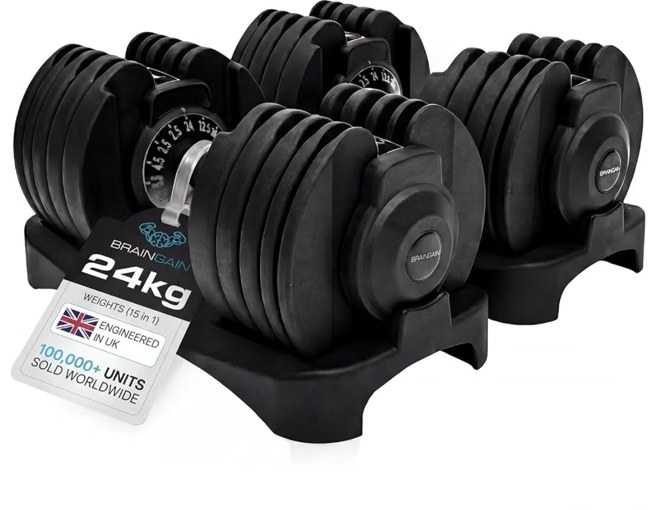
Adjustable dumbbells
Adjustable dumbbells for strength training at home. Check the seller listing for weight range, adjustment mechanism and dimensions before buying.
Check price on Amazon
See the current price and availability on Amazon before ordering.
Affiliate link. We may earn a commission at no extra cost to you.
Recommendations: Structured vs unstructured environments
When considering which equipment fits best for your needs, start with the training environment and athlete goals. Agility ladders work especially well in structured environments, where the focus is on technical development, movement economy, and repetitive drill-based learning. They are ideal for young athletes, rehabilitation, and PE settings where close supervision ensures correct technique.
Conversely, cone drills are better aligned with unstructured or semi-structured environments aiming to replicate sport demands—such as team practices, outdoor sessions, or advanced athletic development programs. Cones’ customisability suits everything from reaction-based challenges and relay configurations, to simulated game scenarios for both individuals and groups.
For most settings, a blended approach yields the broadest skills: ladders for warm-ups and coordination, cones for agility, reaction, and complex movement. Coaches and buyers should select equipment to match the dominant needs of their population and setting, ensuring that safety, durability, and ease of use remain at the forefront of purchasing decisions.
FAQs
What performance evidence exists for agility ladders vs cone set-ups?
Studies show agility ladders are effective for foot speed and coordination in pre-planned drills, while cone drills better enhance change of direction and reactive agility, especially in sports-specific settings. Evidence supports combining both for comprehensive agility development.
What are the practical differences and uses for each tool?
Ladders are compact, easy to deploy, and best for repeated footwork patterns. Cones are highly versatile, allow for a wide range of movement directions, and adapt well to team and outdoor environments. Choice depends on training goals and space available.
How should you choose for home, school or club use?
For home use, simplicity, storage, and safety are priorities—ladders suit basic drills, cones for flexible setups. Schools often benefit from both for varied curricula. Clubs may favour cones due to their adaptability for large groups and complex drills.
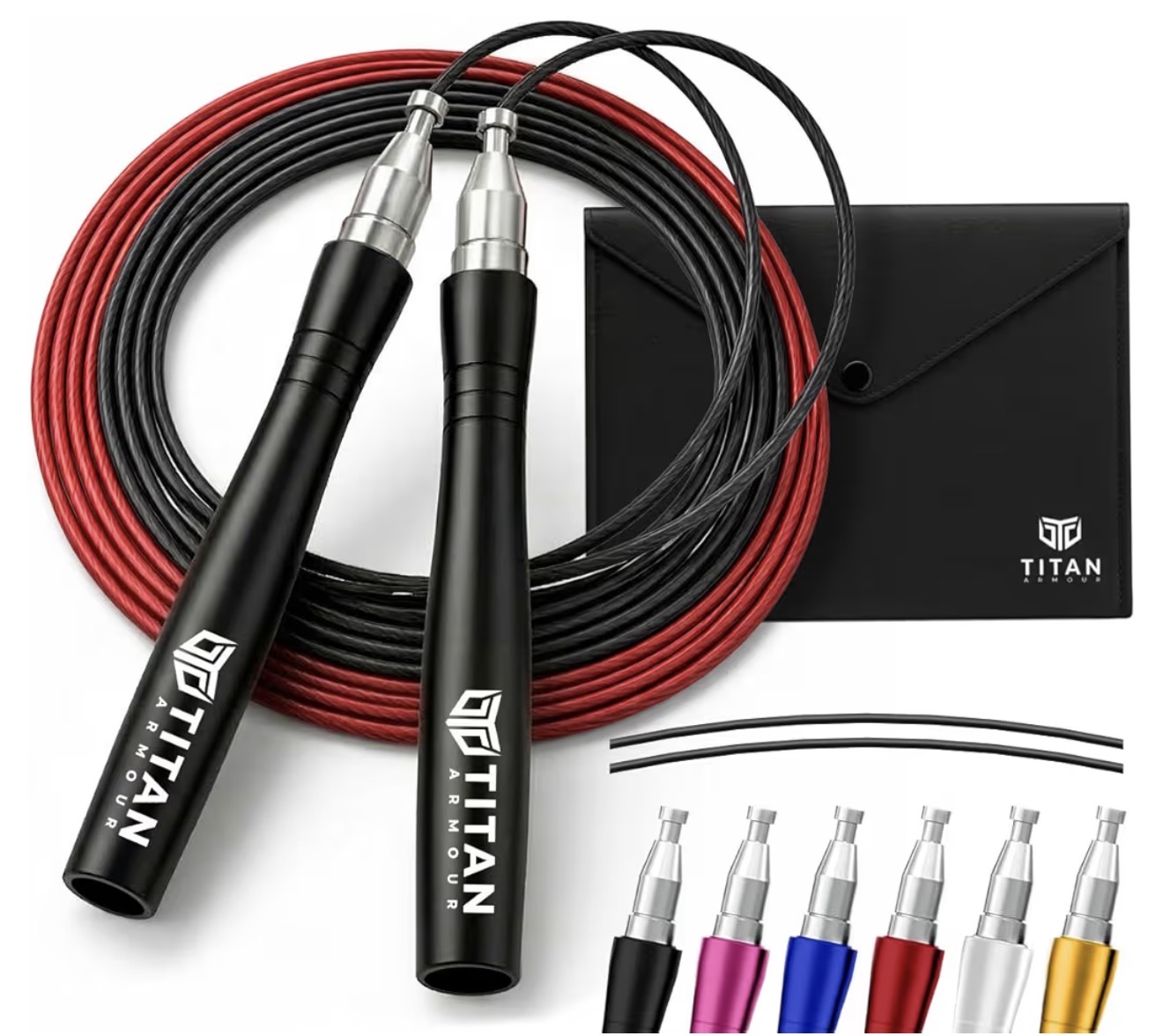
Adjustable skipping rope
Adjustable skipping ropes are used for warm-ups, coordination drills and cardio intervals. The cable length must suit the user's height; use in a clear space.
Check price on Amazon
See the current price and availability on Amazon before ordering.
Affiliate link. We may earn a commission at no extra cost to you.
What matters most when buying agility ladders or cones?
Key factors include durability, storage solution, visibility on target surfaces, safe design to minimise tripping, and appropriate sizing for your athlete population. Check reviews and product specs to match your environment and training needs.
References
- Impact of an 8-week integrated neuromuscular training program on anthropometric and body composition profiles, jump-landing mechanics, and vertical jump height in male volleyball athletes
- The effects of 12 weeks of Stroboscopic Visual Training (SVT) combined with agility training on the balance and change of direction performance in college-aged female soccer players
- The impact of computerized agility training on basketball performance: a comparative study with rope ladder training
FitnessScopes may earn a commission if you purchase through retailer links. This does not influence editorial content or recommendations.