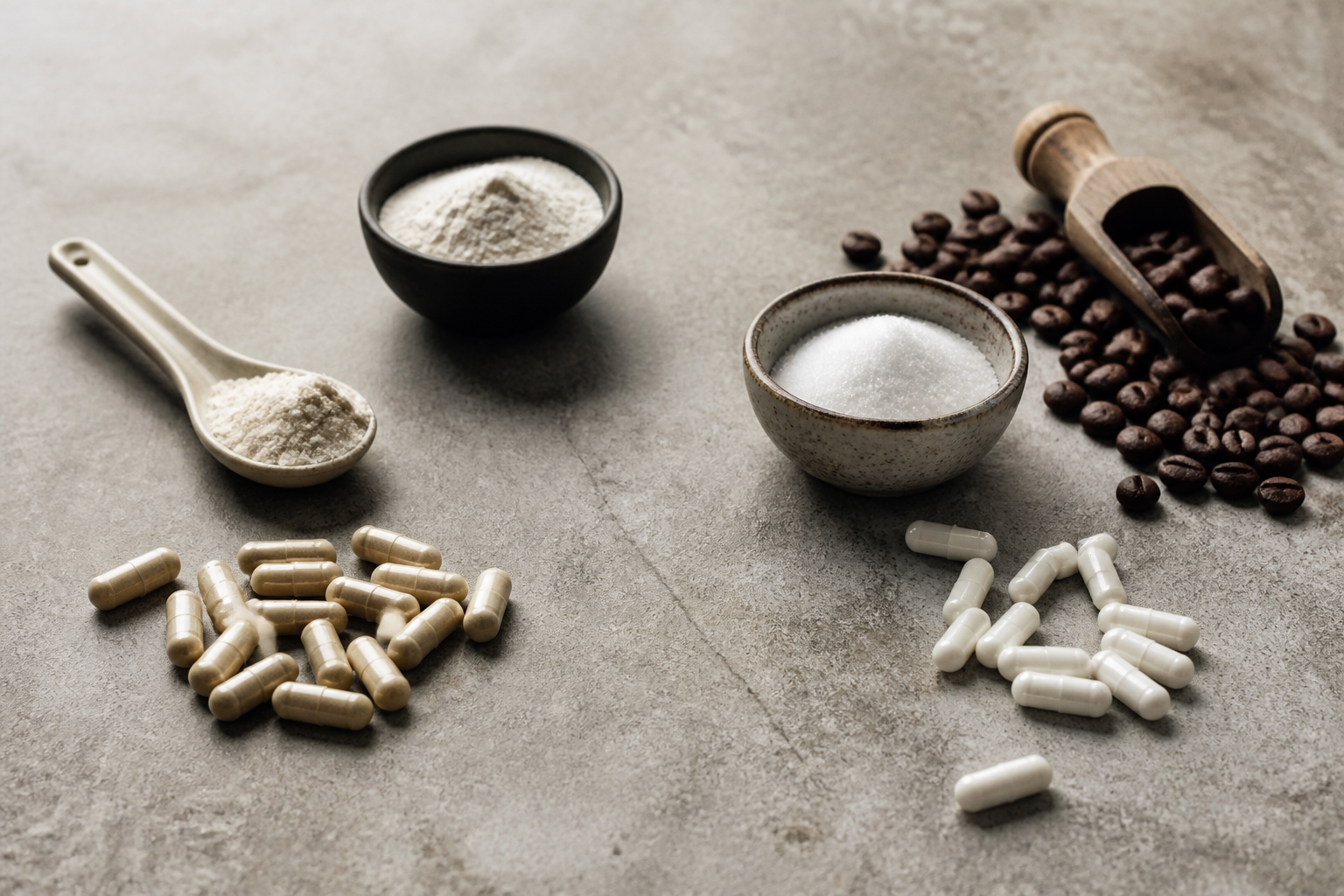
When comparing pre-workout supplements, a central distinction often lies in their stimulant content. For many consumers, understanding the pre workout caffeine vs stimulant free label comparison is crucial for both purchase and personal suitability. These products, widely used by athletes and recreational exercisers alike, present divergent ingredient profiles that directly affect efficacy, safety, and individual compatibility. Knowing how to read and evaluate label claims, international safety standards, and value propositions is essential for making an informed choice.
Product category overview
Pre-workout supplements are formulated to enhance exercise performance, delay fatigue, and support workout intensity. Traditionally, many formulas are built around caffeine—a proven ergogenic aid known to improve alertness and endurance for many users. The typical caffeine dose in commercial products can range broadly (often around 75 mg to 300 mg per serving, with 75 mg roughly equivalent to an average cup of coffee in both the US and UK). However, caffeine-free or “stimulant-free” products cater to individuals who wish to avoid its physiological effects, whether due to medical reasons, sensitivity, or preference for evening workouts.
Labeling – particularly in the UK and US – distinguishes between products containing stimulants like caffeine (from coffee, tea, guarana, or synthetics) and those omitting them. Stimulant-free formulas may instead emphasise amino acids, vitamins, minerals, or botanicals for perceived performance support. Ingredients such as creatine, beta-alanine, and B vitamins often appear in both categories. To compare products, buyers should focus on ingredient transparency, declared dosages, and relevant certifications.

African Mango
Nutrina supplement based on African mango (Irvingia gabonensis) seed extract; weight-loss evidence remains limited.
Checked 1 Nov 2026 · price may change; confirm shipping & taxes at the retailer.
Affiliate link. We may earn a commission at no extra cost to you.
Evidence and specification comparison
Caffeine’s effectiveness as a pre-workout ingredient is supported by extensive evidence, notably for increasing endurance and reducing perceived exertion. A review of current research highlights caffeine’s impact on exercise-related cardiovascular and metabolic responses, including increased heart rate and blood pressure, but also promotion of fat oxidation in certain contexts (Pre-Exercise Caffeine as a Modulator of Exercise-Induced Acute Cardiometabolic Responses: A Narrative Review). However, results are highly individual and context-dependent; variables such as dose, timing, exercise type, habitual use, and personal sensitivity all influence outcomes. While ergogenic benefits are documented, caffeine can trigger unwanted side effects, including jitteriness, digestive upset, or sleep disturbance.
Stimulant-free pre-workouts, by omitting caffeine and similar agents, generally avoid these acute side effects. Instead, they often tilt toward supporting basic nutrition (for example, B vitamins or electrolytes—see the NHS guidance on vitamins and minerals) or provide substrates like citrulline and beta-alanine. The evidence for non-caffeine ingredients varies by molecule: while creatine’s influence on muscle power and beta-alanine’s effect on muscular endurance are well-supported, other common inclusions (such as plant extracts) lack strong, consistent efficacy data. As such, actual label comparison should focus on which ingredients are used and in what amounts, cross-checked against reputable research and official recommendations.

Cappuccino MCT
MCT-containing coffee product sold in a 30-serving carton; caffeine content and weight-loss claims need checking.
Checked 1 Nov 2026 · price may change; confirm shipping & taxes at the retailer.
Affiliate link. We may earn a commission at no extra cost to you.
Safety and suitability
Personal safety and suitability are critical in choosing between caffeinated and stimulant-free pre-workouts. Caffeine-containing supplements may not be appropriate for everyone, especially for those with cardiovascular conditions, hypertension, anxiety disorders, or sleep disturbances. Acute physiological responses—including changes in heart rate and blood pressure—are confirmed in the literature, with effects depending on dose, individual tolerance, and the specific exercise context (Pre-Exercise Caffeine as a Modulator of Exercise-Induced Acute Cardiometabolic Responses).
Furthermore, recent reviews of athletic populations suggest that problematic caffeine use, dependence, and withdrawal are under-researched but could represent emerging concerns (Beyond Ergogenic Effects: Limited Evidence on Caffeine-Related Problematic Use, Dependence, and Withdrawal in Athletic Populations-A Structured Narrative Review). Practical implications include the risk of habit formation, withdrawal headaches, or dependency symptoms in frequent users. Stimulant-free formulas avoid these particular risks, though general supplement safety still demands scrutiny for allergens, contaminants, and the suitability of non-stimulant ingredients (such as excessive niacin or high-dose botanical extracts).
Always verify that supplement use does not exceed recommended daily intakes for vitamins and minerals—see specific country or regional guidelines (NHS). It’s advisable to consult a healthcare professional before starting any new supplement, especially for those with pre-existing health conditions or those taking medications.
Buyer checklist
- Ingredient transparency: Check the label for declared caffeine content (in mg per serving) and whether caffeine sources are natural or synthetic. Stimulant-free products should clearly confirm the absence of caffeine and other common stimulants.
- Evidence-backed components: Prioritize products using ingredients with well-established safety and efficacy at appropriate dosages (creatine, beta-alanine, B vitamins, etc.), as referenced in official resources such as the NHS and major international research reviews.
- Allergen and suitability checks: Review ingredient lists for allergens, animal-derived content (vegans/vegetarians), and suitability for your diet or lifestyle. Look for third-party certifications or quality assurances when possible.
- Regulatory compliance: Ensure the product meets local regulations and does not exceed maximum safe levels of key nutrients. Labels in the UK and US should provide units in milligrams (mg) and micrograms (μg), with vitamins sometimes listed as International Units (IU).
- Price and value: Compare the dosage per serving and the number of servings per container, rather than just the overall price. Be wary of proprietary blends where ingredient amounts are undisclosed.
- Brand reputation: Choose products from established manufacturers with transparent labelling, batch testing, and supply chain disclosures.
Limitations and caveats
No pre-workout—caffeinated or stimulant-free—offers guaranteed performance enhancement for all users. The evidence for caffeine’s ergogenic effects is more robust than for many alternative ingredients, but its benefit is not universal and adverse effects are possible. Non-caffeine ingredients vary widely in support, and some blend formulas rely on ‘fairy dusting’ (minimal effective doses, especially in proprietary blends) or unproven botanicals.
Current research identifies gaps regarding the long-term safety of regular stimulant-containing pre-workouts, particularly in sensitive individuals and athletes with high habitual intake (Beyond Ergogenic Effects: Limited Evidence). Studies on problematic use and withdrawal are limited and show the need for more standardized investigation. As with all supplements, pre-workouts are not substitutes for a varied, balanced diet or evidence-based training interventions. Purchasing decisions should always be guided by personal health, verified label information, and consultation with qualified professionals when required.
References
FAQs
Which verifiable specifications matter when comparing pre-workouts?
Key specifications include the declared amount of caffeine per serving, the transparency of ingredient dosages, third-party testing, and compliance with local nutrient intake recommendations. Clear labelling of caffeine and common stimulants distinguishes stimulant-containing from stimulant-free products.
What safety and compatibility limitations should buyers consider?
Buyers should be aware of individual tolerance to caffeine, pre-existing health conditions (especially cardiovascular or anxiety-related), and the risk of dependence with regular use. Stimulant-free options may avoid these issues but can still carry risks if they contain excessive vitamins or certain botanicals. Always check for allergens and suitability for your diet or lifestyle.
How can buyers compare labels, warranty, and value effectively?
Compare actual dosages and servings per container, prioritize transparent formulations over proprietary blends, and review labelling for third-party certifications. Warranty policies differ by retailer; value should consider both ingredient quality and quantity, not just price alone.
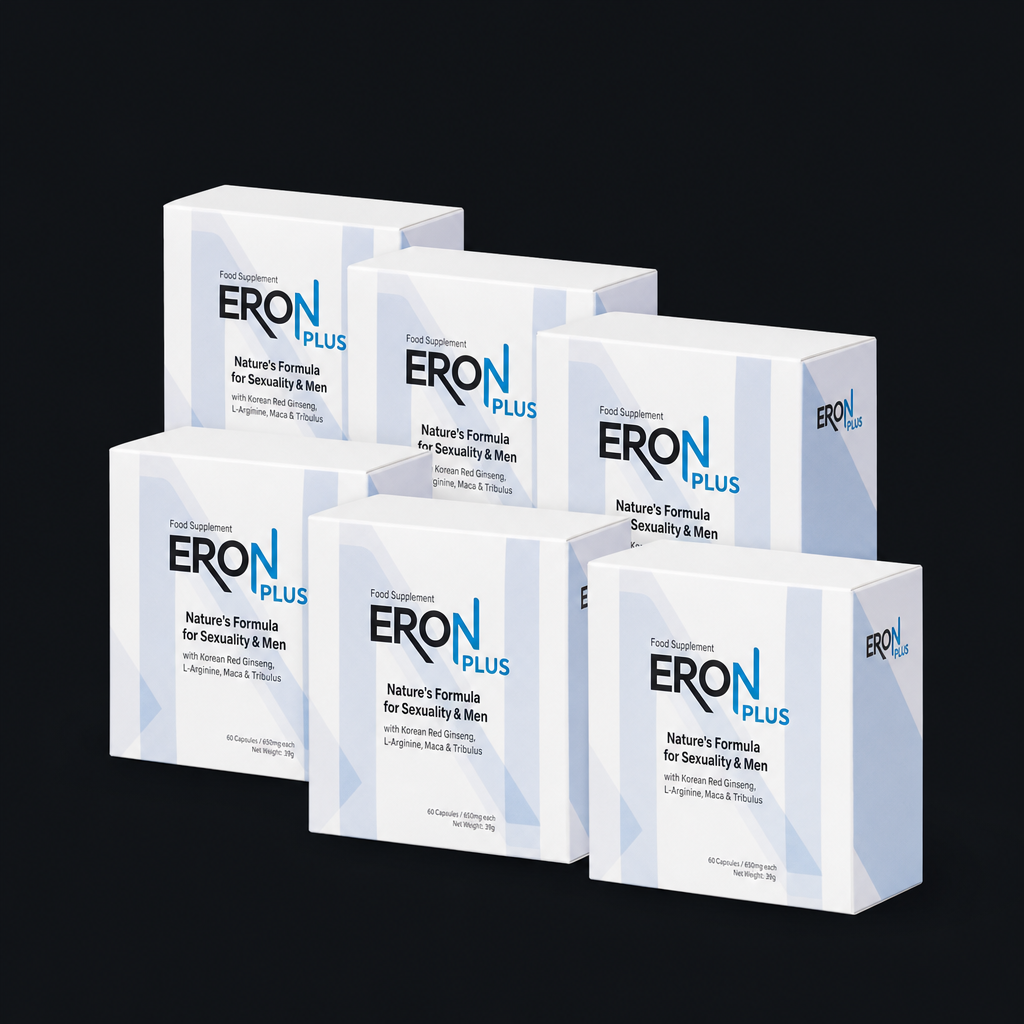
Eron Plus
Two-part men’s supplement system featuring L-arginine, maca, tribulus, ginseng and fenugreek; evidence for performance claims is limited.
View current price at retailer
Prices and availability change — confirm the current price at the retailer.
Affiliate link. We may earn a commission at no extra cost to you.
What features should different users prioritise?
Individuals sensitive to caffeine, with medical conditions, or training late in the day may prioritise stimulant-free formulas. Those seeking maximal evidence-based performance boosts might opt for controlled, moderate caffeine-containing products with well-supported co-ingredients. Ingredient transparency, safety, and personal health history always come first.
Disclosure: This article contains general information and may reference commercial supplement categories. It does not constitute medical advice or individual endorsement. FitnessScopes may earn commissions if readers act on commercial recommendations.