
Creatine monohydrate vs creatine blends is a crucial topic for adults weighing supplement options to enhance fitness, cognitive function, or health. Creatine, renowned for its performance benefits in sports and commonly used worldwide, is available both as a single-ingredient (creatine monohydrate) and as part of multi-ingredient formulas (creatine blends). With heated debates about efficacy, safety and value, understanding how to scrutinise labels and evidence can help consumers make genuinely informed purchasing decisions.
Product category overview
Creatine monohydrate is the purest, most researched form of creatine, typically sold as a single active ingredient in powder or tablet form. It is widely used to support short-term high-intensity exercise performance and muscular recovery. Creatine blends, in contrast, contain creatine monohydrate or alternative creatine forms (such as creatine HCl, creatine ethyl ester), combined with other ingredients like amino acids, beta-alanine, carbohydrates, or herbal extracts. Blends often promise synergistic effects, but may vary considerably in dosage, transparency, and ingredient quality.
The regulatory landscape for supplements differs significantly between countries: in the UK, the NHS advises most adults can meet nutritional needs through diet, with supplements such as creatine generally considered unnecessary for the general population unless addressing a specific deficiency or condition. However, in athletic and aging populations, interest in targeted creatine supplementation has grown due to research supporting selected performance benefits and possible neuroprotective effects (NHS).
Evidence and specification comparison
When comparing creatine monohydrate vs creatine blends, it’s essential to distinguish the robust evidence base for pure creatine monohydrate from the mixed or limited data for multi-ingredient blends. Controlled trials and consensus statements consistently highlight creatine monohydrate as one of the best-validated supplements for enhanced short-duration, high-powered exercise and clinical repletion when deficiency is identified (Mancin L et al.). Its standardisation (typically 3–5 g per serving) makes label comparison straightforward.
Creatine blends, while widely marketed, rarely provide the same quantity of high-quality, ingredient-specific data. Blends may dilute creatine content, obscure individual ingredient dosages under proprietary formulas, and introduce variables (such as additional stimulants or plant extracts) with insufficient large-scale clinical evidence. Furthermore, the mixing of multiple actives in blends may raise the risk of ingredient interactions or confusion about which component delivers perceived effects (Burridge J et al.).
Summary Table:
| Criterion | Creatine Monohydrate | Creatine Blend |
|---|---|---|
| Ingredient transparency | High; usually single ingredient | Variable; proprietary blends common |
| Clinical evidence | Strong for exercise performance | Mixed; depends on combo and dose |
| Contamination risk | Lower (if reputable source) | Higher (especially unregulated blends) |
| Price/value | Generally cost-effective per gram | Often higher cost for added components |
| User targeting | Broad: athletes, older adults, some cognitive aims | May target niche or multi-goal users |

African Mango
Nutrina supplement based on African mango (Irvingia gabonensis) seed extract; weight-loss evidence remains limited.
Checked 1 Nov 2026 · price may change; confirm shipping & taxes at the retailer.
Affiliate link. We may earn a commission at no extra cost to you.
Safety and suitability
The safety profile of creatine monohydrate is well-documented in clinical literature, with most healthy adults tolerating standard doses (commonly 3–5 g per day). The most frequent side effects, such as mild gastrointestinal discomfort or water retention, are transient and resolve with dosage adjustment. More significant risks (e.g., kidney concerns) are rare in healthy individuals, but may arise in people with pre-existing renal conditions— prompting the importance of consulting with a healthcare provider before initiation (Burridge J et al.).
Creatine blends, especially those containing multiple active ingredients or stimulants, have a less predictable safety record. The risk of contamination, adulteration or unintentional doping is markedly higher in multi-ingredient blends, particularly those without third-party certification. The presence of undeclared substances in complex blends is cited as a real risk by anti-doping authorities and supplement safety reviews (Mancin L et al.). In the UK, the NHS highlights the importance of product veracity and the risks associated with exceeding recommended doses (NHS).
Buyer checklist
- Ingredient specificity: Look for detailed label reporting, showing the exact amount (in grams/mg) of creatine and each other active.
- Certification: Select products validated by reputable third-party bodies (Informed-Sport, NSF Certified for Sport) to reduce contamination risk.
- Value: Compare the cost per gram of creatine, factoring in serving size, number of servings, and proportion of active creatine. Blends may appear costlier per gram of usable creatine.
- Suitability for your goals: For pure performance or clinical need, creatine monohydrate is optimal. For complex or multi-goal supplementation, scrutinise blends for unnecessary ingredients or potential allergens.
- Returns and warranty: Check store or manufacturer policies, especially for blends that may cause unexpected side effects or fail to meet label claims.
- Legal compliance and anti-doping risk: Especially relevant for athletes: verify that the product ingredients do not include prohibited substances or unclear herbal/stimulant compounds.
Limitations and caveats
Most evidence for creatine supplementation relates directly to creatine monohydrate. Benefits of blends often rest on theoretical synergy or minor ingredient effects not supported by similarly strong data. Real-world user perception and satisfaction sometimes diverge from trial data, particularly regarding cognitive or non-athletic benefits, with some groups (women, older adults) more likely to report unmet expectations or side-effect concerns (Burridge J et al.).
Supplement regulations are not harmonised across markets, so product claims, labelling and availability differ between the UK, US and other English-language countries. Health and sport professionals recommend addressing supplementation on an individual, needs-based basis rather than as routine practice (Mancin L et al.). Always consult an appropriate health professional if you have pre-existing medical conditions or are taking prescription medication.
FAQs
Which verifiable specifications matter most when comparing creatine products?
Key specifications include the type and amount of creatine per serving, all other active ingredients with disclosed doses, third-party certification status, and clear expiration and batch numbers. Single-ingredient products offer straightforward verification; blends require careful ingredient panel review.
What safety and compatibility limitations should buyers consider?
Buyers should consider personal health status, potential allergies, known drug interactions, and the higher contamination risk of blends. Verified third-party testing and consultation with a healthcare provider are prudent, especially for athletes or those with medical conditions.
How can buyers compare value, labels and warranty between monohydrate and blends?
Calculate the cost and amount of creatine per serving, check for transparent ingredient lists, and seek products with satisfaction guarantees or return policies. Blends may offer less creatine per serving at a higher price and may lack clear dosing information for each ingredient.

Cappuccino MCT
MCT-containing coffee product sold in a 30-serving carton; caffeine content and weight-loss claims need checking.
Checked 1 Nov 2026 · price may change; confirm shipping & taxes at the retailer.
Affiliate link. We may earn a commission at no extra cost to you.
What user priorities should guide product choice?
Performance-focused adults may prefer pure creatine monohydrate for validated results, while those seeking convenient multinutrient options may consider blends if all components are required and doses are suitable. Allergy, dietary restrictions and anti-doping status are also relevant for each individual.
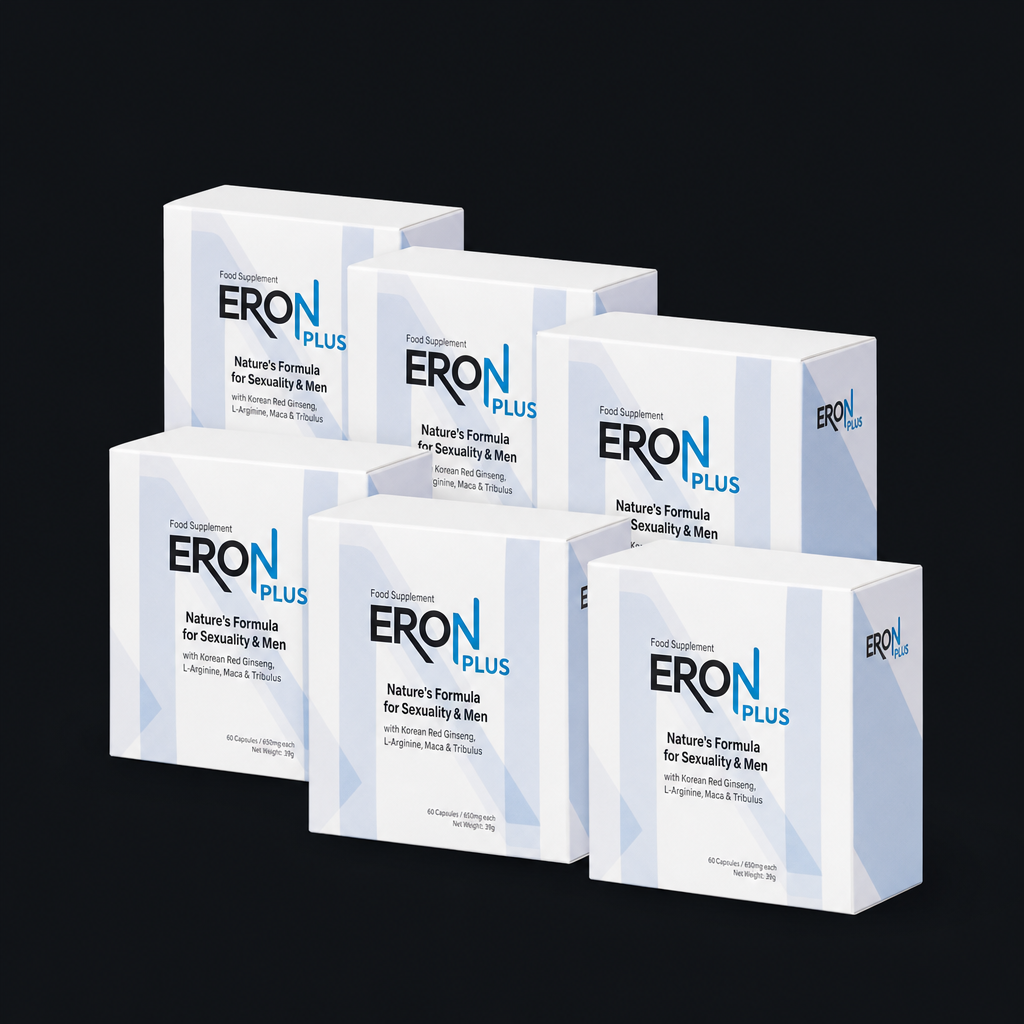
Eron Plus
Two-part men’s supplement system featuring L-arginine, maca, tribulus, ginseng and fenugreek; evidence for performance claims is limited.
View current price at retailer
Prices and availability change — confirm the current price at the retailer.
Affiliate link. We may earn a commission at no extra cost to you.
References
FitnessScopes may receive affiliate commissions from qualifying purchases. This does not influence editorial recommendations.