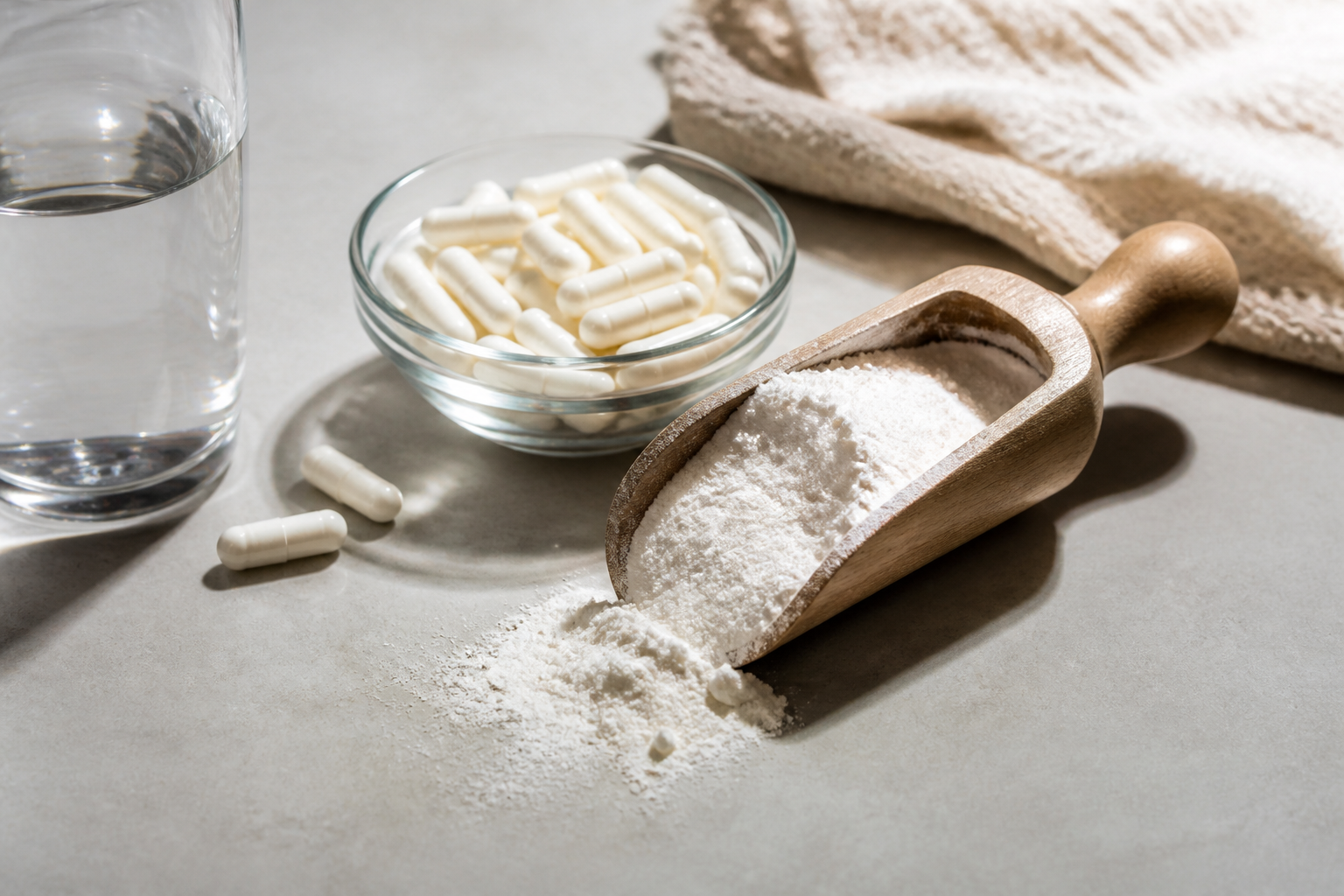
If you’re considering an l-carnitine supplement buying guide to inform your next purchase, you’re not alone—there’s growing interest in l-carnitine among active adults, athletes, and those seeking support for energy metabolism. With many varieties of l-carnitine available, differing regulations in the US and UK, and a range of claims about its effects, understanding the current evidence and what makes a quality supplement is essential to making an informed, safe choice.
Introduction: L-Carnitine Supplement Use
L-carnitine is a naturally occurring nutrient that plays a central role in energy metabolism. As a dietary supplement, it’s marketed for supporting exercise performance, muscle recovery, fat metabolism, and tissue health. Available in forms including capsules, powders, and liquids, l-carnitine is widely sold in the US, UK, and many other markets. Yet, not all supplements are created equal—differences in types (forms), ingredient quality, dosage, labelling, and regulatory standards can influence both effectiveness and safety. Understanding these distinctions is vital, especially given that in the US l-carnitine is sold as a dietary supplement (regulated by the FDA's dietary supplement standards), while in the UK and EU it may also be prescribed or recommended in specific medical contexts and must meet MHRA or EFSA guidance (ODS, NIH; NHS).

Bulk Extreme
Muscle and male-performance supplement; evaluate the complete formulation and claims before use.
Checked 1 Nov 2026 · price may change; confirm shipping & taxes at the retailer.
Affiliate link. We may earn a commission at no extra cost to you.
Scientific Evidence and Claimed Benefits
The primary claims for l-carnitine supplementation involve support for exercise performance, muscle recovery, and metabolic health. Human studies sometimes show modest benefits for particular groups, although the overall evidence is mixed and often context-specific. For example, a 2026 study involving overweight and obese adults found that supplementing 1,000 mg daily of L-carnitine (alongside exercise or alone) for 12 weeks did not significantly change markers of kidney or liver function, but also did not cause adverse effects—supporting its basic safety for short-term use under these conditions (Samsudin et al., 2026). Animal studies—such as research on rats undergoing simulated muscle disuse—suggest l-carnitine can reduce muscle atrophy, possibly relevant for clinical or rehabilitation settings (Jang et al., 2016), but direct application to human sports contexts requires caution.
While some data hint that specific populations (such as older adults, vegetarians, or those with deficiencies) may derive more benefit, robust exercise-performance improvements in healthy athletes are less reliably demonstrated. The US National Institutes of Health’s Office of Dietary Supplements emphasises that, while generally safe, l-carnitine's benefit for healthy individuals remains unclear and no official recommended dose for exercise outcomes is endorsed (ODS, NIH).
Forms of L-Carnitine Compared
There are several main forms of l-carnitine found in supplements:
- L-Carnitine (base): The simplest form, often used in research and general dietary supplements. Typically provides pure l-carnitine but may be less bioavailable than some derivatives.
- Acetyl-L-Carnitine (ALCAR): Commonly explored for cognitive and neurological functions as it can cross the blood–brain barrier. Sometimes claimed to add mental performance benefits, though exercise-specific effects differ from l-carnitine base.
- L-Carnitine L-Tartrate (LCLT): A form frequently studied in the context of exercise and recovery from muscle damage, with some evidence suggesting it may reduce post-exercise soreness. More rapidly absorbed than the base form.
- Propionyl-L-Carnitine: Sometimes marketed for circulatory or heart-health purposes rather than exercise performance.
Most human exercise trials reference base l-carnitine or LCLT at doses of 1,000–3,000 mg daily, but no universal dose or form is established for guaranteed benefits—differences often relate to intended effects, absorption rates, or user tolerance. The NHS in the UK notes that l-carnitine should be used carefully, especially in those with medical conditions, and highlights the importance of dose monitoring (NHS).
How to Check Supplement Label and Quality
Verifying supplement quality is vital—look for the following:
- Clear ingredient list: The label should state exactly which form is used (e.g., l-carnitine base vs. LCLT) and the precise amount per serving (given in mg).
- Quality marks or third-party certifications: In the US, look for NSF Certified for Sport®, USP Verified, or Informed-Sport logos, demonstrating some level of independent purity or label accuracy testing. In the UK/EU, products labeled as food supplements must comply with Food Standards Agency (FSA) rules, and some may seek third-party badges as well.
- Regulatory compliance: In the US, l-carnitine supplements must display a Supplement Facts panel, including serving size, active and inactive ingredients, manufacturer details, and safety disclaimers as required by FDA guidelines. In the UK, a Medicines and Healthcare products Regulatory Agency (MHRA) or FSA-compliant label is crucial—the product should not claim to treat, cure, or prevent disease.
- Proper dosing information: Trusted products provide clear directions and maximum recommended daily doses.
- Safety information and warnings: Labels should warn of possible side effects (such as nausea, stomach upset, or fishy body odour), allergen risks, and include medical consultation guidance, especially important for those with kidney or liver conditions (ODS, NIH; NHS).
If a supplement’s label is missing key details or quality marks, consider choosing a different product.
Summary Table: Forms and Evidence Grade
| Form | Main Use/Claim | Evidence in Exercise Context | Relevant Notes |
|---|---|---|---|
| L-Carnitine (base) | General energy metabolism, supplementation | Some support in special populations; limited in healthy athletes | Most used in human studies at 1,000–3,000 mg/day; generally safe short-term |
| LCLT (L-Carnitine L-Tartrate) | Exercise recovery | Moderate support for reducing muscle soreness post-exercise | Faster absorption; featured in exercise research |
| ALCAR (Acetyl-L-Carnitine) | Cognitive and neurological claims | More studied for brain function than exercise | Crosses blood–brain barrier |
| Propionyl-L-Carnitine | Circulation, heart health | Not primarily for exercise | May be prescribed rather than purchased OTC |
Practical Checklist Before You Buy

Testomore
Men’s dietary supplement marketed for testosterone and vitality support; assess the current ingredient label and evidence before buying.
Checked 1 Nov 2026 · price may change; confirm shipping & taxes at the retailer.
Affiliate link. We may earn a commission at no extra cost to you.
- Review why you want to use l-carnitine: energy, exercise recovery, medical advice?
- Decide which form is most suited to your needs. For exercise, LCLT or base l-carnitine are the most relevant.
- Look for transparent ingredient listing and exact dosage per serving on the label.
- Seek out independent third-party quality certifications (for US: NSF, USP, Informed-Sport; for UK: FSA-compliant, with supporting badges if possible).
- Check for regulatory required panels—Supplement Facts (US FDA) or appropriate food supplement labelling (UK/EU).
- Read all warnings—especially concerning pre-existing conditions or medication interactions.
- Be aware of the absence of universal dosage guidance for general fitness/performance; more is not always better.
- Consult a qualified healthcare provider if you have medical conditions, are pregnant, or take medications.
FAQs
What dose and form of l-carnitine is supported by evidence for exercise/performance?
Most exercise-focused studies use 1,000–3,000 mg of base l-carnitine or LCLT daily, but effects in healthy adults are modest and not reliable for all users. No globally agreed optimal dose exists, especially for fitness or athletic performance (ODS, NIH).
What should a trustworthy supplement label show (e.g., quality marks, dosing, warnings)?
A reliable label includes the specific form and amount of l-carnitine, usage directions, safety warnings, manufacturing details, regulatory panels (US: Supplement Facts; UK/EU: Food Supplement information), and quality certifications from respected third-party labs.
Which types/forms are most relevant, and why?
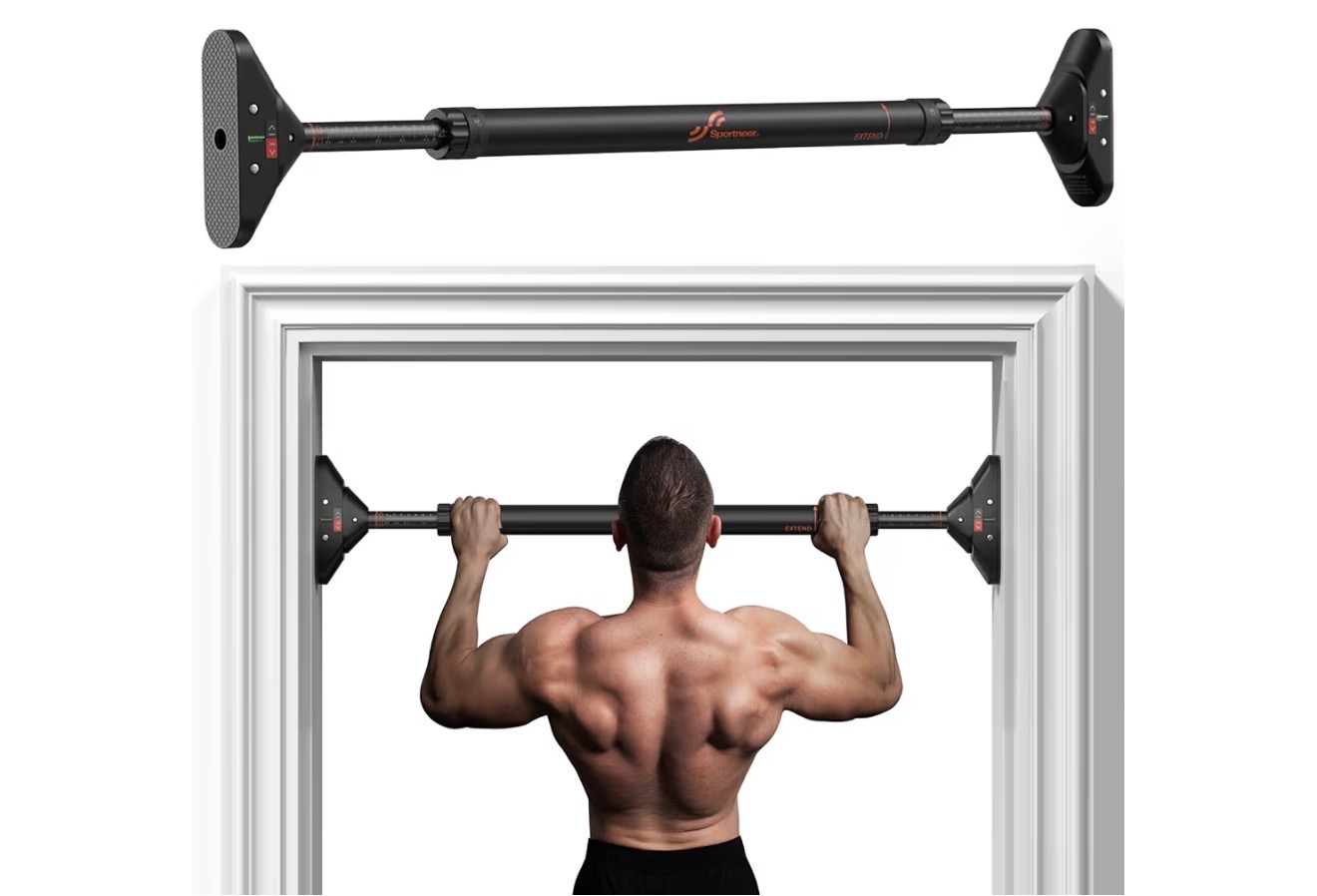
Doorway pull-up bar
A doorway pull-up bar for upper-body training. Check doorway compatibility, installation instructions and maximum supported load before use.
Check price on Amazon
See the current price and availability on Amazon before ordering.
Affiliate link. We may earn a commission at no extra cost to you.
L-carnitine base and LCLT are most studied for exercise performance and recovery. ALCAR is sometimes preferred for cognitive purposes, while propionyl-L-carnitine is mainly explored for vascular health, not exercise. Choice depends on your aim and clinical advice.
References
- "Carnitine: Fact Sheet for Consumers" – Office of Dietary Supplements (NIH, USA)
- "Carnitine supplements" – National Health Service (UK)
- Protective Effects of L-Carnitine Supplement Combined with Interval Training on Kidney and Liver Function among Overweight and Obese Individuals.
- l-Carnitine supplement reduces skeletal muscle atrophy induced by prolonged hindlimb suspension in rats.
Affiliate Disclosure
Some links in this article may be from our affiliate partners. If you purchase through them, FitnessScopes may earn a commission at no extra cost to you. Our editorial standards remain independent, and recommendations are based on current evidence and label requirements.