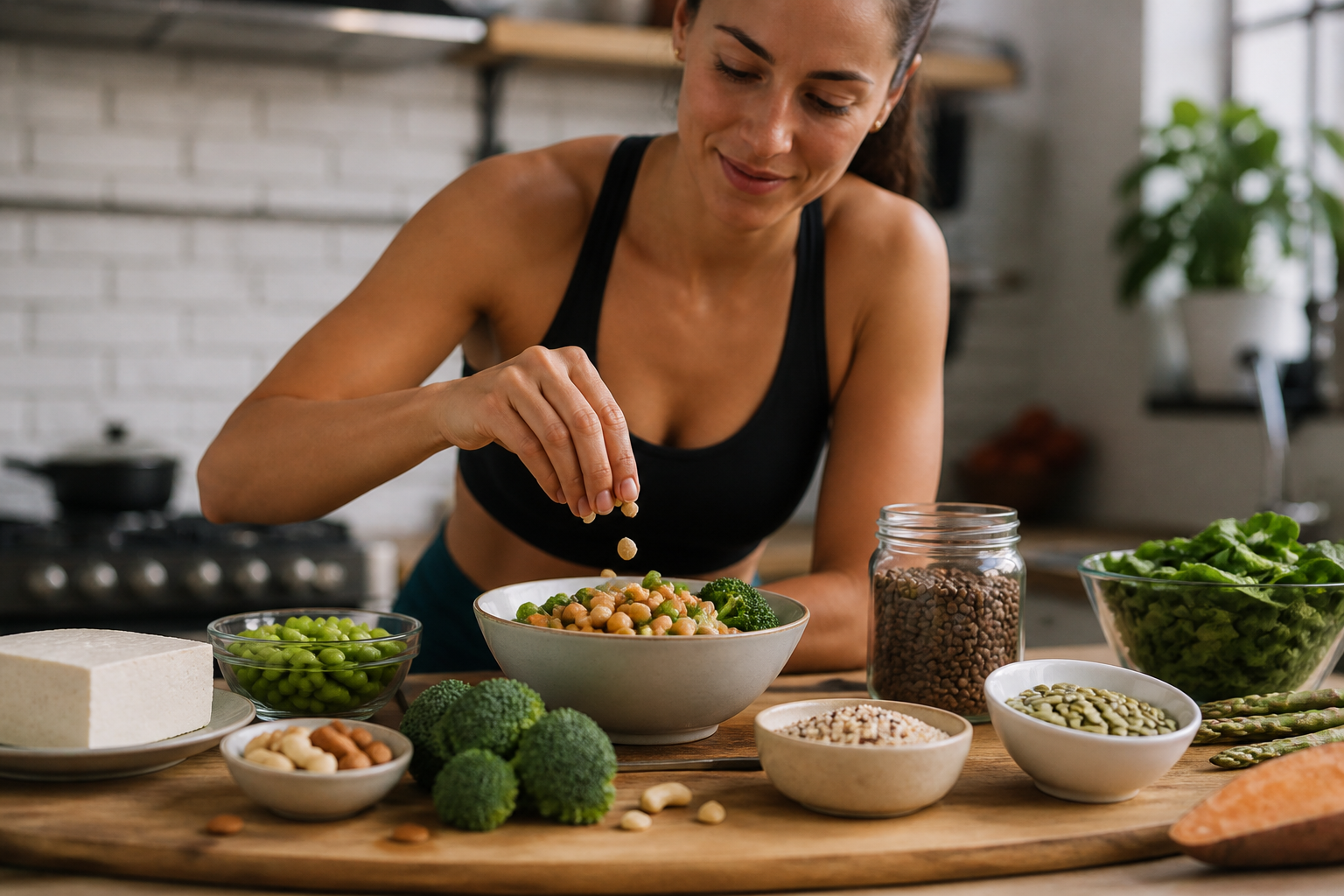
The rise in popularity of plant based protein sources among active adults is driven by evolving ethics, health trends, and concerns for environmental sustainability. But how do these foods stack up for meeting protein needs, especially for those who train hard or are targeting muscle recovery and growth? Navigating the options and understanding quality is key whether your interest is fully vegan, vegetarian, or simply focused on incorporating more plant protein for athletes into your regimen.
Introduction: Why Plant-Based Protein?
Plant-based diets are increasingly recommended for their potential health benefits, such as reducing risks of chronic conditions like cardiovascular disease and type 2 diabetes, as well as their gentler environmental footprint. For active adults, however, switching from animal to plant protein raises questions about protein adequacy, muscle maintenance, and overall nutrition. The U.S. National Institutes of Health (NIH) notes that Americans commonly rely on both animal and plant foods for protein, while the UK’s NHS emphasises a healthy mix in vegetarian and vegan diets. Key motivations include improved recovery, ethical values, and the pursuit of new, varied protein sources.

Moringa Actives
Moringa-leaf-based weight-management supplement in a 60-capsule pack; marketed claims need evidence review.
Checked 1 Nov 2026 · price may change; confirm shipping & taxes at the retailer.
Affiliate link. We may earn a commission at no extra cost to you.
Plant Protein Basics: What Is Complete Protein?
Proteins are made up of building blocks called amino acids, some of which are ‘essential’—the body cannot make them, so they must come from food. A ‘complete protein’ contains all nine essential amino acids in roughly optimal ratios for human health. Most animal proteins, including meat, eggs and milk, qualify as complete. In contrast, most of the typical vegetarian protein foods (such as beans, lentils, nuts, and seeds) are ‘incomplete,’ lacking one or more essential amino acids or providing them in smaller amounts. Some exceptions do exist: soy products (such as tofu, tempeh, and edamame) and quinoa are regarded as complete proteins. The NHS highlights the importance of combining different plant sources to ensure total daily coverage of all essential amino acids, especially in strictly vegan diets.
Top Plant-Based Protein Sources (by practical portion sizes)
For practical meal planning, the amount of protein per typical serving is crucial:
- Lentils (cooked): ~9 g protein per 1/2 cup (120 g)
- Chickpeas (cooked): ~7 g per 1/2 cup (120 g)
- Tofu (firm): ~8 g per 3 oz (85 g)
- Tempeh: ~15 g per 3 oz (85 g)
- Edamame (shelled): ~8-9 g per 1/2 cup (80 g)
- Quinoa (cooked): ~4 g per 1/2 cup (90 g)
- Peanuts, almonds, or mixed nuts: ~6 g per 1 oz (28 g) portion
- Pumpkin seeds: ~8 g per 1 oz (28 g)
- Seitan: ~18-20 g per 3 oz (85 g) (note: gluten-based, not suitable for those with coeliac disease)
- Whole grain bread: ~4 g per slice (34 g)
Milk alternatives (such as soy milk) can also provide substantial protein (e.g., ~7-8 g per cup/240 ml), but check labels as many plant milks are lower unless fortified.
Protein Quality: Comparing Amino Acid Profiles
When it comes to building or repairing muscle, protein quality—especially regarding the content of essential amino acids and digestibility—matters. Traditional animal proteins (egg, dairy, meat) are not only complete but are usually more readily digested. On the other hand, as shown in multiple reviews, including the meta-analysis by Mendes et al. (2026), plant proteins sometimes lag due to lower concentrations, especially of lysine, methionine, or leucine. This can affect muscle protein synthesis.
Studies comparing muscle protein synthesis in response to plant versus animal proteins have found minimal differences in younger adults (under 65 years), but slightly greater benefits from animal proteins in older adults, according to recent systematic reviews (Mendes et al., 2026 and van Vliet et al., 2015). However, the differences are small and plant protein for athletes can be optimised by eating a variety and adequate total amounts.
Meal Planning Tips for Active Adults
Achieving sufficient and high-quality protein intake without animal products is practical with careful food selection and portion control. Strategies include:
- Mixing and matching protein sources: For example, eating beans with grains (like rice or wheat bread) covers amino acid need across a day.
- Prioritising protein-rich plant foods: Rely on soy products, lentils, tempeh, and seitan when possible.
- Aiming for adequate total protein: The NIH suggests 0.8 g/kg body weight per day for healthy adults in the US. Active people or athletes often aim for 1.2–2.0 g/kg daily. For a 70 kg (154 lb) person, this is roughly 56–140 g protein per day, adjusted to activity and goal.
- Monitoring serving sizes and timing: Spread protein-rich foods across meals for better absorption and sustained availability.
- Supplementing if needed: While not always necessary, some athletes may use plant-based protein powders as a practical addition, especially after training.
The NHS advises that a well-planned vegetarian or vegan diet can meet nutritional needs, emphasising variety and attention to protein, B12, iron and calcium intake (NHS, 2024).

Nutrigo Lab Strength
Pre-workout powder with manufacturer-listed creatine, citrulline malate, RedNite and EnXtra. Manufacturer advertises 18 active ingredients; complete label and amounts need verification.
Checked 1 Nov 2026 · price may change; confirm shipping & taxes at the retailer.
Affiliate link. We may earn a commission at no extra cost to you.
Common Pitfalls and Evidence-Based Solutions
- Insufficient protein variety or portion size: Relying on just one category (e.g., rice or oats) may result in too little total protein and incomplete amino acid profiles. Solution: regularly combine legumes and grains.
- Digestibility concerns: Some plant proteins are less digestible than animal proteins, reducing availability. Cooking, fermenting, and sprouting can enhance digestibility.
- Low intake of specific amino acids: Vegan protein options may be lower in leucine, lysine or methionine. Solution: combine foods, and if needed, select foods higher in missing amino acids (e.g., soy, quinoa, amaranth).
- Falling short on total energy or nutrients: Focusing only on protein can miss other nutrients (like iron, B12, and calcium). Seek fortified foods or supplements as appropriate and use whole dietary patterns rather than repetitive meals.
Supplementation may be considered for specific nutrients, but for most, a well-planned diet suffices (NIH, 2022).
Conclusion: Evidence Summary
Plant-based protein sources offer active adults an effective and sustainable way to meet protein requirements when carefully chosen and combined. While some plant proteins are less concentrated in certain essential amino acids and may be modestly less effective for muscle protein synthesis—particularly in older adults—the differences are small for most people. Prioritising protein diversity, adequate total intake, and optimal meal planning can overcome most challenges. Both US and UK official sources highlight that vegetarian and vegan diets can provide all necessary nutrients when well constructed. Continued research may refine recommendations, especially for athletic populations, but current evidence supports the role of plant protein for athletes and active adults alike.
FAQs
What are common plant-based protein sources?
Routine options include beans, lentils, chickpeas, nuts, seeds, tofu, tempeh, seitan, quinoa, and plant-based milk (especially soy). Combining several of these enhances amino acid coverage.
How do plant proteins compare to animal proteins for muscle recovery?
Animal proteins are slightly more effective for muscle protein synthesis, especially in older adults, but differences are small and can be minimised by eating varied and sufficient plant proteins (Mendes et al., 2026).
How much protein do plant-based athletes need?
General guidance ranges from 1.2–2.0 g protein per kilogram body weight daily, adjusted to activity level, comparable to recommendations for all athletes (NIH).

African Mango
Nutrina supplement based on African mango (Irvingia gabonensis) seed extract; weight-loss evidence remains limited.
Checked 1 Nov 2026 · price may change; confirm shipping & taxes at the retailer.
Affiliate link. We may earn a commission at no extra cost to you.
What are complete versus incomplete proteins?
Complete proteins contain all nine essential amino acids in good amounts (e.g., soy and quinoa). Most plant proteins are incomplete on their own, but variety and combinations provide all essentials.
References
Disclosure: This article does not contain affiliate links or commercial promotions. Content is for informational purposes only. Consult a qualified dietitian or health professional for tailored advice.