
Magnesium supplement comparison is a crucial step when selecting a product to support your performance, recovery, or sleep goals. Fitness and health-conscious readers navigating the supplement aisle or online listings can find a dizzying array of magnesium forms—each promising unique benefits, but not all equally suited to every goal or digestion type. This in-depth comparison brings clarity by reviewing evidence for leading forms, how their absorption differs, and what legal claims and certifications actually mean in the United States and United Kingdom. Use this resource as a practical checklist and deep dive for magnesium, whether you’re an athlete, a busy professional, or simply seeking a reliable daily boost.
Overview: Why Magnesium?
Magnesium is an essential mineral, vital for hundreds of enzyme functions including energy production, nervous system support, and muscle contraction. Around half of body magnesium is in bones, the rest within cells or in blood. Modern diets may contain less magnesium due to food processing and soil mineral depletion. Low magnesium can lead to muscle cramps, fatigue, and contribute to longer-term health risks. While severe deficiency is rare, many active people or those under stress may not meet daily requirements (about 310–420 mg for adults, which equates to 11–15 mmol, per the U.S. NIH and UK NHS). Supplementation is considered when dietary intake falls short or extra support is needed for sleep, recovery, or performance. However, not all forms of magnesium supplement are equally absorbed or tolerated, so understanding their differences is essential (PMC 2021).
Forms Compared: Citrate, Oxide, Glycinate and Others
The most common forms found in supplements are:
- Magnesium oxide: One of the most widely available and cost-effective forms, but known for low gastrointestinal absorption. It provides a high magnesium content by weight but is less bioavailable for the body.
- Magnesium citrate: Magnesium bound to citric acid, which increases solubility and generally improves absorption. Citrate is often recommended for its digestibility and mild laxative effect, which can benefit those with occasional constipation.
- Magnesium glycinate (bisglycinate): Magnesium with glycine, an amino acid, resulting in a chelated form. Known for gentle action, it’s often preferred by those with sensitive digestion or aiming to support sleep due to glycine’s calming properties.
- Other forms: These include magnesium chloride, malate, lactate, aspartate, and threonate. Each has unique properties—for example, threonate is explored for possible cognitive benefits, and malate is popular among athletes for energy support. However, evidence for clear advantages over citrate or glycinate for the general population is limited (NIH ODS).
The choice depends on your health goals, digestion, and price sensitivity. For example, a simple "magnesium citrate vs oxide vs glycinate" comparison hinges on absorption and tolerability as much as cost or pill size.
Absorption, Tolerability and Dosing Evidence
Absorption rates and tolerability can significantly impact the effectiveness of a magnesium supplement. Magnesium citrate and glycinate are both more bioavailable than magnesium oxide, meaning a greater proportion reaches your bloodstream and target tissues (PMC 2021). Magnesium oxide may pass through the gut with relatively little absorption and may also be more likely to cause gastrointestinal side effects such as diarrhea or bloating due to unabsorbed material.
Glycinate (a chelated form) is typically best tolerated, with less risk of digestive upset, making it a popular choice for those who experience loose stools with other types. Citrate, while well-absorbed, has a mild laxative effect, which could be helpful or unwanted depending on the individual. Other forms such as magnesium threonate and malate have specialized claims but lack robust comparative data in healthy populations. Importantly, no form should be considered a replacement for dietary magnesium without medical advice, and excessive intake (from supplements) can lead to adverse effects such as diarrhea, especially above the US upper intake limit (350 mg supplemental magnesium per day for adults, not including dietary sources).
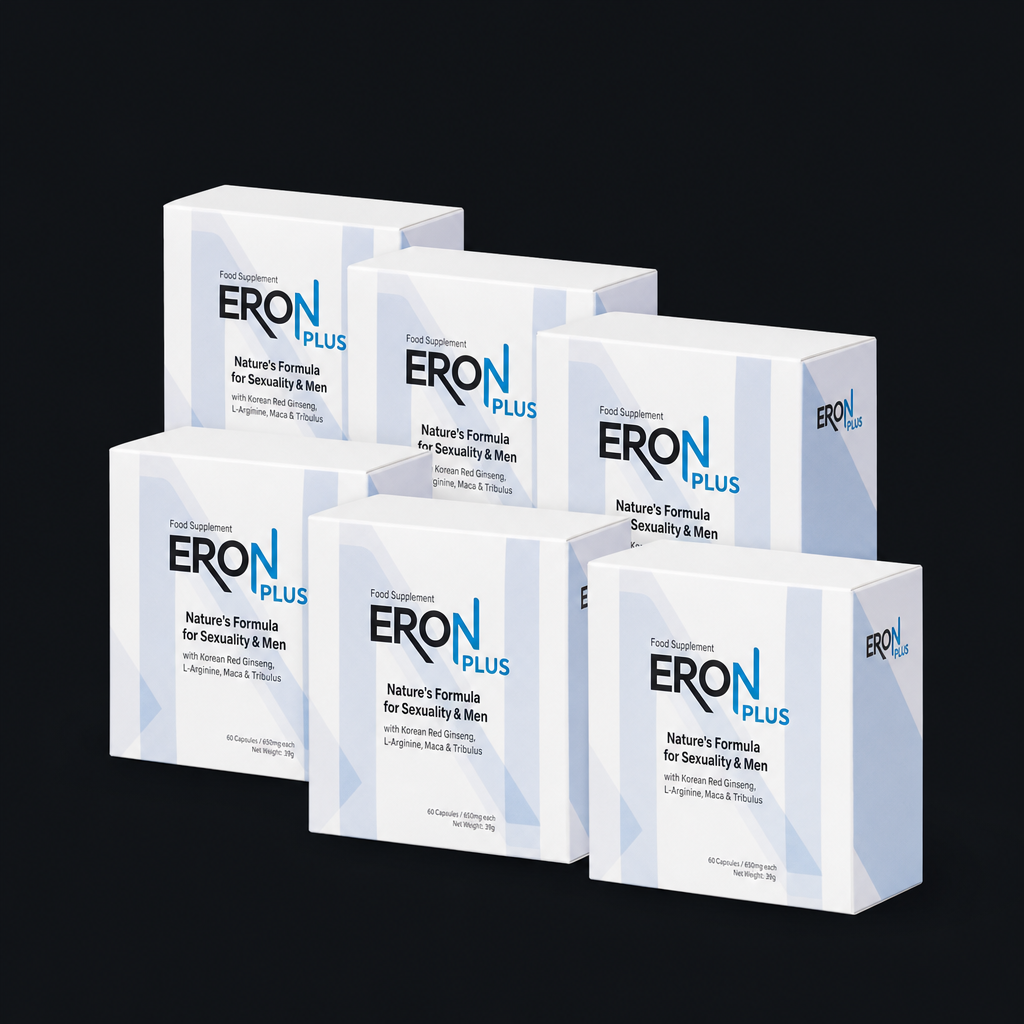
Eron Plus
Two-part men’s supplement system featuring L-arginine, maca, tribulus, ginseng and fenugreek; evidence for performance claims is limited.
View current price at retailer
Prices and availability change — confirm the current price at the retailer.
Affiliate link. We may earn a commission at no extra cost to you.
Label Claims, Safety and Official Guidance (US and UK advisory differences)
In both the US and UK, magnesium is regulated as a dietary/supplementary mineral, but rules for health claims and labelling diverge:
- US (FDA): Supplement labels must list the specific form and magnesium amount per serving. Claims can reference “normal muscle function” or “contributes to energy production,” but supplements cannot lawfully claim to diagnose, treat, or cure any disease (for example, “magnesium prevents migraines” is not permitted). Structure/function and deficiency-related claims are allowed if not misleading and if backed by evidence (FDA Label Claims), but are not FDA approved in advance. Only certain third-party certifications (USP, NSF, Informed-Sport) can verify manufacturing quality and label accuracy, not efficacy.
- UK (NHS/MHRA): Food supplement claims must comply with EU/UK nutrition and health claim regulations. Magnesium may only carry claims such as “contributes to a reduction of tiredness and fatigue” or “contributes to normal psychological function,” which are authorized by law. Disease treatment or prevention claims are not allowed on supplements. Labelling must include the nutrient content and the form used, plus recommended daily intake and warnings about exceeding guidance (NHS UK).
Neither US nor UK agencies routinely test supplements for content accuracy or safety. Third-party certifications give some added assurance, but consumers should stay vigilant about misleading or unverified claims. Before starting, especially if taking other medications, consulting a health care professional is strongly advised (FDA Q&A).

GigantX
Male-enhancement dietary supplement sold as 60 capsules; effectiveness and safety claims require independent verification.
View current price at retailer
Prices and availability change — confirm the current price at the retailer.
Affiliate link. We may earn a commission at no extra cost to you.
Label Checklist: What to Look For
To make a smart purchase, scan labels for these essentials:
- Magnesium Form: Clearly state which type is used (e.g., citrate, oxide, glycinate, malate).
- Elemental Magnesium: This is the active magnesium content per serving—not just the weight of the compound (e.g., 500 mg magnesium oxide may supply only ~300 mg elemental magnesium).
- Serving Size and Dosing: Look for daily serving size, maximum recommended intake, and whether doses align with guidance (e.g., not exceeding 350 mg elemental magnesium from supplements daily for adults in the US).
- Warnings/Interactions: Labels should caution against use with kidney conditions or potential interactions with medicines (such as certain antibiotics).
- Quality Certifications: Seek labels showing third-party testing, such as USP (US), NSF International, or Informed-Sport, which verify content and manufacturing standards but do not assure clinical efficacy.
- Supplement Facts Panel: This should list all ingredients, including fillers, binders, and capsule materials. Avoid products with undisclosed blends.
- Contact Details: There should be a way to report adverse events or contact the manufacturer.
Ignore language saying the supplement “treats” or “cures” any disease; such claims violate both US and UK law. Only consider products that make verifiable structure/function or authorized health claims and that provide transparent ingredient and dosing information.
FAQs
What are the main forms of magnesium in supplements?
The most commonly available forms are magnesium oxide, citrate, and glycinate. Other forms include malate, chloride, and threonate, but these are less commonly used for general supplementation.
How do absorption and tolerability differ?
Magnesium citrate and glycinate are usually better absorbed and cause fewer digestive side effects than magnesium oxide, which may be less bioavailable and more likely to lead to loose stools.
What claims can be made in the US vs UK?
US labels can make statements about structure or function (e.g., muscle support) but cannot claim to treat or cure diseases. UK rules allow only specific, legally authorized claims such as supporting reduction of tiredness, but disease references are also not allowed.

Moringa Actives
Moringa-leaf-based weight-management supplement in a 60-capsule pack; marketed claims need evidence review.
Checked 1 Nov 2026 · price may change; confirm shipping & taxes at the retailer.
Affiliate link. We may earn a commission at no extra cost to you.
What should you look for on magnesium supplement labels?
Look for the specific magnesium form, elemental magnesium amount, quality certifications (e.g., USP, NSF), and legal health claims. Avoid products making disease treatment claims or lacking full ingredient disclosure.
References
Affiliate disclosure: Some outbound links may earn the publisher a commission if you choose to make a purchase. Clinical guidance should always be sought from a qualified healthcare provider.