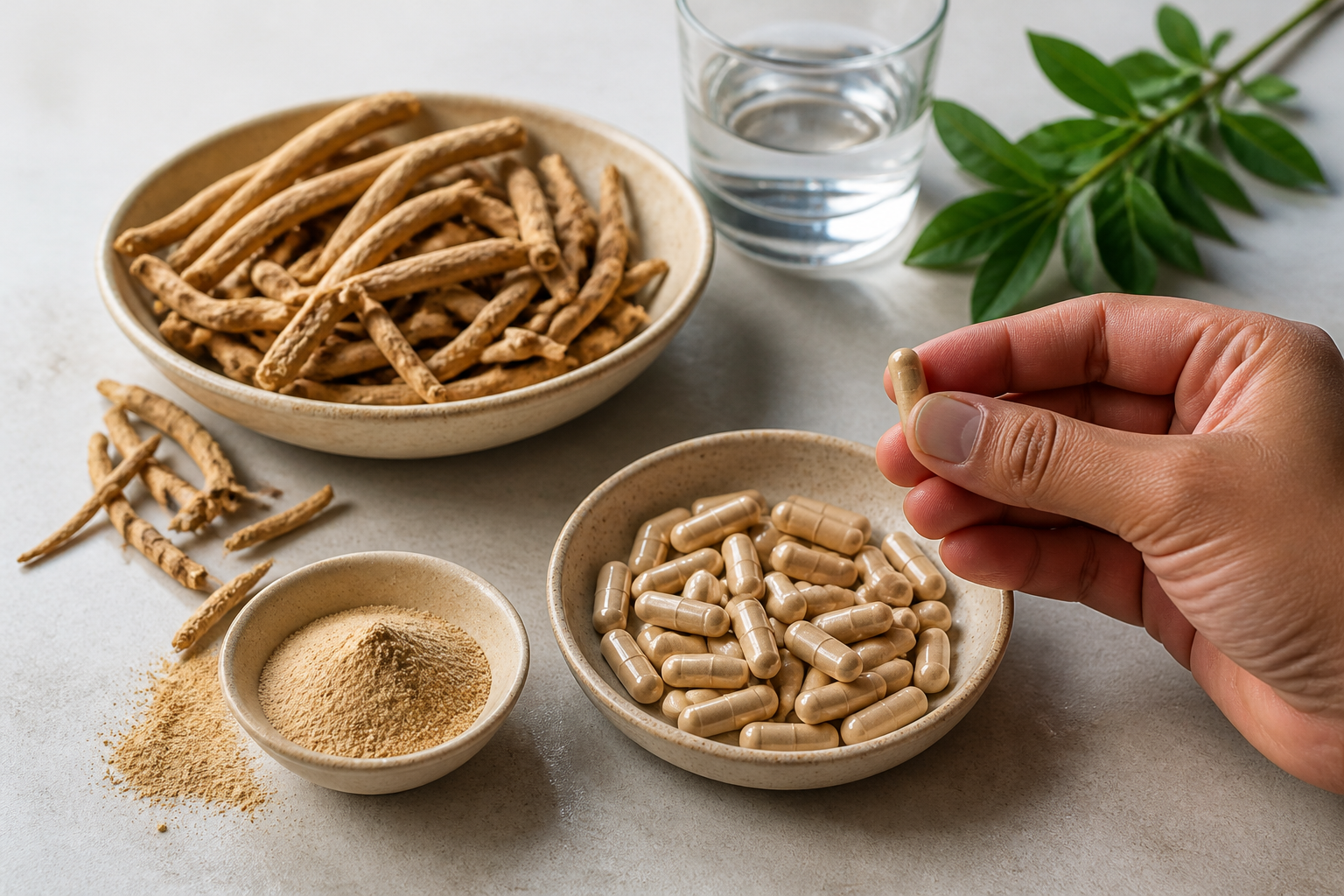
Choosing the right ashwagandha supplement is increasingly important as interest grows among health-conscious adults seeking stress relief, sleep support and overall wellbeing. This ashwagandha supplement buying guide offers a balanced perspective using reviewed clinical evidence and verified regional practices relevant to the United States, United Kingdom, and international audiences. To help you make informed decisions, we’ll address research-based benefits, ingredient quality, safe ashwagandha supplement dosage, and how to navigate claims and supplement regulation in the US and UK.
What is ashwagandha and why use a supplement?
Ashwagandha, also known as Withania somnifera, is a traditional herbal medicine used in Ayurveda for centuries. The root and sometimes leaf extracts are sought for their adaptogenic properties—meaning they may help the body adapt to stress. Supplements are popular for those seeking plant-based support for stress, improved sleep, and potential enhancement of recovery or cognitive performance. Modern capsules and tablets offer a concentrated, standardised alternative to powders or teas, with specific dosing that is easier to measure for consistent use. While ashwagandha is rooted in tradition, supplement use modernises access and may provide a practical way to integrate its purported benefits into daily routines, especially where dietary availability is low.
Summary of clinical research and active ingredient (Withania somnifera)
Clinical research on ashwagandha, especially standardised root extracts, has advanced considerably. Modern trials have explored its effects on stress, sleep and quality of life in adults:
- In a randomised placebo-controlled study, adults with self-reported high stress were given 240 mg of standardised ashwagandha extract or placebo daily for 60 days. Ashwagandha supplementation led to significant reductions in anxiety and stress scores and lower cortisol levels compared with placebo, suggesting a positive stress-buffering effect. No adverse events were reported during the study period (Lopresti et al., 2019).
- For insomnia and anxiety, another double-blind trial found that taking 300 mg of high-concentration ashwagandha root extract twice daily led to improved sleep latency, sleep efficiency, and overall sleep quality versus placebo after 10 weeks (Langade et al., 2019).
- Among healthy individuals experiencing non-restorative sleep, a six-week study using 120 mg of standardised extract daily showed substantial improvements in self-reported sleep quality, efficiency, and sleep onset latency, with no reported treatment-related adverse effects (Deshpande et al., 2020).
The most studied active compounds are withanolides, found mainly in the root. Most quality-controlled studies used standardised root extracts, and benefits appear more robust at doses between 120 mg and 600 mg daily, although optimal ashwagandha supplement dosage is not fully established for all users and purposes.
Buying checklist: Label, form, standardisation, third-party certification (USP/Informed Sport/UK equivalents), origin
When selecting ashwagandha supplements, consider the following practical checks:
- Supplement form: Root extract capsules and tablets are most common for precise ashwagandha supplement dosage; powders or teas may be less standardised.
- Standardisation: Look for products specifying withanolide content, typically noted as a percentage (e.g., "standardised to 5% withanolides"). This helps ensure a consistent active ingredient level, reflecting research-tested formulas.
- Third-party certification: In the US, certification by bodies such as USP (United States Pharmacopeia) or NSF International offers added assurance of ingredient purity and label accuracy. For sports supplements, look for Informed Sport or NSF Certified for Sport. In the UK, the HFMA (Health Food Manufacturers’ Association) and Informed-Sport also certify supplements for contaminants and banned substances.
- Origin and traceability: Seek reputable suppliers who disclose the country of origin and batch-testing practices. Ideally, ashwagandha is grown in regions with lower risk of contaminant exposure and transparent agricultural practices.
- Label transparency: The label should list botanical name (Withania somnifera), part used (typically root), extract ratio, withanolide standardisation, and all non-active ingredients or fillers.
Dosage and safe use: International guidance and known risks
Optimal ashwagandha supplement dosage varies by purpose and product standardisation. Published studies reference daily doses ranging from 120 mg to 600 mg of standardised root extract. For example, 240 mg daily showed benefits in stress reduction, while 600 mg/day (split twice) was used for sleep improvements. Users should start with the lowest effective dose noted on the product label and monitor tolerance closely.
Risks and contraindications: Clinical trials report good short-term tolerability, but long-term safety data remains limited. Ashwagandha may interact with sedative medications, thyroid hormone treatments or immunosuppressants, so consultation with a healthcare professional is advised, especially in pregnancy, breastfeeding, or with chronic health conditions. Side effects such as gastrointestinal upset have been reported in some cases (Langade et al., 2019). Owing to variable extract concentrations, always follow the actual product label instructions, and consider starting with a half-dose to assess personal sensitivity.
Product quality concerns: Adulteration, heavy metals, batch testing
Quality is a primary concern in herbal supplements globally, and ashwagandha is no exception. Issues include:
- Adulteration: Some lower-cost products may contain fillers, undeclared synthetic substances, or plant parts other than the root (leaves may have different safety/toxicity profiles).
- Heavy metal contamination: Ashwagandha grown in polluted soils may contain lead, arsenic, or other harmful metals. Reliable brands perform independent laboratory testing for contaminants.
- Batch testing and recalls: Third-party testing, as mentioned above, reduces risks of accidental contamination and ensures repeated batch quality. Some companies publish Certificates of Analysis (CoA) for transparency. Informed-Sport and similar certifications independently check for banned substances in sports products.
Avoid products making unsubstantiated claims, lacking full ingredient disclosure, or missing batch/lot identification codes. Purchasing from reputable stores and brands with a clear testing policy offers greater reassurance.
US vs UK supplement regulations (brief/concise, not exhaustive)
Supplement regulation differs significantly between the US and the UK:
- US: The FDA classifies ashwagandha as a dietary supplement; products should not make disease treatment claims and must be labelled with a Supplement Facts panel. Manufacturers are responsible for safety and label accuracy but products are not routinely preapproved (NIH ODS).
- UK: Ashwagandha supplements are considered food supplements and regulated under food law. The MHRA prohibits unauthorised medicinal claims and products carrying these may be removed from sale. Some products may be labelled with the Traditional Herbal Registration (THR) or certified under HFMA standards, and must display ingredient and dosage details (NHS.uk).
In both regions, regulation is focused on safety and consumer information rather than efficacy, so buyers must rely on both label and evidence-based guidance as outlined above.

Testomore
Men’s dietary supplement marketed for testosterone and vitality support; assess the current ingredient label and evidence before buying.
Checked 1 Nov 2026 · price may change; confirm shipping & taxes at the retailer.
Affiliate link. We may earn a commission at no extra cost to you.
What claims can and cannot be made legally
Regulatory authorities restrict supplement marketing claims to ensure consumer safety and prevent misleading information. In the US, structure/function claims such as “supports stress relief" or “promotes relaxation” are permitted—with the caveat that these are not evaluated by the FDA and cannot imply diagnosis, cure, or prevention of any disease. In the UK, similar restrictions apply; it is illegal to promote ashwagandha for treating clinical anxiety, insomnia or any specified disease unless registered as a traditional herbal medicine providing approved claims (NHS.uk).
Legitimate claims will reference the general support of wellbeing, not treatment of specific medical conditions. If a product advertises approaches beyond allowed categories, it may be mislabelled or non-compliant. Consumers should be cautious of exaggerated promises and always consult healthcare professionals for medical use.
FAQs
What evidence supports common uses of ashwagandha supplements?
Randomised controlled studies suggest ashwagandha may support stress reduction, sleep quality, and certain aspects of wellbeing at standardised doses, but evidence is not universal across all populations and long-term effects are less understood.

Bulk Extreme
Muscle and male-performance supplement; evaluate the complete formulation and claims before use.
Checked 1 Nov 2026 · price may change; confirm shipping & taxes at the retailer.
Affiliate link. We may earn a commission at no extra cost to you.
How can you check product quality and safe dosage?
Check the label for withanolide content, root extract standardisation, third-party certification (such as USP or Informed-Sport), and batch testing information. Start with the lowest effective dosage as per label directions and consider medical advice for long-term use or potential drug interactions.
What supplement label certifications and ingredients are relevant in the US and UK?
In the US, look for USP, NSF, or Informed-Sport certifications; in the UK, check for Informed-Sport or HFMA markings. The label should clearly list the botanical name (Withania somnifera), origin, batch number, and full ingredient details.
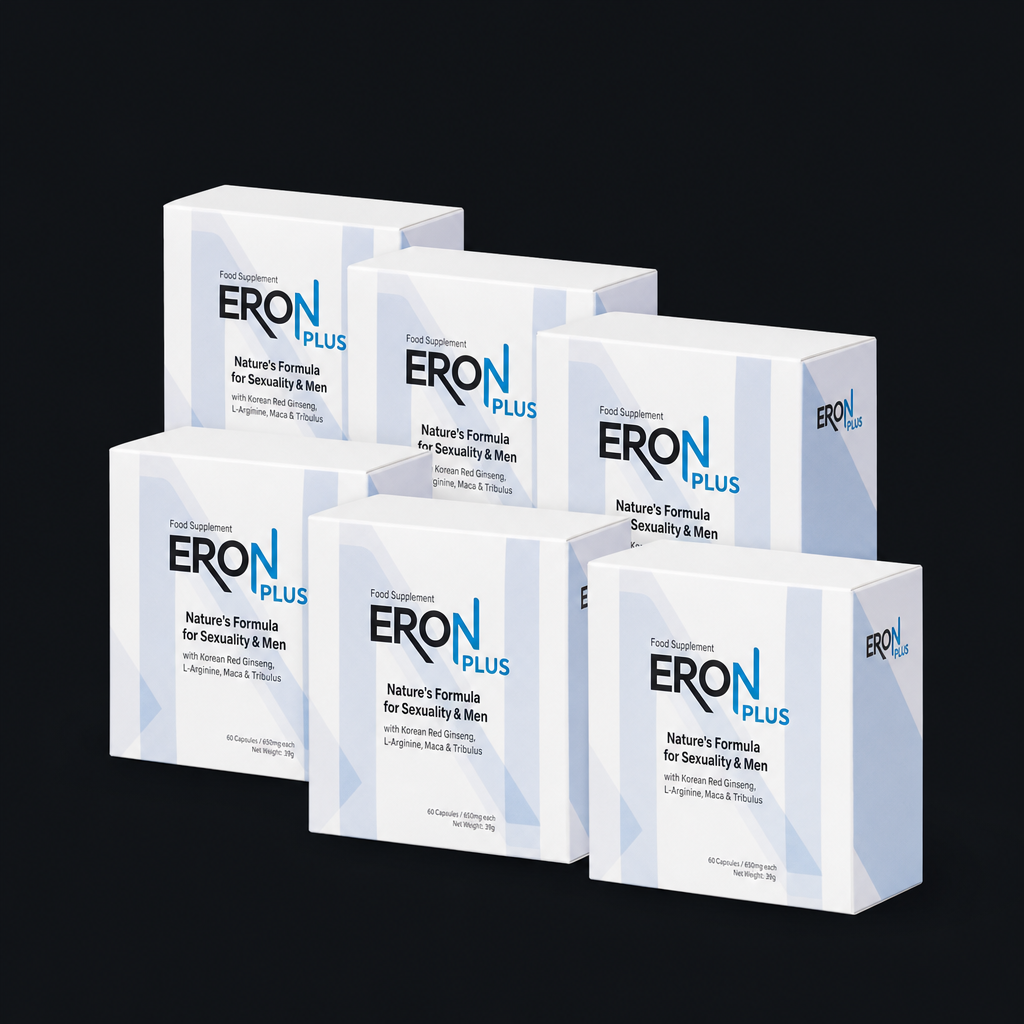
Eron Plus
Two-part men’s supplement system featuring L-arginine, maca, tribulus, ginseng and fenugreek; evidence for performance claims is limited.
View current price at retailer
Prices and availability change — confirm the current price at the retailer.
Affiliate link. We may earn a commission at no extra cost to you.
What are regional differences in ashwagandha product regulation?
In the US, ashwagandha is regulated as a dietary supplement with manufacturers responsible for product safety. In the UK, it is classed as a food supplement with similar controls but additional restrictions on medical claims and more visible registration schemes for traditional herbal products.
References
- An investigation into the stress-relieving and pharmacological actions of an ashwagandha (Withania somnifera) extract: A randomized, double-blind, placebo-controlled study.
- Efficacy and Safety of Ashwagandha (Withania somnifera) Root Extract in Insomnia and Anxiety: A Double-blind, Randomized, Placebo-controlled Study.
- A randomized, double blind, placebo controlled study to evaluate the effects of ashwagandha (Withania somnifera) extract on sleep quality in healthy adults.
- National Institutes of Health Office of Dietary Supplements – Ashwagandha
- NHS UK – Ashwagandha
Affiliate disclosure: Some links or products referenced may generate a commission for FitnessScopes at no additional cost to readers, supporting our independent editorial process.