
Affiliate disclosure: This article may reference commercial supplement products and brands. FitnessScopes does not receive direct compensation for these mentions, and we strive for balanced, evidence-based analysis.
Many people interested in fitness and sports performance turn to multivitamins for active adults in hopes of improving their health, recovery and training outcomes. But is this strategy grounded in solid evidence? Here, we separate what is known from common misconceptions, exploring how micronutrient requirements, research findings, and safety guidance intersect for active lifestyles.
What Are Multivitamins?
Multivitamins are dietary supplements combining various vitamins and minerals—sometimes with added ingredients—into a single daily pill, tablet, capsule, or powder. Their composition varies, but most standard formulas supply a spectrum of nutrients thought to cover general population needs. In the US and UK, multivitamins are regulated differently from medicines: in the UK, they are classified as food supplements, while in the US, they are regulated by the FDA as a type of dietary supplement, but not as drugs (NIH Multivitamin/Mineral Supplements, NHS Vitamins and minerals).
Daily recommendations for specific nutrients—such as vitamin D, calcium, or iron—are set by authorities like Public Health England and the US National Institutes of Health. These recommendations are often listed in micrograms (µg/mcg), milligrams (mg), or International Units (IU), and dosing equivalence may differ based on region. Multivitamins aim to fill possible nutritional gaps, especially in people who have restricted diets, medical conditions impeding absorption, or elevated micronutrient needs.
Micronutrients and Active Adults
Micronutrients are essential vitamins and minerals required in small amounts to support key bodily processes: energy metabolism, immune function, oxygen transport, and tissue repair. For most healthy adults, including those who exercise, a varied and balanced diet provides adequate micronutrients (NHS Vitamins and minerals).
Active adults may indeed have higher needs for certain micronutrients due to increased metabolic turnover, sweat losses, and potential dietary restrictions (for example, plant-based diets). Yet research consistently finds that unless there is a specific deficiency, there is little evidence that extra supplementation confers performance or recovery benefits. Common micronutrients of interest for physically active individuals include:
- Iron – involved in oxygen transport; critical for endurance athletes
- Vitamin D – supports bone, muscle, and immune health, especially in those with little sunlight exposure
- Magnesium, zinc, calcium, and potassium – key for muscle contraction, nerve function and electrolyte balance
- B vitamins and vitamin C – important for energy metabolism and tissue repair
Persistent deficiencies—rather than marginally low intakes—are most likely to impact training adaptation and recovery. Routine screening for micronutrient status is rarely recommended for the average active adult.
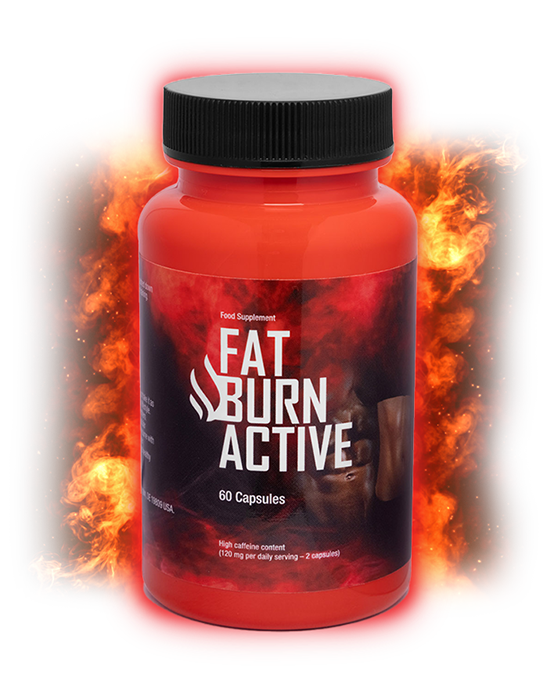
Fat Burn Active
Weight-management capsules containing green tea, guarana, caffeine and bitter orange extracts. Check stimulant content and safety before use.
Checked 1 Nov 2026 · price may change; confirm shipping & taxes at the retailer.
Affiliate link. We may earn a commission at no extra cost to you.
The Evidence: Benefits, Risks and Misconceptions
The popularity of multivitamins for active adults is not matched by robust evidence of benefit in those with no underlying deficiencies. Most research indicates multivitamin use in well-nourished populations does not translate to improved physical performance, reduced muscle damage, or faster recovery. Recent systematic reviews focused on active-duty military personnel—a group with physically demanding routines—found limited and inconsistent effects from a range of dietary supplements, including multivitamin-like products (Harlow et al 2024).
Protein, creatine, beta-alanine, and beetroot juice stand out as individual ingredients with some minor benefits, but mixed-nutrient supplements (including multivitamins) offer no clear major advantage. Similar conclusions are reported for protein supplements alone, where only modest improvements in recovery are noted, and mainly in the context of negative energy balance or insufficient dietary intake (Pasiakos et al 2014).
Misconceptions arise from the belief that a multivitamin can serve as a substitute for a healthy, balanced diet or turbocharge normal physiology. In fact, studies referenced by both the US National Institutes of Health (NIH Multivitamin/Mineral Supplements) and NHS (NHS Vitamins and minerals) stress that supplements should not replace food. Excessive intake of certain vitamins and minerals may pose health risks such as increased risk of kidney stones (with high-dose vitamin C or calcium), nerve damage (with excessive vitamin B6 or vitamin A), or other adverse effects.
Practical Guidance and Safety
For most active adults:
- An eating pattern rich in vegetables, fruits, whole grains, lean protein, and healthy fats sufficiently covers micronutrient requirements.
- Multivitamins are generally not needed unless a deficiency is suspected or confirmed.
- Some subgroups—pregnant individuals, those with very restrictive diets, or certain diagnosed absorption disorders—may benefit from targeted supplements, ideally under professional advice.
When considering multivitamins or sports supplements, check product certifications and avoid formulations that exceed recommended nutrient values. In the US and UK, supplement regulation focuses on safety and labeling but does not require proof of efficacy or guarantee of batch-to-batch consistency. This means consumers should select reputable brands and consult health professionals, particularly if combining multiple supplements or other medications.
Monitor for potential side effects: common issues include gastrointestinal upset, headache, or rare interactions with prescription drugs. Overuse—such as taking multiple supplements with overlapping nutrient content—can inadvertently lead to excess intake above recommended daily limits. Always compare the actual nutrient content with established guidelines such as NHS reference values (UK) or NIH Dietary Reference Intakes (US). For example, vitamin D upper safe limits are 4,000 IU (100 μg) per day for most adults in both countries, while excess iron may be harmful unless prescribed.
Ultimately, any investment in supplements should be guided by individual need—not marketing hype or a generic active-lifestyle label.
FAQs
Are multivitamins necessary for active adults?
No, most active adults with balanced diets do not need multivitamins. Supplements may be advised for people with medically-identified deficiencies or unique dietary restrictions, but routine use offers no proven training advantage.
What does current evidence say about performance or recovery?
Latest research shows little to no benefit in performance or recovery for active adults using multivitamins. Minor improvements are found only in some single-nutrient supplements or in individuals with an existing deficit.

Bulk Extreme
Muscle and male-performance supplement; evaluate the complete formulation and claims before use.
Checked 1 Nov 2026 · price may change; confirm shipping & taxes at the retailer.
Affiliate link. We may earn a commission at no extra cost to you.
What risks and limitations exist with multivitamin use?
Multivitamins may cause health problems if consumed in excess, such as toxicity from fat-soluble vitamins or iron overload. Evidence for performance benefits is limited, and misuse may mask poor dietary habits.
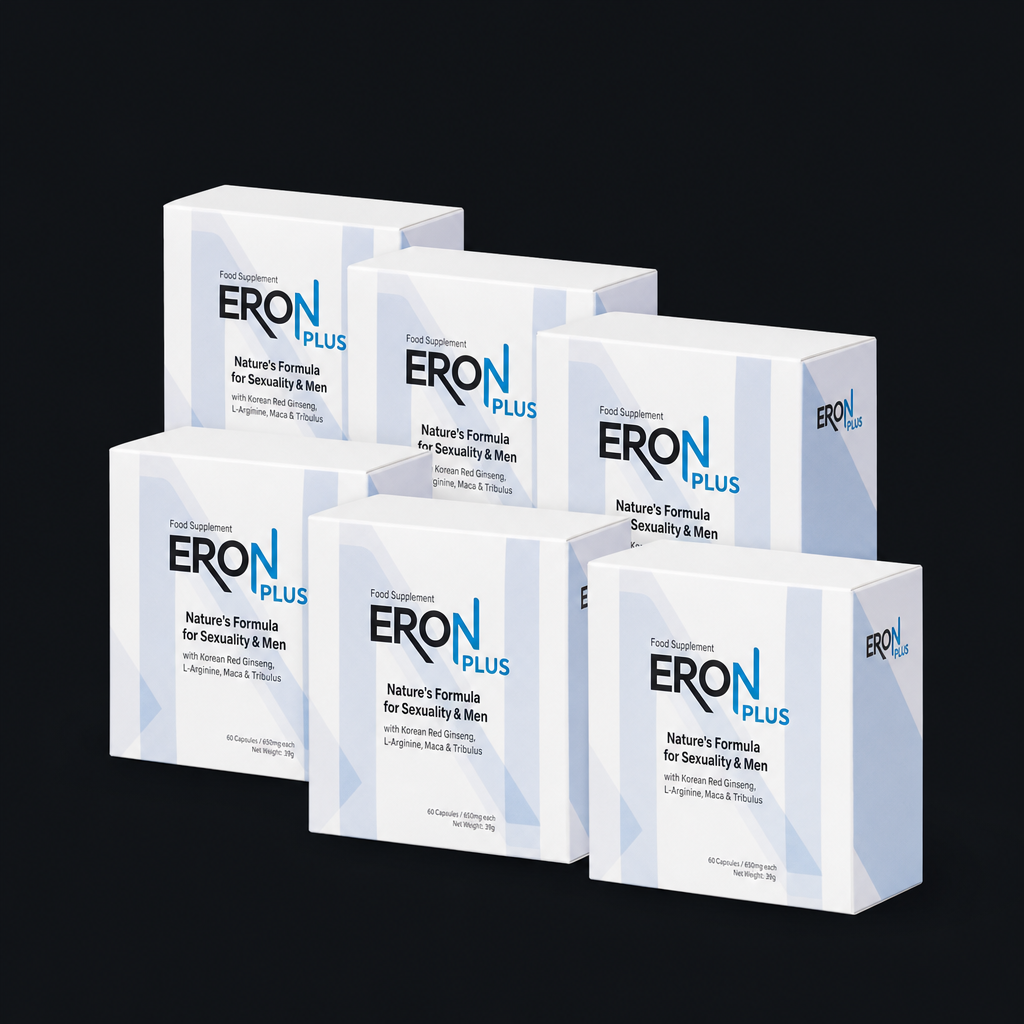
Eron Plus
Two-part men’s supplement system featuring L-arginine, maca, tribulus, ginseng and fenugreek; evidence for performance claims is limited.
View current price at retailer
Prices and availability change — confirm the current price at the retailer.
Affiliate link. We may earn a commission at no extra cost to you.