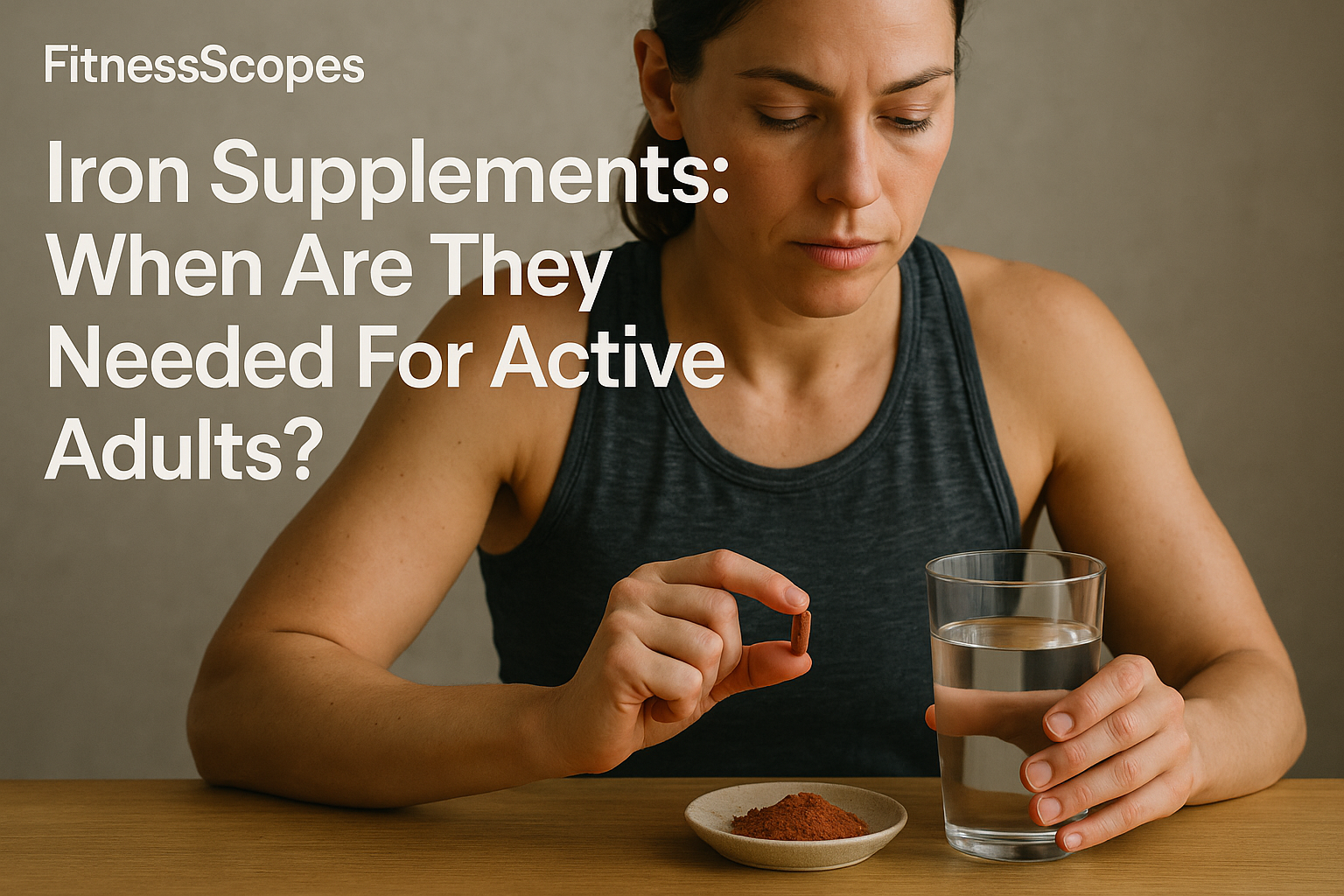
For athletes and active adults, energy, stamina, and recovery are often top priorities. The body's supply of iron—a mineral found in every cell—is fundamental to these goals. Iron supplements for athletes are widely discussed, but deciding whether to use them isn't straightforward. Understanding iron's functions, how deficiency can affect performance, and when supplementation is appropriate requires a careful look at scientific evidence and official guidance in both the United States and United Kingdom.
Why Is Iron Important?
Iron plays a vital role in the production of haemoglobin, the protein in red blood cells responsible for carrying oxygen throughout the body. This is particularly critical for exercise, as working muscles need more oxygen. A lack of iron can lead to iron deficiency anaemia, resulting in fatigue, poor concentration, compromised training adaptation, and in some cases, an increased risk of infection. Even without anaemia, low iron stores (as measured by ferritin, an iron-storage protein) may impair athletic performance and recovery, especially in endurance sports or for menstruating women.[NHS] The iron needs for adults generally range from about 8 mg/day (men and older women) up to 18 mg/day for women of reproductive age, reflecting greater blood losses through menstruation.[NIH ODS]
Iron Deficiency: Prevalence in Active Populations
Iron deficiency is more common in athletes than in the general population, especially among endurance athletes, women, vegetarians, and adolescent athletes. Studies show that about 54% of collegiate athletes may have low ferritin (below 50 mcg/L), with 23% considered truly iron deficient (ferritin < 20 mcg/L).[Systematic review, 2024] Among female college athletes, rates of iron deficiency without anaemia can reach 30%, while 2–3% have iron deficiency anaemia.[Retrospective chart review, 2017] Men are affected less frequently, but are not immune, with rates of iron deficiency (with or without anemia) below 5% in male student-athlete populations. Intense training, growth spurts, dietary restrictions, and menstrual blood loss all contribute to higher risk.
Screening, Diagnosis and Blood Tests
While fatigue and poor performance are common concerns, self-diagnosis of iron deficiency is unreliable. The gold standard for detecting iron deficiency is a blood test, typically measuring haemoglobin (for anaemia) and serum ferritin (for iron stores). A ferritin level below 20–30 mcg/L is often used as a marker for deficiency in adults, though cut-offs may vary between labs or guidelines. Health professionals may also check other markers such as serum iron and transferrin saturation when interpreting results. Routine testing is not generally recommended for all athletes, but focused screening may be advised for those with symptoms or known risk factors (e.g., heavy menstrual bleeding, dietary restriction, or unexplained declines in performance). Supplementing iron without a confirmed deficiency risks unnecessary side effects and should always be guided by blood test results and healthcare supervision.[NHS]
Food vs. Supplement: Evidence, Absorption and Risks
Dietary iron comes in two forms: heme iron (from animal sources such as red meat, poultry, and fish) and non-heme iron (from plant foods like beans, lentils, nuts, leafy greens, and fortified cereals). Heme iron is absorbed more efficiently, so mixed diets tend to provide better overall iron status than vegetarian or vegan diets, where absorption of non-heme iron can be influenced by other foods (vitamin C enhances absorption, while calcium, coffee, and tea may inhibit it).[NIH ODS]
Supplements are generally not needed for those who meet their iron needs through food. In the US, most multivitamins or stand-alone iron supplements will clearly state the iron content per serving, measured in milligrams (mg), and the percent of Daily Value (DV). In the UK, labels note milligrams (mg) and the Reference Intake (RI) percentage. Exceeding recommended doses (over 20 mg/day in the UK, or much more than 45 mg/day in the US) increases the risk of side effects, including constipation, nausea, stomach pain, and in rare cases, serious toxicity—especially for children.[NHS] Always keep iron supplements out of children's reach.

Moringa Actives
Moringa-leaf-based weight-management supplement in a 60-capsule pack; marketed claims need evidence review.
Checked 1 Nov 2026 · price may change; confirm shipping & taxes at the retailer.
Affiliate link. We may earn a commission at no extra cost to you.
Regulations: US (FDA) and UK Guidance
Both countries have specific supplement labelling and safety guidance:
- US (FDA): Iron content must be listed on supplement labels in mg with %DV. The FDA's tolerable upper intake for adults is 45 mg/day.[NIH ODS] Supplements are regulated as foods, not medicines, so efficacy and purity are not routinely verified before sale.
- UK (NHS & Food Standards): Iron is labelled in mg with %RI, with UK authorities recommending 8.7–14.8 mg/day depending on age and sex.[NHS] The Department of Health advises not taking more than 17 mg/day on a regular basis unless under medical supervision.
These differences underscore the importance of reading product labels carefully in your region and not assuming recommendations will be the same elsewhere.
Conclusion: When and How to Supplement, If Needed
For most active adults, a balanced diet provides sufficient iron, making additional supplements unnecessary unless blood tests show deficiency or a healthcare provider suggests otherwise. Women with heavy menstrual losses, vegetarians, and endurance athletes should be aware of their risk, but iron supplements for athletes should only be used after medical evaluation and confirmation of low iron status. Unmonitored supplementation can do more harm than good. If deficiency is identified, follow professional advice regarding dose, duration, and re-testing. In all cases, prioritise iron-rich foods first (see below), use supplements only when indicated, and consult with a qualified health professional for interpretation of test results and safe, effective management.

Testolan
Men’s food supplement promoted for testosterone support, energy and physical performance; claims need independent evaluation.
View current price at retailer
Prices and availability change — confirm the current price at the retailer.
Affiliate link. We may earn a commission at no extra cost to you.
FAQs
Who is at risk for iron deficiency?
Those at highest risk include women with heavy menstrual periods, endurance athletes, vegetarians or vegans, adolescents in growth spurts, and anyone with medical or dietary factors that limit iron absorption or intake.
How can you tell if you need a supplement?
The only reliable way is through blood tests ordered by a medical professional, assessing hemoglobin and ferritin levels. Symptoms alone are not enough for diagnosis or to warrant supplementation.
What are the risks of unnecessary iron supplementation?
Taking more iron than needed can lead to gastrointestinal distress (constipation, nausea, cramps) and, in rare cases, serious iron poisoning, particularly in children. Long-term excess intake may increase some health risks.
What foods are high in iron?

African Mango
Nutrina supplement based on African mango (Irvingia gabonensis) seed extract; weight-loss evidence remains limited.
Checked 1 Nov 2026 · price may change; confirm shipping & taxes at the retailer.
Affiliate link. We may earn a commission at no extra cost to you.
Rich sources include red meat, poultry, fish, beans, lentils, soy products, nuts, seeds, dark leafy greens, fortified cereals, and dried fruits. Eating vitamin C-rich foods alongside non-heme sources improves absorption.
References
- Iron - Consumer Fact Sheet | National Institutes of Health Office of Dietary Supplements
- Vitamins and minerals - Iron | NHS
- The Global Prevalence of Iron Deficiency in Collegiate Athletes: A Systematic Review and Meta-Analysis
- Iron Deficiency and Anemia among Collegiate Athletes: A Retrospective Chart Review
This article is for informational purposes only and does not constitute individual medical advice. For personal assessment and supplement decisions, consult with a qualified healthcare professional.