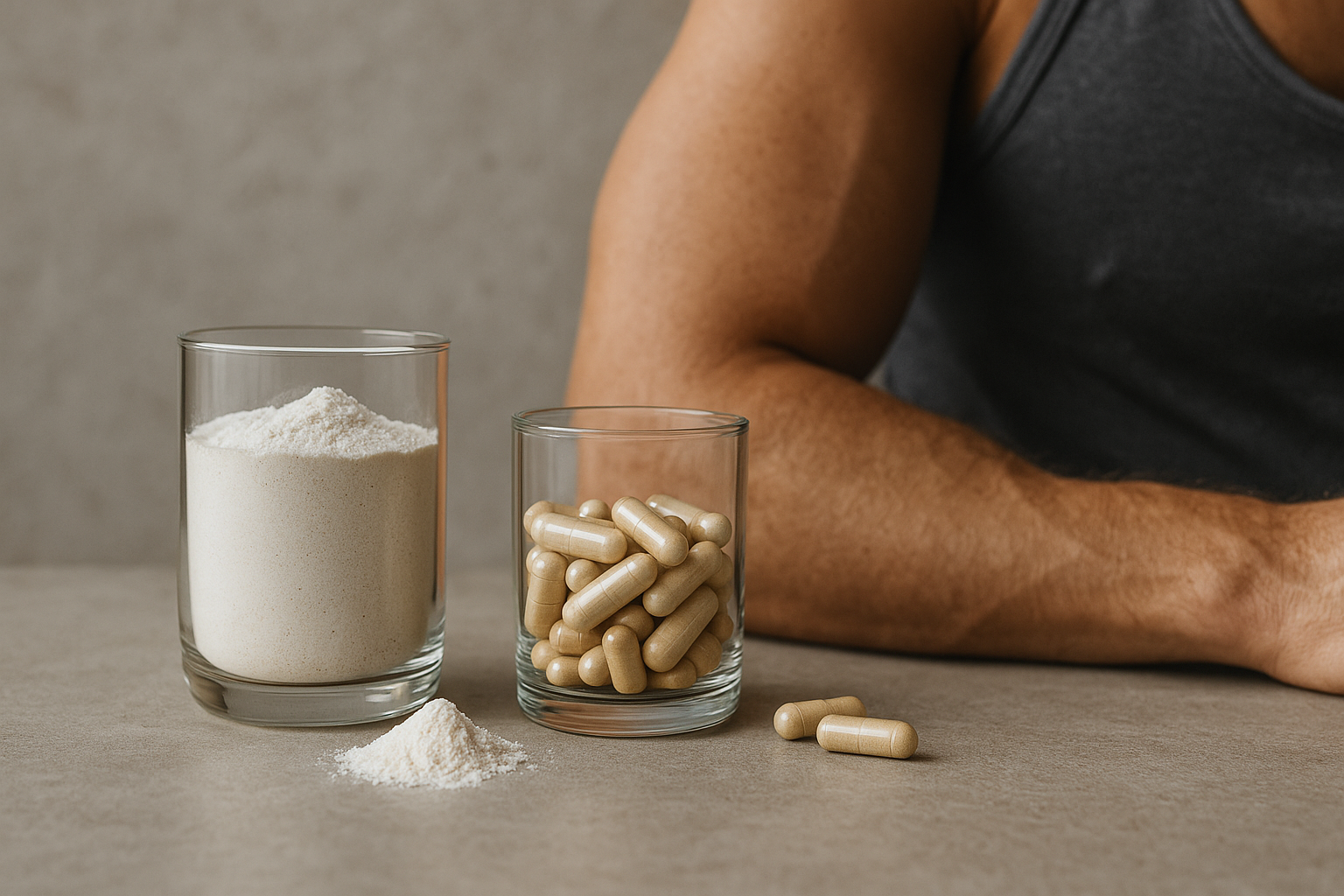
Comparing stimulant and non-stimulant supplements starts with the ingredients, not the front-of-pack promise. These labels describe a broad distinction; they do not establish effectiveness, safety or suitability. A product that feels noticeable may have little relevance to your goal, while an ingredient with a useful effect may produce no immediate sensation.
Stimulant vs Non-Stimulant Supplements: What to Know
A stimulant-containing product may increase alertness or change perceived effort. A stimulant-free product avoids that particular category of ingredients, but its other ingredients still need evaluation. Neither label guarantees better results. Read the full formula and serving instructions before comparing products or deciding whether a supplement is necessary.
Stimulant Supplements Explained
Caffeine is a familiar example found in some pre-workout products, drinks and capsules. Count all sources, including coffee and energy drinks. Taking two products with different names can still mean taking the same stimulant twice. Some botanical ingredients also contribute caffeine, so a label that lists an extract deserves closer reading.
Non-Stimulant Supplements Explained
Creatine and protein products do not depend on a stimulant effect to serve their intended purpose. They address different questions and should not be treated as substitutes for a caffeine-containing pre-workout. “Stimulant-free” also does not mean a formula is free of adverse effects or interactions; every ingredient and combination still matters.
Common Ingredients
The NIH sports-supplement evidence review discusses caffeine, creatine, beta-alanine, protein and several other ingredients. Evidence differs by ingredient and outcome. Research on one ingredient does not establish that a multi-ingredient commercial formula delivers the same result, especially when quantities are undisclosed.
A practical comparison should list the active ingredients and amounts per serving. If the information is hidden inside a proprietary blend, there is less certainty about how the formula compares with research. Do not use tingling, a rapid heartbeat or an intense sensation as a score for effectiveness.
Key Differences
| Question | Stimulant-containing option | Stimulant-free option |
|---|---|---|
| What needs checking? | Total stimulant exposure and individual response, plus the full formula. | Evidence, quantities and risks for each remaining ingredient. |
| Does it need to feel immediate? | A noticeable sensation does not establish a useful benefit. | An ingredient may work through regular use rather than an immediate sensation. |
| Is it automatically suitable? | No; consider sleep, health, medicines and other sources. | No; the absence of a stimulant is only one consideration. |
Caffeine and Stimulants
The FDA caffeine guidance cites 400 mg per day as an amount not generally associated with negative effects for most adults. This is not a target or a guarantee for an individual. Sensitivity, medicines and medical circumstances can change what is appropriate; some people experience unwanted effects at lower amounts.
Sleep disruption, restlessness or palpitations are reasons to reconsider use rather than raise the serving size to chase a stronger feeling. Pregnancy, existing conditions and medication use require appropriate professional advice. This adult overview is not a supplement plan for children or adolescents.
Safety Considerations
Product quality is a separate question from the evidence for an ingredient. UK Anti-Doping advises athletes to assess need, risk and consequences and check relevant batch testing. Testing can reduce contamination risk; it cannot prove that a product is effective or eliminate every risk.
Keep a record of the product, serving size and batch details if you compete in tested sport. Check the applicable rules with your sporting body. A claim that a product is “athlete safe” should not replace an independent check. Discuss proposed use with a qualified professional if health or medication concerns apply.
How to Compare Products
- State the specific goal and check whether food, training or recovery already addresses it.
- Compare ingredient quantities, not the number of ingredients or marketing intensity.
- Look for human evidence relevant to the activity and people involved.
- Review stimulant exposure, interactions and product-quality information.
- Include cost and the likelihood of consistent use in the decision.
FAQs
Is stimulant-free always safer?
No. Other ingredients and combinations can still have risks.
Can I judge a product by how strongly I feel it?
No. Sensation and meaningful performance outcomes are different.
Must I use a pre-workout?
No. A supplement is an optional decision that should follow assessment of a specific need.