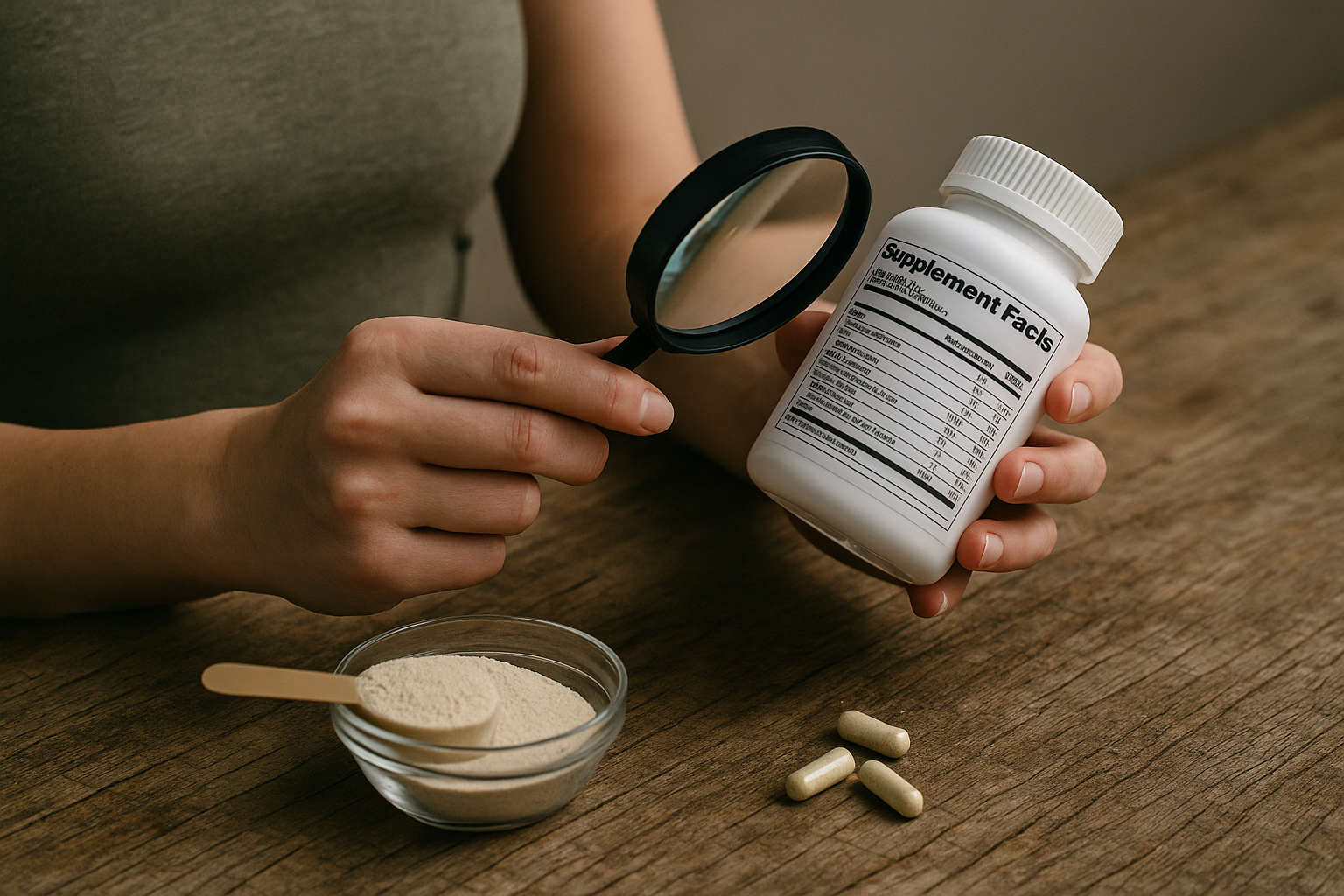
How to Read a Weight-Management Supplement Label
Introduction to Weight Management Supplement Label
Understanding a weight management supplement label is essential for making informed choices about your health and wellness. These labels provide crucial information about the ingredients, serving sizes, and potential benefits or risks associated with the product. Familiarizing yourself with how to read these labels can help you assess whether a supplement aligns with your personal health goals.
Before You Begin
Prior to examining a weight management supplement label, consider your individual health needs and dietary preferences. It's advisable to consult with a healthcare professional, especially if you have pre-existing conditions or are taking medications. This step ensures that any supplement you consider is appropriate for your unique circumstances.
Step-by-Step Approach
- Identify the Serving Size: The serving size indicates how much of the supplement you should take at one time. This information is usually found at the top of the label.
- Review the Nutritional Information: Look for calories, macronutrients (carbohydrates, fats, and proteins), and any other relevant nutrients. This section helps you understand how the supplement fits into your overall diet.
- Examine the Ingredients List: Ingredients are typically listed in descending order by weight. Familiarize yourself with common ingredients and their purposes. Research suggests that understanding these components can help you choose supplements that may support your weight management goals.
- Check for Proprietary Blends: Some labels feature proprietary blends that group several ingredients together. While this can simplify the label, it may obscure the exact amounts of each ingredient. Be cautious and seek more information if needed.
- Look for Warnings and Allergens: Warnings regarding potential side effects or interactions with medications are critical. Additionally, check for allergens if you have sensitivities.
- Assess the Claims: Claims made on the label should be approached with skepticism. Look for evidence-based support rather than relying solely on marketing language.
Common Mistakes to Avoid
Many consumers overlook key details when reading supplement labels. One common mistake is ignoring the serving size, which can lead to unintended overconsumption. Additionally, relying solely on the front label claims without examining the ingredients can result in poor choices. Always read the entire label carefully.
How to Progress Safely
When incorporating a weight management supplement into your routine, start with the recommended serving size and monitor how your body responds. It may take time to notice effects, and individual results vary. Keep a journal of your experiences to help track any changes in your health or weight management efforts. Regularly reassess your choice and consult with a healthcare professional to ensure it remains suitable for your needs.