Introduction
Understanding how to read supplement labels is essential for anyone looking to make informed choices about dietary supplements. With a wide range of products available across the United States and the United Kingdom, the ability to interpret what appears on a supplement label can make the difference between picking a safe, science-backed product or one with limited or even misleading benefits. Knowing what the label's terms mean, what evidence supports listed ingredients, and which safety considerations apply is vital for beginners and seasoned supplement users alike. This guide unpacks key principles, label navigation skills, and important limitations, based on regulations and recommendations from authoritative sources such as the US Food and Drug Administration (FDA) and nutrient guidelines from the Office of Dietary Supplements.
Evidence and Key Principles
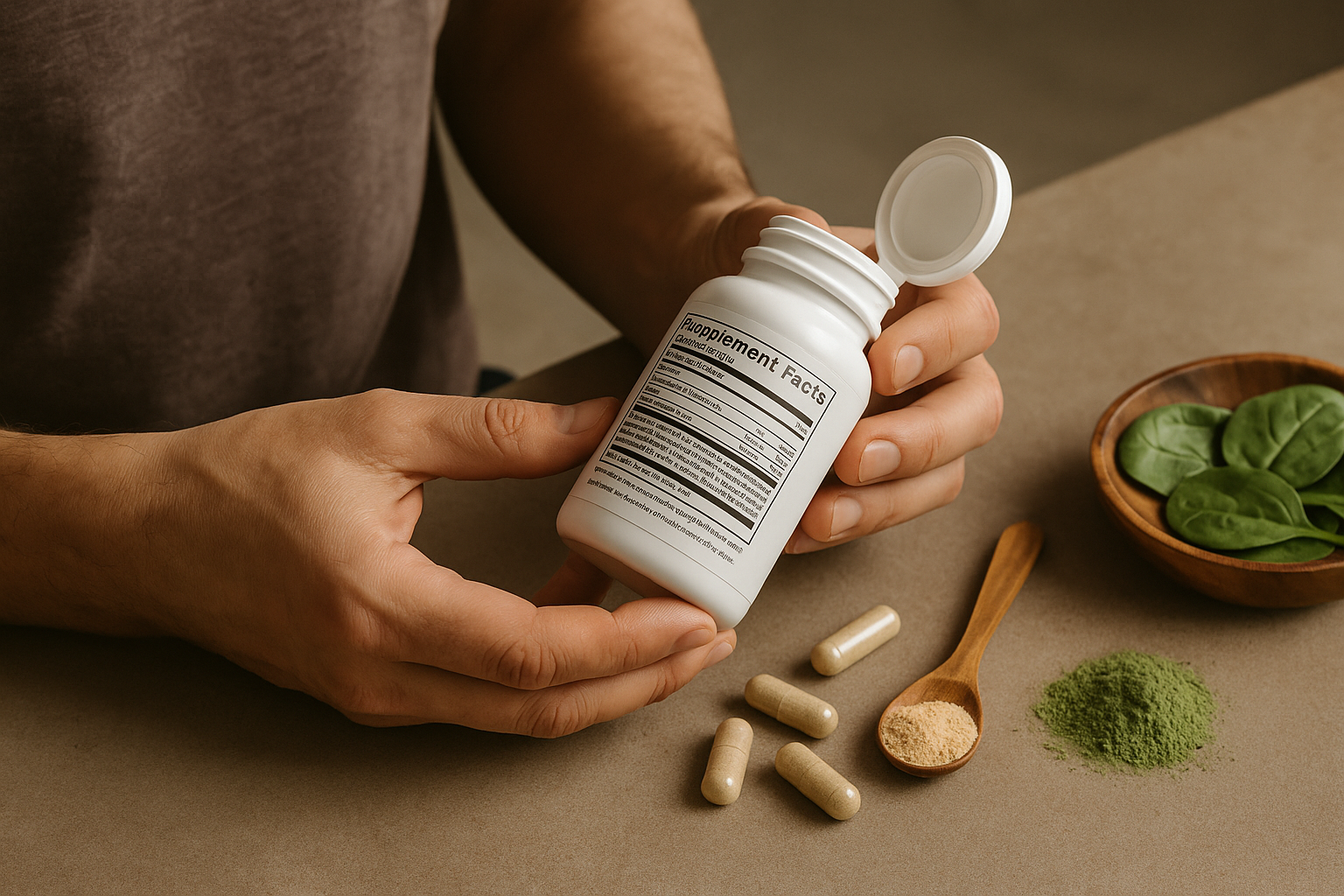
Labels on dietary supplements are regulated in the US by the FDA under rules that differ from those used for conventional foods and medicines (FDA Labeling Guide). The most prominent required elements on a supplement label include the statement of identity (e.g., “dietary supplement”), net contents, the Supplement Facts panel, ingredient list, and company details. The Supplement Facts panel details each dietary ingredient, its quantity, serving size, and, where applicable, the percent of the daily value (%DV).
The evidence for supplement efficacy varies by ingredient. Scientific consensus exists for some nutrients—such as vitamin D or iron—where well-defined recommended dietary allowances (RDAs) exist (see ODS Nutrient Recommendations). For other components—herbs, proprietary blends, or botanicals—evidence may range from robust (as with certain omega-3 fatty acids) to inconclusive or lacking. Key principles for interpreting label evidence involve:
- Checking listed amounts against established daily recommendations or upper limits, where available.
- Looking for clear ingredient identification (e.g., name and plant part for botanicals).
- Understanding that “structure/function” claims (e.g., “supports immune health”) require notification to the FDA but are not pre-approved for efficacy or safety (FDA).
- Recognizing that supplement labeling must not claim to prevent, treat, or cure diseases.
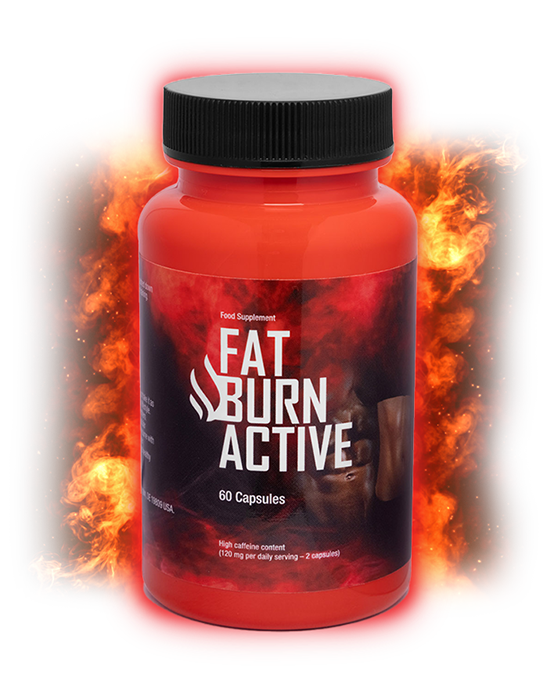
Fat Burn Active
Weight-management capsules containing green tea, guarana, caffeine and bitter orange extracts. Check stimulant content and safety before use.
Checked 1 Nov 2026 · price may change; confirm shipping & taxes at the retailer.
Affiliate link. We may earn a commission at no extra cost to you.
Practical Guidance
For those new to supplements, start by examining the front of the package, which should include the product name and an identity statement indicating it is a dietary supplement. Move next to the Supplement Facts panel, usually found on the back or side. Here is what to look for:
- Serving Size: The maximum recommended amount per use, e.g., 2 capsules or 5 mL. RDAs are often based on a typical serving.
- Active Ingredients: Each nutrient, botanical, or amino acid is listed along with its quantity—preferably in both metric (mg, μg) and, less commonly, international units (IU).
- % Daily Value: Shows how much of the proven nutrient recommendation your serving provides (e.g., 100% vitamin C). A value above 100% does not mean more benefit and could be risky.
- Other Ingredients: This list, usually under Supplement Facts, covers binders, colorants, capsule materials, and fillers—important for those with allergies or dietary preferences.
- Manufacturer and Contact: Always listed for consumer inquiries or reporting problems.
Compare each ingredient against authoritative nutrient recommendations such as those found at ods.od.nih.gov. For botanicals or proprietary blends, be aware that total amounts may be supplied without disclosing the quantity of each component, making objective assessment difficult. Beginners are advised to look for single-ingredient products with transparent labeling and avoid high doses unless specifically indicated by a healthcare professional.
Common Mistakes
Many consumers misunderstand supplement labels by:
- Equating “natural,” “herbal,” or “clinically proven” phrases with safety or evidence, when these terms are often marketing-focused and not independently verified.
- Ignoring serving sizes—sometimes taking higher doses unintentionally.
- Relying on structure/function claims as proof without checking for supporting evidence from trusted resources.
- Overlooking non-active ingredients, which could cause allergic reactions or dietary conflicts.
- Assuming that more is better—a high %DV can exceed tolerable upper intake levels, increasing health risk.
- Failing to spot if a product claims to diagnose, treat, or cure a disease, which is not permitted for US dietary supplements (FDA Labeling Guide Chapter II).
Reading labels closely and checking claims against regulatory guidance can prevent common pitfalls and help align supplement use with individual dietary needs.
Safety and Limitations
While supplement labels are intended to inform, there are important regulatory and practical limits. The FDA requires that products not be adulterated or misbranded, holds manufacturers accountable for label accuracy, and can remove unsafe products from the market—yet supplements are not pre-approved for efficacy or safety before sale (FDA).
- Unestablished Daily Values: Not all ingredients, especially botanicals, have set daily values or intake limits, making personal evaluation important.
- Adverse Effects: Overuse or interaction with medications can cause harm—always consult healthcare professionals if unsure.
- Quality Variability: Unlike pharmaceuticals, supplements may vary by batch and brand. Third-party testing is not required but may provide added assurance.
- Allergens and Additives: Read non-active ingredient lists for allergens, fillers, or other compounds that could cause sensitivity.
- Expiration Dates: These are optional but may be provided; however, potency past expiry is not guaranteed by regulation.
Beginners should start with established nutrients ideally from reputable brands, avoid combining multiple high-dose products, and review any new supplement plan with a healthcare provider especially if pregnant, breastfeeding, taking prescription medications, or managing chronic conditions.
Frequently Asked Questions
What does the evidence support?
Evidence most strongly supports supplements that contain vitamins and minerals with established recommended daily intakes and upper limits, such as vitamin D or iron. Herbal and proprietary blends vary in quality and amount of scientific support, so check trusted sources or consult professionals for ingredient-specific guidance (ODS Nutrient Recommendations).

Testomore
Men’s dietary supplement marketed for testosterone and vitality support; assess the current ingredient label and evidence before buying.
Checked 1 Nov 2026 · price may change; confirm shipping & taxes at the retailer.
Affiliate link. We may earn a commission at no extra cost to you.
How can beginners use this advice?
Beginners should look for products with clearly labeled active ingredients, preferably meeting established recommended dietary allowances, avoid mega-doses unless prescribed, and ignore marketing-driven claims unsupported by the Supplement Facts or by independent research. Using official recommendations helps minimise risk and maximise practical benefit.
What limitations or safety considerations matter?

African Mango
Nutrina supplement based on African mango (Irvingia gabonensis) seed extract; weight-loss evidence remains limited.
Checked 1 Nov 2026 · price may change; confirm shipping & taxes at the retailer.
Affiliate link. We may earn a commission at no extra cost to you.
Supplements can interact with foods, other supplements, or medications. Not all supplement ingredients have state-mandated upper intake limits, and quality-assurance standards vary by producer. Seek evidence-based input before trying new supplements, particularly for children, those with chronic illness, or during pregnancy or lactation (FDA).
References
This guide is for informational purposes and not commercial content. Always consult a healthcare professional for personal supplement advice.