Introduction
Effective use of exercise rest days recovery is essential for protecting health, optimising fitness gains and reducing injury risk for both new and experienced exercisers. Rest and recovery strategies vary by individual but evidence supports that they play a critical role in enhancing adaptation and minimising problems like overtraining and soreness. Global health sources, such as the NHS and the World Health Organization (WHO), provide foundational advice for structuring activity and rest, but personalising these recommendations is key for practical, safe, and sustainable progress. This guide explores the scientific basis, practical implementation, common mistakes, and safety considerations for incorporating rest and recovery into your weekly exercise routine.
Equipment for this guide Browse massage balls. Illustrations are representative; check specifications on the retailer listing.
Evidence and Key Principles
Major health organisations like the NHS and WHO recommend adults aim for at least 150 minutes of moderate-intensity aerobic activity weekly, often supplemented by muscle-strengthening activities on two or more days per week. However, these authorities emphasise the importance of including rest and lighter days to facilitate adaptation and prevent excess fatigue or injury.
A 2024 systematic review (Zouhal et al., 2024) compared passive (complete rest) and active (low-intensity movement) recovery within interval training programmes. Results showed both approaches improved fitness and physiology equally in trained and untrained adults, suggesting that scheduling recovery—whether active or passive—is more important than the specific type. Evidence remains limited for youth populations, and more targeted studies are needed.
Another meta-analysis (Afonso et al., 2021) evaluated stretching as a recovery method. Results indicated that stretching post-exercise was not superior to passive rest for muscle recovery, soreness, or strength regain, challenging the widespread assumption that stretching is necessary for recovery.
Injury rehabilitation evidence (e.g. for hamstring strains) highlights some benefit in increased stretching frequency, but this is likely population-specific and not universally applicable to all active individuals (Mason et al., 2007).
Overall, the evidence underscores that both passive and active rest play critical roles, depending on your objectives, condition, and recent exercise load. Rest is not just a pause but a physiologically necessary period for muscles, connective tissues and the nervous system to repair and adapt.
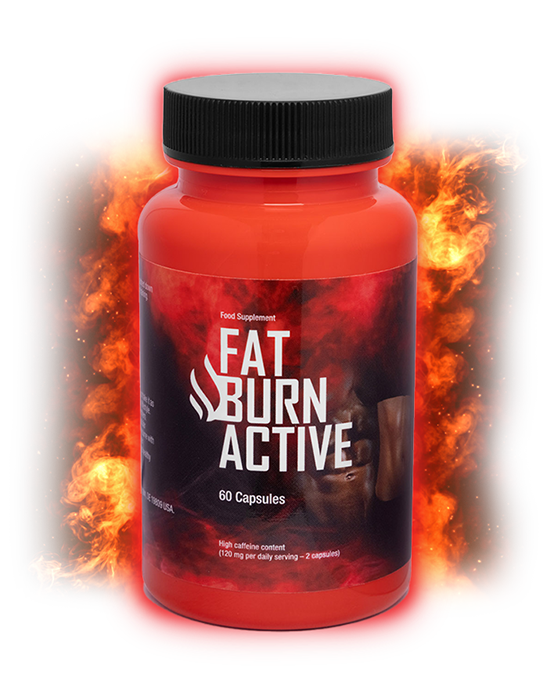
Fat Burn Active
Weight-management capsules containing green tea, guarana, caffeine and bitter orange extracts. Check stimulant content and safety before use.
Checked 1 Nov 2026 · price may change; confirm shipping & taxes at the retailer.
Affiliate link. We may earn a commission at no extra cost to you.
Practical Guidance
For most adults, a practical application of the evidence would involve 1–2 designated rest or lighter activity days per week when following a moderate exercise routine, in line with NHS and WHO advice. Beginners should err on the side of caution, starting with at least two non-consecutive rest days and adjusting based on individual response (fatigue, soreness, mood, performance).
- Passive Recovery: Involves no structured exercise. Good for when you feel depleted, have localised muscle soreness, or after particularly intense sessions. Example: Saturday—no exercise; focus on sleep and nutrition.
- Active Recovery: Low-intensity activities such as walking, gentle cycling, or light yoga. Useful for maintaining circulation and promoting mental wellbeing while minimising strain. Example: Thursday—a 30-minute walk or gentle stretching instead of planned running.
- After injury or illness: Rest days should be frequent and longer, and graduated return to activity is recommended. When recovering from musculoskeletal injury, progress should be supervised if possible, and guided by function rather than arbitrary rest durations.
A sample week:
| Day | Activity |
|---|---|
| Monday | Moderate-intensity aerobic (30 min) |
| Tuesday | Strength training |
| Wednesday | Active recovery (e.g., brisk walk) |
| Thursday | Moderate-intensity aerobic (30 min) |
| Friday | Strength training |
| Saturday | Passive rest |
| Sunday | Optional light activity or rest |
Adjust frequency and intensity based on age, experience, and response. Ensure hydration, adequate protein and calorie intake, and prioritise sleep for best outcomes.
Common Mistakes
- Neglecting rest altogether: Some exercisers fear losing progress and skip rest days. Evidence shows this raises injury risk and may slow progress due to increased fatigue.
- Overemphasising stretching for recovery: Stretching has not been shown to significantly enhance recovery of strength or reduce soreness compared to rest. It can be included for flexibility or relaxation, but not as a sole recovery strategy.
- Misapplying active recovery: If active recovery becomes too intense, it can undermine the recovery process. Activities should be low in intensity and not taxing to the muscles trained the day before.
- Lack of individualisation: Not all bodies respond the same. Recovery needs are greater in beginners, older adults, and those with recent injuries. Failing to adjust can impede fitness gains and elevate risk.
Safety and Limitations
Listening to your body remains vital. Excessive soreness, fatigue, mood changes, or declining performance signal a greater need for rest. Overtraining can lead to injuries, illness, or burnout—a real risk supported by injury literature and global guidelines. Always seek medical advice if pain, dizziness, or other worrying symptoms occur.
Adverse responses are more common if underlying health conditions are present (e.g. cardiovascular disease, musculoskeletal disorders). Beginners or those returning after illness or injury should build up activity gradually with more frequent rest. The evidence base is strongest for healthy adults, and large gaps remain regarding the optimal rest-recovery structure for older adults, children, or those with chronic health conditions.
Some evidence exists for targeted interventions—such as vestibular rehabilitation after concussion, or intensive stretching after specific injuries—but these should not be generalised to everyone. Personalisation and periodic review of your training and recovery plan are recommended for long-term safety and effectiveness.
Frequently Asked Questions
What does the evidence support—active or passive rest days?
Both active and passive rest days are supported by research. Studies suggest that whether you choose light activity (active recovery) or full rest, both can contribute equally to improvements in fitness. The key is that some form of regular recovery is included in your routine (Zouhal et al., 2024).

Testomore
Men’s dietary supplement marketed for testosterone and vitality support; assess the current ingredient label and evidence before buying.
Checked 1 Nov 2026 · price may change; confirm shipping & taxes at the retailer.
Affiliate link. We may earn a commission at no extra cost to you.
How can beginners use this advice?
Beginners should allow more rest—usually two or more non-consecutive days per week. Start with moderate activity levels and monitor your body’s response. Gradually reduce rest days as your fitness improves and as your recovery rate increases, but do not eliminate them.
What limitations or safety considerations matter?
Safety considerations include being alert to excessive soreness, injury warning signs, or consistent fatigue. Those with underlying health issues, recent injury, or older age may need extra rest days or medical review. Evidence is limited for optimal recovery protocols in non-healthy populations.
Is stretching necessary for recovery?

African Mango
Nutrina supplement based on African mango (Irvingia gabonensis) seed extract; weight-loss evidence remains limited.
Checked 1 Nov 2026 · price may change; confirm shipping & taxes at the retailer.
Affiliate link. We may earn a commission at no extra cost to you.
Evidence does not support stretching as a superior recovery method compared to passive rest, though it can be helpful for flexibility or personal preference (Afonso et al., 2021).
References
- NHS: Exercise
- WHO: Physical Activity Fact Sheet
- Effects of Passive or Active Recovery Regimes Applied During Long-Term Interval Training on Physical Fitness in Healthy Trained and Untrained Individuals: A Systematic Review.
- The Effectiveness of Post-exercise Stretching in Short-Term and Delayed Recovery of Strength, Range of Motion and Delayed Onset Muscle Soreness: A Systematic Review and Meta-Analysis of Randomized Controlled Trials.
- Rehabilitation for hamstring injuries.
This content is for educational purposes and is not medical advice. Consult a healthcare professional for personal recommendations.
Explore more Performance & Recovery Guides Explore more Performance & Recovery Guides Explore more Performance & Recovery GuidesRelated FitnessScopes guides
- caffeine and exercise: performance, timing and safety
- endurance performance: how to improve aerobic fitness
- how to judge workout intensity without a fitness tracker
- hydration and exercise performance: what matters
- pre-workout nutrition: what to eat before training
- rest days: why they matter
- sleep and exercise performance: recovery, habits and training
- strength vs muscular endurance: training differences
- warm-up routines before exercise: a practical guide by activity
- workout recovery explained: what actually helps