Staying on top of your workout intensity can make a big difference in fitness gains, safety, and motivation. While fitness trackers and smartwatches are popular tools for this, you can absolutely judge workout intensity without tracker technology. Learning to read your body’s signals and using tried-and-true methods empowers you to exercise safely and effectively, regardless of your access to devices. This guide provides evidence-based strategies and practical examples for all fitness levels, grounded in official recommendations from health authorities and current exercise science research.
Understanding Workout Intensity
Workout intensity refers to how hard your body is working during physical activity. Intensity affects fitness results, calorie burn, heart health, and even mood. Both the NHS (UK) and the CDC (US) define three main intensity levels:
- Light intensity: Gentle activity, easy to sustain, minimal increase in breathing or heart rate. Example: slow walking.
- Moderate intensity: Noticeable increase in heart rate and breathing, but you can still hold a conversation.
Common examples: brisk walking, casual cycling, or mowing the lawn. - Vigorous intensity: Substantial increase in heart rate and breathing—talking is difficult without frequent pauses.
Examples include running, fast cycling, or aerobics classes.
International exercise guidelines recommend adults aim for at least 150 minutes of moderate-intensity aerobic activity (or 75 minutes vigorous) each week, along with muscle-strengthening activities. This foundation, supported by both the CDC and NHS, applies to most adults and is recognized globally.
Signs and Symptoms: Reading Your Body’s Cues
Without wearable technology, tuning into how your body feels during exercise is vital. Three reliable self-assessment techniques are recommended by official sources:
- The Talk Test: Can you talk, sing, or only gasp out a few words? If you can carry on a conversation but not sing, you're at moderate intensity. If you can only say a couple of words before needing to breathe, you’re likely at vigorous intensity.
- Borg Rating of Perceived Exertion (RPE): This 6–20 scale lets you rate how hard exercise feels overall (not just muscle fatigue). Moderate intensity falls around 12–14 ("somewhat hard"). Vigorous exercise feels like 15–17 ("hard" to "very hard").
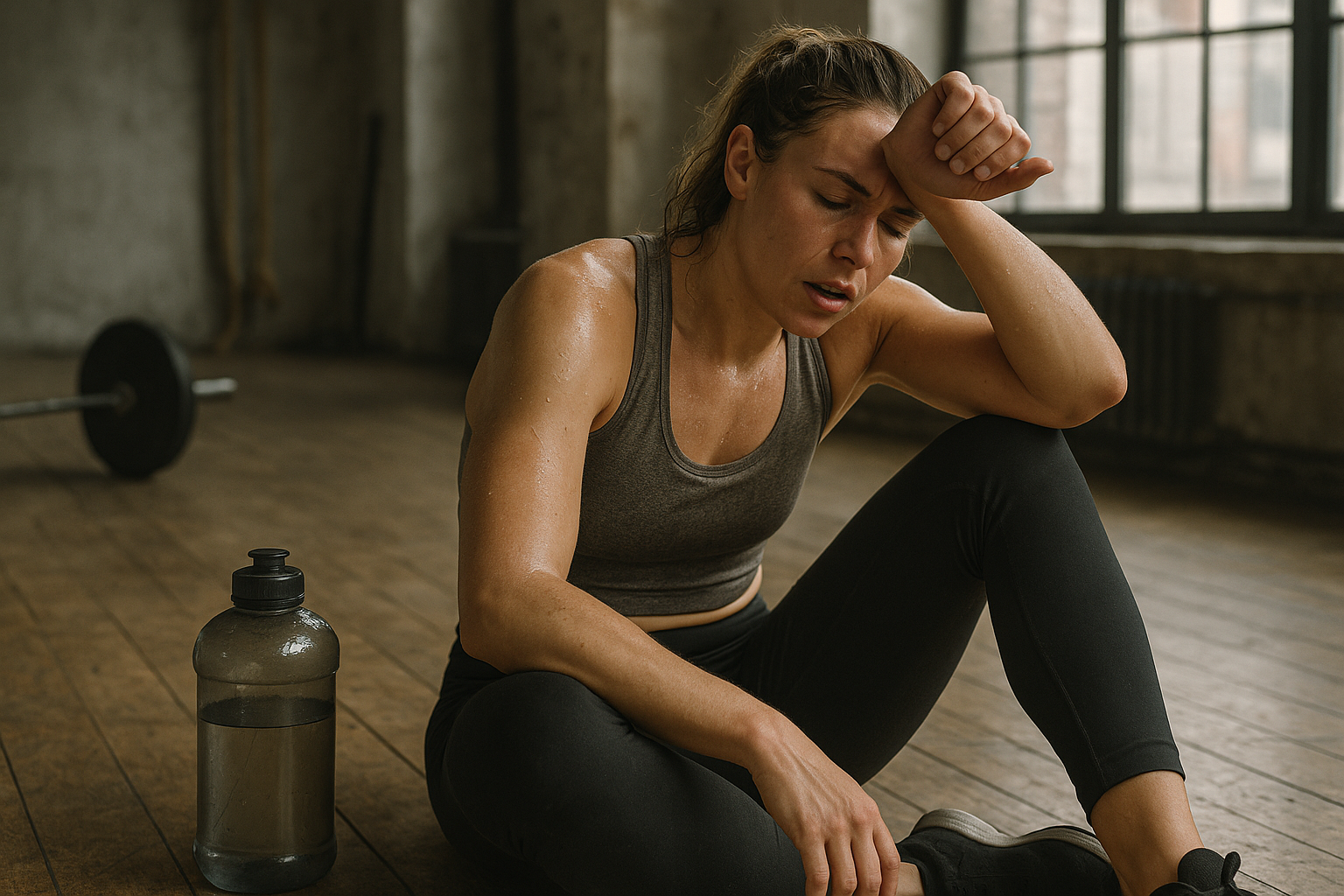
- Physical Signs: Increased heart rate, faster and deeper breathing, mild sweating at moderate intensity; intense sweating, labored breathing, and muscle fatigue at vigorous levels. If you feel dizzy, unwell, or overly breathless, it’s important to slow down or stop.
According to the CDC and NHS information, regularly checking in with these techniques can help you adjust effort safely and effectively.
Applying the Talk Test and RPE Scale: Practical Examples
Let’s see how these tools work in everyday exercise:
- Brisk Walking: If you can chat comfortably but singing feels tough, you’re achieving moderate intensity. If walking uphill leaves you breathless, you’re likely in vigorous territory.
- Cycling: Leisurely cycling with light pedaling = light intensity. Pedaling fast enough to break a sweat and hold short conversations = moderate. Racing or interval sprints = vigorous.
- Strength Training: If the final repetitions of a set make your muscles feel tired but still with good form, you’re likely at moderate intensity. If pushing through the last reps demands maximum effort and your breath is short, that’s vigorous effort.
By practicing the talk test and RPE ratings, you build an ability to self-monitor, which is essential for safe, enjoyable training with or without technology.
Why Judging Intensity Matters for Fitness and Health
Understanding and controlling workout intensity helps meet fitness goals, prevents overtraining or undertraining, and reduces injury risk. For older adults, evidence shows that resistance exercise at appropriate intensities can improve mental health and sleep quality (see Exercise and Nutrition in the Mental Health of the Older Adult Population). For all adults, balancing intensity supports consistency—key for long-term health gains noted in guidelines and research.
Additionally, recognizing the impact of factors like lack of sleep, nutrition, or fatigue on perceived effort (supported by studies such as How much does sleep deprivation impair endurance performance?) allows for better day-to-day adjustments and safer progress.
Optimizing Sessions: Adjusting Without Gadgets
If you notice a workout feels easier or harder than usual, use your RPE or talk test as a guide. For aerobic activity, try not to let moderate sessions feel too easy; if you can sing, increase your pace or add inclines. For resistance training, aim for a level where the last couple of reps feel "somewhat hard" (RPE 12–14), but not at the cost of poor form.
Rest and recovery are equally important—intense feelings of exhaustion, soreness, or low motivation can be signs to scale back, regardless of the numbers a device might show. This responsive, body-aware approach matches advice provided by major health organizations.
Practical Tips to Stay Consistent and Safe
- Warm up and cool down for each session.
- Monitor for pain (not just fatigue); stop if an activity causes sharp or persistent pain.
- Hydrate and fuel appropriately, as advised by sports nutrition guidelines (Position of the Academy of Nutrition and Dietetics, Dietitians of Canada, and the American College of Sports Medicine).
- Gradually increase the duration or intensity of workouts—avoid sudden large jumps in workload.
- Seek professional advice if you have medical conditions, if new to exercise, or aiming for specific goals.
Building these habits helps you judge and maintain your ideal workout intensity without ever needing a digital tracker.
FAQs
How do I know if I'm pushing myself too hard without a tracker?
Signs of overexertion include dizziness, nausea, chest pain, or severe shortness of breath. Using the talk test and RPE scale, if you cannot speak, or feel unable to recover after pausing, slow down or rest.
Can these methods work for beginners?
Absolutely. The talk test and RPE scale are simple and recognised globally for self-monitoring at any level. Beginners should start slow, progress gradually, and use the RPE scale conservatively.
Is it safe to exercise at vigorous intensity without measuring heart rate?
Yes, if you feel well, listen to your body's warning signals, and use the talk test and RPE guide as recommended by health organisations, you can exercise safely at higher intensities without technology.
References
- NHS Live Well – Exercise
- CDC – Physical Activity Basics
- Exercise and Nutrition in the Mental Health of the Older Adult Population: A Randomized Controlled Clinical Trial
- How much does sleep deprivation impair endurance performance? A systematic review and meta-analysis
- Position of the Academy of Nutrition and Dietetics, Dietitians of Canada, and the American College of Sports Medicine: Nutrition and Athletic Performance