
Electrolyte supplements are increasingly popular among active adults seeking to support hydration, exercise performance, and recovery. The demand for these products has led to a diverse market with varying formulas, delivery formats, and claims. This article provides an electrolyte supplement comparison across powders, tablets, and capsules, explaining how to interpret product labels, what evidence supports their use for training, and what safety cautions should guide your choice.
Overview of Electrolytes and Supplement Formats
Electrolytes—minerals like sodium, potassium, chloride, calcium, and magnesium—facilitate fluid balance, nerve impulse transmission, and muscle contraction. Physical activity, especially in hot or humid environments, increases fluid and electrolyte loss through sweat, which can lead to dehydration and performance declines if not properly replaced. Common forms of electrolyte supplements include:
- Powders: Dissolved in water, these often provide customizable concentrations and rapid absorption. They may feature additional ingredients like carbohydrates or flavourings.
- Tablets: Chewable or effervescent, tablets are convenient and portable. They dissolve in water but typically have fixed dosages and slower absorption than powders.
- Capsules: Swallowed like traditional supplements, capsules deliver a set dose and are flavourless but may have slower gastric dissolution and are less helpful if rapid rehydration is required.
The NHS recommends rehydration solutions containing appropriate balances of salts and sugars for treating dehydration, particularly after illness or heavy sweating (NHS, 2026). Commercial electrolyte supplements, however, vary widely in content, purpose, and regulation.

GigantX
Male-enhancement dietary supplement sold as 60 capsules; effectiveness and safety claims require independent verification.
View current price at retailer
Prices and availability change — confirm the current price at the retailer.
Affiliate link. We may earn a commission at no extra cost to you.
Key Label Criteria: Ingredients, Dosages and Certification
When reviewing an electrolyte supplement label, several factors should guide your safety and efficacy assessment:
- Mineral Content: Look for specific amounts per serving of sodium (the most sweat-lost electrolyte), potassium, magnesium, and calcium. Product strength can vary—compare the actual amounts with your hydration needs and, where relevant, sports nutrition evidence.
- Other Ingredients: Some products combine electrolytes with carbohydrates (for endurance) or performance enhancers like creatine. If you have dietary restrictions or allergies, scrutinize for additives, sweeteners, and allergens.
- Certifications and Third-Party Testing: Legitimate US certifications include NSF Certified for Sport. In the UK/EU, the Informed-Sport logo indicates batch testing for prohibited substances. Regulatory oversight for supplements differs from pharmaceuticals in both countries, so reputable third-party testing is key for quality assurance.
- Usage Instructions: Clear directions for preparation, dosing per body weight (where specified), and any warnings on maximum daily intakes matter for safety.
Powders vs Tablets vs Capsules: Use Case Comparison
Consider format when comparing electrolyte powder vs tablet or capsule for your needs:
| Format | Absorption Speed | Customisability | Portability | Typical Use Case |
|---|---|---|---|---|
| Powders | Fast (in solution) | High (modifiable dilution) | Moderate (requires water) | Endurance exercise, heavy sweat conditions, customised intake |
| Tablets | Moderate | Low (pre-set dose) | High | Travel, team sports, ease of use |
| Capsules | Slower | Low | High | Supplemental daily intake, individuals averse to flavours |
For rapid rehydration, dissolving powders or effervescent tablets in water may be most effective. Pre-measured tablets or capsules suit those prioritising convenience or fixed regimens.
Common Claims and Safety Caveats
Electrolyte supplement marketing often highlights enhanced hydration, faster recovery, and improved performance. However, regulatory standards for claims differ between the US and UK/EU. In both regions, excessive intake—especially of sodium or potassium—can carry medical risks. The NHS notes rehydration solutions are appropriate for sickness-related dehydration but cautions against extreme use or substituting supplements for water in mild dehydration (NHS, 2026). High-dose or multi-ingredient formulas (such as those combining creatine, caffeine, or additional botanicals) may not suit all users.
- Sodium overload may raise blood pressure or carry risks for those with cardiovascular or kidney conditions.
- Potassium supplements can be harmful for individuals on certain medications or with kidney concerns.
- Check for excessive magnesium or added stimulants, particularly if combining products.
Individuals with medical conditions, pregnant women, and those on prescription medications should consult a health care provider before regular use. Always follow manufacturer instructions and avoid exceeding labelled dosages.
Evidence on Effectiveness for Exercise and Recovery
Clinical evidence regarding electrolyte supplements in athletic contexts is mixed and depends on supplement composition, usage timing, and exercise type:
- A recent trial with a high-sodium, carbohydrate-free supplement found a roughly 2% faster 15 km treadmill time in the heat, but this was not statistically significant and did not result in different hydration or overall recovery outcomes when compared with placebo (Prins et al., 2026).
- Supplements with additional ingredients (e.g., creatine combined with electrolytes) may improve muscle strength and power in repeated exertion compared to placebo, as shown in studies of recreationally trained adults (Hummer et al., 2019), but these effects are not solely attributable to electrolytes.
- The NHS and sports nutrition guidelines recommend prioritising routine fluid and electrolyte intake from balanced food and drink except during prolonged, intense exertion or when rapid rehydration is medically necessary.
In summary, electrolyte supplements can modestly benefit performance and recovery in well-chosen situations, but their value must be measured against dietary sufficiency and actual risk of deficiency.
Checking Third-Party Testing and Regional Certification
Supplement regulation and certification differ substantially between the US and UK/EU:
- United States: Dietary supplements are regulated as foods rather than drugs, meaning pre-market approval is not required. Trusted certifications include NSF Certified for Sport and Informed-Sport, which confirm product testing for contaminants and banned substances relevant to competition.
- United Kingdom/EU: Products displaying the Informed-Sport badge undergo batch testing through an independent laboratory to ensure safety for athletes. UK/EU food laws also require clear label ingredient listing and nutrition information, but supplements are not reviewed for efficacy before sale.
Choosing supplements with certified third-party seals reduces the risk of inadvertent doping violations and provides some assurance of manufacturing quality, even though these marks do not guarantee efficacy for every purpose.
Summary Checklist for Selecting an Electrolyte Supplement
- Assess your actual electrolyte needs: Intensity, duration, heat, illness, and sweat loss are all factors.
- Check the label for: sodium (typically 300–700 mg/serving for athletes), potassium, magnesium, and non-electrolyte additives.
- Choose format for situation: powder for custom high-need rehydration, tablets/capsules for day-to-day or travelling.
- Prefer products with reputable third-party certification (e.g., NSF, Informed-Sport) for purity and label accuracy.
- Avoid megadoses; do not regularly exceed label directions unless supervised by a health professional.
- For regular or high-dose use, consult a healthcare provider, especially with medical conditions or medication use.
Electrolyte supplements are most beneficial in specific exercise or clinical contexts and are not a substitute for a balanced diet or safe hydration habits.

Bulk Extreme
Muscle and male-performance supplement; evaluate the complete formulation and claims before use.
Checked 1 Nov 2026 · price may change; confirm shipping & taxes at the retailer.
Affiliate link. We may earn a commission at no extra cost to you.
FAQs
What forms do electrolyte supplements come in, and how do they differ in absorption and use?
Electrolyte supplements are available as powders, tablets, and capsules. Powders dissolve quickly and allow custom dilution, tablets are often portable but slower to dissolve, and capsules offer convenience with slower absorption. Choose based on your preferred use case and need for rapid effect.
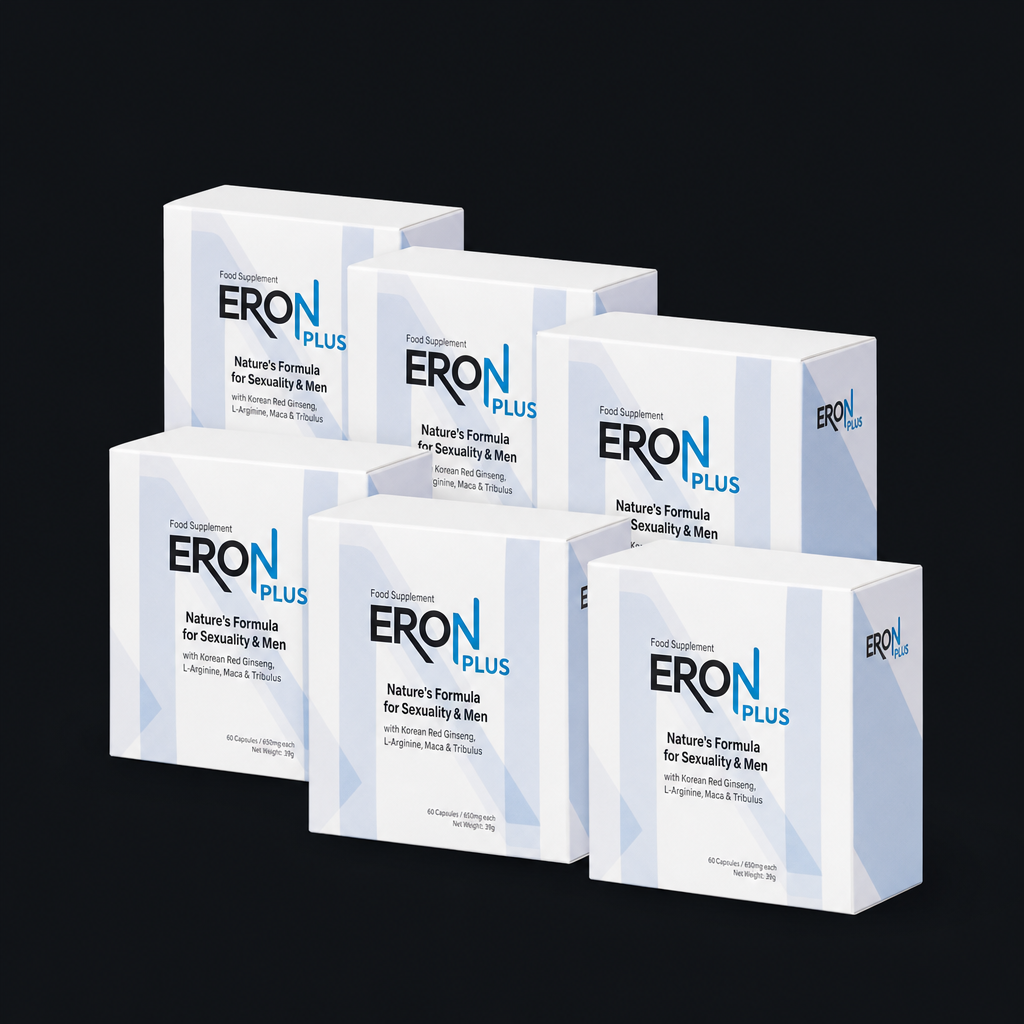
Eron Plus
Two-part men’s supplement system featuring L-arginine, maca, tribulus, ginseng and fenugreek; evidence for performance claims is limited.
View current price at retailer
Prices and availability change — confirm the current price at the retailer.
Affiliate link. We may earn a commission at no extra cost to you.
What should you look for on an electrolyte supplement label for safety and effectiveness?
Check for clear amounts of key electrolytes (sodium, potassium, magnesium, calcium), absence of unnecessary additives, third-party certifications, and usage instructions. Confirm the dosage matches your activity level and health requirements.
Are there major differences between brands or certified products?
Yes, ingredient amounts, purity standards, and certifications can vary widely. Look for products with NSF or Informed-Sport certification for greater assurance of label accuracy and athlete safety.
When are electrolyte supplements preferable to sports drinks or food sources?
Supplements are preferred during prolonged, high-intensity exercise, extreme heat, or in cases of illness causing significant fluid loss. For typical exercise or daily hydration, food and drink sources are usually sufficient.
References
Affiliate disclosure: This article may contain affiliate links to recommended products. FitnessScopes may receive a commission from purchases made through such links, at no cost to you.
