Interest in dietary supplementation is as high as ever, but consumers and professionals alike often find themselves navigating a maze of claims and disclaimers. The phrase dietary supplement evidence claims crops up frequently, but what can clinical research, regulatory frameworks, and official guidance really tell us? Understanding what the evidence genuinely shows—and what it does not—is vital for informed decisions about supplements and overall nutrition strategies.
How Dietary Supplement Claims Are Regulated
In most western countries, including the United States and the United Kingdom, the regulation of dietary supplements differs significantly from that of prescription medicines. In the US, the Food and Drug Administration (FDA) oversees dietary supplements primarily under the Dietary Supplement Health and Education Act (DSHEA). This means companies do not need to prove safety or effectiveness before selling a product; only after a product is marketed do authorities intervene if adverse events occur or if claims are deemed misleading.
According to the FDA, supplement manufacturers may make structure/function claims (e.g., "supports immune health") or statements about general well-being, but cannot legally claim to diagnose, treat, cure, or prevent a specific disease unless approved through a rigorous process (FDA Dietary Supplements Overview). In the UK, the Medicines and Healthcare products Regulatory Agency (MHRA) takes a similar stance. Both authorities require honest, not misleading, communication and require disclaimers for most effectiveness claims. However, neither agency independently verifies most supplements for efficacy prior to market entry.

GigantX
Male-enhancement dietary supplement sold as 60 capsules; effectiveness and safety claims require independent verification.
View current price at retailer
Prices and availability change — confirm the current price at the retailer.
Affiliate link. We may earn a commission at no extra cost to you.
The Basis of Dietary Supplement Evidence
When assessing dietary supplement claims, high-quality evidence usually refers to data from randomised controlled trials (RCTs), meta-analyses, and position stands from reputable scientific organisations. The US National Institutes of Health Office of Dietary Supplements (ODS) offers nutrient recommendations based on expert review of available research. Evidence standards are higher for claims relating to reduction of disease risk; for general support claims, smaller or less conclusive studies might be cited, which raises the risk of overstatement.
Certain ingredient claims do rest on strong evidence. For example, creatine monohydrate’s efficacy for increasing muscle mass and strength is among the best supported in sports nutrition, according to extensive reviews and trial data (Lak et al., 2025). Protein supplementation and specific nutrient-timing approaches, when paired with resistance training, are supported for improving muscle recovery and adaptation (Kerksick et al., 2017). Conversely, evidence for most over-the-counter antioxidant supplements improving sports performance remains weak or context-dependent (Gonzalez et al., 2026). Whole foods tend to outperform isolated antioxidant supplements in current research.
Common Limitations and Uncertainties in Supplement Research
The strength of dietary supplement evidence claims is often limited by research design, sample size, population, and duration. Many trials examine healthy volunteers or highly trained athletes, so findings may not generalise to all populations. Additionally, studies may use dosages or forms not mirrored by commercial products. The NIH ODS summarises recommended intakes and identifies nutrients most commonly under- or overconsumed in the general population, indicating where supplementation could be justified.
Some claims are extrapolated from cell or animal studies and later fail to translate to humans. Many benefits observed in short-term studies are not proven for chronic, real-world use. And while ingredients like creatine have a robust safety and efficacy record, many other supplement ingredients have limited long-term data, especially in specific groups, such as pregnant women or older adults. Even well-supported supplements are only truly effective as part of an individualised, well-rounded nutrition and training plan (Thomas et al., 2016).
Examples: What Solid Evidence Actually Supports
- Creatine Monohydrate: Extensive research supports its role in enhancing muscle strength and mass during resistance training, with little direct evidence of adverse effects such as hair loss (Lak et al., 2025).
- Protein Supplementation: Regular intake of high-quality protein, spaced through the day, helps maintain muscle protein synthesis and can support both strength gain and muscle preservation, especially when combined with exercise (Kerksick et al., 2017).
- Whole-Food Antioxidants vs. Isolated Supplements: While a diet high in antioxidant-rich foods aids recovery and health, strong evidence for isolated antioxidant supplements improving performance long-term is lacking; high doses may even blunt adaptations to training (Gonzalez et al., 2026).
- Dietary Approaches and Body Composition: Sustained caloric deficit is the primary driver of fat loss, with higher protein intake supporting lean mass retention; the precise macronutrient split is less important than overall intake and adherence (Aragon et al., 2017).
Where Claims Outpace the Evidence
Some supplement claims stretch beyond what robust data supports. For example, many products promise to boost energy, increase fat burning, or improve mental performance, but rigorous, peer-reviewed trials rarely confirm these effects. Antioxidant supplements are often marketed as universally beneficial, but the overall evidence is mixed, and effectiveness seems context-dependent as per ISSN’s latest stance (Gonzalez et al., 2026).
Additionally, nutrient timing and specific supplement combinations may yield benefits for highly-trained athletes, but there is little evidence that they provide significant advantages for the general population. And claims for products with herbal blends, proprietary formulas, or “superfood” status are seldom substantiated by well-designed clinical trials.

African Mango
Nutrina supplement based on African mango (Irvingia gabonensis) seed extract; weight-loss evidence remains limited.
Checked 1 Nov 2026 · price may change; confirm shipping & taxes at the retailer.
Affiliate link. We may earn a commission at no extra cost to you.
Safety and Risk Considerations
While the majority of popular dietary supplements are considered safe for most healthy adults when used as directed, there are always exceptions and caveats. The FDA warns that unregulated or mislabelled supplements may contain unlisted ingredients, pharmaceuticals, or contamination (FDA information). Some supplements can also interact with prescription medications or underlying medical conditions.
For certain nutrients—such as vitamin D, iron, and omega-3 fatty acids—a deficiency may justify supplementation, while others might best be obtained through dietary sources unless a specific insufficiency is demonstrated (NIH ODS). Overuse or megadosing of vitamins and minerals can cause harm, particularly in fat-soluble forms, making professional guidance crucial for those considering ongoing use.
Balancing Supplements with Overall Nutrition and Lifestyle
Leading health and sport nutrition organisations consistently recommend that most people aim to meet their nutritional needs through a balanced, varied diet, reserving supplements for situations where nutrient gaps exist or increased requirements are documented. When combined with a well-structured exercise regime, proper nutrition—rather than supplementation alone—drives optimal performance and long-term health (Thomas et al., 2016).
In some research, targeted dietary changes combined with resistance training improved mental health and sleep outcomes in older adults, highlighting the powerful, synergistic effects of lifestyle interventions compared to any single supplement (Carcelén-Fraile et al., 2024). Supplements can fill gaps, but they are not a substitute for a holistic approach to health, training, and recovery.
FAQs
Can dietary supplements claim to cure or treat diseases?
No. In the United States and most countries, supplements cannot legally claim to cure, treat, or prevent diseases unless specifically reviewed and approved as medicines by relevant authorities like the FDA. Most product claims are limited to supporting structure or function of the body.
Is there strong evidence that creatine causes hair loss?
No. Recent randomized controlled trials directly measuring creatine's impact on hair follicles found no evidence linking creatine supplementation to hair loss in healthy adults.
Are antioxidant supplements as effective as eating antioxidant-rich foods?
Generally not. Most evidence shows greater health and performance benefits from consuming antioxidant-rich whole foods than from isolated antioxidant supplements, which can sometimes interfere with beneficial training adaptations.
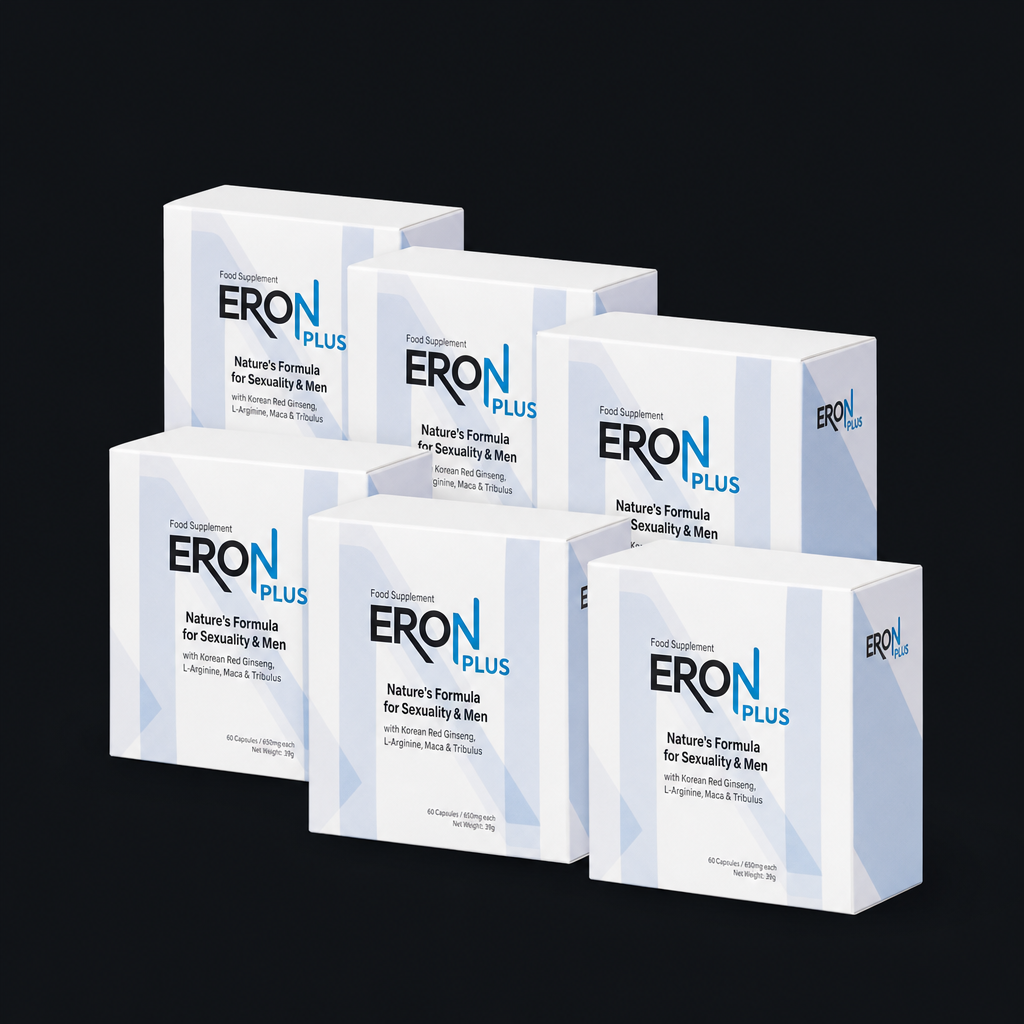
Eron Plus
Two-part men’s supplement system featuring L-arginine, maca, tribulus, ginseng and fenugreek; evidence for performance claims is limited.
View current price at retailer
Prices and availability change — confirm the current price at the retailer.
Affiliate link. We may earn a commission at no extra cost to you.
Should everyone take dietary supplements?
No. Most people can meet their needs through a varied diet; supplementation may be needed for certain nutrients in cases of deficiency, dietary restriction, or increased requirements, best determined with professional advice.
References
- FDA: Dietary Supplements Overview [US official guidance]
- NIH Office of Dietary Supplements: Nutrient Recommendations [US official guidance]
- Position of the Academy of Nutrition and Dietetics, Dietitians of Canada, and the American College of Sports Medicine: Nutrition and Athletic Performance
- International society of sports nutrition position stand: nutrient timing
- Does creatine cause hair loss? A 12-week randomized controlled trial
- International Society of Sports Nutrition position stand: effects of dietary antioxidants on exercise and sports performance
- International society of sports nutrition position stand: diets and body composition
- Exercise and Nutrition in the Mental Health of the Older Adult Population: A Randomized Controlled Clinical Trial
No affiliate relationships influenced this article. The information provided does not replace individual medical advice. Consult a qualified professional before using supplements, especially with medical conditions or other medications.