
The increasing popularity of collagen supplements has brought a wave of new options to the market, promising benefits for skin, joints, and even muscle recovery. This collagen supplement buying guide provides practical, evidence-based insights to help you choose safe, effective products whether you’re in the US, UK, or a similar region. With label claims varying by geography and type, understanding the differences between collagen peptides, hydrolysed collagen, and gelatin—and knowing what to look for on a supplement label—can protect you from pitfalls and marketing hype.
What Is Collagen? Uses and Common Types
Collagen is the most abundant protein in the human body, forming connective tissues such as skin, cartilage, bone, and tendons. As we age, our natural collagen production declines, leading to common signs of ageing and joint discomfort. Collagen supplements aim to bridge this gap, typically in three main forms:
- Gelatin: Partially hydrolysed collagen, typically used as a food gelling agent. It’s less soluble than other types and commonly found in dessert products.
- Hydrolysed collagen: Collagen that’s been broken down (hydrolysed) into smaller peptides for easier digestion and absorption. Often used synonymously with 'collagen peptides.'
- Collagen peptides: Short chains of amino acids—from collagen—produced by further hydrolysis. Rapidly absorbed and the dominant form found in most supplements.
Regarding the ongoing discussion of collagen peptide vs hydrolysed, these terms are largely interchangeable in the supplement context, both referring to highly digestible forms designed for maximum bioavailability. It’s important to distinguish these from unhydrolysed collagen or simple gelatin, which are less bioavailable when consumed as supplements.
What Evidence Supports Collagen Supplement Use?
Scientific support for collagen supplement use varies with the target outcome and product type. Small but promising clinical trials suggest that collagen peptides may help with specific joint discomfort, skin elasticity, and possibly recovery from exercise-induced muscle soreness. However, the degree of benefit—and its relevance to the general population—remains uncertain due to study limitations and reliance on subjective outcomes.
The US National Institutes of Health’s Office of Dietary Supplements notes that while some studies show a positive effect for skin hydration and elasticity, as well as mild improvements in joint function, the evidence is not robust enough to guarantee benefits for everyone (ODS Collagen Fact Sheet). No major government body in the US or UK currently endorses routine collagen supplementation for the general public, nor does the NHS recommend it for skin or joint health (NHS Collagen Guidance).
It’s also important to remember that ingredients in individual products can differ, so evidence supporting one brand or type may not apply to all. Look for products that specify the form (e.g., hydrolysed peptide) and list the source (bovine, marine, porcine) if you want to match published studies as closely as possible.

Testomore
Men’s dietary supplement marketed for testosterone and vitality support; assess the current ingredient label and evidence before buying.
Checked 1 Nov 2026 · price may change; confirm shipping & taxes at the retailer.
Affiliate link. We may earn a commission at no extra cost to you.
Collagen Label Checklist: Ingredients, Additives, Claims
Always inspect a collagen supplement label closely before purchase—especially when comparing products between regions. The essentials for any collagen supplement label check are:
- Product identity: The label should state ‘collagen supplement’ or an equivalent, alongside the type (peptide, hydrolysed, etc.).
- Supplement Facts (US) or Ingredients List (UK): Mandatory panels or ingredient disclosures for both active and inactive contents. Check for meaningfully dosed collagen (typically several grams per serving), source material, and if ingredients include artificial colours, sweeteners, or preservatives.
- Other ingredients: These may include fillers, binders, or allergens. In both the US and UK, all ingredients—active and other—must be disclosed. Be cautious of proprietary blends without clear dosing.
- Serving size and suggested use: The label should clarify how much product equals one serving and recommended daily amounts. For powders or liquids, serving sizes may be listed in both grams and ounces.
- Manufacturer details: Name and contact address are required; this enables follow-up if adverse reactions occur or quality questions arise (FDA Supplement Labeling Guide).
- Allergen statements (e.g., fish, shellfish, eggs): Required in both regions if major allergens are present or possible.
Beware of unsubstantiated claims—such as promises to treat disease, stop ageing, or provide guaranteed improvements in health. These are not permitted on dietary supplement labels in the US or UK, and may signify poor regulatory compliance (FDA Dietary Supplements Q&A).
Regulation and Certification (US vs UK requirements)
Regulation of collagen supplements differs significantly between the US and UK. In the United States, collagen products are regulated as dietary supplements under the Dietary Supplement Health and Education Act (DSHEA). The FDA does not require premarket approval; companies are legally responsible for ensuring their products are safe and accurately labelled, but oversight is mostly postmarket. Required label elements include identity, net quantity, Supplement Facts, ingredient list, and business contact information. The FDA has authority to recall unsafe or misbranded products, but does not routinely test supplements before sale (FDA Q&A).
In the UK, the Food Standards Agency (FSA) and local Trading Standards enforce requirements for food supplements. All ingredients must be legal for use in food, and labels must disclose all ingredients, allergens, and manufacturer details. Claims linking collagen directly to disease prevention or cure are prohibited in both countries. However, EU or UK-specific claims for skin, joint, or tissue function must be based on recognised evidence and are tightly controlled.
Third-party certifications (such as NSF Certified for Sport, Informed-Sport, or UKAS-accredited testing) can add assurance for purity and label accuracy, but they are voluntary. Genuine certifications can be especially valuable for competitive athletes or those with allergies.
How to Assess Value and Avoid Marketing Hype
In a crowded market, how do you pick the most valuable collagen supplement—and avoid overpaying for marketing hype?
- Look for specific form and dose: Choose a product that clearly states the type (hydrolysed/peptide) and exact amount of collagen per serving, ideally in line with dosages used in published studies.
- Ingredient transparency: Ensure all ingredients (including any flavourings or sweeteners) are fully disclosed. Avoid products with unnecessary additives unless they serve a functional purpose for you.
- Source and testing: If you have dietary preferences (e.g. avoiding bovine or fish sources), check the label for origin. Third-party tested products may offer additional safety confidence.
- Don't be swayed by beauty claims: Promises of instant skin transformation or miracle joint cures are not evidence-based or legally permitted. Rely on transparent labelling and relevant third-party certifications, not celebrity endorsements or glossy imagery.
- Compare cost per effective serving: Work out how many grams of collagen you receive per dollar, pound or euro to assess real value—not just price per tub.
Finally, consider whether the evidence justifies ongoing cost for your situation. Consult a healthcare provider before starting supplementation, especially if you have a medical condition or take prescription medications, to reduce risk and check for possible interactions (NIH ODS Collagen Fact Sheet).
FAQs
What’s the difference between hydrolysed collagen, collagen peptides, and gelatin?
Hydrolysed collagen and collagen peptides are largely the same, as both describe collagen broken down into small, easily absorbed chains of amino acids. Gelatin is only partially hydrolysed and is less digestible when taken as a supplement.
How do I check if a collagen supplement label is trustworthy?
Look for label elements required by law: product identity, Supplement Facts or ingredient list, dosage per serving, source material, manufacturer contact, and allergen statements. Avoid products making disease treatment claims or lacking transparency on ingredient amounts.

Bulk Extreme
Muscle and male-performance supplement; evaluate the complete formulation and claims before use.
Checked 1 Nov 2026 · price may change; confirm shipping & taxes at the retailer.
Affiliate link. We may earn a commission at no extra cost to you.
Are collagen supplements regulated for safety in the US and UK?
Both countries regulate collagen supplements primarily under food or dietary supplement laws. Manufacturers are responsible for safety and labelling, but regulators (FDA in the US; FSA and Trading Standards in the UK) can take action postmarket if problems arise. Neither country requires premarket safety approval.
Can I rely on marketing claims for collagen’s effects?
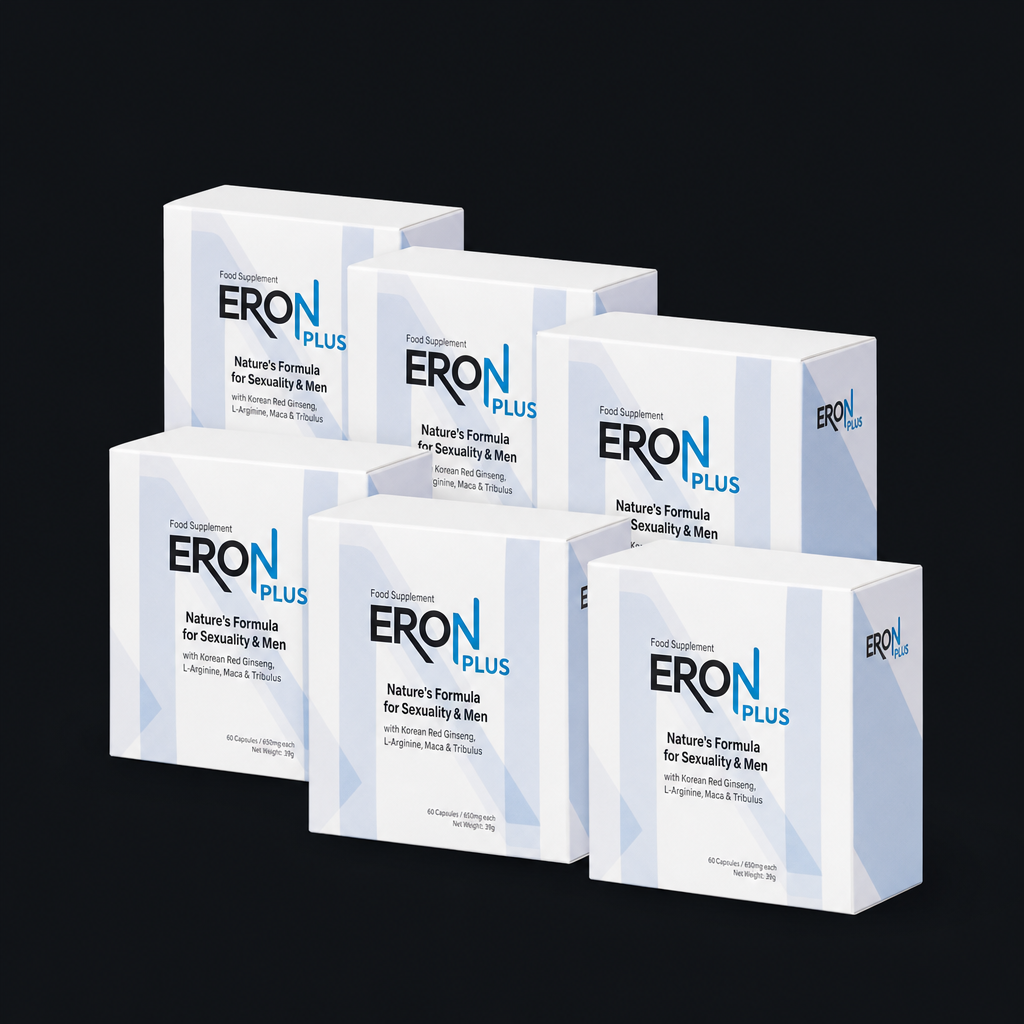
Eron Plus
Two-part men’s supplement system featuring L-arginine, maca, tribulus, ginseng and fenugreek; evidence for performance claims is limited.
View current price at retailer
Prices and availability change — confirm the current price at the retailer.
Affiliate link. We may earn a commission at no extra cost to you.
No. Marketing promises about guaranteed health improvements or disease treatment are not supported by regulatory authorities. Check for transparent labelling, genuine certifications, and published research if you’re seeking real evidence.
References
Affiliate disclosure: Some recommended supplement products may provide an affiliate commission if you purchase via links, at no additional cost to you. This does not influence editorial content or evidence assessment.