Affiliate disclosure: This article may contain affiliate links. FitnessScopes may earn a commission if you make a purchase through recommended links at no extra cost to you.
Introduction to Weighted Skipping Ropes
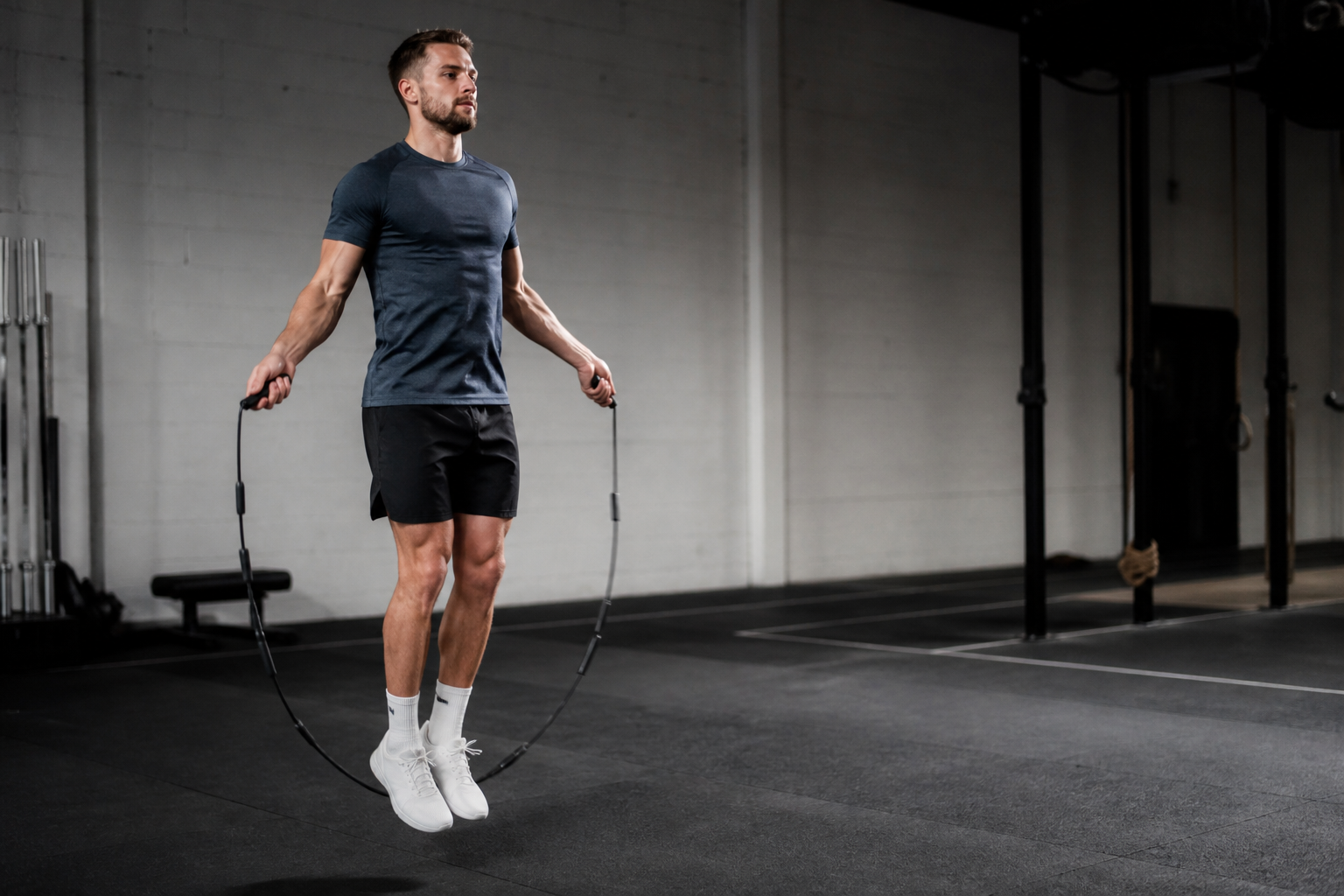
If you’re browsing for a comprehensive weighted skipping rope buying guide, you’re likely aware of the surge in popularity these tools have enjoyed within home and gym-based training. A weighted skipping rope offers the classic cardiovascular and coordination benefits of a standard jump rope, but with added resistance to challenge your muscles and technique. Both beginners and seasoned exercise enthusiasts in the UK, US, and elsewhere are using them to vary routines, build fitness, and train in limited spaces.
Weighted ropes have different forms, with added mass in the handles, the rope itself, or both, usually ranging from around 0.25–2 kg (0.5–4.5 lbs). Their appeal spans from fat-burning cardio to building shoulder endurance, but with variety comes a need for careful selection based on durability, adjustability, and the intended training effect. In this guide, you’ll find evidence-based insights into rope skipping exercise benefits, differences between weighted and traditional ropes, and practical buying tips aligned with current research.
What the Evidence Says: Training Benefits and Risks
Research underscores multiple fitness benefits from incorporating rope skipping—whether with weighted or standard ropes—into training routines. Peer-reviewed interventions in young adults found that even a short session (one, 10-minute weighted rope workout weekly) combined with other cardiovascular exercise produced measurable gains in both aerobic capacity (as evidenced by improvements in the Ruffier test) and lower/upper limb strength compared to a control group (Jump Rope Training Improves Muscular Strength and Cardiovascular Fitness in University Students).
Rope skipping itself is a highly effective aerobic exercise, promoting muscular endurance, balance, and coordination—a perspective supported by physical education research and by tools validated for motor skill assessment among children (Validation and Cultural Adaptability of the MOBAK Test Battery). Added weight may increase the demand on the shoulders, forearms, and grip, enhancing muscle activation but also raising the risk for overuse injuries if progression is too rapid or form deteriorates under load.
Potential risks specific to weighted ropes include repetitive strain, particularly in the wrists, elbows, and shoulders, especially when jumping on hard surfaces or exceeding personal limits. Beginners and individuals with joint concerns or poor baseline mobility should build up gradually, focusing on control rather than speed to minimise risk.
Weighted Rope vs Standard Rope: Practical Differences
The primary distinction between weighted jump ropes for fitness and standard ropes lies in the training stimulus and resulting adaptations. As weighted ropes require more force per rotation, they provide greater muscular engagement, particularly in the upper body. University-based interventions demonstrated improvements in both cardiovascular and strength outcomes when jump rope routines were performed using added resistance.
Standard ropes, by comparison, emphasise speed, rhythm, and endurance, making them optimal for coordination drills and high-intensity interval training (HIIT) that stresses aerobic fitness (Jump Rope Training). Weighted ropes raise perceived exertion, making sessions generally shorter but more taxing muscularly. Practical differences to consider include:
- Weighted ropes slow down the movement, allowing for deliberate technique but limiting high-frequency skips.
- Coordination benefits arise from both formats, though weight can hinder advanced footwork for some.
- Greater muscular fatigue with weighted ropes, especially for shoulders, forearms, and grip.
- Standard ropes are better suited for beginners or those focused purely on speed and agility.
The choice often comes down to training priority—speed and agility versus strength endurance and added resistance.
Buyer Checklist: Materials, Adjustability, Handles & Weight
A quality weighted skipping rope should balance durability, adjustability, comfort, and a weight that matches your training needs. Here’s a practical checklist for shoppers:
- Materials: Look for cables or ropes made from steel with a protective coating (PVC or rubber), or thick woven materials that resist kinking. Handles should be robust—preferably with a comfortable, slip-resistant grip.
- Adjustability: Most ropes offer adjustable lengths, which is crucial for injury prevention and effective skipping. In the UK and US, the recommended length is generally that the rope reaches your armpit or just below with both feet on the rope. Height-based charts in feet/inches or cm/metres are usually provided by reputable brands.
- Handle Design and Weight: Some weighted ropes integrate mass in the handles, while others in the rope. Aim for handles that rotate smoothly to reduce wrist strain. Beginners often benefit from ropes at or below 0.5 kg (1.1 lbs); advanced users may prefer heavier options for strength training.
- Build Quality Certifications: While certifications like CE or RoHS relate to material safety (especially in the EU/UK), real-world durability often comes down to user reviews and brand reputation in your market.
- Spare Parts and Warranty: Check whether cables, weights, or grips can be replaced separately, saving on long-term costs.
Always try to match rope weight and adjustability to your current level and fitness goals.
Popular Training Goals and Example Workouts
Weighted ropes can play a versatile role in both short and structured fitness routines. Popular training goals include:
- Improved cardiovascular fitness: Brief, high-intensity intervals with a weighted rope are effective for raising heart rate.
- Muscular endurance: Longer sets with moderate weight focus on grip, forearm, and shoulder stamina.
- Coordination and motor skills: Alternating jumps, crossovers, and footwork drills challenge the nervous system and develop rhythm (MOBAK Test Validation).
Example beginner workout: 3 rounds of 45 seconds skipping/15 seconds rest, focusing on even rotations and soft landings. Increase rounds or add weight as technique improves.
Sample advanced circuit: 5 rounds—30 seconds double-unders (rope passes under twice per jump), 15 seconds rest, 30 seconds weighted alternate-foot skipping, 15 seconds rest.
Customise workouts based on personal capacity, adjusting rest and work intervals to suit fitness levels and desired outcomes.
Cautions and Contraindications
While most healthy adults can add a weighted jump rope for fitness without major risk, some groups should proceed carefully:
- Individuals with joint, tendon, or shoulder injuries should seek professional advice before starting weighted skipping.
- Older adults or those with osteoporosis may be at increased risk for bone stress if jumping protocols are not tailored.
- Children and adolescents should use lighter ropes and shorter durations to avoid repetitive strain, as evidence suggests fitness outcomes—including success in 1-minute rope skipping—vary based on body mass index and baseline physical abilities (Association between BMI and Physical Fitness).
Always prioritise warm-up, gradually progress weight and volume, and stop if you experience joint pain, dizziness or swelling. Allow for adequate recovery between difficult sessions.
Summary
Weighted skipping ropes provide a multifaceted approach to training—offering aerobic, strength, and coordination benefits within a compact, low-cost tool. The key to purchase success is matching rope features (weight, adjustability, materials) with your specific needs and current fitness level, while progressing carefully to minimise injury risk. Supported by evidence from controlled interventions, rope skipping—whether standard or weighted—stands out as an effective, adaptable form of exercise, provided buyers make informed, cautious choices.
Explore more Performance & Recovery Guides