
Choosing the right step tracker can significantly support your weight management efforts and overall activity levels. In this step tracker buying guide, we bring together official advice and current evidence on tracker types, accuracy, and essential features, with practical considerations for users in the US, UK, and globally. Whether you’re considering a basic pedometer, a feature-rich smartwatch, or a free mobile app, understanding what matters for accurate and motivating step tracking will help you make an informed decision.
Introduction: Why Track Steps?
Tracking steps is a simple yet effective way to monitor and encourage daily physical activity. Health authorities such as the US Centers for Disease Control and Prevention (CDC) and the UK National Health Service (NHS) highlight walking as one of the safest and most accessible forms of exercise, recommending adults accumulate at least 150 minutes of moderate activity per week—often translated as aiming for about 10,000 steps per day (approximately 5 miles or 8 km) (NHS). Step tracking helps quantify activity, set goals, and maintain motivation for weight management programmes. Devoting time to walk more frequently can burn excess calories, build stamina, and improve heart health, offering structured feedback for sustainable change.
Types of Step Tracker
There are several main categories of step trackers, each with unique strengths and considerations:
- Pedometers: Basic devices, often clipped to clothing or worn on the waistband. They specifically count steps and may be less expensive, but generally lack advanced features or connectivity.
- Wrist-Wearable Trackers: Include fitness bands and smartwatches that use accelerometers to detect wrist movement as a proxy for steps. They may offer additional metrics like calories, heart rate, and distance, plus smartphone syncing for data analysis.
- Mobile Apps: Built-in smartphone sensors and dedicated apps (such as the NHS Active 10 or Apple Health) can track steps using the phone's motion sensors. Apps are convenient and often free but may be less accurate if the phone is not always carried.
- Smartwatches: High-end devices (e.g., Apple Watch, Samsung Galaxy Watch) combine step tracking with broader health features (GPS, heart rate, sleep, notifications). These generally require more charging and come at higher prices.
Your option may depend on your budget, preferred features, wearable comfort, and how closely you want to monitor your activity alongside weight management.
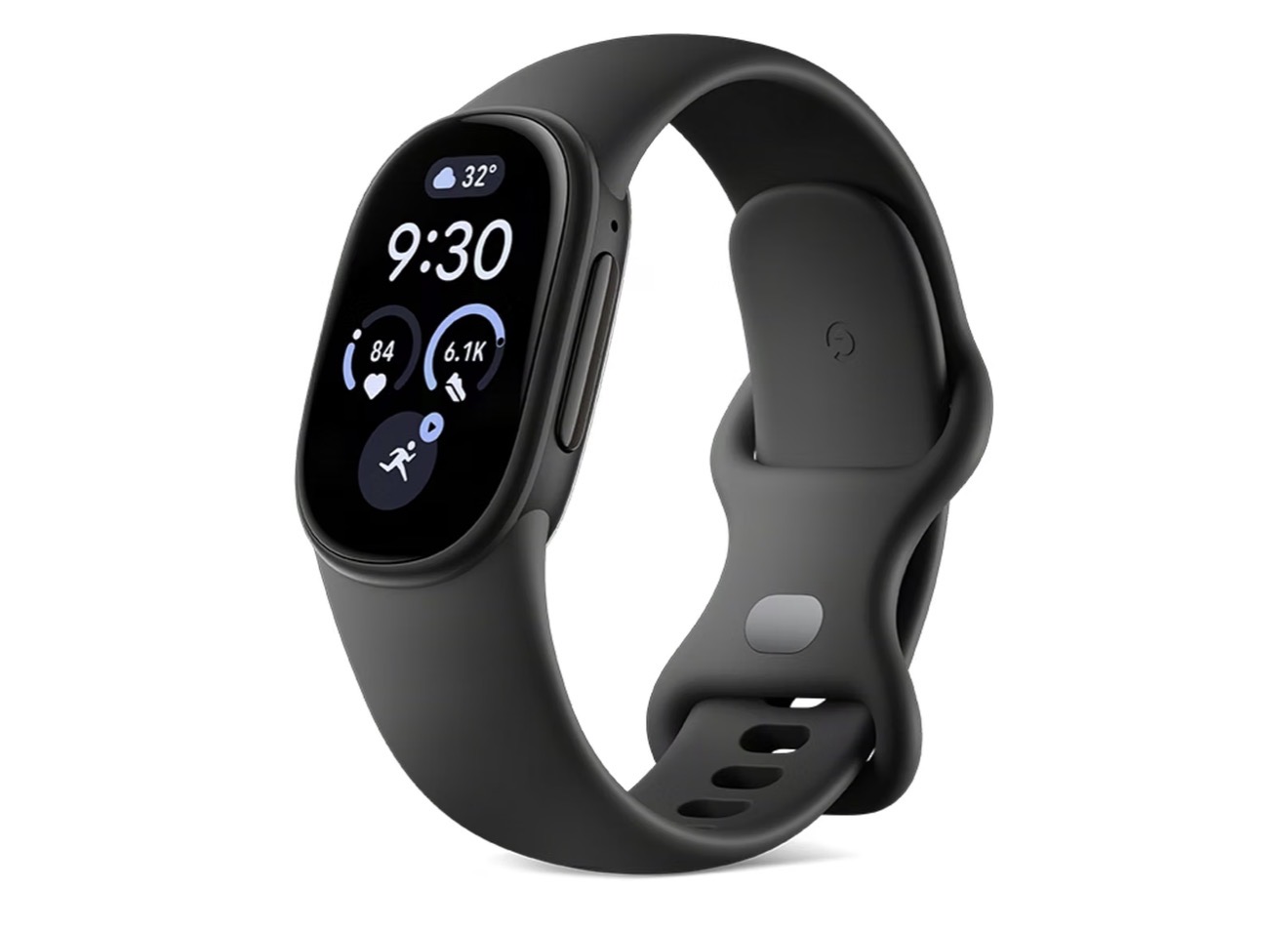
Fitness activity tracker
Activity trackers can log movement, step counts and some heart-rate or sleep estimates, depending on model and sensor. These consumer readings are not medical diagnoses.
Check price on Amazon
See the current price and availability on Amazon before ordering.
Affiliate link. We may earn a commission at no extra cost to you.
Accuracy, Evidence and What Counts as a Step
Accuracy in step counting varies significantly between devices, with the best devices achieving high accuracy in lab settings and variable results in daily life. Systematic reviews of activity tracker accuracy show that:
- Fitbit Charge series and Fitbit Zip have shown reliable step counting, with errors of under 10% in controlled environments (Feehan et al., 2018) and in free-living conditions (An et al., 2017).
- The mean absolute percentage error (MAPE) in free-living scenarios can increase to around 18% across brands, partly due to variations in walking speed, how the device is worn, and the nature of daily movements.
- Research-grade accelerometers remain more accurate but are less convenient for daily personal use. Popular consumer devices, while not perfectly precise, are generally sufficient for goal setting and tracking trends over time.
- Not all steps are counted equally: wrist-based devices may undercount steps when pushing strollers or trolleys, and phone apps only log steps if the phone is consistently carried.
There is also considerable variation in the algorithms used by manufacturers for step detection. This means results—even with identical physical activity—can differ among brands, or even between devices worn on different body parts. For most people, a consistent upward trend over several days or weeks is more important than device-to-device comparison. Ultimately, step trackers are most useful for self-motivation, not precise measurement.
Features to Consider: Battery, Display, Syncing
The right feature set in a step tracker depends on personal preferences, lifestyle, and technical comfort. Key features to review before purchasing include:
- Battery Life: Basic pedometers can last for months on a coin cell battery, while wristband trackers often last 5–14 days between charges. Smartwatches with advanced features might require daily charging.
- Display: Some trackers offer a simple steps-only display; others provide notifications, heart rate, or call alerts. A backlit or colour display can enhance visibility in bright or dim conditions.
- Data Syncing: Most modern trackers sync to smartphone apps (iOS and Android), providing summaries, long-term trends, and sometimes social sharing or coaching features. Check device compatibility, as some models are iOS- or Android-specific.
- Water Resistance: Useful for all-day wear, particularly in wet climates or during workouts.
- Build and Comfort: Consider the fit, size, and style—especially for all-day use. Lightweight and adjustable bands typically suit a broader range of users.
- Privacy and Data Storage: Some devices store data locally (pedometers), while others transfer data via Bluetooth to company servers. User data may be stored offshore and subject to differing regulations. Some brands offer greater controls over personal data export or deletion.
- Fees and App Ecosystems: Many step-tracking apps are free, but some advanced features (such as insights or coaching) may require monthly subscription fees, with terms and features differing by region.
For people primarily interested in supporting weight management, step tracking integrated with food logging, reminders, and community challenges may boost results. However, simplicity and usability are valuable—don’t let feature overload detract from daily usage.
Buyer Checklist: US, UK, International Considerations
Before buying a step tracker, consider the following checklist:
- Check Guidance: In both the US and UK, authorities emphasise regular daily movement—typically aiming for 10,000 steps/day, but recommendations focus on progress from your baseline. Official units in apps and trackers may default to miles (US) or kilometres (UK and Europe). Most devices let you select your preferred system.
- Label Claims: Step counts quoted in marketing materials are estimates, and stated accuracy may only reflect controlled or lab-based conditions. Double-check claims related to clinical accuracy, especially for medical or weight-loss products.
- Privacy Policies: Be aware of where your data is stored, data export options, and privacy standards (e.g., US HIPAA vs. UK GDPR). Some brands differ in their approach to personal data and provide more granular settings for overseas users.
- Compatibility: Not all trackers sync with all phone models or health record platforms. US users may see device health integrations with CDC-recommended apps, while UK users may find NHS-compatible features or local app support like the NHS Active 10 app.
- Warranties and Support: Warranty length, customer service, and repair/replacement pathways may differ by country. Buy through recognised retailers who can support regional returns or app access.
- Costs and Recurring Fees: Entry-level pedometers are often a one-time purchase, while premium devices or advanced app functions could involve recurring monthly or annual fees.
- Language and Accessibility: For visually impaired or older users, look for larger displays, simple menu navigation, and voice feedback options.
When in doubt, seek independent reviews, look up device-specific research (not just marketing), and choose a tracker that fits your daily routine. Focus on evidence-based personal goals: even brisk 10-minute walks count towards health targets (NHS).
FAQs
What types of step trackers are available?
You can choose from simple pedometers, wrist-worn fitness trackers, smartwatches, or smartphone apps. Each has different features and trade-offs in cost, accuracy, and connectivity.
How accurate are step trackers?
Laboratory and free-living research show best-in-class devices can be about 90% accurate for step detection, though errors may reach 10–20% in real-world use due to differences in walking style, device placement, and activity types.
Can step tracking support weight management?
Yes. Regular step tracking can motivate you to increase daily activity, progress towards physical activity targets, and track calories burned, all contributing positively to weight management routines.

African Mango
Nutrina supplement based on African mango (Irvingia gabonensis) seed extract; weight-loss evidence remains limited.
Checked 1 Nov 2026 · price may change; confirm shipping & taxes at the retailer.
Affiliate link. We may earn a commission at no extra cost to you.
Are there risks with syncing, privacy, or fees?
Yes. Some sync only to proprietary apps, and privacy policies vary widely by manufacturer and country—personal data storage may be offshore. Many devices are free to use, but some offer premium features via subscription.

Crave Burner
A capsule supplement marketed for appetite and weight-management support. Review its botanical ingredients and cautions before considering purchase.
Checked 1 Nov 2026 · price may change; confirm shipping & taxes at the retailer.
Affiliate link. We may earn a commission at no extra cost to you.
References
- Walking for health – NHS (UK, last reviewed 2022)
- Accuracy of Fitbit Devices: Systematic Review and Narrative Syntheses of Quantitative Data (Feehan et al., 2018)
- How valid are wearable physical activity trackers for measuring steps? (An et al., 2017)
Affiliate disclosure: This article may contain links to commercial products. FitnessScopes may receive a commission if you purchase a product through these links, at no extra cost to you. This does not affect our editorial independence.