Introduction
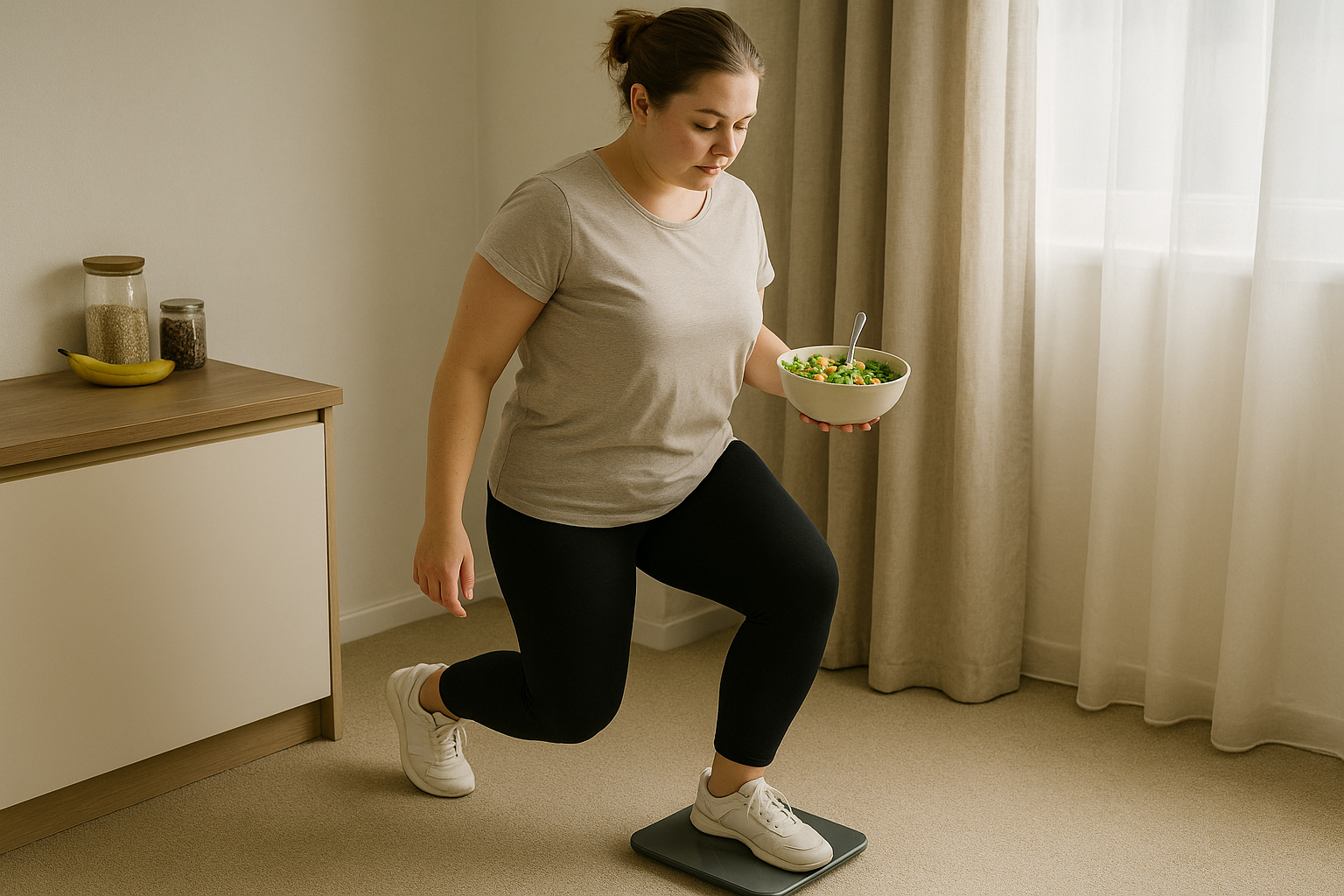
Creating sustainable physical activity habits is essential for long-term health and wellbeing, yet many adults struggle with consistency. Evidence shows that setting realistic and enjoyable routines, rather than extreme workout regimens, supports lasting physical and mental benefits. This guide distils key recommendations from leading US and UK health authorities, addressing what works, what new exercisers should try, and important safety and limitation considerations.
Evidence and key principles
A range of international guidelines highlight several core principles for sustainable physical activity:
- Regular, moderate movement yields significant health gains. Both the US Centers for Disease Control and Prevention (CDC) and the UK’s NHS recommend that adults aim for at least 150 minutes (2.5 hours) per week of moderate-intensity aerobic activity (such as brisk walking or cycling), plus strength training twice weekly.CDC GuidelinesNHS Exercise Excessive or highly intense regimens are not necessary to see measurable benefits.
- Inactivity carries substantial health risks. Long periods of sitting are linked with higher risks for heart disease, diabetes, and stroke, making any shift toward more frequent movement beneficial.NIDDK Tips
- Both aerobic and muscle-strengthening activities add value. Combining cardiovascular and strength-based movements supports heart health, bone density, balance, and functional longevity.
- Gradual build-up and personalisation matter. Evidence stresses that starting small and progressing slowly increases adherence while reducing the risk of injury or burnout.
Key evidence also finds that the greatest relative health improvements occur when previously inactive people introduce even modest activity into their routines.Physical Activity Guidelines for Americans
Practical guidance
For most healthy adults, sustained activity is best approached through these practical steps:
- Choose activities you enjoy. Enjoyment is a major predictor of habit formation. Walking, cycling, dancing, gardening, or swimming are all valid. Sample several options to see what you like most.
- Start with short sessions. Begin with as little as 10 minutes at a time, and gradually add more minutes as your confidence and fitness improve.CDC: Physical Activity Basics
- Integrate movement into daily life. Take stairs, walk part of your commute, stretch during breaks, or perform chores energetically. Routine physical tasks also count toward your total.
- Strength train twice a week. Use resistance bands, bodyweight exercises, or light weights. Focus on major muscle groups. As little as one set per group produces benefits for new practitioners.
- Set realistic, trackable goals. Begin with goals like “three brisk walks this week,” and use a journal or digital tracker to review progress.
- Enlist social support if helpful. Share objectives with friends or schedule active outings together for accountability and enjoyment.
Newer exercisers should recognise that sustainable habits can start with small, manageable steps—no special equipment or extreme plans are required for noticeable benefits. If you face barriers such as lack of motivation, time, or access, try swapping in activity breaks, recruiting others, or using free online routines.NHS Exercise
Common mistakes
Several pitfalls can undermine efforts to build lasting activity habits:
- Overcommitting initially. Starting with overly long, intense, or frequent sessions often leads to fatigue or injury, decreasing motivation.
- Relying solely on willpower. Sustainable change is driven more by environment and routine than constant self-discipline. Making activity part of your schedule and physical surroundings makes adherence easier.
- Neglecting variety or personal preference. Sticking to an unenjoyable or monotonous routine increases dropout risk. Adapt activities to your taste, abilities, and season.
- Comparing yourself unrealistically. Avoid using others’ achievements as benchmarks, especially when beginning. Focus on your own progress and enjoyment.
- Ignoring aches and safety signals. Pushing through persistent pain or significant discomfort can cause setbacks. Listen to your body and adapt as needed.
These common mistakes can be overcome by scaling ambitions, listening to feedback from your body, and focusing on gradual integration rather than perfection.
Safety and limitations
Most adults can safely begin moderate physical activity without medical clearance, but there are exceptions and important considerations:
- Consult a healthcare professional if you have chronic conditions. Those with heart disease, diabetes, or other ongoing illnesses should seek tailored advice on suitable activities and safe intensities.CDC Guidelines
- Pace yourself and watch for warning signs. Sudden, severe pain, dizziness, or shortness of breath beyond normal exertion requires pausing activity and seeking guidance.
- Warm up and cool down. Gentle stretching or slow-paced movement prepares the body for exercise and aids recovery.
- Hydration and environment. Stay hydrated and select appropriate clothing and footwear, especially in extreme weather or unfamiliar settings.
- Adapt activities for age and ability. Guidelines are inclusive and endorse modifications—seated routines, balance exercises, or lower impact versions—as appropriate. The NHS and US CDC both provide adapted suggestions for different ages and fitness levels.
Above all, remember that building up physical activity over time is generally safest and most sustainable.
Frequently asked questions
What does the evidence support as the minimum effective amount of activity?
Leading guidelines recommend at least 150 minutes per week of moderate-intensity aerobic activity (or 75 minutes of vigorous activity), plus strength training twice weekly. Even small increases in activity, from a previously inactive baseline, provide substantial health benefits.

Testolan
Men’s food supplement promoted for testosterone support, energy and physical performance; claims need independent evaluation.
View current price at retailer
Prices and availability change — confirm the current price at the retailer.
Affiliate link. We may earn a commission at no extra cost to you.
How can beginners use this advice for sustainable physical activity habits?
Start with short, enjoyable sessions—such as 10-15 minutes of walking—and increase gradually each week. Focus on activities you find rewarding and fit them into existing routines. Strengthen social support by joining others or sharing your goals.
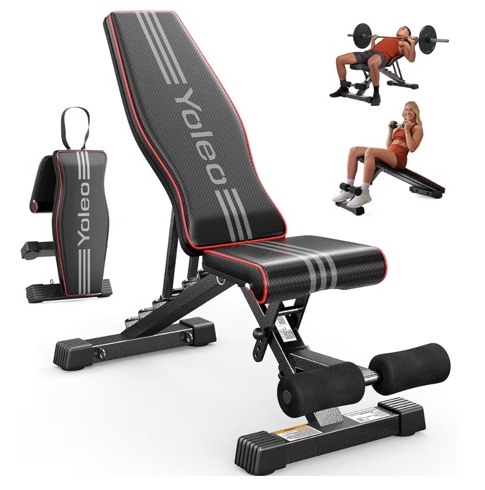
Adjustable weight bench
Adjustable weight benches support seated, flat and inclined resistance exercises depending on the bench positions. Check compatible loads and incline settings.
Check price on Amazon
See the current price and availability on Amazon before ordering.
Affiliate link. We may earn a commission at no extra cost to you.
What limitations or safety considerations should be kept in mind?
If you have a chronic medical condition, are older, or have significant mobility barriers, check with a healthcare provider before major changes. Always listen to your body and start slowly. Modify activities to fit your abilities and circumstances.
Do I need expensive equipment or gym access?
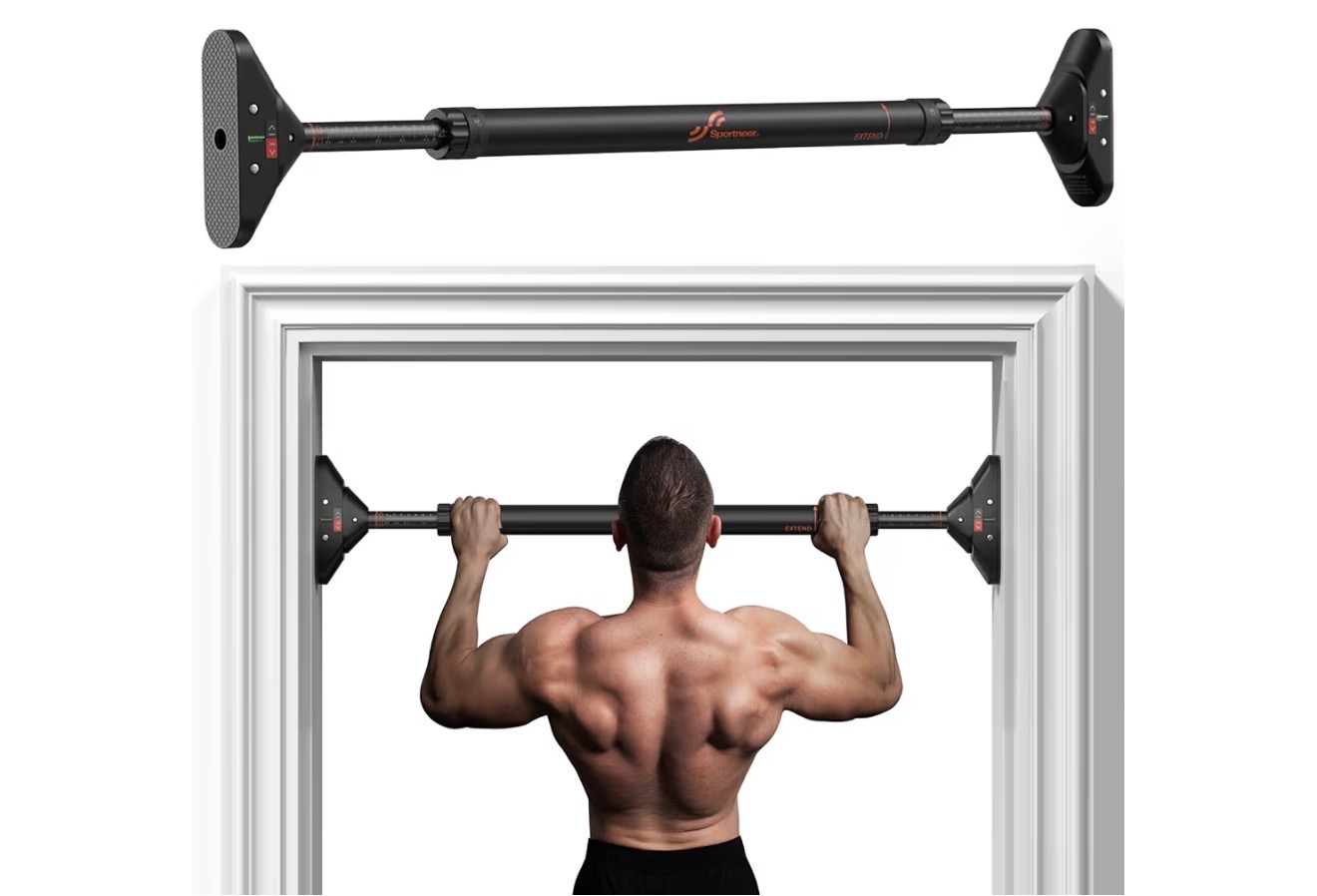
Doorway pull-up bar
A doorway pull-up bar for upper-body training. Check doorway compatibility, installation instructions and maximum supported load before use.
Check price on Amazon
See the current price and availability on Amazon before ordering.
Affiliate link. We may earn a commission at no extra cost to you.
No. Walking, home-based workouts, and day-to-day physical tasks all help. Many effective routines use only your body weight or simple household items as resistance.
References
Affiliate disclosure: None. This article does not include commercial or product-based content.