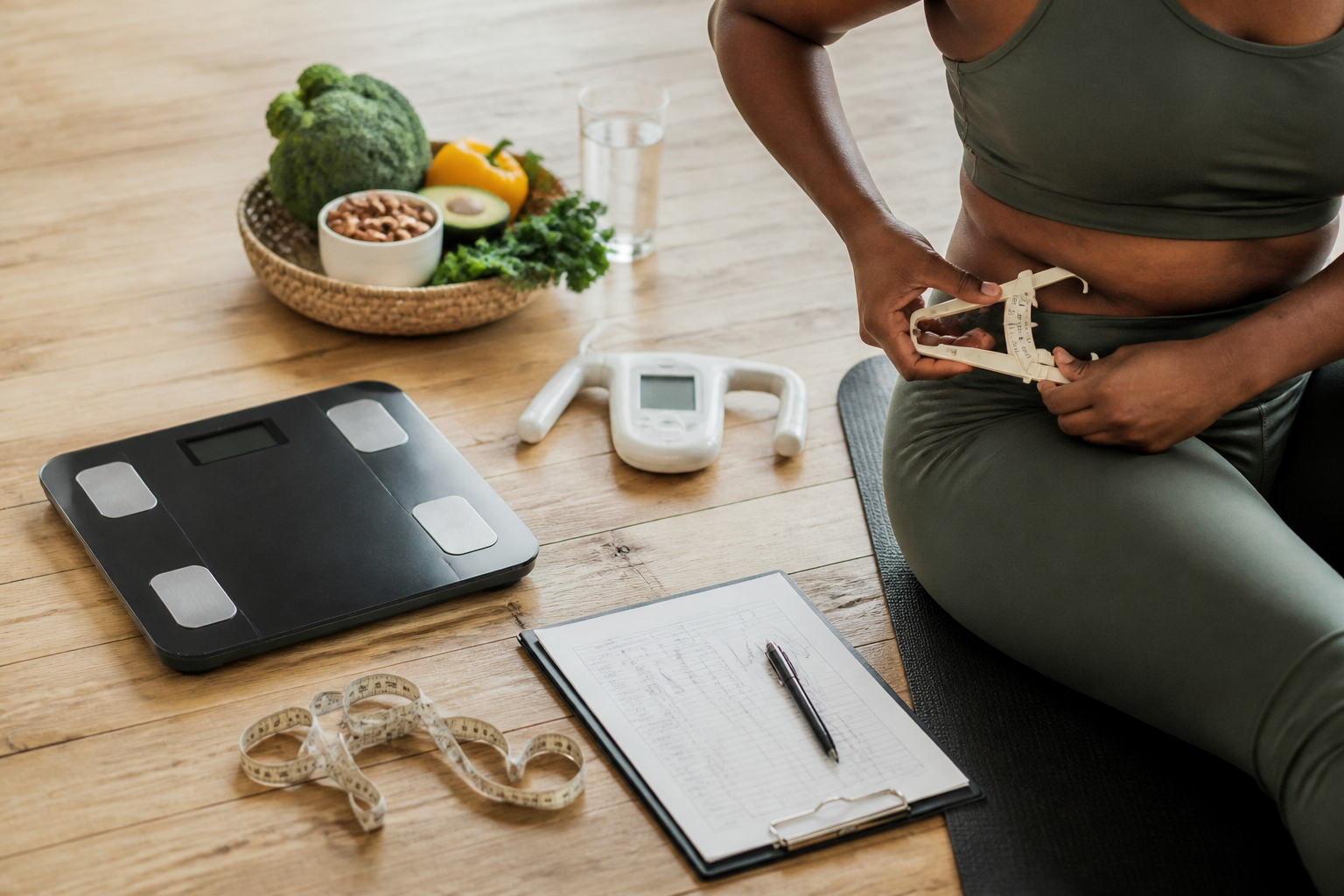
For many people aiming to lose fat, gain muscle or simply improve their health, knowing their body composition is more meaningful than just tracking weight. The body fat measurement comparison is crucial because weight alone doesn’t differentiate between fat, muscle, bone and water. Internationally, various body fat measurement devices and methods are marketed to consumers and professionals alike, but accuracy, convenience and accessibility can differ dramatically between technologies such as smart scales (using bioelectrical impedance analysis or BIA), callipers, and advanced systems like DEXA or Bod Pod. This article explores how each method works, what their readings mean, and the practical realities for those seeking to understand and monitor their body composition.
Introduction: Why Measure Body Fat?
Body composition measurement provides insight into how much of your body consists of fat relative to everything else—muscles, bones, organs and fluids. While traditional metrics like body mass index (BMI) are common for basic health screening, BMI can’t distinguish between fat and muscle, potentially misclassifying athletic or muscular individuals (NHS). In contrast, percent body fat—a metric expressed as a percentage of total mass (for example, 20% body fat equals 20 kg fat in a 100 kg individual)—offers a clearer picture of fitness and health risk. Accurate measurement is important as both excessive and very low levels of body fat are associated with adverse health outcomes, and tracking changes can help assess progress in response to diet and exercise.

Testomore
Men’s dietary supplement marketed for testosterone and vitality support; assess the current ingredient label and evidence before buying.
Checked 1 Nov 2026 · price may change; confirm shipping & taxes at the retailer.
Affiliate link. We may earn a commission at no extra cost to you.
Overview of Consumer and Professional Methods
The main types of body fat measuring devices available include:
- Smart scales (BIA): Widely available in consumer markets; use bioelectrical impedance analysis by sending a weak electrical current through the body.
- Callipers: Hand-held devices that measure the thickness of skinfolds at specific body sites.
- DEXA (Dual-energy X-ray Absorptiometry): A clinical-grade imaging technique offering precise whole-body composition data.
- Bod Pod: Measures body composition using air displacement plethysmography in a sealed chamber.
- Equation-based estimators: These use variables like age, sex, weight, height and sometimes waist circumference in formulae to estimate percent body fat without any physical device (Endukuru et al., 2024).
While professional methods such as DEXA and Bod Pod are typically found in clinics or sports labs, smart scales and callipers are the most accessible for at-home use.
Smart Scales (BIA): How They Work and What Labels Mean
Smart scales estimate body fat percentage by using bioelectrical impedance analysis (BIA). This technique sends a harmless electrical current from the scale’s electrodes—usually through the feet, sometimes via hand grips—and measures the resistance (impedance) as it travels through the body. Since fat, muscle, and water conduct electricity differently, the device's software uses predictive equations to estimate the user's body composition. Results may include total body fat, muscle mass, water percentage and more.
However, the accuracy of body composition measurement using BIA can be influenced by several factors:
- Hydration status: Dehydration or fluid retention can skew results.
- Recent exercise or eating: Can change body water distribution, impacting impedance.
- Device variance: Studies show that household BIA scales can produce results that differ from professional methods such as DEXA (Meshtel et al., 2024).
While BIA can track trends over time, it should not be treated as a medical diagnostic tool. The specific algorithms and prediction equations used can also vary by manufacturer or device region. Always look for regulatory certification (such as FDA or CE marking) where appropriate before purchase.
Callipers: Practical Pros, Cons and Accuracy
Callipers, or skinfold calipers, provide a direct, low-tech method to estimate body fat. The user or practitioner pinches skin and underlying fat at standardised sites (commonly the triceps, abdomen, thigh, etc.), and measures the thickness with the calliper jaws. These values are plugged into equations to estimate overall body fat percentage.
Pros: Affordable, portable and do not require electronics. They allow repeated measurements for trend tracking. Cons: The accuracy and reliability depend heavily on the user’s skill and consistency in measurement technique, site selection and proper equation use. Callipers may underestimate fat levels in obese populations or miss visceral fat (not beneath the skin). Experience and basic anatomical knowledge are essential for consistency.
In research and fitness settings, calliper-derived measurements can reasonably track changes over time but are subject to inter- and intra-observer variability. For home users, errors are more likely unless proper technique and guidance are followed.
DEXA and Bod Pod: Professional Benchmarks
Digital nutrition kitchen scale
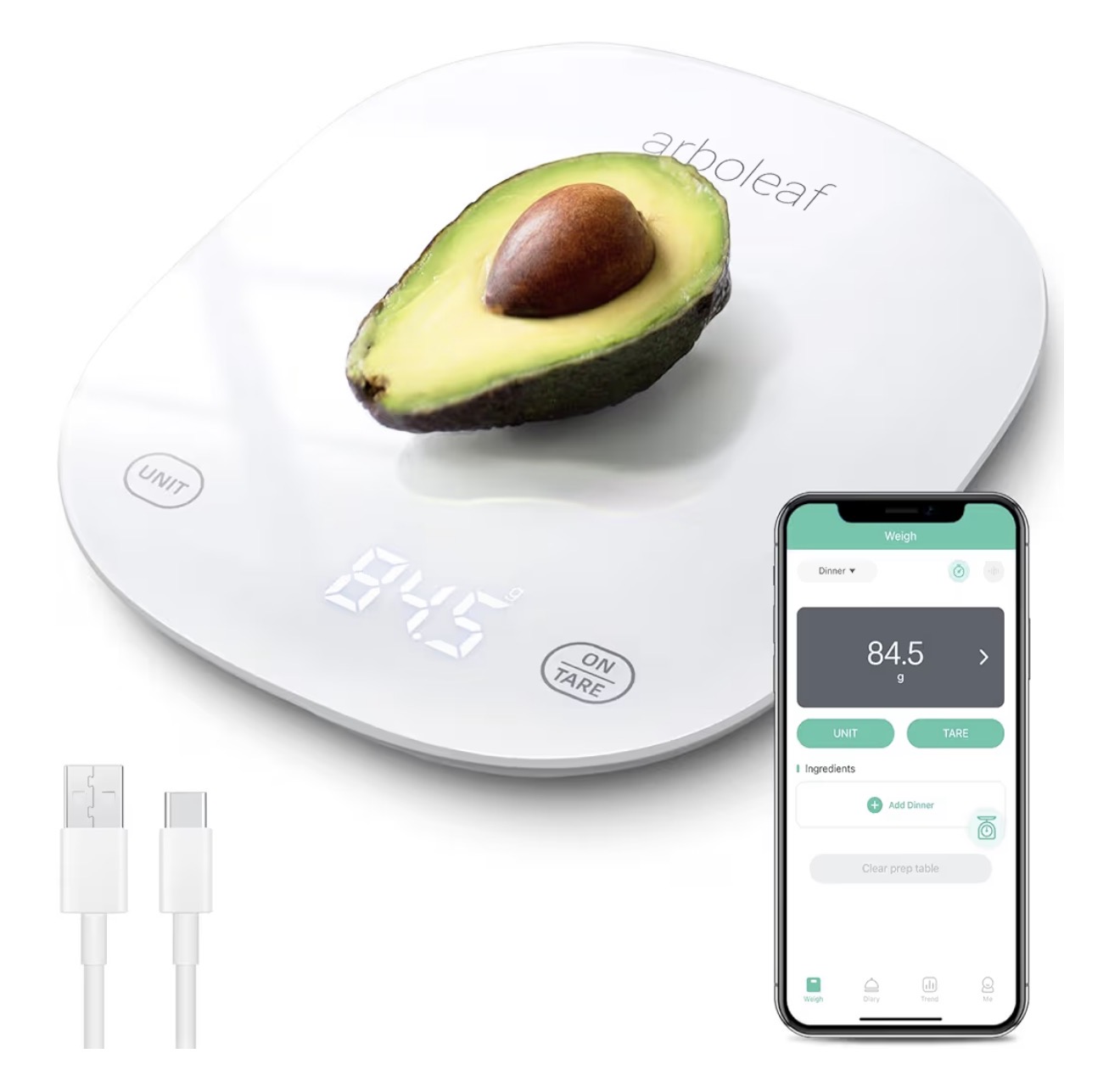
Digital kitchen scales measure food portions by weight, which helps make recipes and nutrition logs more consistent. Units and capacity vary between models.
Check price on Amazon
See the current price and availability on Amazon before ordering.
Affiliate link. We may earn a commission at no extra cost to you.
Dual-energy X-ray absorptiometry (DEXA) is often regarded as the ‘gold standard’ for body composition measurement. By using low-dose X-rays at two energy levels, DEXA quantifies bone mineral content, fat mass, and lean tissue mass separately. Its accuracy body fat measurement is validated in research and clinical guidelines. However, DEXA scans must be performed in a medical or specialist setting, involve radiation (albeit low), and can incur significant cost (prices vary geographically; not always available for general health screening).
The Bod Pod uses air displacement to assess body volume and, together with weight, body density. These data are used to calculate fat and fat-free mass. It is non-invasive, quick, and involves no radiation, but accessibility is limited to labs, major gyms or sports medicine centres due to expense and equipment bulk.
In comparative studies, consumer BIA devices—including multi-sensor smart scales—do not demonstrate strong consistency with DEXA, especially in healthy, athletic adults (Meshtel et al., 2024). Therefore, professional benchmarks are best for clinical assessment or high-precision needs, such as in research or elite athletic monitoring.
Buying Criteria and Evidence on Reliability
When purchasing a smart scale or callipers for body fat measurement, consider the following criteria:
- Smart Scales (BIA): Seek devices with verified accuracy in independent studies or certified to required regional safety and accuracy standards. Dual frequency models or those including hand grips tend to be more precise, but all BIA is subject to the limitations described above. Review privacy and data security features, as many models pair with apps that store health data.
- Callipers: Choose durable, well-calibrated devices consistent with those used in published research. Clear instructions, anatomical guidance, and if possible, expert demonstration/tutorials, are vital to ensure repeatability.

African Mango
Nutrina supplement based on African mango (Irvingia gabonensis) seed extract; weight-loss evidence remains limited.
Checked 1 Nov 2026 · price may change; confirm shipping & taxes at the retailer.
Affiliate link. We may earn a commission at no extra cost to you.
Regardless of device, always take body composition readings at the same time of day, under similar hydration and nutritional conditions, to track meaningful changes over time. Recognise that most at-home methods are best for monitoring trends rather than producing absolute values comparable to clinical standards. Consulting a health or fitness professional is useful for interpreting results, particularly if considering significant changes in diet, training, or health management strategy.
Summary: Choosing a Solution
There is no single best solution for every individual. For most consumers, smart scales and callipers provide accessible, low-cost ways to monitor trends in body fat over time, provided their limitations are understood. Smart scales offer convenience and data tracking but rely on assumptions built into their algorithms and can be influenced by hydration and recent activity. Callipers require technique but can be effective for those able to apply measurements consistently. If high precision, medical assessment, or professional athletic monitoring is required, methods like DEXA or Bod Pod provide the most validated results—but with higher cost and limited accessibility.
Interpreting the results from any device should focus on relative changes, not just point-in-time data. Always use body composition as one part of the overall picture alongside other health and fitness metrics, and consult qualified professionals as needed before making major health decisions. Remember that no consumer device should replace medical advice or be used as a sole diagnostic tool.
Affiliate disclosure: Where product links are included, FitnessScopes may earn a commission if you make a purchase, at no extra cost to you. This does not influence editorial recommendations.