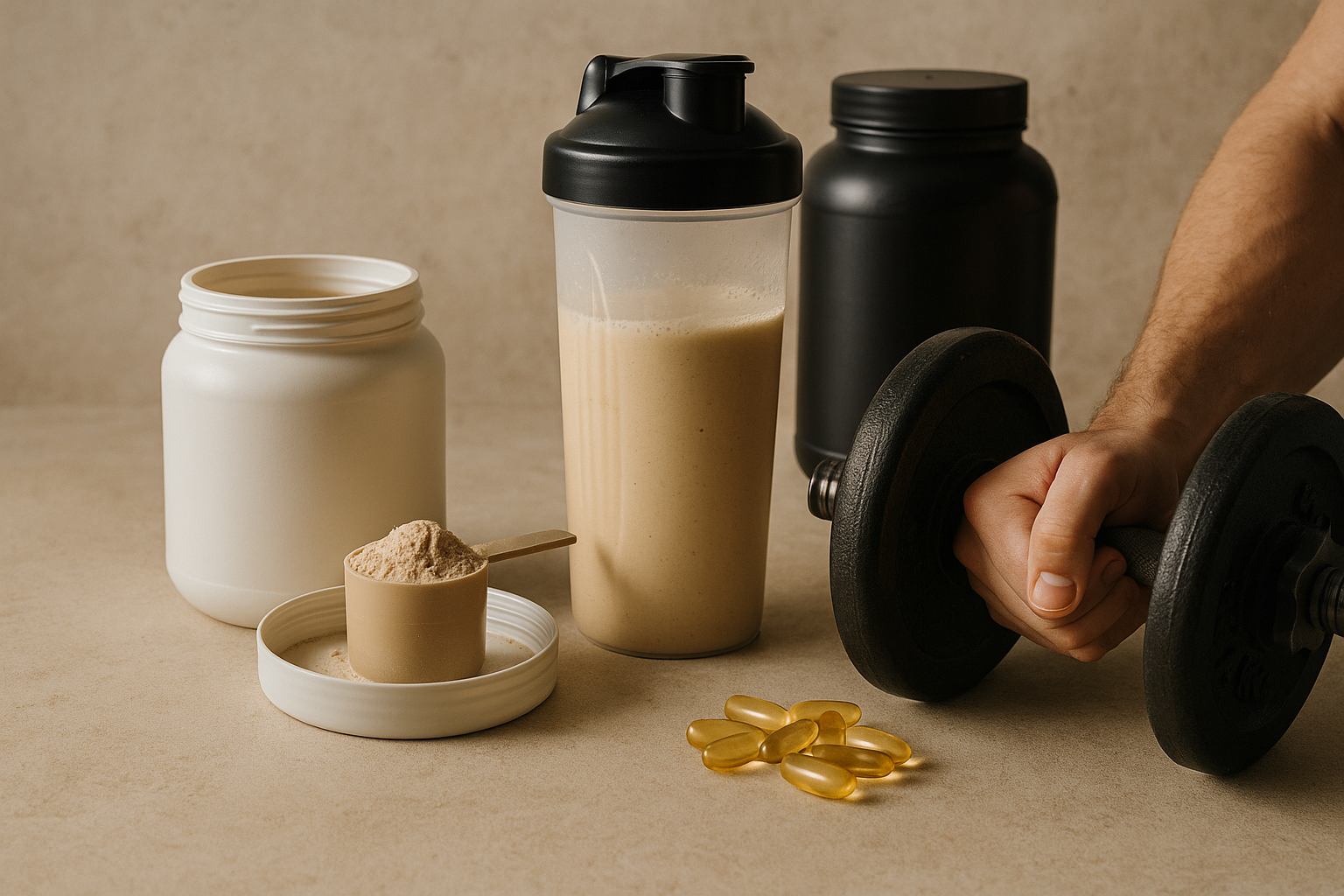
The search for the best workout supplements for beginners is driven by the hope of faster muscle growth, better results, and an easier start in the gym. However, not every supplement is necessary from day one, and understanding the evidence-backed products—and their role for novice athletes—is crucial. Let’s break down what the research truly says about which supplements are meaningful for new lifters, why foundational habits matter more, and how to interpret this crowded market.
Do Beginners Need Supplements?
It’s common to wonder whether adding supplements is necessary in your early training days. Scientific literature shows that for most healthy beginners, a well-structured workout routine and balanced diet are the primary drivers of strength gains and fitness improvements—not supplements. Many gains in the first months of training come from neurological adaptations and learning proper exercise technique.
Supplements may play a supportive role but are never a substitute for regular, consistent training and quality nutrition. Many effective supplements such as protein or creatine provide marginal additional benefit beyond what’s already possible with sufficient dietary intake and smart training (see creatine review). Therefore, for the average healthy adult beginner, supplements can be helpful in specific contexts, but initial progress doesn’t require them.
Training and Nutrition First
Before considering beginner workout supplements, focus on foundational elements. Prioritize regular resistance or cardiovascular training tailored to your goals. Learn correct form. Adapt a meal plan that is sufficient in energy, protein, healthy fats, and carbohydrates for your activity level.
Research consistently demonstrates that optimal gains from supplements only occur when you’re also following an effective resistance training program and receiving adequate nutrition (protein meta-analysis). If you skip these basics, supplements alone won’t produce the results you want—even if you use the highest quality products available.
Protein
Among fitness supplements for beginners, protein powders are heavily marketed due to their convenience and potential to support muscle growth. Scientific evidence—summarized in a large meta-analysis—shows that when your daily protein intake is below optimal levels, supplementation can meaningfully increase gains in both muscle mass and strength during resistance training intervals in healthy adults (source).
However, the benefit plateaus once total daily protein reaches roughly 1.6 grams per kg bodyweight. If you’re already hitting that amount with whole foods, additional supplementation won’t further increase muscle growth. For beginners, a protein shake is practical if you’re struggling to get enough protein from your meals, but isn’t mandatory for everyone.
Creatine
Creatine is among the most studied—and reliable—supplements for beginner lifters. It aids short, explosive efforts like weightlifting or sprinting, and consistent use raises muscular creatine stores, increasing strength, power, and training capacity over time (source).
Research demonstrates significant benefits for both experienced and novice athletes. Creatine’s safety profile is considered exceptional in healthy adults—even with long-term use—according to the International Society of Sports Nutrition. Nonetheless, a balanced diet and appropriate training remain the foundation; creatine serves as an evidence-based enhancer, not a replacement for hard work or a nutritious meal plan.
Pre-Workout Products
Many pre-workout formulas contain a mixture of ingredients such as caffeine, amino acids, and plant extracts. Among these, caffeine stands out with the most robust evidence supporting ergogenic (performance-enhancing) effects for both strength and endurance activities, regardless of whether you’re a beginner (caffeine review).
Doses typically effective are 3-6 mg/kg of body weight, taken about 30-60 minutes pre-exercise. Benefits include improved alertness, exercise capacity, and reduced perception of effort. However, response varies between individuals. High doses are not recommended, as they increase the risk of adverse effects (e.g., jitteriness, sleep disruption, palpitations), particularly in caffeine-sensitive people.
Hydration and Electrolytes
Proper hydration is fundamental for every exerciser, especially beginners not yet accustomed to fluid management in workouts. For most non-endurance gym sessions, plain water suffices. However, for longer or sweat-intensive training, replenishing sodium, potassium, and other electrolytes may aid performance and comfort.
Commercial electrolyte mixes are an option if your session exceeds an hour or you’re training in hot, humid conditions. Still, many active individuals meet hydration needs by drinking water and, if needed, including a lightly salted snack or sports drink after strenuous exercise. Electrolyte supplementation is less critical for the typical beginner workout but can be relevant in specific contexts.
Ingredients to Understand
- Whey Protein: Rapidly digested protein source shown to support muscle recovery when total daily intake is insufficient.
- Creatine Monohydrate: The most studied form; reliably increases muscle creatine stores and is linked to improvements in high-intensity performance.
- Caffeine: Demonstrates benefits for focus, endurance, and strength but should be used with caution in beginners sensitive to stimulants.
- BCAAs and Glutamine: Commonly included in blends, but their incremental benefit is minimal for those consuming enough protein overall.
Other popular ingredients (beta-alanine, nitric oxide boosters, proprietary herbal blends) tend to have limited direct evidence for benefit in novice populations. Beginners should focus on core, well-supported ingredients.
Reading Product Labels
Beginner supplement shoppers should read labels critically. Look for:
- Transparent labeling: All ingredient amounts should be listed individually, not hidden in blends.
- Third-party testing: Certifications from groups like NSF or Informed-Sport indicate the supplement has been checked for contaminants and banned substances.
- Realistic claims: Be skeptical of products promising rapid muscle gain, fat loss, or dramatic results without proper diet and training.
Verify ingredient inclusion matches amounts used in published research. For example, effective creatine supplementation in studies is typically 3-5 grams per day, and effective caffeine is usually 3-6 mg/kg bodyweight.
Safety and Considerations
All supplements pose some risk—often from contamination, misleading labels, or individual sensitivities. According to major reviews (creatine; caffeine), both creatine and caffeine are considered safe at standard doses in healthy populations, though excess doses or long-term overuse can be problematic.
To maximize safety:
- Choose supplements independently tested for purity.
- Introduce only one new supplement at a time.
- Monitor for side effects and adjust or discontinue use as needed.
- If you have a medical condition or take prescribed medication, consult your healthcare provider before starting any supplement.
Watch out for overhyped proprietary blends, excessive serving sizes, and bold claims unsupported by evidence—these are red flags for beginner lifters.
FAQs
Do beginners need workout supplements?
Most beginners can make excellent progress without supplements by focusing on learning exercise form, building consistency, and eating a balanced, protein-rich diet. Supplements may be useful in specific cases but are not required for early progress.
Which supplement categories have the strongest practical relevance?
Protein and creatine have the strongest, most consistent evidence for benefits in strength, muscle gain, and training adaptation. Caffeine is also well-supported for temporary performance enhancement. Other categories tend to provide smaller or less predictable benefits for beginners.
What should beginners prioritise before supplements?
Focus on regular, progressive training, proper sleep, and a consistent meal pattern that meets daily energy and macronutrient needs. Supplements work best only after these foundations are in place.
How should product labels and claims be evaluated?
Look for full ingredient disclosure, third-party testing, and realistic performance claims. Avoid products with vague blends, mega-doses, or promises of rapid transformation.
References
- International Society of Sports Nutrition position stand: safety and efficacy of creatine supplementation in exercise, sport, and medicine.
- International society of sports nutrition position stand: caffeine and exercise performance.
- A systematic review, meta-analysis and meta-regression of the effect of protein supplementation on resistance training-induced gains in muscle mass and strength in healthy adults.
Affiliate Disclosure
Some links included in this article may be affiliate links. If you purchase through these links, FitnessScopes may earn a commission at no extra cost to you. This helps support our evidence-based content and research reviews.
Related products
Affiliate disclosure: FitnessScopes may earn a commission if you buy through links on this page, at no extra cost to you.
- GoLab Strength — View product
- Bulk Extreme — View product
Always check the current product page for ingredients, directions, availability and pricing before buying.