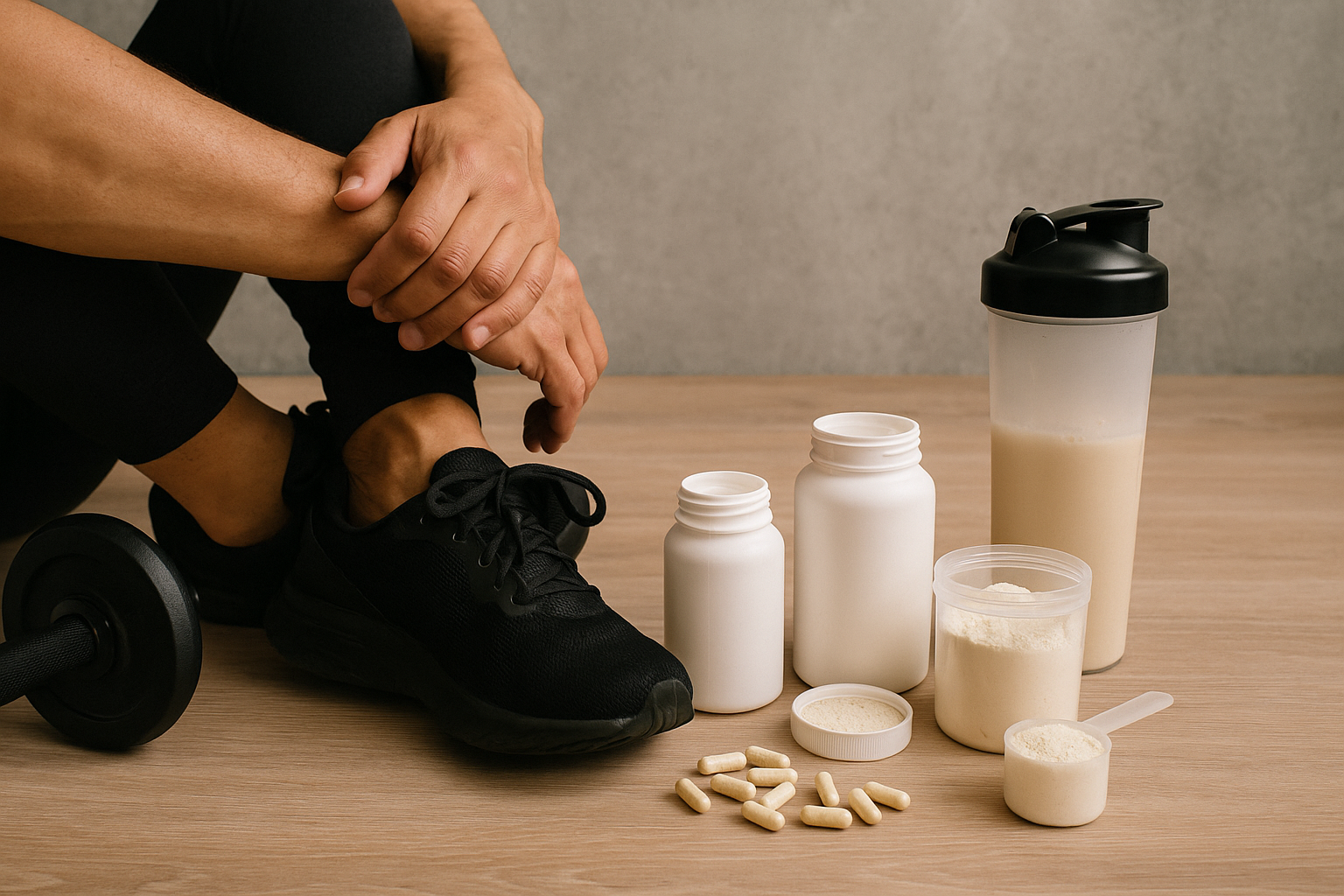
The best supplements for active adults are those that address practical nutritional gaps and performance needs for individuals pursuing regular physical activity. Whether your goal is to optimize training gains, support recovery, or maintain overall health, supplement needs vary depending on diet, exercise type, and personal factors. Active adults often evaluate categories such as protein powders, performance boosters like creatine and caffeine, hydration aids, and essential micronutrients. Understanding how these fit into an overall nutrition and training plan is crucial before choosing any product.
How We Evaluate Supplements
When determining which supplements provide real benefits for active adults, clear criteria are essential. Evidence from randomized, controlled trials, meta-analyses, or official position stands by organizations like the International Society of Sports Nutrition strongly guides our selections. Ingredient efficacy in human studies—rather than just cellular or animal data—is a fundamental standard. We also prioritize supplements with transparent labeling and third-party testing to ensure both quality and safety. Only those supplements that have been found to offer measurable improvements in training adaptation, recovery, or health in peer-reviewed human trials, such as creatine, caffeine, and protein, are highlighted. Product quality factors—including proper dosing according to current research and minimal additives—are included in our evaluation process.
Start With Diet and Training
A well-constructed diet forms the foundation of performance and recovery for active adults. Whole foods should supply most nutrients, with supplementation used to fill specific gaps or provide proven performance enhancement. Adequate protein, carbohydrates, healthy fats, and hydration are vital for meeting the demands of an active lifestyle. However, diet alone may not always cover increased needs for protein during resistance training, or address higher losses of micronutrients and fluids during intense or prolonged activity. Assess your base diet and training level before turning to supplements—their true value comes in complementing, not replacing, foundational nutrition and exercise habits.
Protein Supplements
Protein is fundamental for muscle repair and growth, especially for adults engaged in resistance or endurance training. According to a meta-analysis reviewing 49 clinical trials, supplemental dietary protein significantly increases muscle size and strength gains in healthy adults performing resistance training (source). The effect is most pronounced for those not already meeting higher daily intakes from food. The same analysis found little additional benefit for muscle mass gains when daily protein exceeded about 1.6 grams per kilogram of body weight. Protein powders such as whey, casein, or plant-based blends are convenient for covering shortfalls, particularly after exercise or during periods of higher training stress. They are best seen as targeted tools, especially for those struggling to reach daily protein targets through whole foods alone.
Performance Supplements
Creatine and caffeine are among the most-studied fitness supplements for adults seeking improvements in strength, power, and endurance. Creatine supplementation consistently boosts high-intensity exercise performance and increases training adaptations, supporting muscle growth and recovery (source). Long-term use is considered safe for healthy adults within studied dosages. Caffeine offers acute improvements in muscular endurance, movement speed, and aerobic performance, with the most robust effects observed in endurance activities (source). Individual responses to caffeine may vary due to genetics and tolerance. These active lifestyle supplements have strong evidence backing their use as ergogenic aids; optimal timing and dosing should follow established guidelines for maximal benefit.
Hydration and Electrolytes
Maintaining hydration and electrolyte balance is crucial for those regularly engaging in vigorous activity or exercising in heat. While most adults can meet basic hydration needs with water and meals, supplements containing sodium, potassium, and magnesium may help during prolonged sessions that generate significant sweat loss. Electrolyte powders can prevent cramps and excessive fatigue under such conditions. However, for shorter or less intense workouts, standard dietary intake typically suffices. Monitor symptoms such as lingering fatigue or muscle cramps to assess whether targeted electrolyte supplementation is necessary within your personal routine.
Vitamins and Minerals
Active individuals have heightened needs for certain micronutrients, but supplementation is best reserved for clearly demonstrated deficiencies or at-risk groups. Nutrients like vitamin D and magnesium may be insufficient due to low dietary intake or lack of sun exposure. Blood testing is the most accurate method to identify deficiencies. While a multivitamin can provide a safety net for those with constrained diets, targeted single-nutrient supplements are advisable only when specific needs are identified. Excessive, unnecessary supplementation provides no additional performance advantage and can sometimes be harmful.
Evidence and Product Quality
Scientific evidence should guide supplement choice, and product quality must be independently verified. Look for randomized controlled trials or meta-analyses in humans demonstrating benefit for your fitness goals. Supplements discussed above—creatine (source), caffeine (source), and protein (source)—all meet this standard. Choose brands with third-party testing for contamination and label accuracy (such as NSF Certified for Sport or Informed Choice). Avoid proprietary blends that obscure dose transparency. Regularly review emerging research, and don’t rely solely on marketing claims or influencer endorsements. Remember, even highly-studied supplements are not magic; their effects are best maximized within a comprehensive training and nutrition plan.
Safety and Considerations
In general, the supplements outlined here are well-tolerated when used appropriately in healthy adults. Creatine, for example, has documented safety even at high doses over multi-year periods (source). Caffeine, though safe at moderate doses, can produce side effects like insomnia, anxiety, or rapid heart rate in sensitive users or at excessive doses (source). Always check for interactions with medications or underlying health conditions before starting any supplement. Avoid products that promise unrealistic results or lack clear dosing and ingredient transparency. Pregnant women, those with chronic conditions, and individuals under 18 should consult a healthcare provider before considering supplementation.
How to Choose
Choosing the most suitable supplements for active people involves assessing your diet, training routine, and specific goals. Start by determining nutritional gaps or symptoms not addressed through food. Then, review high-quality evidence for supplements within relevant categories—such as protein (for muscle gain), creatine (for power and strength), and caffeine (for performance endurance). Vet products for independent quality certification and avoid unnecessary multi-ingredient blends. It’s also wise to start with one change at a time, tracking any added supplement’s effects before layering in additional products. Customizing this approach ensures both effectiveness and safety, maximizing your active lifestyle supplements investment.
FAQs
Which supplement categories may be relevant to active adults?
Relevant categories include protein powders, performance enhancers like creatine and caffeine, electrolyte hydration aids, and foundational vitamins and minerals for those with identified gaps or deficiencies.
How does diet affect whether supplementation is useful?
If your regular diet already provides adequate nutrients, such as protein or electrolytes, additional supplementation may not provide extra benefit. Supplements mainly help fill gaps or meet elevated needs from training.
How should evidence and product quality be assessed?
Rely on supplements with peer-reviewed human research showing benefit, and choose brands that undergo third-party testing for purity and accurate labeling. Be cautious of nontransparent proprietary blends.
What safety considerations should consumers understand?
Most evidence-based supplements are safe at recommended doses in healthy adults, but individual tolerance varies—especially for caffeine. Check for interactions with medications or health issues, and consult a healthcare professional if in doubt.
References
- International Society of Sports Nutrition position stand: safety and efficacy of creatine supplementation in exercise, sport, and medicine
- International society of sports nutrition position stand: caffeine and exercise performance
- A systematic review, meta-analysis and meta-regression of the effect of protein supplementation on resistance training-induced gains in muscle mass and strength in healthy adults
Affiliate Disclosure
Some links or mentions within this article may lead to partners or affiliates. FitnessScopes may receive commissions on qualifying purchases, at no additional cost to you. This helps support our research and content production. All recommendations are evidence-based and unaffected by affiliate relationships.
Related products
Affiliate disclosure: FitnessScopes may earn a commission if you buy through links on this page, at no extra cost to you.
- GoLab Strength — View product
- Bulk Extreme — View product
- Fast Burn Extreme — View product
- African Mango — View product
Always check the current product page for ingredients, directions, availability and pricing before buying.