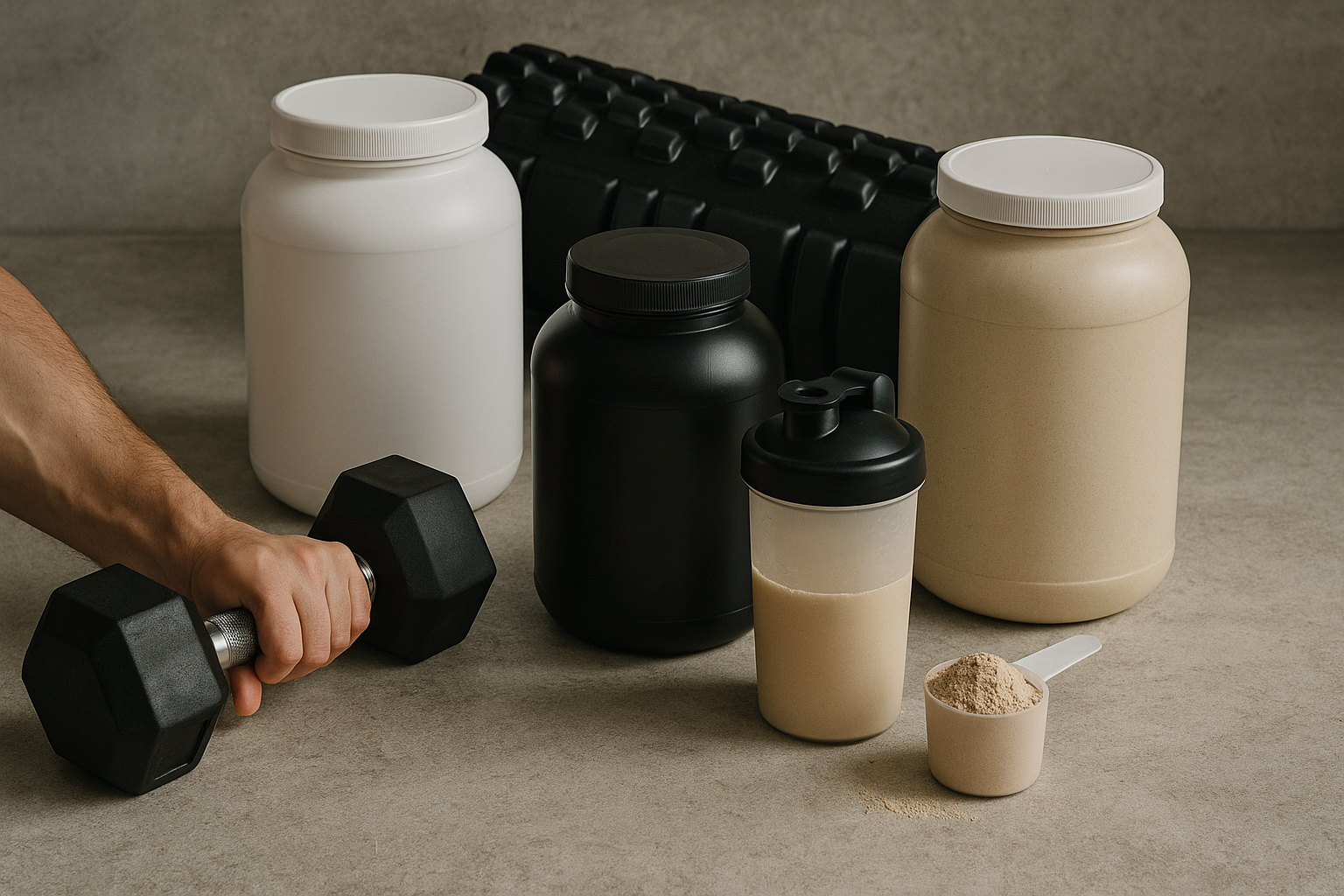
Choosing the best fitness supplements can be daunting given the sheer number of products and marketing claims. Understanding how to interpret ingredient evidence, formulate realistic expectations, and compare options empowers you to make informed, safe, and effective choices. This comprehensive fitness supplement guide draws on current research to help you navigate the supplement market—focusing on evidence behind ingredients like creatine and caffeine, label transparency, dosing, and more.
How We Evaluate Supplements
Evaluating fitness supplements requires disciplined attention to multiple factors:
- Ingredient evidence: Is there peer-reviewed research supporting the ingredient for your intended fitness goal?
- Dosage: Does the supplement contain amounts shown to be effective in studies?
- Formula transparency: Are all ingredient amounts disclosed?
- Labeling and certification: Is the product tested by independent labs for purity and accuracy?
- Safety: Are potential risks and interactions acknowledged?
- Marketing: Are claims supported by science?
- Price and value: How does the cost compare to proven benefit?
This framework provides objective standards, grounded in clinical research, for determining which supplements are worth consideration.
Define Your Goal
Your supplement choice should align with a clear fitness goal such as building muscle, increasing endurance, or improving recovery. For example:
- Muscle gain or power: Creatine is supported by substantial evidence.
- Endurance: Caffeine and creatine may be helpful according to recent systematic reviews.
- Energy/alertness: Caffeine is well established for these purposes.
Other goals like hydration (electrolytes), sustaining immunity (vitamin D), or injury prevention may warrant different supplement considerations. Pinpoint what you want to achieve before comparing products.
Ingredient Evidence
Peer-reviewed clinical evidence underpins trustworthy recommendations. Here’s what current research says about commonly used sports nutrition ingredients:
- Creatine: Multiple systematic reviews show creatine reliably enhances muscle strength, power, and some aspects of exercise performance in healthy adults (see References). It is one of the most studied ergogenic aids for athletes.
- Caffeine: Caffeine can improve cycling and endurance performance, and acute intake can boost power and reaction time. When combined with creatine after a loading phase, caffeine may impart additional benefits for some forms of exercise, though findings are not universal and effects depend on timing and protocol [Study 1], [Study 2].
- Other ingredients (beta-alanine, nitrates, sodium bicarbonate): Evidence is mixed, and most positive results are context specific, such as for high-intensity cycling or sprint intervals [Study 3].
It's crucial to distinguish findings on ingredient combinations (e.g., creatine + caffeine) versus stand-alone use. No result should be generalized beyond the studied context.
Ingredient Amounts
Supplements are effective only if they deliver clinically tested amounts. For example, studies showing benefits from creatine use doses near 3-5 grams daily after a loading phase, and caffeine is typically effective at 3-6 mg/kg body weight taken 30-60 minutes pre-exercise. If a product provides much less than these established ranges, its effects are unlikely to mirror research outcomes.
Check if the product matches the serving sizes and frequency found beneficial in research. Under-dosing or unclear dosing limits product effectiveness and introduces unnecessary risk.
Formula Transparency
Transparent labeling means every ingredient and its amount are clearly listed, allowing you to compare what you’re getting with what’s proven to work. Beware of "proprietary blends" with undisclosed quantities, as you cannot confirm clinical sufficiency or safety.
Transparency is essential for evaluating total intake, safety (especially with stimulants like caffeine), and possible interactions. Reliable supplements will not hide their formulas.
Product Labels
Thoroughly inspect labels for:
- Accurate serving sizes and directions matching research protocols.
- Third-party testing seals (e.g. NSF Certified for Sport, Informed Choice).
- Warnings about misuse or interactions, especially for substances like caffeine.
- Manufacturing and expiration dates.
Reputable brands emphasize both purity and accuracy on their labels. Lack of regulatory oversight in the supplement industry makes label scrutiny vital.
Safety and Warnings
Even widely researched supplements—such as creatine and caffeine—carry risks if misused or combined inappropriately. Research highlights possible gastrointestinal distress and interactions when caffeine and creatine are taken together chronically [Study 2]. Acute (short-term) use tends to be better tolerated, but responses are individual.
- Start with the lowest recommended dose.
- Consult a healthcare provider if you have underlying health conditions, take medications, or are pregnant/breastfeeding.
- Discontinue use if adverse effects arise.
Many supplements remain unregulated; only purchase those with robust third-party certification and disclosed ingredients.
Price and Value
Price should be weighed against ingredient quality, dosing, and third-party testing—not slick packaging or celebrity endorsement. Calculate the cost per clinically relevant dose. Cheaper products may underdose key ingredients or lack transparency, negating any cost savings.
Balance price with proven benefit: a slightly higher cost for evidence-based, pure, and properly dosed ingredients is usually more valuable than a lower-cost, poorly formulated product.
Marketing Claims
Be wary of claims such as “build muscle fast” or “boost endurance instantly.” The best fitness supplements support, not replace, proven nutrition and training. Scrutinize marketing language and look for references to credible clinical studies. Genuine brands make realistic claims and cite peer-reviewed evidence specific to their ingredients and formulas—not just general lab or animal studies.
Comparison Checklist
| Criterion | Why It Matters |
|---|---|
| Ingredient Evidence | Research-supported for your goal |
| Dosing | Matches amounts shown effective in studies |
| Transparency | All amounts clearly disclosed |
| Safety/Testing | Third-party certified, warnings present |
| Price/Value | Cost-effective per serving; value for quality |
| Marketing | Claims match research evidence |
Apply these benchmarks when comparing products to identify those that combine safety, efficacy, and value.
FAQs
What makes a fitness supplement worth considering?
A fitness supplement is worth considering if its key ingredients are backed by clinical research for your fitness goal, are present in effective doses, and the product is transparent and third-party tested for quality.
How should ingredient evidence be evaluated?
Look for ingredients that have been tested in peer-reviewed, human clinical trials specific to your goal. Evidence should show clear benefit for the intended use, not general wellness or unrelated populations.
Why do dosage and formula transparency matter?
Supplements only work if taken in clinically effective amounts. Transparency allows you to confirm a product delivers these amounts and lets you avoid underdosing, overdosing, or unsafe ingredient combinations.
How can consumers compare safety, quality and value?
Assess independent certification, read the label for full ingredient disclosure, compare cost per effective dose, and select brands that substantiate their marketing claims with published research.
References
- Effects of creatine and caffeine ingestion in combination on exercise performance: A systematic review.
- Interaction Between Caffeine and Creatine When Used as Concurrent Ergogenic Supplements: A Systematic Review.
- Nutritional Ergogenic Aids in Cycling: A Systematic Review.
Affiliate Disclosure
This article contains affiliate links. If you purchase through these links, FitnessScopes may receive a commission at no additional cost to you. Our recommendations remain editorially independent and are informed by peer-reviewed evidence.
Related products
Affiliate disclosure: FitnessScopes may earn a commission if you buy through links on this page, at no extra cost to you.
- GoLab Strength — View product
- Bulk Extreme — View product
- Fast Burn Extreme — View product
- African Mango — View product
Always check the current product page for ingredients, directions, availability and pricing before buying.