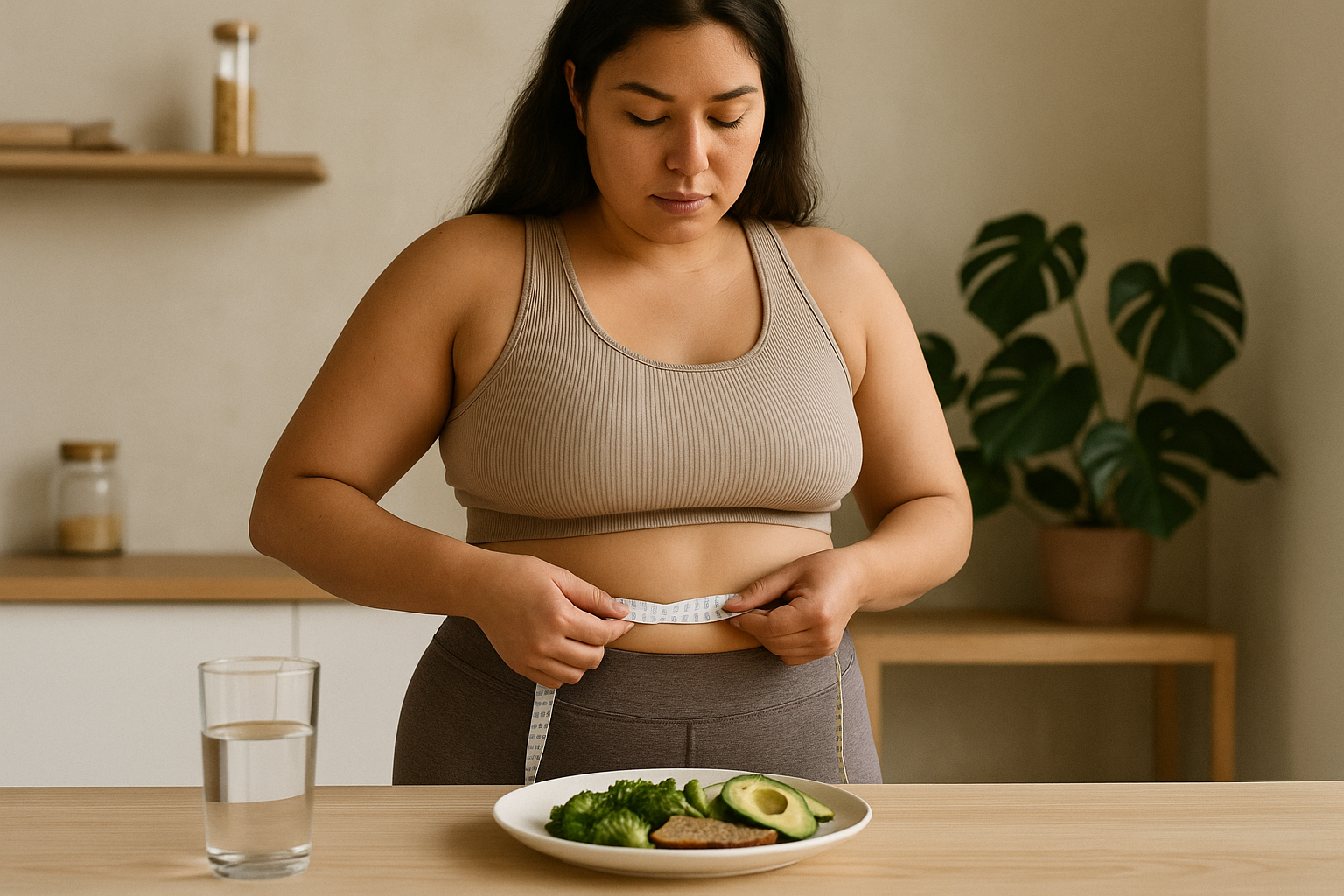
Body composition describes what makes up your weight, including fat and non-fat tissues. Two people at the same weight can have different proportions of muscle, fat, bone and water. Measurements can add context to a fitness plan, but no single number fully describes health or establishes whether a training programme is working.
Body Composition Explained
The simplest model divides total weight into fat mass and fat-free mass. More detailed models separate water, bone mineral and other tissues. These models answer different questions. A home scale's muscle estimate is not the same measurement as a clinical scan, and a change in “lean mass” cannot automatically be interpreted as new muscle.
Fat Mass
This is the mass of fat in the body. Fat percentage expresses it relative to total weight. For example, a percentage can change because fat changes, because non-fat tissues change, or because both change. Always check what a result represents before comparing it with an earlier reading.
Location also matters when discussing health risks. The NIDDK guide to weight assessment explains that BMI and waist measurements provide useful context. These are screening tools, not complete assessments of an individual. A clinician can consider relevant history alongside measurements.
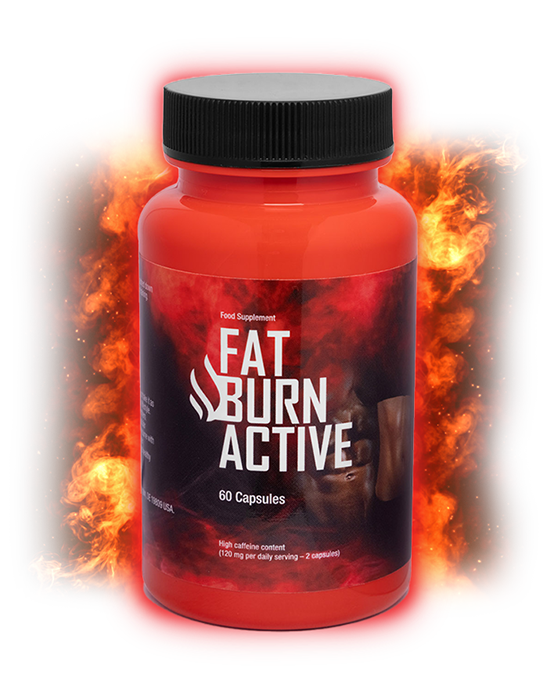
Fat Burn Active
Weight-management capsules containing green tea, guarana, caffeine and bitter orange extracts. Check stimulant content and safety before use.
Checked 1 Nov 2026 · price may change; confirm shipping & taxes at the retailer.
Affiliate link. We may earn a commission at no extra cost to you.
Lean Mass
In everyday fitness language, this term often refers to everything other than fat. Terminology varies between devices and research reports, so read the definition used. Water, organs and bone contribute to non-fat weight; skeletal muscle is only one component. A rapid increase after a change in hydration does not necessarily show tissue growth.
Measurement Methods
The review of current measurement techniques describes several approaches. Bioelectrical impedance estimates tissues from electrical measurements and prediction equations. Skinfold testing uses measurements taken at selected sites. DXA estimates bone mineral and soft-tissue compartments. Air displacement and underwater weighing use other assumptions to estimate tissue proportions.
Choosing a method depends on the question, access, cost and the precision needed. For routine training decisions, a repeatable measurement may be more useful than chasing the most elaborate test. If a result is being used for clinical care, the method and interpretation should be selected by the treating professional.
Limitations
Every method has uncertainty. Consumer devices may display decimal places that suggest more precision than the estimate supports. Different devices and equations can produce different results for the same person. The review of impedance principles discusses the assumptions behind these estimates, including the importance of water distribution.
Do not compare one device's reading directly with another and call the difference progress. Ask whether the test conditions, equipment and operator were consistent. A small change inside expected measurement error deserves caution. If a number conflicts with the broader picture, investigate the measurement before changing food or training dramatically.
Tracking Changes
Keep a simple record of the method, date and measurement conditions. Use similar timing and follow the device or clinic's preparation instructions. Review trends over several assessments alongside strength, clothing fit, activity tolerance and, where appropriate, waist measurements. Select a small set of useful indicators rather than checking every possible metric daily.
Suppose scale weight is stable while training performance improves. That alone does not prove fat loss or muscle gain, but it is a reason to review the full record instead of declaring failure. Conversely, a lower device-estimated fat percentage should not outweigh persistent fatigue or declining function.
FAQs
Why is scale weight limited?
It combines several tissues and water into one value. It cannot explain the source of a change.
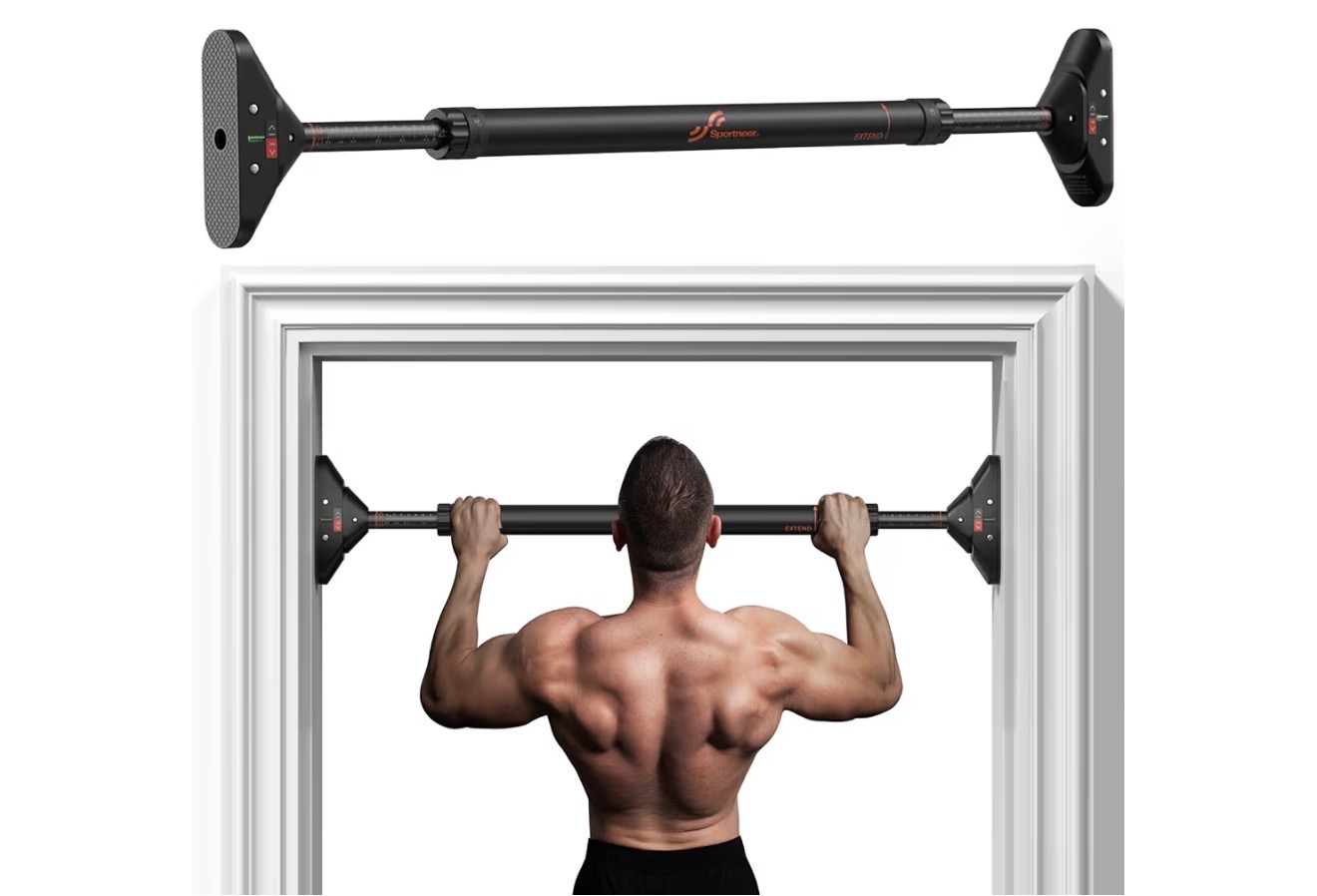
Doorway pull-up bar
A doorway pull-up bar for upper-body training. Check doorway compatibility, installation instructions and maximum supported load before use.
Check price on Amazon
See the current price and availability on Amazon before ordering.
Affiliate link. We may earn a commission at no extra cost to you.
Does a lean-mass increase mean muscle growth?
Not necessarily. The category includes other components, and estimates depend on measurement conditions.
Is a home smart scale useless?
It can be convenient, but treat its tissue readings as estimates. Consistency and interpretation matter more than a single impressive-looking decimal.

African Mango
Nutrina supplement based on African mango (Irvingia gabonensis) seed extract; weight-loss evidence remains limited.
Checked 1 Nov 2026 · price may change; confirm shipping & taxes at the retailer.
Affiliate link. We may earn a commission at no extra cost to you.
How should I use the results?
Use them to support a broader review of your habits and performance. Avoid setting a rigid target from an online comparison with someone whose measurement method and circumstances are unknown.