
Testosterone supplement claims versus lab testing is a topic that attracts strong interest from athletes, aging adults, and men concerned about their health or physical performance. The market is filled with testosterone supplements making bold promises, while laboratory testing of prescription testosterone therapy and legal dietary supplements reveals a more nuanced picture. This article outlines what rigorously sourced US evidence shows and highlights the risks, uncertainties, and limitations readers should know before trusting marketing claims.
Reader question and scope
Many consumers want to know: What does reliable US-based lab and clinical evidence say about testosterone supplements, and how does it compare to product claims? This article focuses on the difference between the marketed benefits of testosterone-boosting supplements (including over-the-counter products) and the scientific results of clinical lab testing, especially in relation to prescription testosterone therapy and key health outcomes such as muscle mass, bone density, and sexual function.
Key questions addressed include:
- What is actually supported by US clinical testing and review?
- What uncertainties, side effects, or drug interactions are important to consider?
- What is not demonstrated or proven about commercial supplement products?
- Where can you find additional evidence-based resources?
US source-backed evidence
The strongest evidence for testosterone-related effects comes from prescription testosterone therapy studies in men with medically confirmed low testosterone (hypogonadism). A 2023 systematic review of randomised controlled trials found testosterone therapy can modestly improve hip bone density and total lean mass after 6 months in older men with low testosterone, but effects on handgrip strength, fat mass, and longer-term outcomes were unclear (Buratto et al., 2023).
Another large evidence report (2020) for US practice guidelines found prescription testosterone therapy may deliver small improvements in sexual functioning and quality of life in older men with low testosterone, but showed little or no effect on physical functioning, mood, energy, or cognition (Diem et al., 2020). Harms were difficult to assess, as trials were not designed to measure rare but serious outcomes like cardiovascular events or prostate cancer.
In men with hypogonadism, systematic reviews found testosterone therapy or replacement was associated with significant improvements in libido, erectile function, and sexual satisfaction. However, the average improvements were small and consistently linked to increased risk of adverse effects, including erythrocytosis (dangerously elevated red blood cell counts) (Ponce et al., 2018).
Importantly, these studies examined prescription medicines under controlled conditions. Over-the-counter “testosterone boosters” and dietary supplements have not met these clinical standards or demonstrated comparable outcomes in large, well-controlled US studies.
Marketing claims versus clinical outcomes
Product advertising commonly claims testosterone supplements build muscle, burn fat, increase libido, enhance energy, or even slow aging. Clinical evidence does not generally support these claims for dietary supplements sold without prescription.
- Prescription testosterone may offer modest improvements in sexual function and slight increases in muscle and bone mass in older, hypogonadal men. These effects are not as large as promotional materials often suggest, and do not extend reliably to strength, vitality, or overall function (Diem et al., 2020).
- Over-the-counter supplements: Most do not contain testosterone but herbal blends or nutrients intended to support testosterone production. US clinical trials have not demonstrated meaningful increases in testosterone or the wide-ranging health benefits typically claimed. Many rely on limited, low-quality, or non-human studies for support.
- Labeling issues: Supplements may contain unlisted ingredients, including steroids, or highly variable dosages.
No finished commercial testosterone supplement (as opposed to prescription therapies) has been proven to significantly raise testosterone in healthy men or deliver the wide array of effects often described in marketing.
Safety, interactions and limitations
General safety risks and medical uncertainties include:
- Erythrocytosis: Prescription testosterone treatment increased the risk of abnormal elevations in red blood cell counts (Ponce et al., 2018).
- Prostate and cardiovascular risks: Most large prescription studies excluded men at higher risk for prostate or heart conditions, so safety in these groups remains unknown (Diem et al., 2020).
- Drug interactions: Testosterone products may interact with blood thinners, insulin, corticosteroids, or other prescription medicines. Herbal supplements can also cause unpredictable effects when taken with other drugs.
- Dietary supplement issues: Supplements are not FDA-approved for efficacy in raising testosterone. The actual contents and dosing of supplements may not match their labels. Hidden ingredients (sometimes undisclosed steroids) have been detected in some products, posing serious health risks.
Long-term safety of both testosterone prescription therapy and most commercial supplements is not fully established due to a lack of robust, long-duration studies.
Related educational resources and references
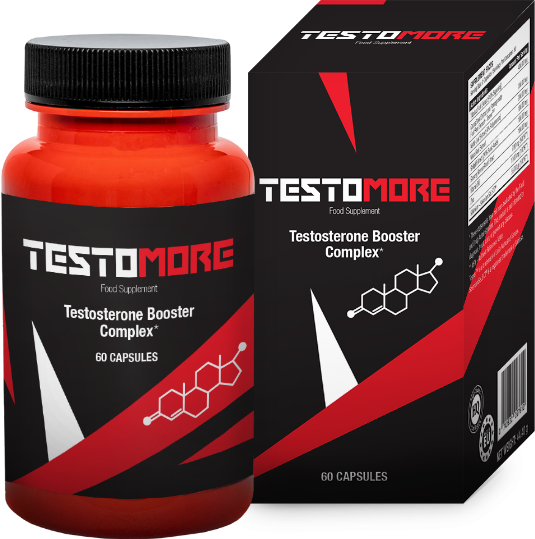
For a commercial supplement-label example, see the Testomore product information and our independent Testomore review. The prescription-therapy studies discussed here do not establish the effectiveness of Testomore or other over-the-counter products.
For readers wanting detailed, evidence-based information, these additional resources may offer further guidance:
- NIH Office of Dietary Supplements: Exercise and Athletic Performance (US) — overview of supplement use in sports and tested ingredients (external resource).
- Efficacy and Safety of Testosterone Treatment in Men: An Evidence Report for a Clinical Practice Guideline by the American College of Physicians
- Safety and Efficacy of Testosterone Therapy on Musculoskeletal Health and Clinical Outcomes in Men: A Systematic Review and Meta-Analysis
- The efficacy and adverse events of testosterone replacement therapy in hypogonadal men
Compare this article to other FitnessScopes content on exercise supplements, men’s health, or nutrition for additional context. No single supplement is a substitute for medical consultation and comprehensive lifestyle approaches.
This article does not endorse specific products. Content is for informational use only and does not constitute medical advice.
FAQs
Can over-the-counter testosterone boosters reliably increase testosterone levels?
No strong US clinical evidence shows that commercially available over-the-counter supplements significantly raise testosterone in healthy adults. Most products do not undergo rigorous laboratory or clinical testing for this effect.
What are proven benefits of prescription testosterone therapy?
Prescription testosterone therapy may slightly improve sexual function and bone density in older men with low testosterone, but effects on strength, vitality, or general functioning are small or uncertain. Benefits are seen mainly in those with confirmed medical deficiency.
Are there risks to taking testosterone supplements or therapy?
Risks include increased red blood cell counts, possible effects on heart or prostate health, and potential drug interactions. Risks are better documented for prescription therapy but can exist with mislabeled or adulterated supplements as well.
References
- NIH Office of Dietary Supplements: Exercise and Athletic Performance
- Efficacy and Safety of Testosterone Treatment in Men: An Evidence Report for a Clinical Practice Guideline by the American College of Physicians
- Safety and Efficacy of Testosterone Therapy on Musculoskeletal Health and Clinical Outcomes in Men
- The efficacy and adverse events of testosterone replacement therapy in hypogonadal men