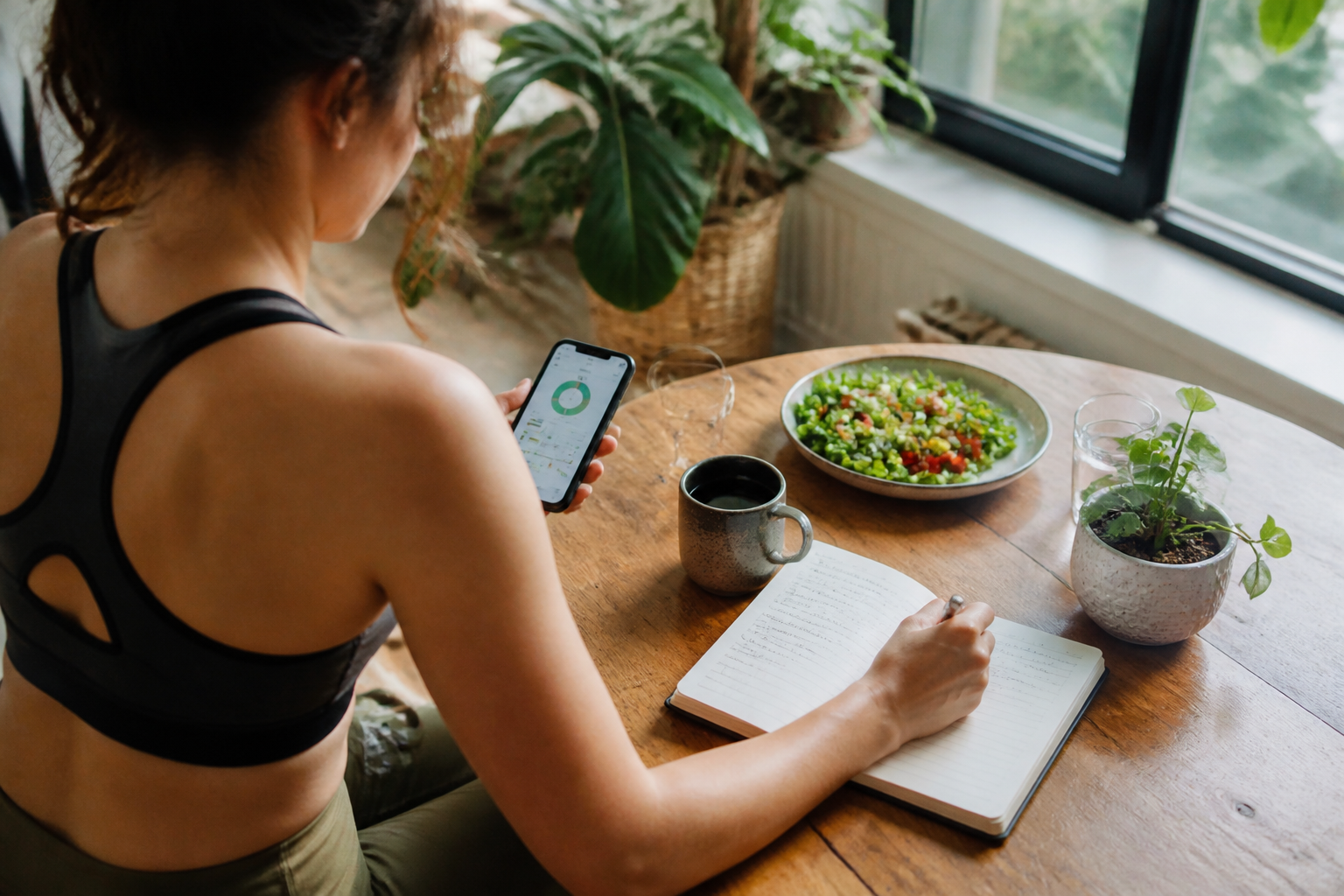
For anyone seeking to optimise their nutrition and weight management, the question of whether to log meals with a food diary app or a paper journal is more relevant than ever. This food diary app vs paper journal comparison explores current research, practical trade-offs, and privacy considerations to help users and professionals choose confidently among nutritional tracking methods.
Introduction: Why Track Food Intake?
Keeping a record of what you eat can be a transformative strategy for weight management and general wellbeing. Recording meals not only increases awareness of consumption habits, but also helps individuals reflect on portion sizes, food choices, and the timing of meals. Whether done digitally or manually, tracking can highlight hidden calories and encourage more mindful eating—key drivers for those using weight management tools. While the methods differ, the ultimate goal remains consistent worldwide: empowering individuals to make informed food decisions and monitor progress over time.
Food Diary Apps: Evidence, Accuracy and Privacy
Food diary apps promise convenience, real-time tracking, and advanced analytics. But how accurate are they, and what safeguards their users’ data? Studies have shown that leading nutrition apps can moderately underestimate both energy and nutrient intake, often due to food databases lacking local context and the variability introduced by user-inputted foods (Accuracy of applications to monitor food intake; Relative Validity of MijnEetmeter). For example, app-based intake measurements underestimate energy by 2–5 kcal per food item on average, and can misreport macronutrients, particularly when databases or user entries don't match regional foods. Experienced app users, however, tend to report more accurate intakes.
On privacy, apps must adhere to local data protection laws. In the UK and Europe, the General Data Protection Regulation (GDPR) requires explicit consent and transparency about health data usage and storage (ICO guidance on health apps). In the US, the Health Insurance Portability and Accountability Act (HIPAA) provides certain protections for health information, though not all consumer apps are covered by HIPAA unless data is managed by a healthcare provider or insurer. Users should check each app’s privacy policy to see how their data will be handled, particularly when entering sensitive dietary or medical information.
Paper Journals: Strengths and Weaknesses
The traditional paper food journal remains a popular weight management tool, notable for its simplicity and universal accessibility. Unlike apps, paper journals are not subject to digital privacy risks, and users fully control what is recorded and shared. This can be reassuring for those wary of data breaches or digital surveillance.
However, research shows that paper records are no more accurate than digital ones, with both tending to underestimate actual energy intake by about 20%, largely due to underreporting or forgetfulness (Self-monitoring of dietary intake by young women). Paper records can be more cumbersome: they require users to carry a notebook, manually look up nutritional information, and lack automated reminders or analyses. In terms of long-term adherence, paper journals are less popular—89% of participants in one study preferred digital methods for acceptability and ease (ibid.).
Comparing Adoption and Usability in the US vs UK
Both the US and UK have seen rapid growth in adoption of food diary apps, spurred by smartphone access and integration with other health tools. In the UK and EU, apps must clearly communicate GDPR compliance, provide users with rights over their data, and specify if data is shared with third parties (ICO guidance on health apps). In the US, HIPAA gaps mean apps not connected to covered medical providers might not guarantee the same privacy protections, so users should verify each app’s privacy commitment independently.
Usability studies indicate that most users find app-based tracking more sustainable, especially when paired with features like barcode scanners, food photo logs, and database sharing. Younger adults and tech-savvy populations show higher digital adoption; however, a preference remains for paper records among older adults, those with privacy concerns, or limited internet access. Differences in adoption are therefore more related to demographics and digital literacy than jurisdictional regulation, although regulatory clarity can influence trust and sustained use.
Practical Table: Which to Choose and When
| Situation | Food Diary App | Paper Journal |
|---|---|---|
| Frequent travel; need for convenience | ✔️ (portable, syncs across devices) | ❌ (easy to lose, less practical on the go) |
| Desire for advanced analytics/insights | ✔️ (automated charts, trends) | ❌ (manual calculation required) |
| Deep privacy concerns | ❌ (risk of digital data breach; check app privacy) | ✔️ (data stays offline, under user control) |
| Limited access to technology | ❌ (requires smartphone, internet) | ✔️ (pen and paper suffice) |
| Long-term habit forming | ✔️ (reminders and gamification support adherence) | ❌ (cumbersome, higher dropout rate) |
| Need to share records with a healthcare provider | ✔️ (exportable data, cloud sharing) | ✔️ (physical handover, but less searchable) |
FAQs
How accurate are food diary apps compared to paper journals?
Both methods tend to underestimate actual food and energy intake, usually by about 6–20% depending on the study. Apps and paper journals have similar accuracy overall, but apps may improve consistency for tech-savvy users.
What are the privacy considerations?
Apps are required to follow data protection laws where available: GDPR in the UK, HIPAA in the US (for some providers). However, consumer apps' privacy standards can vary, and users should check how personal data is handled. Paper journals avoid digital privacy risks entirely.
Which method is easier to sustain for most people?
Evidence suggests most people find it easier to sustain food tracking with apps, due to built-in reminders and convenience. However, those uncomfortable with technology or with limited device access may prefer paper.
Are there regulatory or quality differences in popular apps (US/UK)?
Yes, in the UK and Europe, GDPR mandates strict data handling and transparency. In the US, only certain health data from covered providers is subject to HIPAA protections, so app quality and privacy can vary more widely.
References
- Accuracy of applications to monitor food intake: Evaluation by comparison with 3-d food diary.
- Relative Validity of MijnEetmeter: A Food Diary App for Self-Monitoring of Dietary Intake.
- Self-monitoring of dietary intake by young women: online food records completed on computer or smartphone are as accurate as paper-based food records but more acceptable.
- ICO Guidance: Health apps and your information
Many food diary apps and some links on this page may be commercial products. FitnessScopes may earn commissions on qualifying purchases if affiliate links are present.
Explore more Weight Management Guides