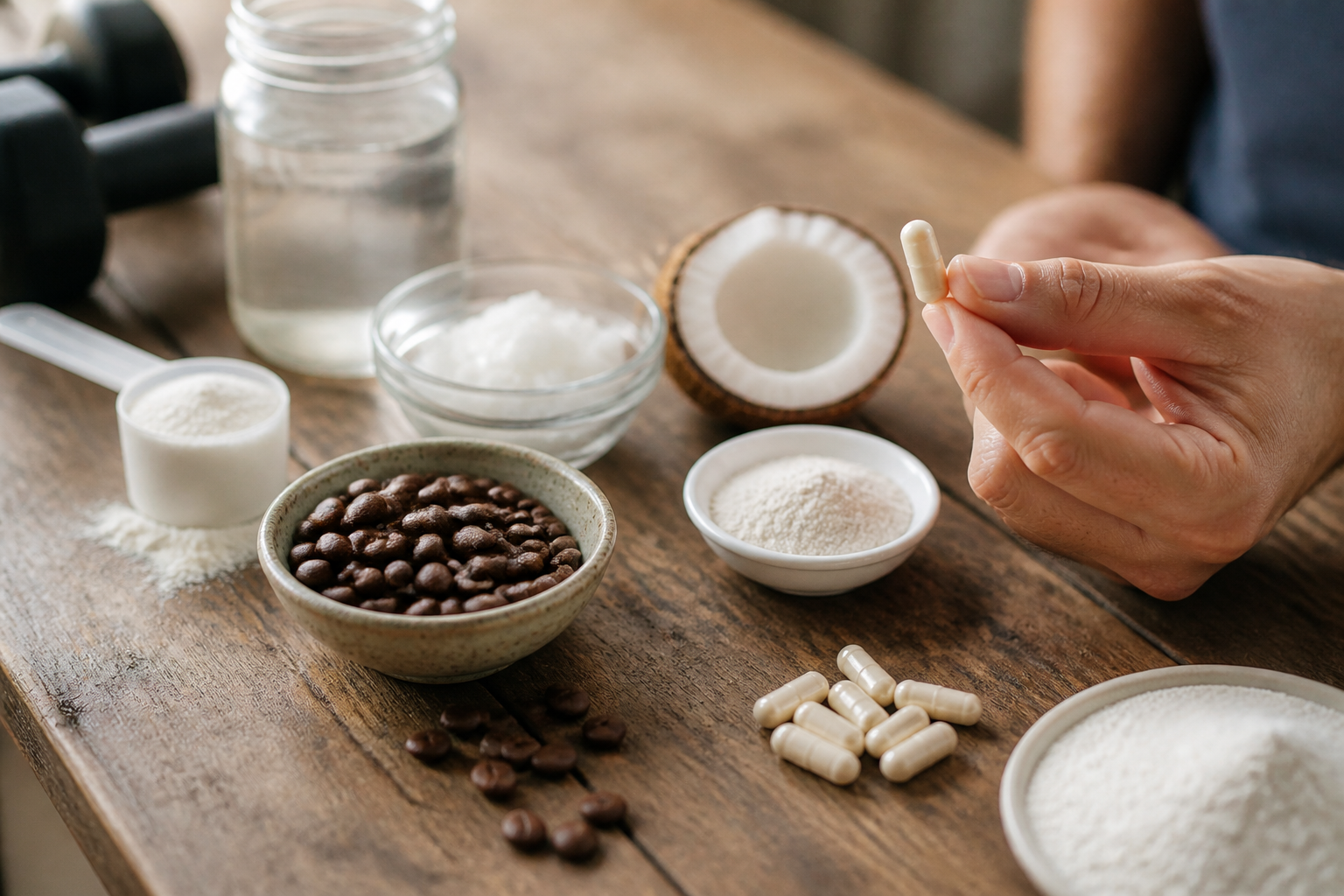
When exploring caffeine and MCT products how to read a supplement label is crucial for making informed decisions about your health and athletic performance. Caffeine, a widely used stimulant, and MCTs (medium-chain triglycerides), a popular fat source in fitness supplements, require careful scrutiny regarding their disclosure, safety, and claimed benefits. Understanding how these ingredients are presented on dietary supplement labels can help you assess product transparency and suitability for your needs.
Reading caffeine and stimulant disclosures
In the United States, the Food and Drug Administration (FDA) requires supplement labels to carry a Supplement Facts panel listing each dietary ingredient, including caffeine, except when they are part of a proprietary blend. If caffeine is present, it should be identified either by its name or by listing the source (such as "guarana" or "green tea extract") within the ingredient list beneath the Supplement Facts panel (FDA: Questions and Answers on Dietary Supplements). Caffeine amount per serving is disclosed unless it is part of a proprietary blend—in that case, only the total blend amount is given, not the breakdown for each component. This can make it difficult to know the precise caffeine dose per serving, leaving the consumer to question how much stimulant is being consumed.
With stimulant combinations, such as caffeine plus other stimulating herbs or compounds, there is added importance to look for all sources named in both the Supplement Facts panel and the Other Ingredients list. Watch for herbal sources that may contribute additional caffeine or stimulants, including yerba mate, kola nut, or guarana. If multiple stimulants are included, the combined effects can increase the risk of side effects like jitteriness or elevated heart rate. Careful review of all listed ingredients is necessary to avoid unintentional overconsumption.
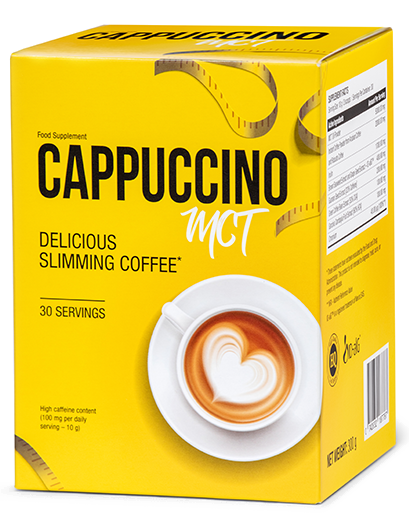
Cappuccino MCT
MCT-containing coffee product sold in a 30-serving carton; caffeine content and weight-loss claims need checking.
Checked 1 Nov 2026
Identifying MCT ingredients
MCTs (medium-chain triglycerides) may appear under several names on supplement labels, including "MCT oil," "caprylic acid," "capric acid," or simply "medium-chain triglycerides." According to FDA regulations, the amount of each MCT type—when included as a primary ingredient—should be declared in the Supplement Facts panel, except when part of a proprietary blend (FDA). They may also be listed as proprietary blends, which means you may see only the total oil blend weight, not the precise grams of each specific fatty acid (such as C8 or C10 MCTs). "Other ingredients" in MCT-containing supplements may include emulsifiers, flavorings, and carriers. If the source oil (coconut, palm, etc.) is relevant, some manufacturers disclose this for allergen or preference reasons—but this is not universally required unless it falls under the FDA's allergen listing rules.
When reading for MCT content, look for key details: Are specific types of MCTs quantified? Is the total MCT content given per serving? Are other fats, fillers, or additives also included? Clarity around ingredient origins and proportions aids in comparing products and checking claims made in marketing materials.
Evidence limitations
It's important to recognize the difference between an ingredient being present on the label and actual health or performance outcomes proven in research. For example, caffeine's physiological effects are well-documented in humans, and standard metabolism pathways are clearly understood. However, research models like the zebrafish in pharmacokinetic studies help map caffeine’s breakdown but are not direct evidence for benefit in people (Caffeine Biotransformation in Zebrafish Larvae: Bartoszek et al. 2026). Similarly, while MCTs may be associated with rapid absorption when compared to longer-chain fats, evidence supporting claims for weight loss or athletic enhancement is inconclusive and sometimes varies by formulation or individual differences (NIH ODS: Weight Loss). Labeling does not guarantee specific efficacy—look for clear citations or third-party validation, not just ingredient inclusion.
Supplements sometimes group several ingredients under one proprietary blend name, limiting transparency. This practice restricts your ability to match label content to the amounts, formats, or combinations studied in clinical trials. Responsible supplement use involves not only reading what is disclosed, but understanding that inclusion of an ingredient does not equate to clinically substantiated effects.
Safety and medication considerations
Consuming products with caffeine and MCTs requires attention to safety—especially for athletes, individuals on stimulant medications, or those with cardiovascular conditions. Caffeine can interact with other supplements, over-the-counter drugs, or prescription medications. Adverse effects may include insomnia, anxiety, increased heart rate, or gastrointestinal upset, and these become more likely as caffeine intake rises, particularly when combining multiple sources (FDA). The FDA advises consulting with a healthcare provider before starting any supplement, particularly if you are pregnant, nursing, have underlying health problems, or are taking other medications.
For MCTs, while generally considered safe in usual food and supplement quantities, gastrointestinal side effects such as cramping or diarrhea can occur, especially at higher doses. Look for labels identifying the MCT source if you have allergies (such as to coconut or palm). Responsible manufacturers may also participate in third-party testing programs, which can provide extra reassurance of product purity and accurate labeling. In a recent study, only about half of collegiate athletes reported recognizing third-party tested certification marks on supplement packaging, which underscores the importance of label literacy and safety vigilance (Collegiate Student-Athletes' Use and Knowledge of Third-Party-Tested Nutritional Supplements: Schott et al. 2024).
Source notes
The information in this article is based on publicly available, authoritative sources regarding dietary supplement regulation and ingredient safety, including official guidance from the U.S. Food and Drug Administration, research on caffeine metabolism models, and evidence syntheses from the National Institutes of Health Office of Dietary Supplements. No ingredient or supplement brand guarantees health or performance outcomes solely based on label content. Always review the Supplement Facts panel, all ingredient disclosures, and consider current personal health needs when choosing caffeine and MCT products. If you require more detailed information, contact the product manufacturer directly or consult with a qualified healthcare professional. This article contains no paid or affiliate content.