Quick answer
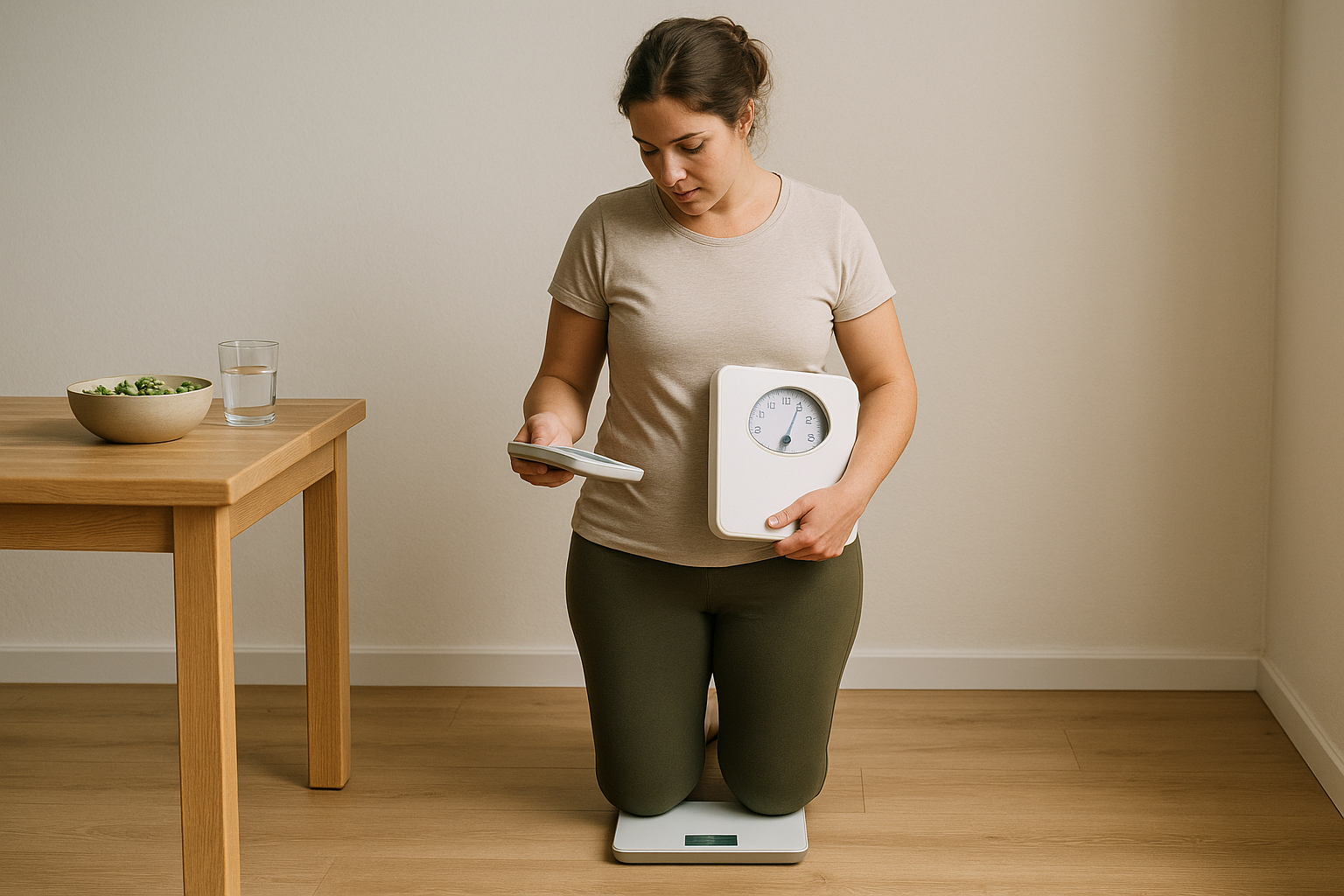
Tracking body weight trends offers valuable insight into your progress over time, but consistency is essential for accuracy. Using the primary keyword, when tracking body weight trends, it’s important to weigh under similar conditions, focus on patterns rather than single readings, and understand when self-monitoring might not be appropriate. Fluctuations in weight from day to day are normal and should not be interpreted as changes in body fat. For some individuals, especially those with a history of disordered eating or mental health concerns, weight tracking should be approached with caution and potentially under professional guidance.NHS England
Set up consistent weighing conditions
Consistency is the foundation of meaningful weight data. According to NHS England guidance, the most reliable body weight readings are achieved when you:
- Weigh at the same time of day — morning, before eating or drinking and after using the toilet, is generally recommended.
- Use the same set of scales placed on a hard, flat surface like bathroom tile.
- Wear as little clothing as possible; if clothing is worn, keep it consistent across weigh-ins.
- Stand still with weight evenly distributed and wait until the number stabilises before recording.
Switching scales or weighing on different surfaces introduces error. If you don’t own scales, pharmacies, gyms or health centres may provide calibrated alternatives; try to use the same set each time.
Record and review trends rather than isolated readings
Natural short-term weight changes are influenced by hydration, salt intake, digestion, and hormonal variation. Interpreting an individual measurement as a true change in body fat is misleading. Both NHS England and the US National Institute of Diabetes and Digestive and Kidney Diseases (NIDDK) emphasise that looking at the overall trend—such as weekly or monthly averages—offers a more accurate picture of changes in your body.NHS England, NIDDK
Keeping a record (either paper or digital) helps you observe whether your weight is generally stable, rising, or falling over several weeks or months. This perspective reduces anxiety about normal day-to-day variation and places emphasis on sustained patterns.
Combine trends with sustainable habits
Effective body weight management is most successful when paired with sustainable nutrition and activity habits rather than sporadic tracking. The NIDDK highlights that recording weight should be only one part of a larger strategy involving healthy eating, regular movement, and practical goal setting.NIDDK
- Set realistic, incremental goals that feel achievable within your lifestyle.
- Focus on daily routines—such as balanced meals or active breaks—rather than the number on the scale alone.
- Use tracking as a feedback tool, not a verdict on willpower or self-worth.
Progress in healthy behaviours often precedes visible weight change, so continued tracking should be paired with patience and self-compassion. For additional support, integrating body composition (such as waist circumference) or linking to resources on sustainable calorie deficit can further enrich your understanding, but these should not supersede building core habits.
When monitoring is unhelpful or needs clinical support
Self-monitoring weight is not suitable for everyone. For individuals with an eating disorder history, body image distress, or if tracking elicits anxiety or obsessive behaviours, it may be safer to avoid self-weighing or only do so under clinician supervision. Both US and UK health agencies recognise the value of tailored, sometimes non-weight-focused, approaches in these cases.NHS England
You should consider pausing or seeking advice about weight tracking if you:
- Experience distress, shame, or a compulsion to alter eating/exercise after weighing.
- Have been advised against weight tracking by a health or mental health professional.
- Notice obsessive monitoring, frequent re-checking, or secrecy around weigh-ins.
Clinical guidance can help determine when monitoring is appropriate, suggest alternative markers of progress, or provide additional support.
References
FAQs
How can weighing conditions be kept consistent?
Weigh at the same time of day—typically in the morning, after using the toilet and before eating or drinking. Always use the same set of scales placed on a hard, level surface, and wear similar light clothing or none at all. This reduces error and ensures that your readings are truly comparable over time.
Why avoid interpreting one reading as fat change?
Body weight can fluctuate due to hydration, digestive contents, or recent activity, not just changes in body fat. A single reading may reflect water retention, food intake, or normal physiological changes rather than an actual shift in fat mass. Only sustained trends over weeks indicate likely changes in body composition.
When should weighing be avoided or discussed with a clinician?
If you have a history of eating disorders, experience distress or negative feelings around weighing, or have been advised against self-monitoring by a clinician, discuss alternative approaches with a health professional. They can help establish safe monitoring routines or focus on non-weight progress indicators.